IPC Group banks on community-based travel to bring ‘tangible benefit’ to locals
This tourism model creates positive economic, social, cultural and environmental impact
[SINGAPORE] Supporting elephant caretakers in Thailand, refurbishing schools in Cambodia, and taking care of pandas in China – these are some of the unique experiences that IPC Group offers on its tours.
The travel company in its early years pivoted from organising leisure trips to community-based experiences, after founder Raj Kumar realised he wanted to bring more “tangible benefit” to local communities.
This model involves the local community in tourism activities, and creates positive economic, social, cultural and environmental impact.
Kumar said: “We support communities in tangible ways. We ensure our tours have long-term impact by tying them to education, infrastructural development and awareness-building.”
About 80 per cent of IPC’s trips are community-based travel, with the rest leisure.
Since its founding in 1997, IPC has served more than 500,000 students and 200,000 adults. It works with around 200 corporate clients and 500 schools each year.
Pivoting to a more “niche” market
Before establishing IPC, Kumar worked for about five years as a flight loadsheet officer with Singapore Airlines. He became interested in starting a travel business as he observed – and sometimes even helped out with – his father’s work as a tour guide.
In 1998, while on a business trip in Mumbai, he saw a child rummaging through the trash for food. This left a “strong impact” on him and changed his mindset towards his business.
“I saw people with tattered clothes and no footwear on the streets, while we were sitting in the comfort of luxurious buses with air-conditioning... I started thinking about how I could integrate tourism with giving back to the community,” he said.
Therefore, he pivoted the business to offering community-based travel instead of just leisure trips. This also allowed IPC to stand out against other players in the sector.
“IPC runs training programmes for beneficiaries as well, to equip them with the skills to operate the projects on their own.”
“Our forte has never been leisure trips... online travel agencies have taken over in that market. If we (had) continued with that, (it would have been) a high-risk game,” he said.
“So we moved on from there. We wanted to do something niche – something that has a tangible benefit to the community.”
Long-term community impact
Schools and corporates were interested in community-based tours from the get-go, he noted. Such trips improve morale and retention, encouraging bonding and building empathy.
The IPC team curates tours based on its clients’ preferences and budgets. While the trips are focused on giving back, there are still travel and sightseeing components.
“Because of the affordability of South-east Asia, companies prefer to do trips to neighbouring countries. But we have gone to countries as far as Zambia,” Kumar said.
On one trip, IPC brought volunteers to an Indian village to set up a cafe. The project helped girls who had survived acid attacks gain an income source by training them in running the cafe and barista skills.
These projects must have “long-term continuity and sustenance”, Kumar noted.
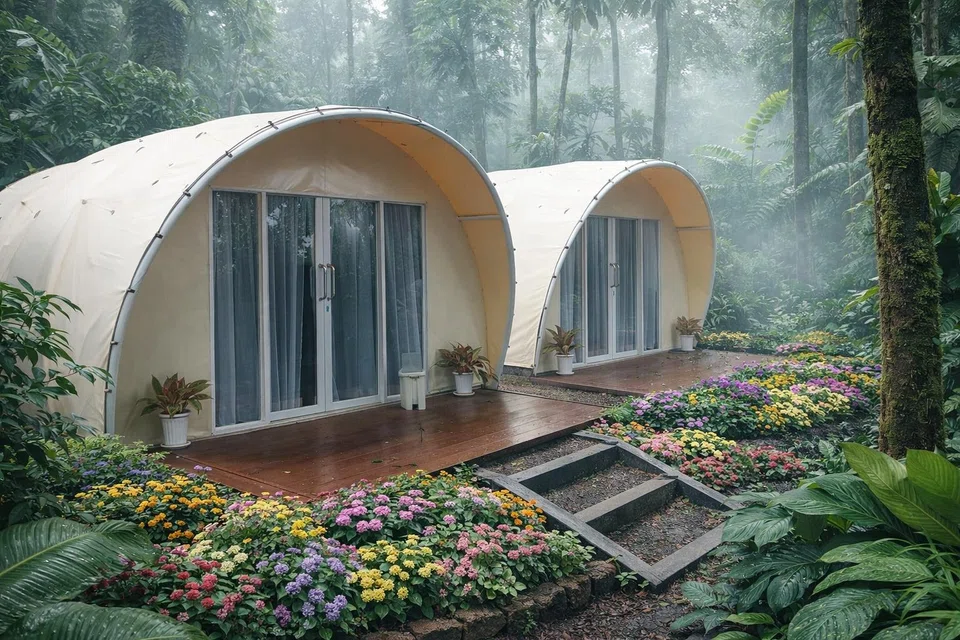
IPC also runs a joint venture with local businesses in Vietnam and Thailand to set up “glamping” sites. Volunteers support the local community – usually composed of lower-income households – in setting up these areas, which have the potential to become tourist attractions.
“We help (beneficiaries) generate income (through the revenue from) attractions and activities, and handicrafts. These are things that tourists will love to see and learn,” Kumar said.
IPC runs training programmes for beneficiaries as well, to equip them with the skills to operate the projects on their own, such as customer service.
At the end of each trip, the company conducts a knowledge assessment with its clients to collect feedback and identify areas for improvement.
Venture into VR
Kumar said IPC came to a “standstill” during the pandemic, but its financials have since bounced back to around 80 per cent of pre-Covid levels.
During the pandemic, the company ventured into virtual reality (VR), offering experiences such as virtual travel exploration and metaverse graduation ceremonies. It also runs VR programmes to teach clients about mental wellness and scam prevention.
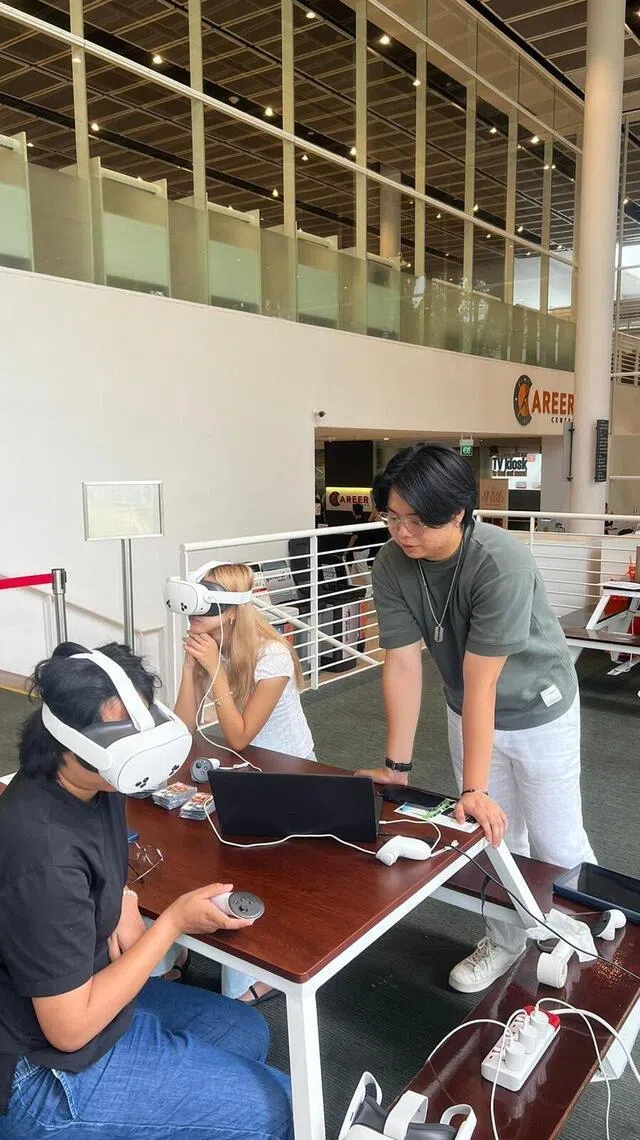
IPC extended its community-based approach to VR as well.
For instance, it involved the mahout community in Chiang Mai, Thailand. Kumar noted: “Mahouts are elephant caretakers, integral to the region’s eco-tourism. During the Covid pandemic, their livelihoods were severely (affected)...
“IPC stepped in with a VR initiative to keep their conservation efforts visible to tourists and supporters. It helped sustain them through a challenging period.”
Besides Singapore, the company also has offices in countries such as Indonesia, Malaysia and Saudi Arabia. It is looking to expand further across Asia, potentially using a franchise model.
IPC continues to see growth in community-based tourism as organisations step up their corporate social responsibility efforts. It also noted increasing interest in its VR programmes, which offer a cheaper alternative to overseas travel experiences.
Decoding Asia newsletter: your guide to navigating Asia in a new global order. Sign up here to get Decoding Asia newsletter. Delivered to your inbox. Free.
Copyright SPH Media. All rights reserved.