

Japan wrestling legend Antonio Inoki dies at 79
 Add BT as a preferred source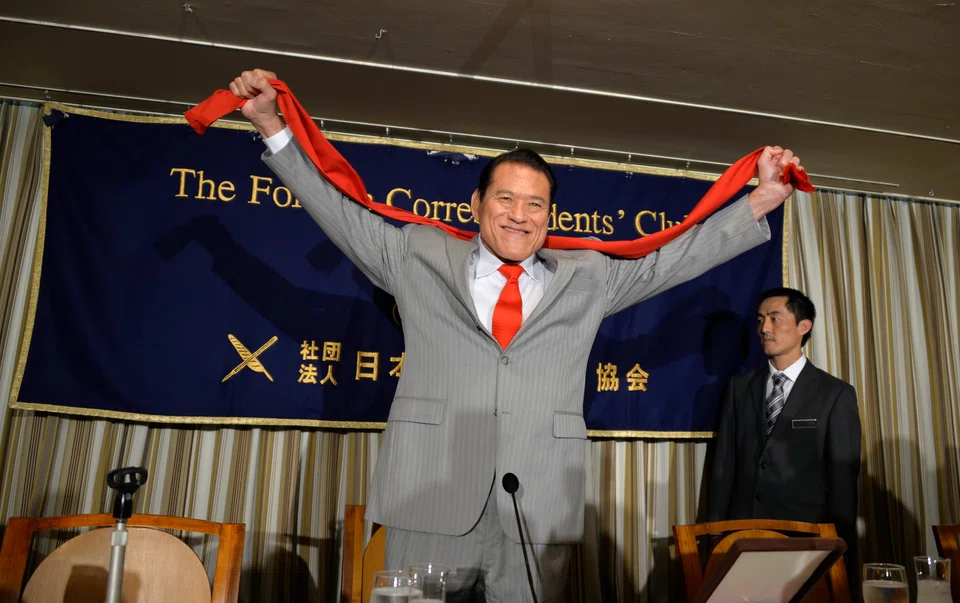
FLAMBOYANT Japanese professional wrestler turned politician Antonio Inoki died on Saturday aged 79, local media reported.
His death, which public broadcaster NHK said was from heart failure, brought to an end a varied life in the public eye, during which Inoki fought Muhammad Ali, fostered close personal ties with North Korea, and helped free hostages in Iraq.
The Yokohama native – born Kanji Inoki – also starred in American wrestling promotions, as well as serving two separate terms in Japan’s legislature.
US wrestling legend Triple H tweeted that Inoki was “one of the most important figures in the history of our business, and a man who embodied the term ‘fighting spirit’”.
“The legacy of WWE Hall of Famer Antonio Inoki will live on forever,” added the chief operating officer of World Wrestling Entertainment (WWE).
“Antonio Inoki, the founder of New Japan Pro-Wrestling and former professional wrestler, died in Tokyo,” the group said in a statement.
Navigate Asia in
a new global order
Get the insights delivered to your inbox.
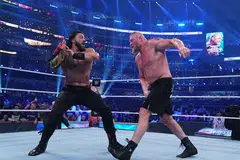
Standing 1.9 m tall, Inoki was a pioneer of mixed martial arts in Japan, and shot to fame in 1976 for taking on world heavyweight champion Muhammad Ali in a zany wrestler-versus-boxer bout in Tokyo.
There followed appearances in the WWF, as WWE was then known. The company said on Saturday: “One of the key figures in the history of Japanese wrestling, Antonio Inoki was among the most respected men in sports-entertainment and a bona fide legend in his homeland.”
In 1989, he was elected as an upper-house lawmaker for the now-defunct Sports and Peace Party.

He travelled to Iraq prior to the 1990 Gulf War to gain the release of Japanese hostages.
Inoki lost his seat in 1995 and retired as a wrestler in 1998, but was re-elected to the upper house in 2013 as a member of another opposition party.
Having built a strong personal connection with North Korea over the years, Inoki travelled there dozens of times to help resolve the issue of Pyongyang’s abductions of Japanese citizens during the Cold War, before ending his political career in 2019.
The wrestler – whose birth name was Kanji Inoki – said he wanted to “contribute to world peace through sports” and had arranged martial arts and wrestling festivals in North Korea, often meeting high-ranking officials during his visits.
Japanese officials dismissed the trips as a sideshow.
Asked about them at the time, the then chief cabinet secretary Yoshihide Suga pointedly reminded journalists that Tokyo had a travel ban in place for North Korea, urging the politician to “act appropriately”.
However, Japanese television news provided blanket coverage of Inoki’s trip and the visits continued to prompt interest, given the lack of details leaking out about life in North Korea.
Inoki, unmistakable from his outsized chin and trademark tie and red scarf – even in summer – also forced the government to take an official position about aliens when he tabled a question in a budgetary committee in 2017, saying he had seen a mysterious flying object disappearing over the horizon.
In 2020, Inoki said he had been diagnosed with heart disease. AFP
Decoding Asia newsletter: your guide to navigating Asia in a new global order. Sign up here to get Decoding Asia newsletter. Delivered to your inbox. Free.
Share with us your feedback on BT's products and services
TRENDING NOW
On the board but frozen out: The Taib family feud tearing Sarawak construction giant apart

Is it time to scrap COE categories for cars?

Thai and Vietnamese farmers may stop planting rice because of the Iran war. Here’s why
Former manager with DBS Bank admits cheating 7 victims, including his uncle, of over S$1 million

