

Japan's maker of mascots feeds a nation's craving for cuteness
Miyazaki, Japan
FOR some of Japan's most adored celebrities, the journey to fame starts in a converted Internet cafe above a bowling alley in this sunny south-western city.
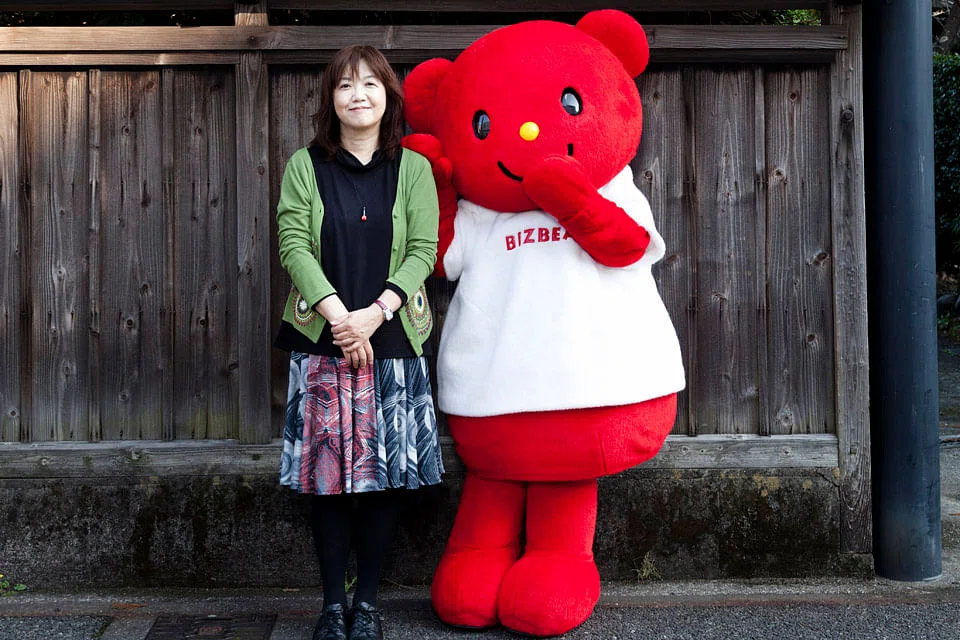
This is where Hiromi Kano runs her unlikely star factory, an enterprise whose most successful creations are recognised by millions. Some have huge followings on Twitter and earn billions of yen in revenue. At least one has met the emperor.
The idols churned out by Ms Kano, 55, are mascots - the smiling, dancing animals, mutated foodstuffs and saucer-eyed humanoids that promote every conceivable thing in Japan, from out-of-the-way tourist spots to careers in the military.
Ms Kano is a costume maker, though no one in her industry would describe the job so bluntly.
"We have a motto, which is that there's no human inside," said Ms Kano, a mother of two with a warm smile who oversees the workshop and its roughly 40 employees, almost all women.

Whimsical mascots have become almost as closely associated with Japan as Mount Fuji and sushi. Popular for decades, they have become a virtual obsession in recent years, and seemingly every town, business and arm of government now has one.
So ubiquitous are mascots that last year, Japan's Finance Ministry suggested that public agencies think twice before creating more, fearing that taxpayer money was being wasted. Osaka prefecture alone was found to be supporting 92 of them, including two dogs for separate tax departments and a caped, flying hot-water bottle representing pharmaceutical regulation. The governor ordered a cull.
Ms Kano said business was still booming, though.
"Japanese people have this desire to take the sharp edges off things, to take hard things and make them soft," she said. "If you want to explain, say, industrial waste, adding a character softens the message and helps it get through to people."
There are dozens of mascot-outfit makers in Japan, but the Kano family's company, Kigurumi.biz, stands out in the crowd. Its suits, which cost US$4,000 to US$6,500, are the Cadillacs of the mascot world, with features such as motorised fans to keep their occupants cool during Japan's humid summers. Most are based on existing images, but Ms Kano employs artists who can create characters from scratch or who can refine customers' designs.
Ms Kano's biggest claim to fame is creating the wearable version of Kumamon, a red-cheeked bear that has become one of the most popular fantasy creatures in Japan.
The mascot for rural Kumamoto prefecture, Kumamon won a nationwide popularity contest in 2011. His image adorns bags, T-shirts, key chains, plastic chopsticks, liquor bottles and countless other items. According to the local branch of the Japanese central bank, which studied Kumamon's economic impact, the bear earned Kumamoto 124 billion yen (S$1.5 billion) in tourism and merchandising revenue in the two years after the contest win.
Kumamon has 427,000 Twitter followers and greeted Emperor Akihito on a royal visit in 2013. (The monarch, who was about to turn 80, caused a small stir by asking him, "How many of you are there?" - intruding on the "no human inside" fantasy that he is a real, singular being.) Success stories like Kumamoto's have kept the mascot addiction going.
"The toughest cases are when clients come in and say, 'Just make ours like Kumamon'," Ms Kano said. "I try to tell them that it's not enough to have a cute character. You have to think about how to use it to engage people."
She added: "It's sad when a government agency orders a mascot, and it ends up sitting in a box."
Ms Kano said she believed one reason for mascots' popularity was that they provided an outlet for physical contact and gushing expressions of affection in an otherwise reserved society.
"Japanese people don't really hug, even husbands and wives," she said. "I would never hug my employees, but as soon as they put on a mascot suit, I want to cuddle them." Still, Ms Kano says she often wonders how long Japan's mascot obsession can go on.
"There are times when even I think, 'Really? Is this necessary?'" she said. NYT
Share with us your feedback on BT's products and services
TRENDING NOW

Who is Leo KoGuan, the Singapore-based billionaire backing Nvidia’s Jensen Huang?

Demand, tech capabilities position Apac and AI as Skyscanner’s next growth frontiers: CEO Bryan Batista

Higher rates, weaker spending: Is the Philippines entering stagflation?

South-east Asia has lost Nvidia’s best salesman

