

In the land of churches and wine
The beautiful countries of Georgia and Armenia are home to resplendent monasteries and boast a history of winemaking
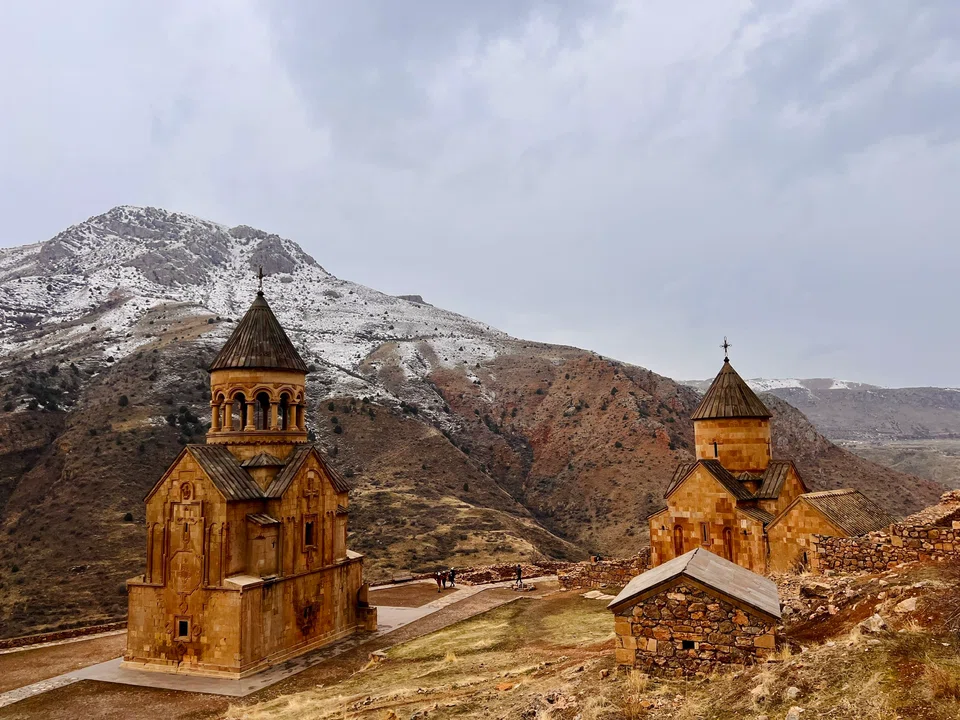
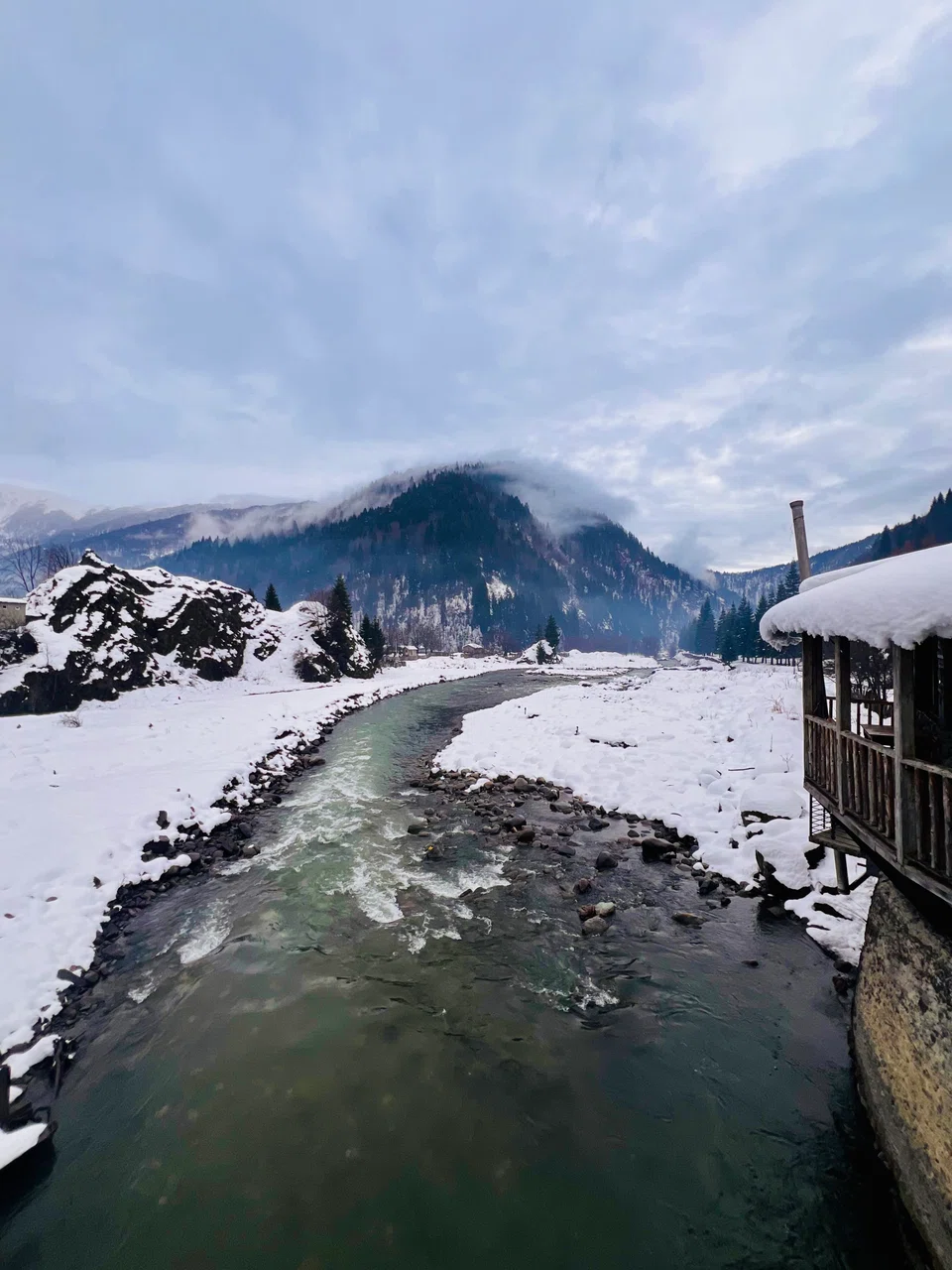
ON A recent trip, I criss-crossed Georgia and Armenia, two beautiful lands that have historically been hemmed in by successive empires in a crucible of competing interests, and with a deeply intertwined history since their precursor states in classical antiquity.
As smaller states, the national identities of Georgia and Armenia have been tied to the entrenchment of Christianity in the region. The first Christian kingdoms in the world, having embraced Christianity as their state religions in the early fourth century, they were for centuries surrounded by larger powers which embraced Zoroastrian, Pagan, and subsequently Islamic faiths.
This heritage is dotted across the landscape of both countries in the presence of various Georgian Orthodox and Armenian Apostolic churches, and manifest in cultural elements such as the distinctive medieval Armenian Khachkars – carved memorial steles marked by a cross.
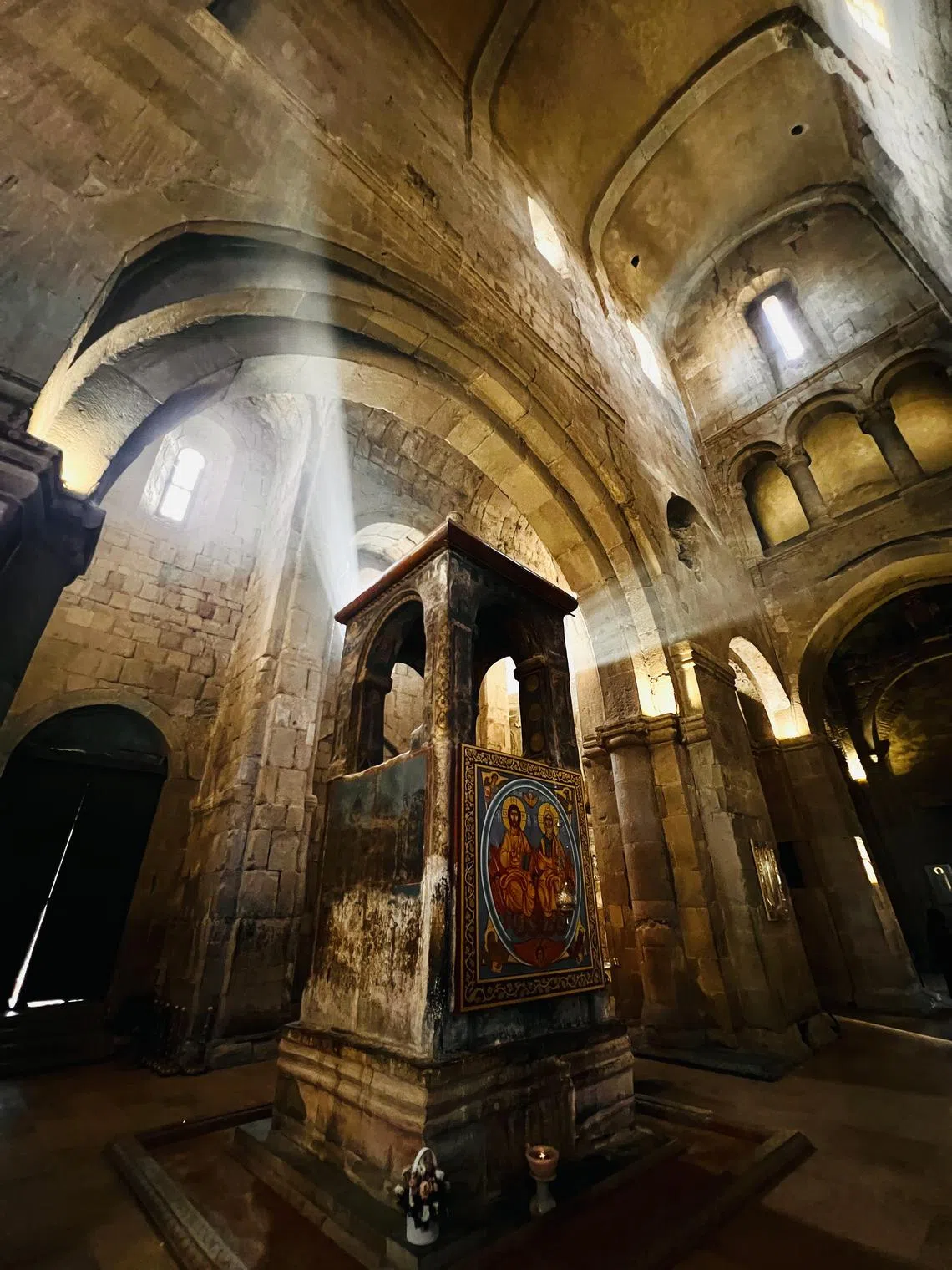
The long history of Christianity in the region also buttresses both countries’ historical links with Christian Europe. For example, elements of medieval church architecture in the Caucasus also influenced subsequent European Gothic styles, such as through proto-Gothic intersecting arches and vaulted ceilings.
These links also relate back to the more modern-day issues over EU accession for both Georgia and Armenia, with the tension between Eurosceptic and pro-European camps literally writ large on my trip, through the creative graffiti on the streets of Tbilisi espousing many youths’ desire for stronger integration with the EU.
Cradle of winemaking
Religious heritage aside, the region is also well-known for its long history of winemaking. The world’s oldest winery was discovered in a cave in Areni, Armenia dating back more than 6000 years; and even older qvevri (the trademark Georgian clay vessels used to ferment wine) have been found, as evidence of winemaking more than 8 millennia ago.
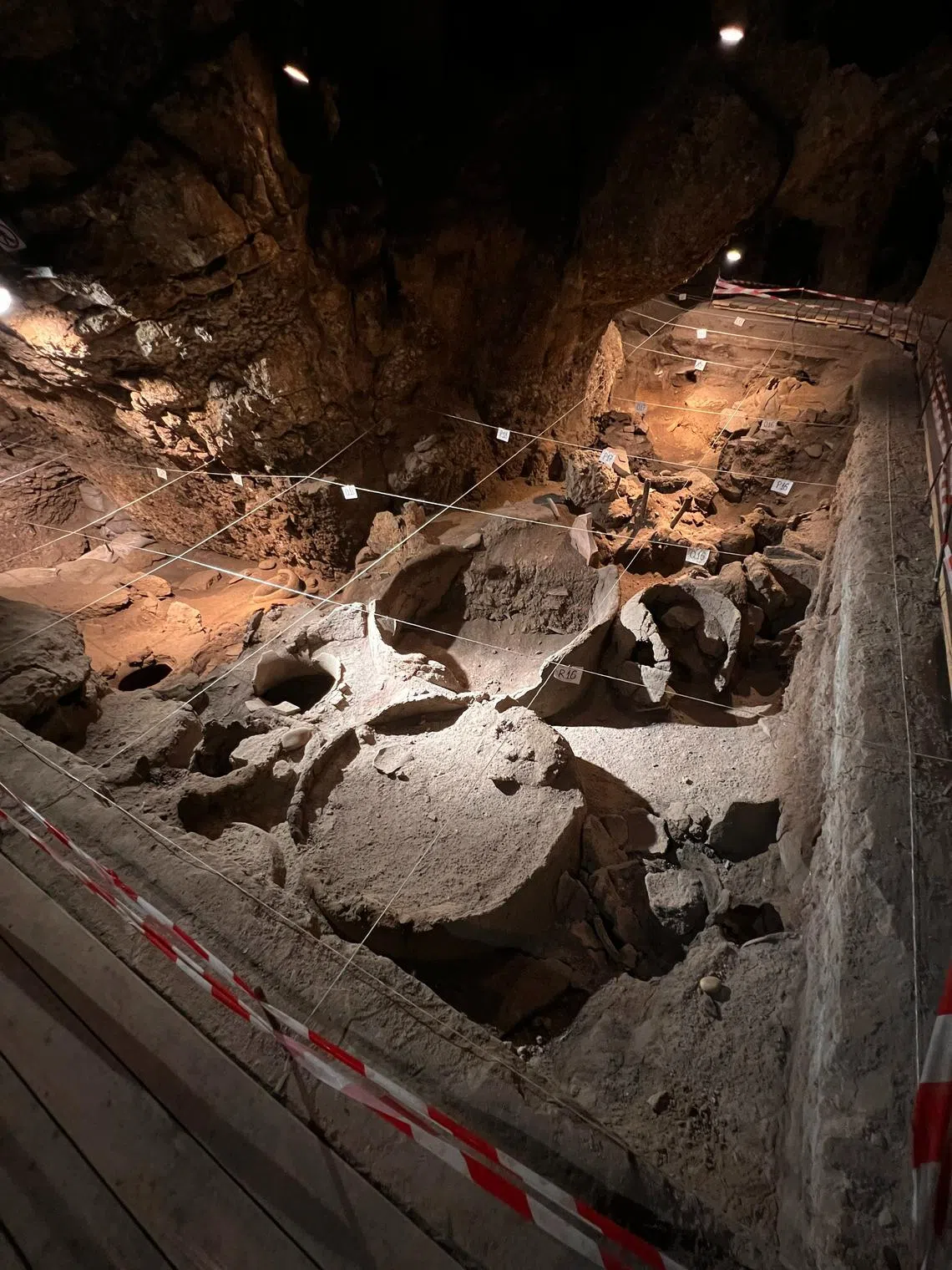
In the 19th century, Prince Alexander Chavchavadze introduced European winemaking techniques that refreshed the millenia-old tradition of winemaking in Georgia. As the cradle of winemaking however, sometimes old is better - and the art of fermenting wine in large clay qvevri imparts a distinctive minerality in the resultant wines that left an indelible impression on my palate.
Saperavi wine and its eponymous grape are known as the king of Georgian Reds. As such an old variety, it is replete with many of its own sub-variations ranging from dry to semi-sweet, but the wines are all generally very fruit-forward and tannic. Saperavi aside, it was the classic Kakhetian amber wines which I found to best exemplify the characteristics of traditional qvevri winemaking.
Georgia’s orange, skin-contact wines are left with their skins, seeds and stems for up to six months in qvevri, and their aged Kakheti-style Rkatsiteli was my favourite by far. The wine struck me with its distinctive notes of honey and walnuts, maintaining its ripe acidity despite having aged for several years, while the minerality imparted by the qvevri during the wine’s fermentation process was complemented by tertiary notes of mushrooms.
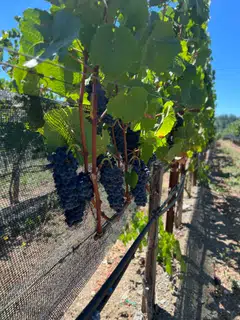
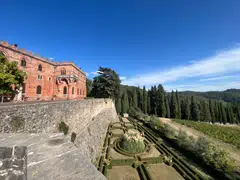

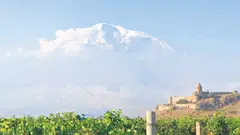
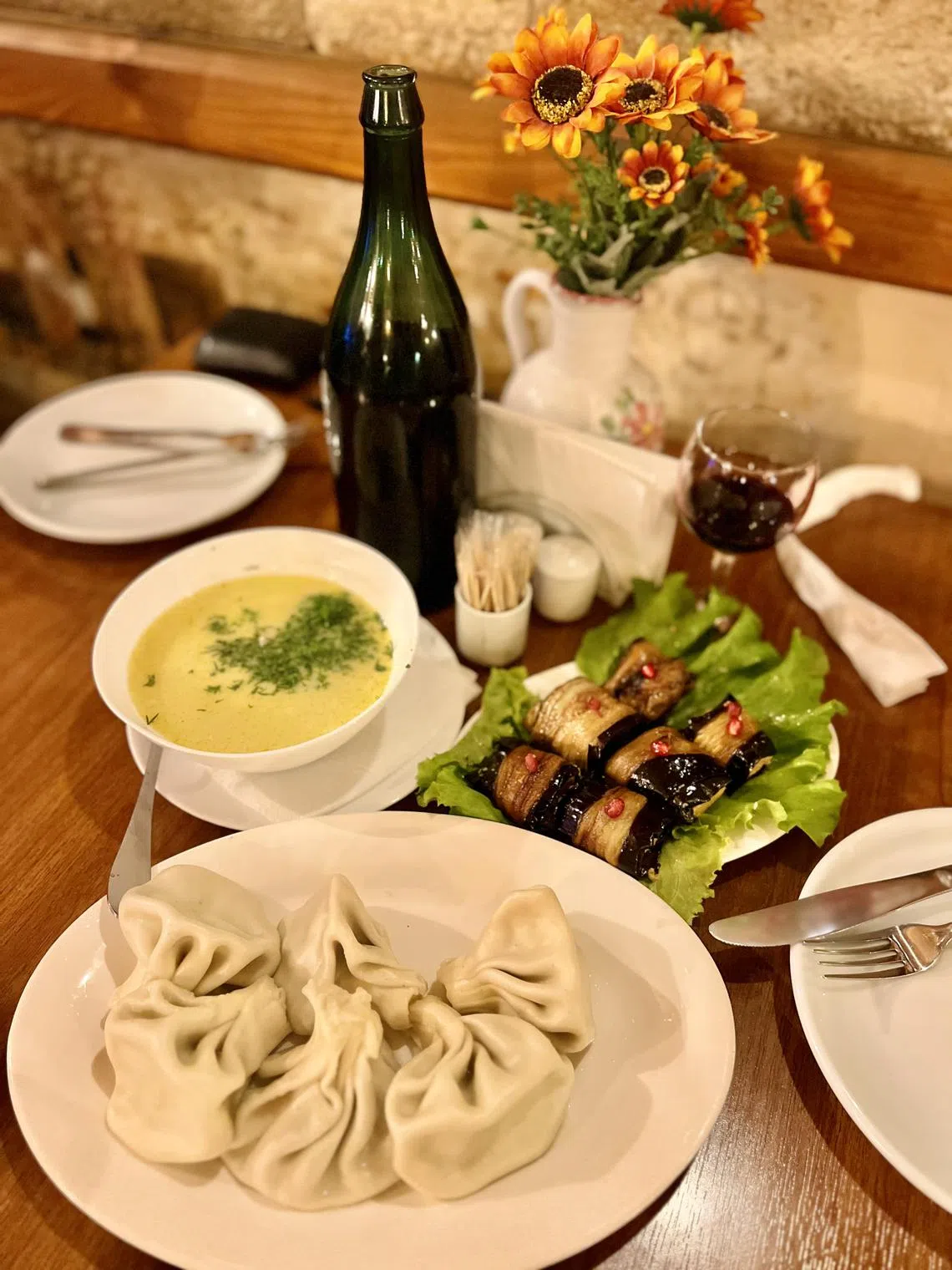
The region’s oenological highlights pair well with its array of different foods. For example, the classic nigvziani badrijani is an amazing combination. These are slightly charred, melt-in-your-mouth eggplant rolls, with the characteristic nuttiness and piquant notes from its garlic and walnut paste filling, while topped with pomegrenate seeds that imparted a juicy crunch, and finally washed down perfectly with a glass of Saperavi.
Another personal favourite was the local khinkali or Georgian dumplings – the best examples of which were filled with a savoury, lightly-seasoned broth, serving as the perfect, warm accompaniment to the cold winter nights.
A journey through history
Exploring Georgia and Armenia, one is afforded various means of travel. From the ubiquitous marshrutkas or shared minivans which can be found across the countries of the former USSR, to the overnight train plying the route between Tbilisi and Yerevan. Alternatively, renting a car provides the flexibility to explore the various historic and religious sites in the Caucasus – such as the remote towns of the Upper Svaneti, or Gergeti near the Russian border.

The sleeper train experience was particularly enjoyable – a time capsule that transports one to the bygone days of slow travel by rail. Settling into third class, I quickly bedded down for an ambling ride through the Lesser Caucasus mountains, with just a brief stopover to get my passport stamped at Sadakhlo and Ayrum on either side of the border.
Travelling through the region, it was apparent that certain inter-ethnic, regional tensions remain, such as the unresolved status of Georgia’s two self-governing breakaway regions Abkhazia and South Ossetia.
Nevertheless, there have been encouraging steps towards healing other old divides. Turkey and Armenia are on the cusp of reopening their decades-long closed border, to turn a page on their historical tensions.
Journeying through these lands, and experiencing it with all five senses, felt to me like striding through the hallowed halls of their long and illustrious history. While the weight of history’s ebbs and flows lies heavily on this region, its legacy remains resplendent in the architecture of its churches, and the richness of its oenological and culinary heritage.
The writer is a Singaporean with an enduring interest in peoples and cultures, and a passion for wine
Decoding Asia newsletter: your guide to navigating Asia in a new global order. Sign up here to get Decoding Asia newsletter. Delivered to your inbox. Free.
Share with us your feedback on BT's products and services






