

Latin American art and antiques shine in Singapore spotlight
Running concurrently, two exhibitions highlight the interconnectedness of Latin American and South-east Asian cultures

Helmi Yusof
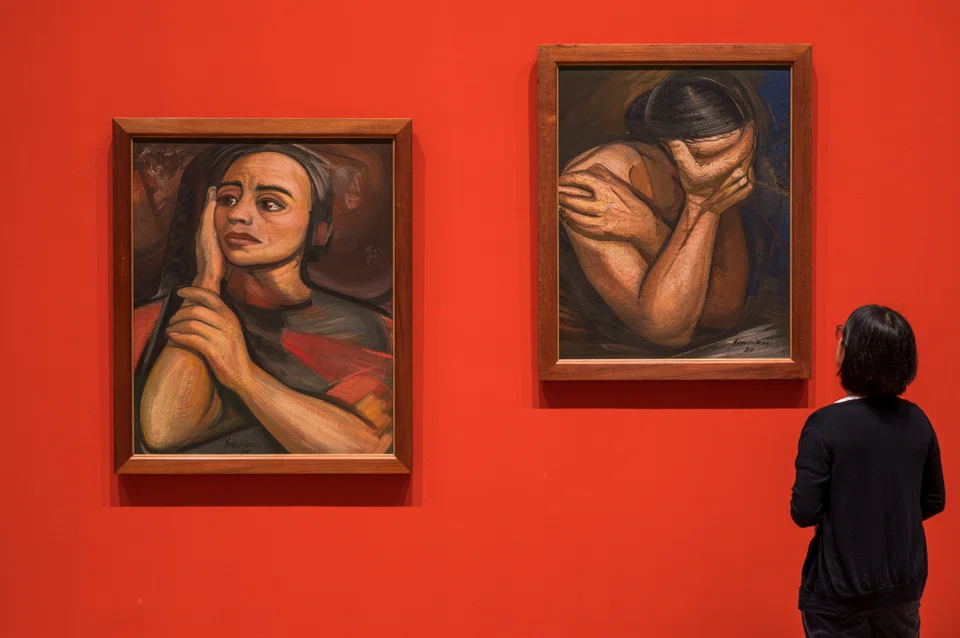
IT IS rare for Latin American art and antiquities to seize the spotlight in this part of the world. But by some fortunate celestial alignment, there are not one but two vibrant showcases of Latin American culture running simultaneously at the National Gallery Singapore (NGS) and Asian Civilisations Museum (ACM).
The two museums, standing just a block away from each other, naturally have different perspectives on the subject. NGS looks at 20th century artistic expressions from the region and features famous names such as Frida Kahlo, Diego Rivera and Paul Gauguin. ACM looks at the art and antiquities dating as far back as the 16th century.
What the two exhibitions have in common, however, is that neither is looking at Latin America in isolation. Rather, they compare the region’s diverse cultural heritage spanning thousands of years to that of South-east Asia. Through this approach, they find parallels that include their complex history of colonialism, independence movements and contemporary developments.
What surfaces from the NGS exhibition are some startling aesthetic similarities in the art of the two regions, with social realist images painted in bright and vibrant colours that reflect the warm tropical landscapes. In contrast, what emerges from the ACM exhibition is the longstanding trade links between the two regions that predate the contemporary concepts of globalisation and international exchange.
Frida, Diego, Wilfredo
At NGS’ exhibition, titled Tropical: Stories from Southeast Asia and Latin America, the star artwork is undoubtedly Kahlo’s Self Portrait With Monkey (1945). Displayed in Singapore for the first time, this vivid 60 cm by 42.5 cm self-portrait by Latin America’s most famous female artist is bursting with feminist symbolism.
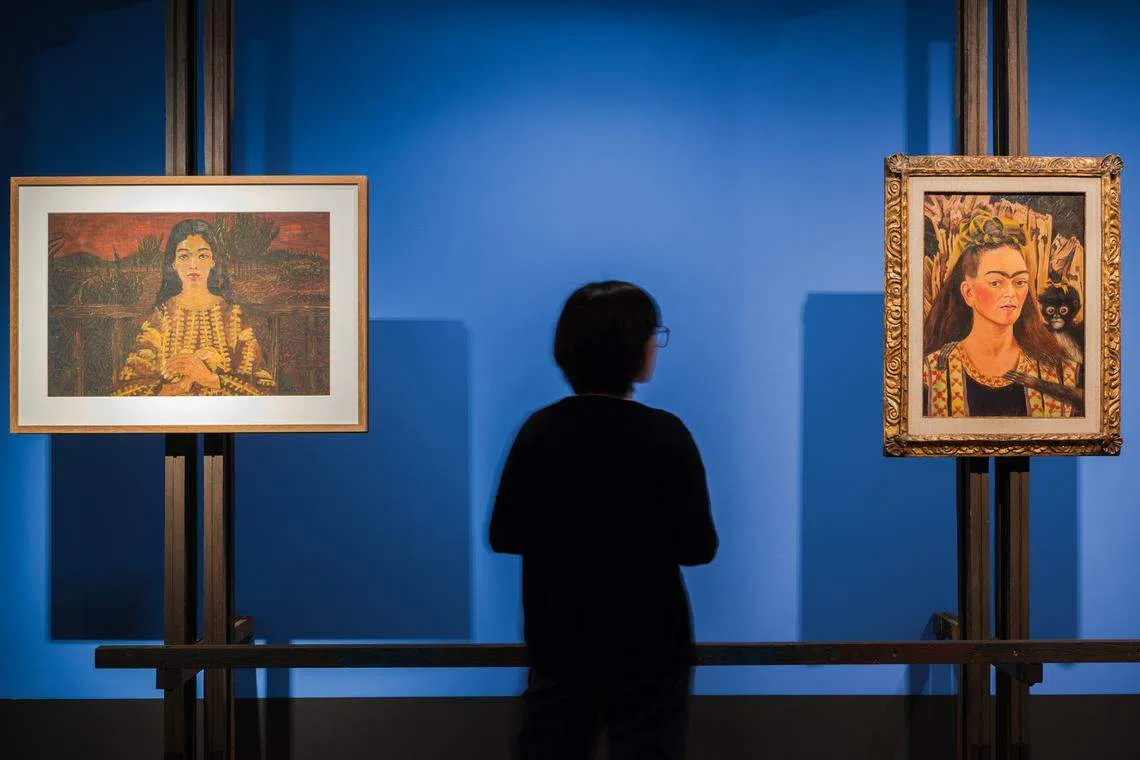
Kahlo wears a Tehuana Huipil dress to signify her reverence for Mexico’s Zapotec women and their matriarchal society. The monkey symbolises both a pet and a surrogate child, reflecting Kahlo’s complex relationship with motherhood and her inability to have children.
Next to Kahlo’s work hangs Malayan artist Patrick Ng Kah Onn’s Self Portrait (1958). Although Ng was a Chinese man, he painted himself as a Malay woman wearing a batik dress, a queering of gender, sexuality and race that reflects his unease with his place in the soon-to-be independent nation of Malaysia.
Though Kahlo and Ng are oceans apart, their exploration of identity and culture are similar in their incorporation and subversion of indigenous and folk symbols.
This juxtaposition strategy runs throughout the entire exhibition of 200 paintings, sculptures, videos and installations by more than 70 artists – about 30 per cent of whom are from Latin America. They include iconic figures such as Mexican muralists Diego Rivera and David Alfaro Siqueiros; Afro-Cuban art proponent and auction favourite Wilfredo Lam; and Brazil’s contemporary pioneers Helio Oiticica and Lygia Clark.
Meanwhile, the South-east Asian giants who complete the exhibition include Indonesia’s Affandi and S Sudjojono, Malaysia’s Latiff Mohidin, Thailand’s Montien Boonma and many more.
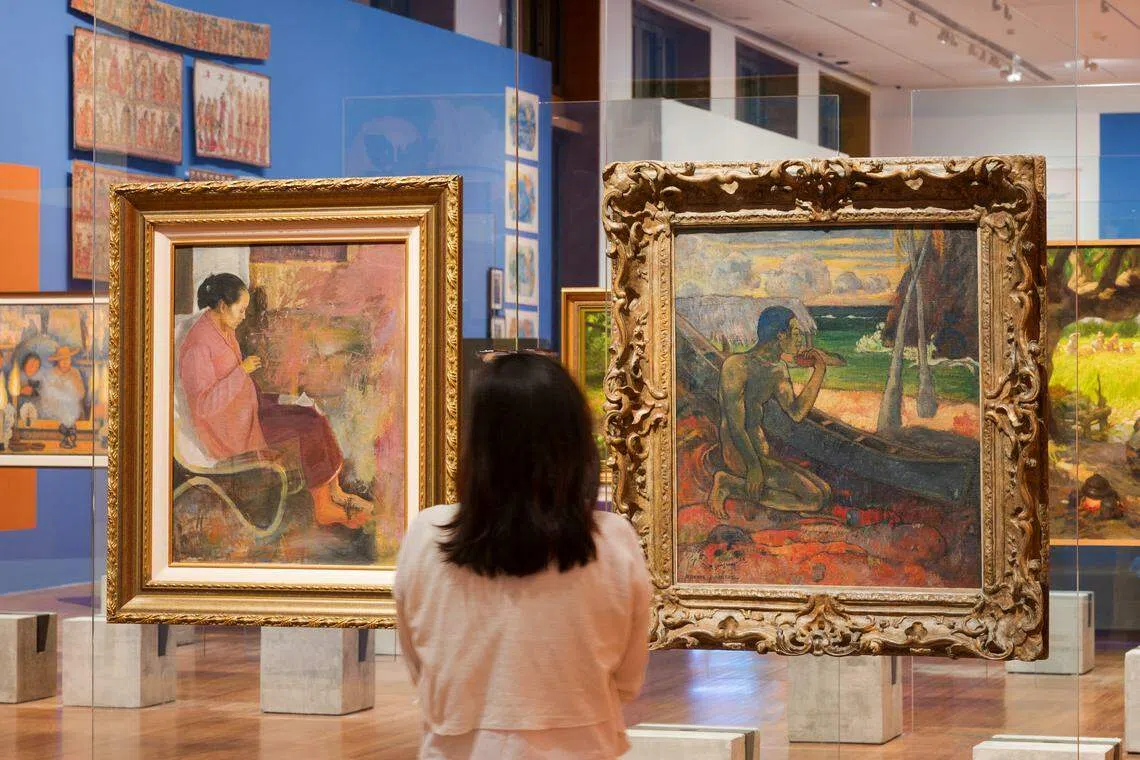
This being the first major comparative exhibition of art from Latin America and South-east Asia, what makes NGS’ show especially notable is the unusual ways that the artworks are displayed. Taking inspiration from the iconic designs of Brazilian modernist architect Lina Bo Bardi, Singapore-based architecture firm Woha has created “crystal easels” and wooden grid and lattice-like structures from mostly upcycled materials to display the art.
The result is that the gallery spaces have a delicate and ethereal ambience, with some paintings appearing to be floating.
Commerce and craftsmanship
Meanwhile, at ACM, a different period of cultural history is explored. From 1565 to 1815, large Spanish trading ships called the Manila galleons sailed once or twice per year across the Pacific Ocean between Manila in the Philippines and Acapulco on the west coast of Mexico.
The Manila galleons were large, heavily armed ships that carried goods such as silk, spices, porcelain, ivory, lacquerware and other luxury items from Asia to the Americas. In return, they transported silver, gold and other goods from the Americas to Asia. Although the stops were Manila and Acapulco, the goods hailed from all over Asia and Latin America.
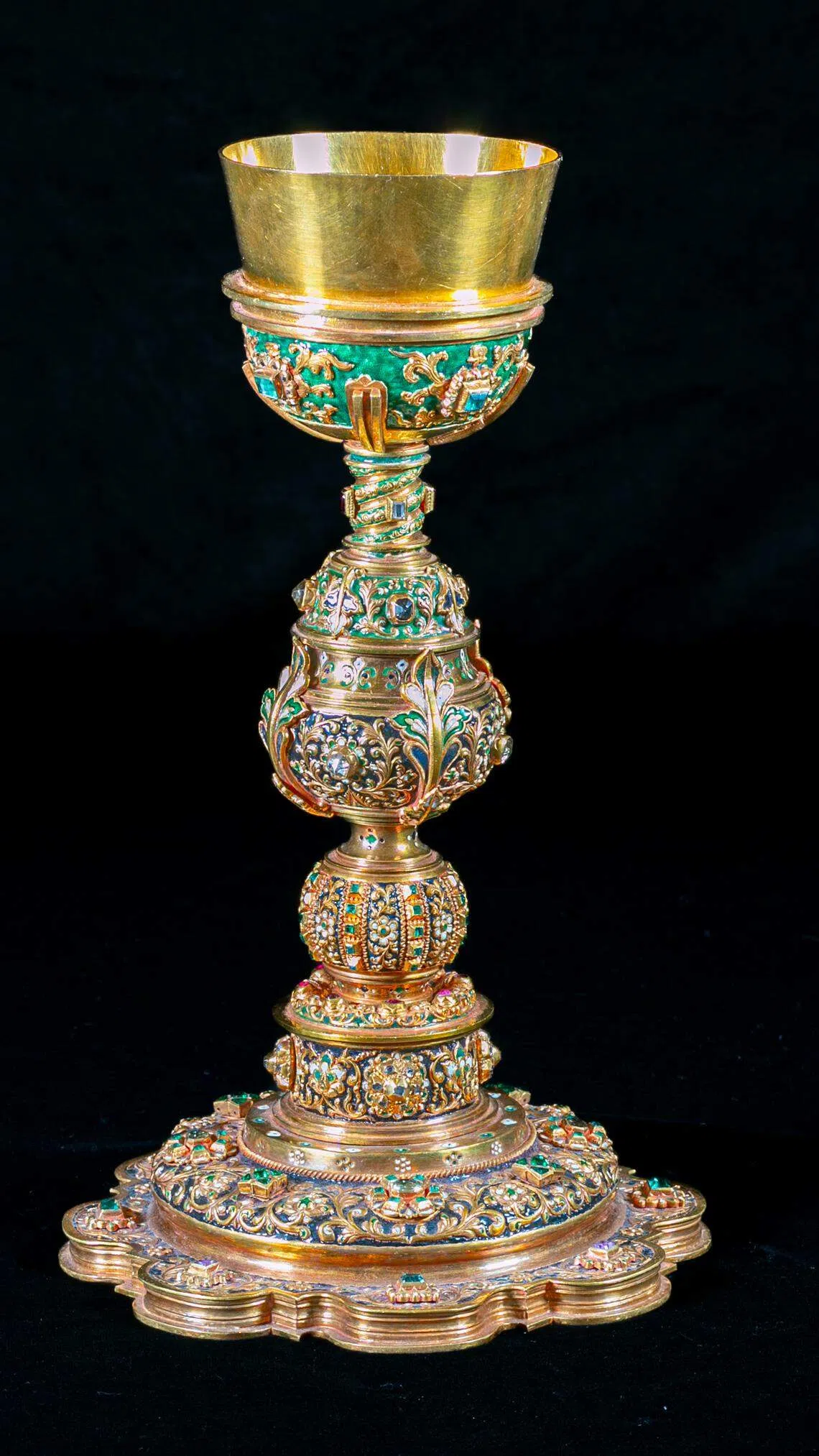
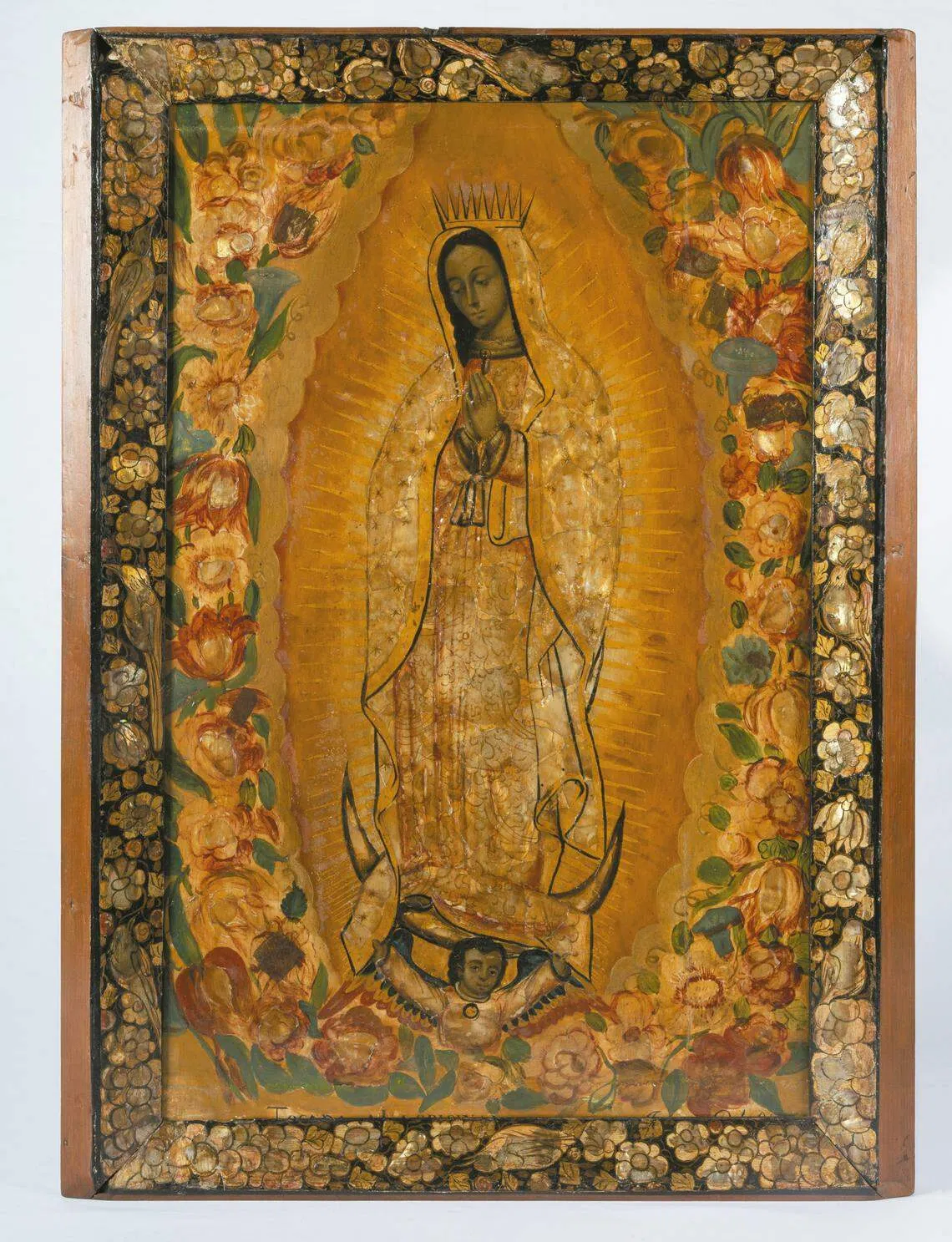
ACM’s captivating new show, titled Manila Galleon: From Asia To The Americas, centres on this extraordinary 250-year-long exchange of goods and cultural influences between the East and the West. The exhibition is a synthesis of history and art that features 140 exquisite objects on loan from individuals and institutions. These artefacts serve as portals to an era when skilled artisans and traders played pivotal roles in shaping the global exchange of goods and ideas.
These gorgeous treasures include a large and stunning folding screen with a view of Mexico City from the 1690s, a chalice adorned with precious stones from the late 17th century and a Mexican painting depicting the Virgin of Guadalupe from the early 18th century.
Meanwhile, objects from Asia include a delicately crafted Chinese silk shawl from the early 20th century, Virgin Mary ivory figures from the 17th century, and a wooden chest depicting a scenic view of Manila.
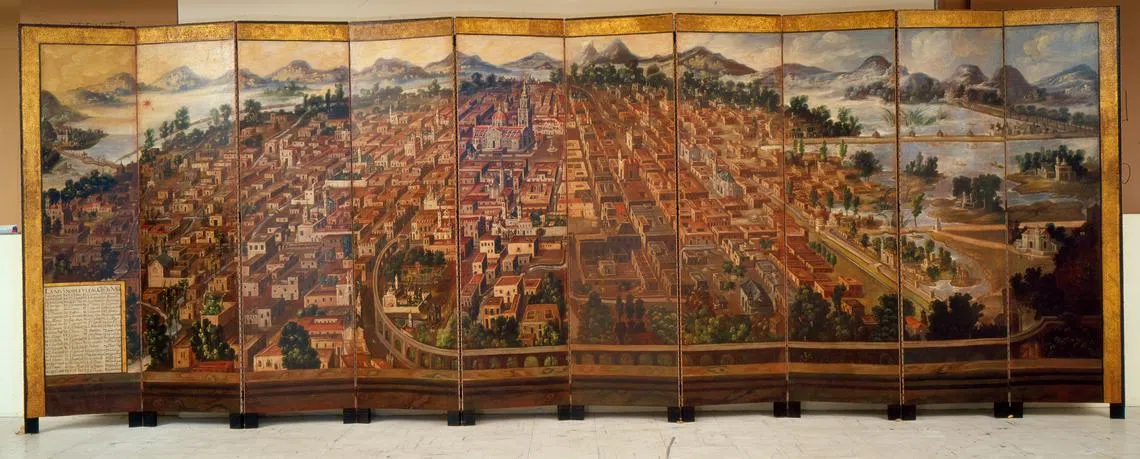
Through these rare objects, the exhibition offers glimpses of the rich cultural tapestry woven by diverse communities along the historic Manila-Acapulco trade route. These connections and influences continue to reverberate today.
Tropical: Stories from Southeast Asia & Latin America runs from now till Mar 24, 2024.
Manila Galleon: From Asia To The Americas runs from now till Mar 17, 2024.
Decoding Asia newsletter: your guide to navigating Asia in a new global order. Sign up here to get Decoding Asia newsletter. Delivered to your inbox. Free.
Copyright SPH Media. All rights reserved.
TRENDING NOW

Grab CEO’s wife Chloe Tong on life with Anthony Tan and finding her purpose
Three ex-employees of Envy group join Ng Yu Zhi in bankruptcy

He built the Vingroup empire. Now South-east Asia’s richest man is handing some key roles to his sons

If AI has a one-in-five chance of destroying us, what do we do with the remaining four?

