

London’s Battersea Power Station regains its energy
The iconic UK power station gets a new lease of life

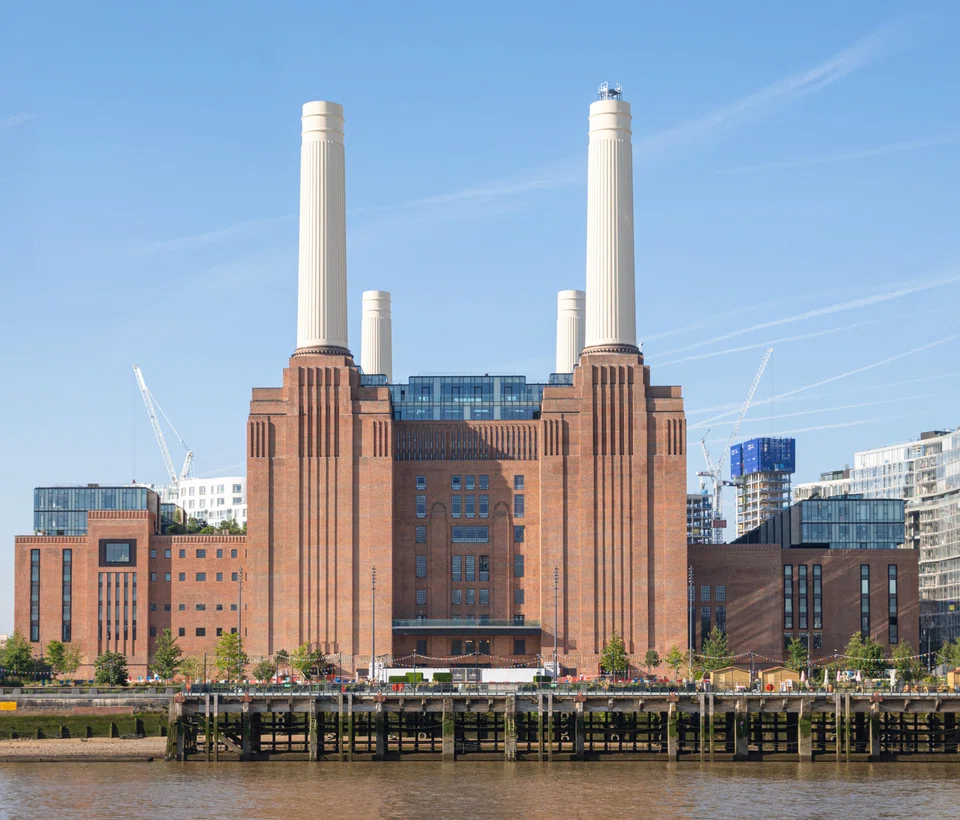
AT its peak, the Battersea Power Station in London produced one-fifth of the city’s electricity, including to notable landmarks such as Buckingham Palace, the Houses of Parliament, Carnaby Street and Wimbledon.
Work on the coal-fired power station began in 1929. It first generated electricity in 1933, from one turbine hall with two chimneys. With London needing more power, a second turbine hall was later built, with two more chimneys that were completed in 1955.
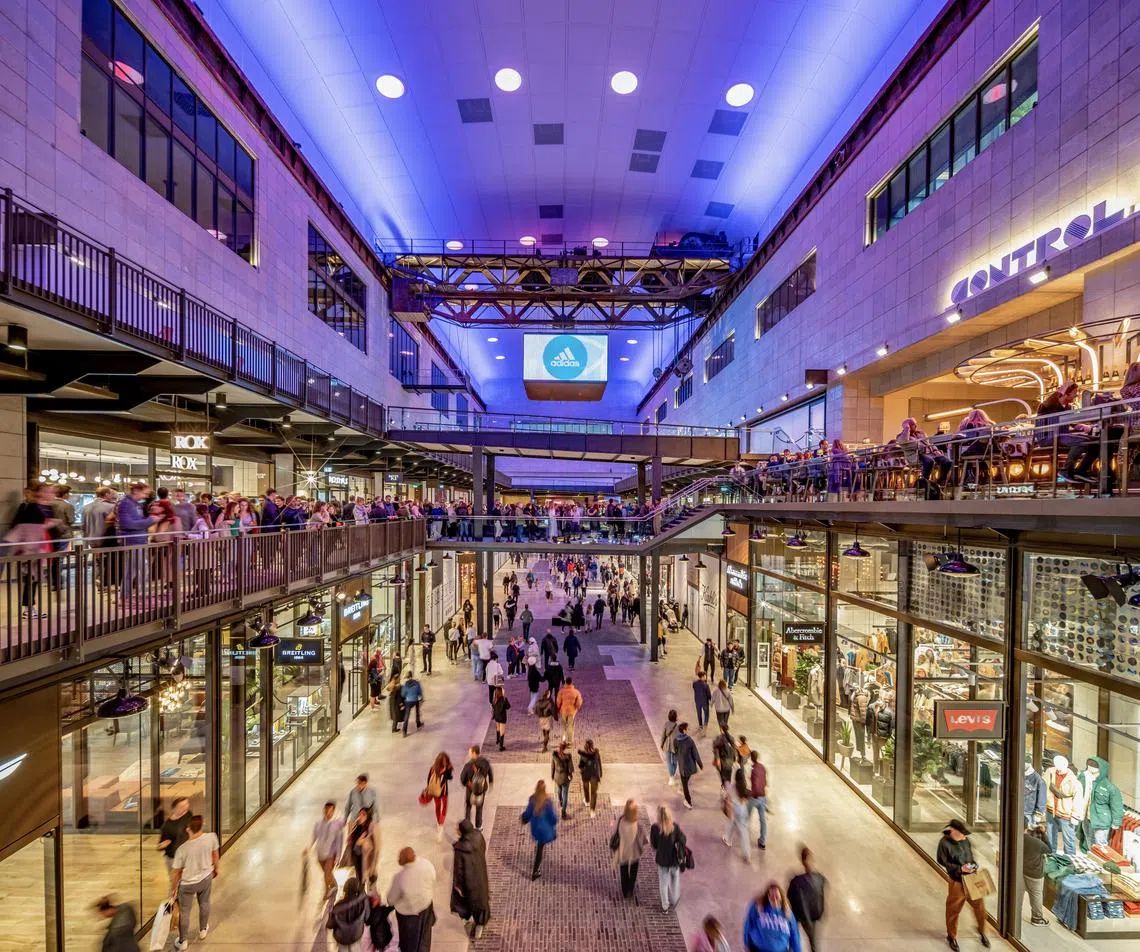
Today, however, the power station is fuelled by over 100 shops, restaurants and cafes, 254 apartments and over 500,000 sq ft of office space. In October, it opened its doors to the public, 39 years after the building was decommissioned.
Battersea Power Station is the centrepiece of one of central London’s largest, most visionary and eagerly anticipated new developments, transforming over eight million sq ft of former industrial brownfield site into a neighbourhood of homes, shops, cafes, offices and over 19 acres of public space.
The site is owned by a consortium of Malaysian investors comprising PNB, Sime Darby Property, S P Setia and the Employees’ Provident Fund; and regenerated to the tune of £9 billion (S$14.4 billion).
Renowned architecture firms including Foster + Partners, Gehry Partners, SimpsonHaugh and Partners and de Rijke Marsh Morgan Architects were involved in different phases of the project.

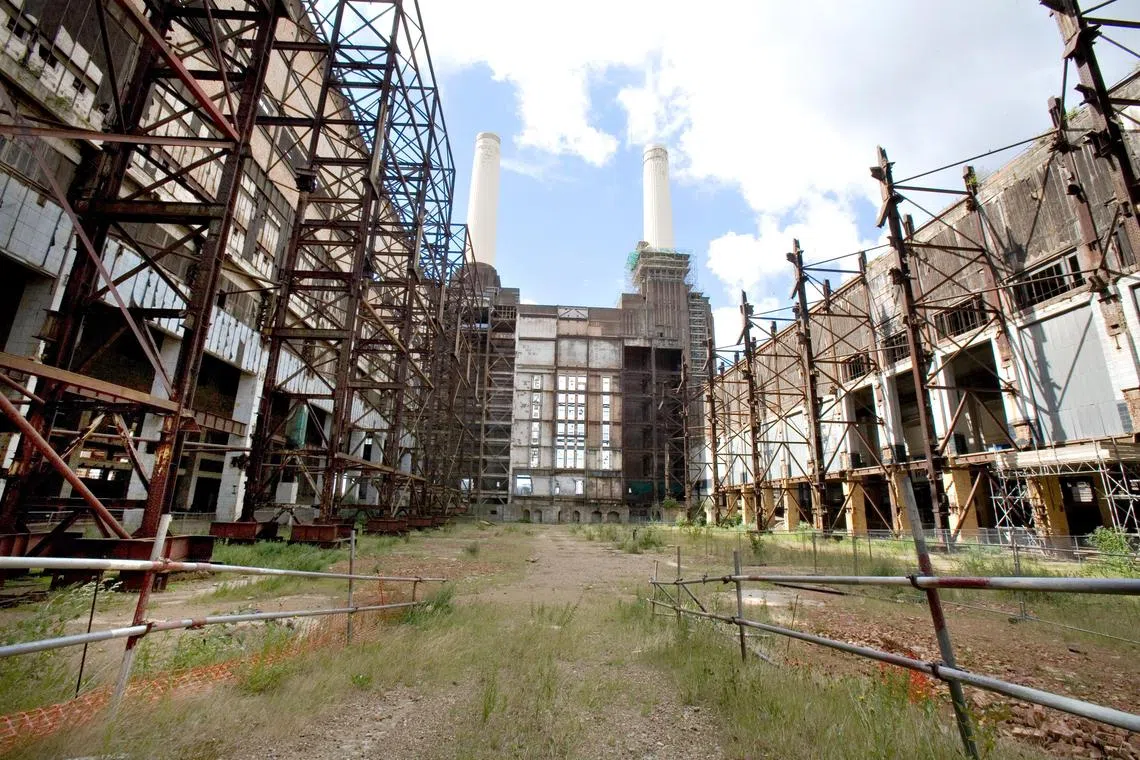
Getting the power station to its current state was no easy task. British architecture firm WilkinsonEyre took eight years to complete the restoration. In Singapore, the firm designed the two conservatories in Gardens by the Bay. “The scale of the restoration was the biggest challenge,” says architect Sebastien Ricard. “There was an item list detailing over 60,000 repairs that needed to be carried out, all of which had to be thoroughly thought out due to the scale of the building.”
Designed by Giles Gilbert Scott, one of Britain’s major architects, Battersea Power Station is Grade II* listed and is a seminal building of its period. The firm’s design of the new and restored features are consistent with and sympathetic to the original masterpiece.
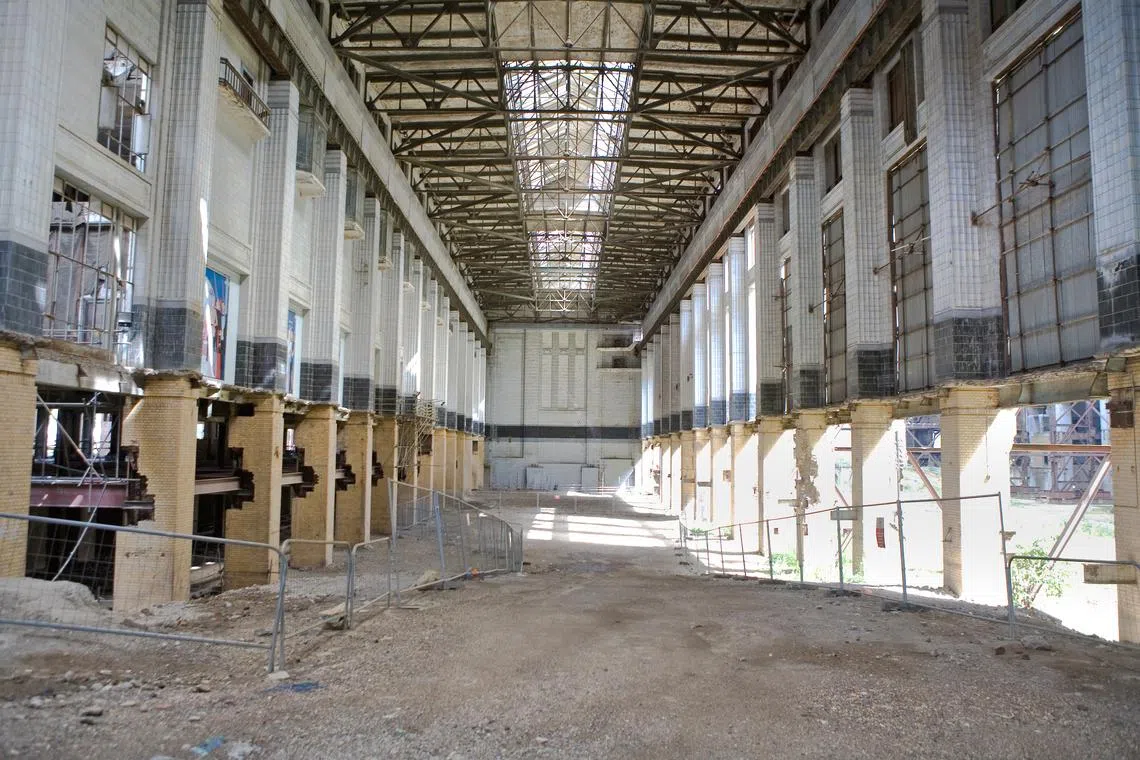
Ricard remembers that the building was in an appalling state since it was abandoned in 1983. The roof and upper wall of the Boiler House had been removed during one of the previous development attempts. “Most of the original equipment had been stripped out, but the best of the interiors – namely the turbine halls and control rooms – were largely intact and salvageable,” says Ricard.

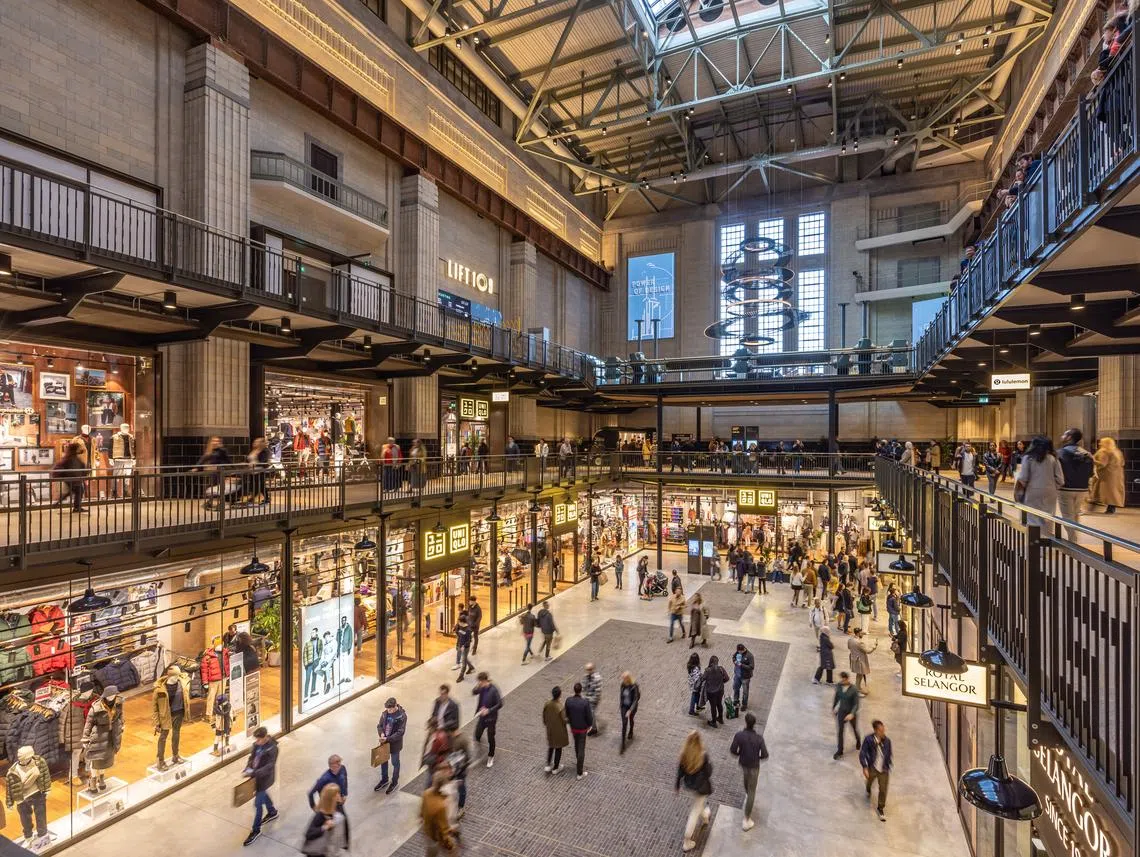
Under WilkinsonEyre’s care, all the interiors have been fully refurbished; additional galleries were brought into the turbine halls for their new use as retail areas. “But these have been appropriately designed to complement the period architecture,” says Ricard. The 1930s interiors are in an Art Deco style, while the 1950s interiors are more pared back but still of their time.
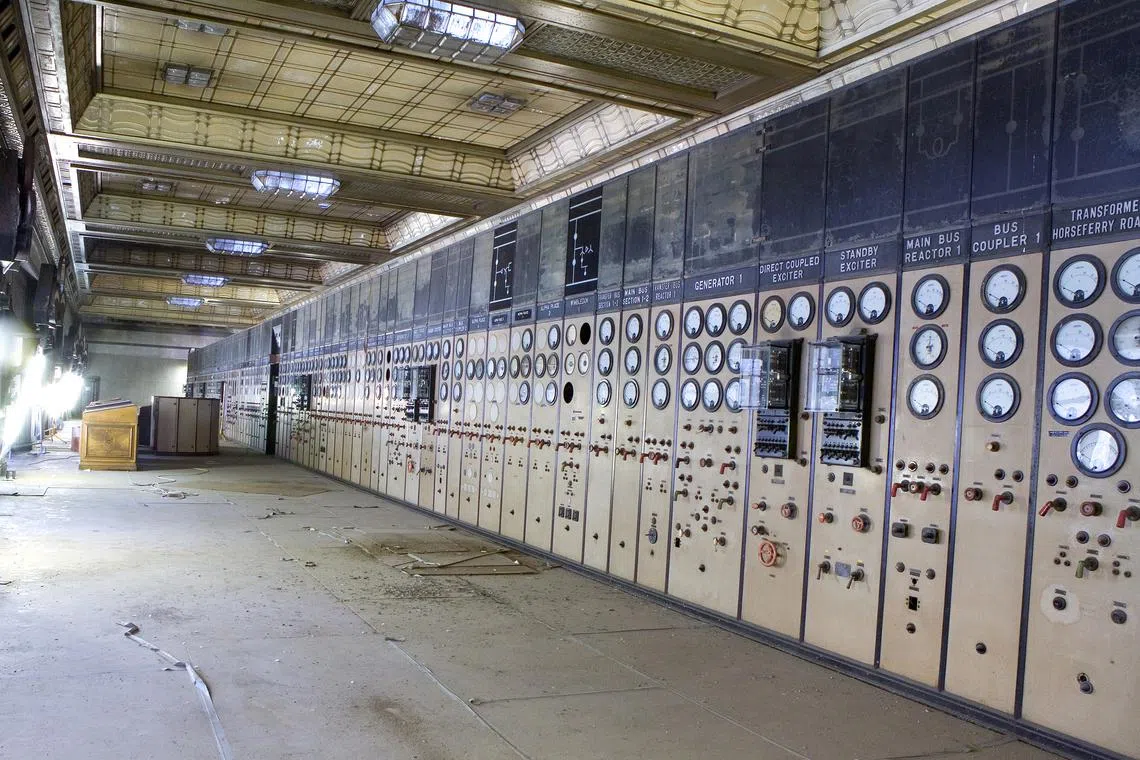
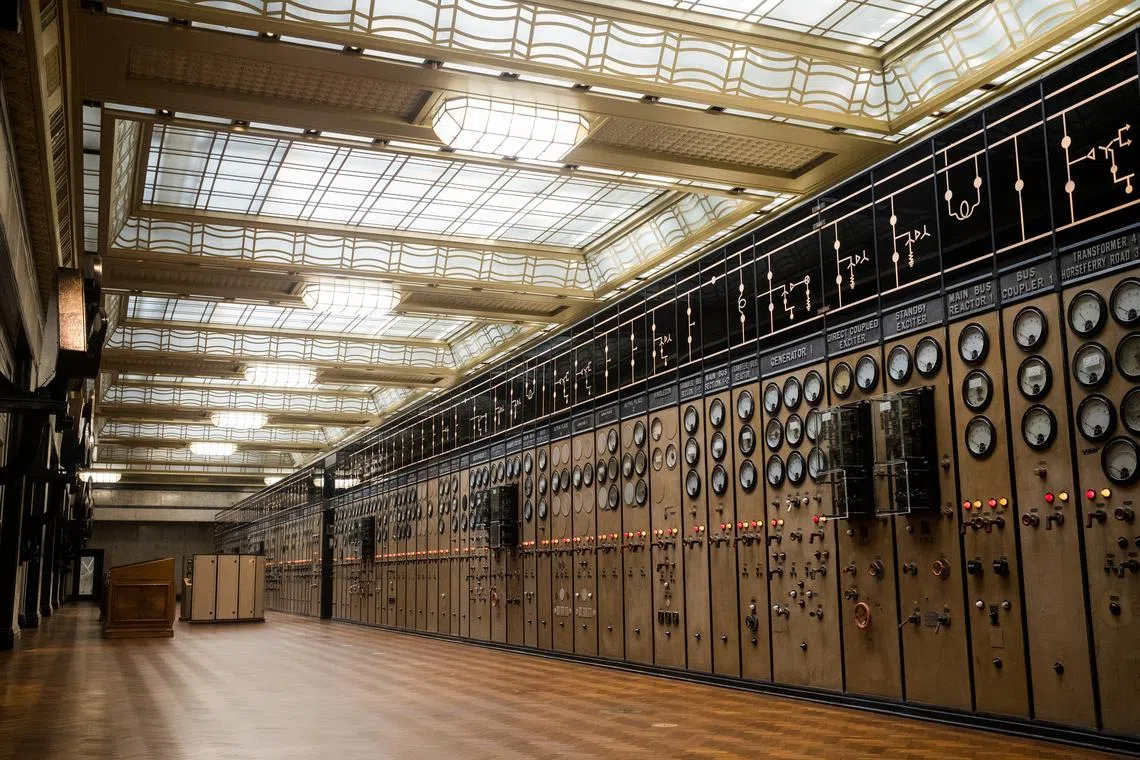
The control rooms have been restored to museum quality. Control Room A serves as an events space while Control Room B is an all-day bar. Ricard says: “It is fitting that the best of the historic interiors are the areas which the public can explore as a newly accessible part of London life.”
The building’s facade is also much talked about. Some six million bricks were used to construct the power station; and as part of the restoration, 1.75 million bricks were ordered from the original brick makers to restore the building.
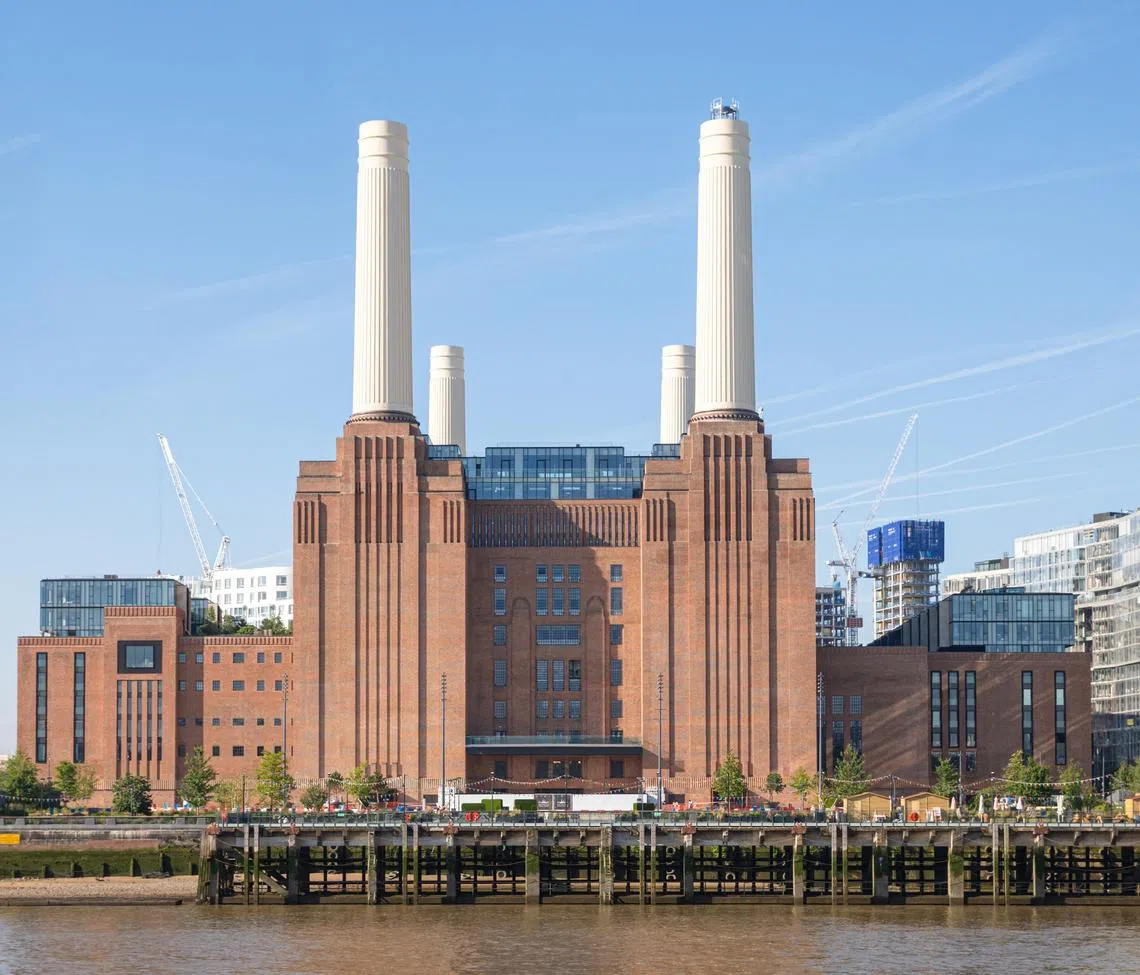
Then there was the issue of dealing with the four chimneys. The internal steel reinforcement in the chimneys had corroded, and their long-term safety could not be guaranteed. WilkinsonEyre rebuilt the four chimneys to the exact specifications of the originals from the 1930s and 1950s, using the original construction technique. One of the chimney houses a lift that takes visitors 109 m above the ground, with a 360-degree view of London. “As well as the large WilkinsonEyre architectural team, there was a much wider collaborative effort – from engineers to landscapers and contractors as well as the client body,” says Ricard. “The coordination has required a huge effort, but we are thrilled that this mammoth project has come together and delivered a building with such a positive impact for London, which the public can readily enjoy.”
Decoding Asia newsletter: your guide to navigating Asia in a new global order. Sign up here to get Decoding Asia newsletter. Delivered to your inbox. Free.
Copyright SPH Media. All rights reserved.
TRENDING NOW

Who is Leo KoGuan, the Singapore-based billionaire backing Nvidia’s Jensen Huang?

Demand, tech capabilities position Apac and AI as Skyscanner’s next growth frontiers: CEO Bryan Batista

Higher rates, weaker spending: Is the Philippines entering stagflation?

South-east Asia has lost Nvidia’s best salesman

