

The longer she reigns, the less wealthy Queen Elizabeth II looks
San Francisco
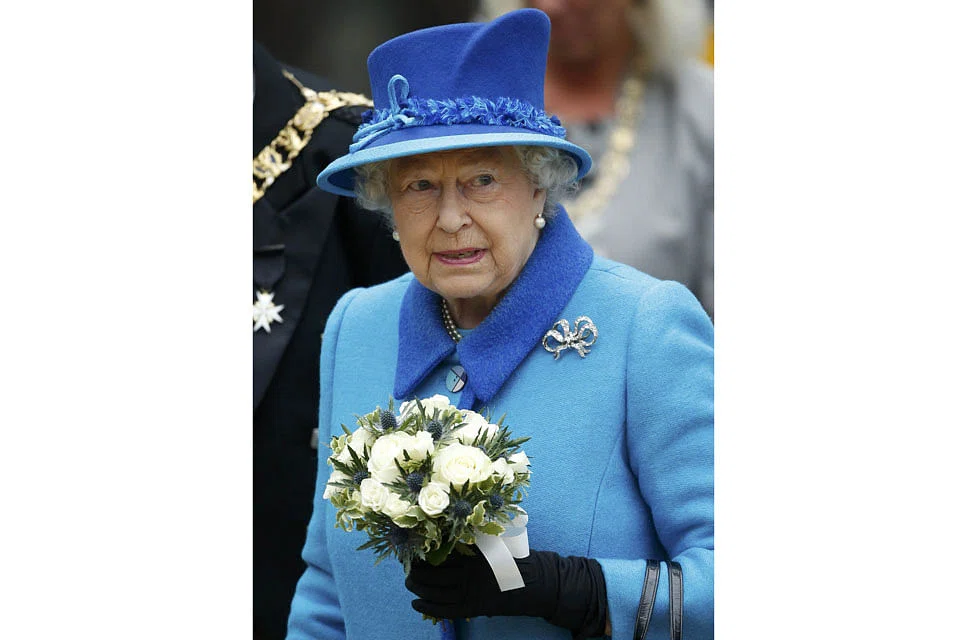
QUEEN Elizabeth II became the longest-reigning monarch in British history on Wednesday, and while her country might have lost influence in the world, she has ruled over an unprecedented period of wealth creation.
Besides the unwinding of an empire and the economic booms and busts, her time as head of state has been marked by the rise of the super-rich. The emergence of billionaire financiers, entrepreneurs and oil-rich sheikhs has left the woman who inherited one of the richest thrones in the world in 1952 a relative pauper a little over six decades later, albeit one with palaces, stables and an expensive stamp collection.
The 89-year-old's estimated personal fortune, largely inherited from her family, is about US$425 million, according to an analysis by the Bloomberg Billionaires Index. That's a mere 3 per cent of the wealth of the richest Briton, Gerald Grosvenor, the Duke of Westminster. Europe's richest woman, Liliane Bettencourt, has a US$32 billion fortune.
"The Queen is a steward of the monarchy," said Sally Bedell Smith, author of Elizabeth the Queen, a 2012 biography. "She's not as rich as everyone thinks she is."
The monarchy is still one of Britain's most valuable institutions, with a value of £57 billion (S$124 billion) to the UK, according to a report by brand valuation and strategy consultancy Brand Finance. The figure includes contribution to the economy through tourism and such things as the effect of royal babies on fashion brands.
However, its £20 billion of tangible assets, including Buckingham Palace, the Crown Jewels and the Royal Art Collection, are held in trust for future generations and aren't the Queen's private property.
While precise details of her personal fortune are as closely guarded as the Crown Jewels, the Bloomberg Billionaires Index calculates she holds US$75 million of investments, US$160 million of assets inherited from her mother, personal property of US$110 million, a US$75 million stamp collection and the US$10 million rated Royal Stud. The Palace declined to comment on the Queen's net worth.
The value of her investment holdings is derived from a statement by John Colville in the Times of London in 1971, a director at Coutts & Co, the Queen's bank, which estimated her fortune at £2 million. Its appreciated value is calculated from an investment allocation of stocks, bonds, commodities and cash that's averaged about 5 per cent a year over the last 25 years. That's in line with returns typically targeted by similarly wealthy investors.
"In my experience, a conservative family portfolio would look to achieve a 5 to 7.5 per cent annual return over this time period," said Richard Wilson, chief executive officer of the Miami Family Office, a single family office with US$500 million in assets.
The Queen inherited her mother's £70 million estate in 2002, according to a report by BBC News at the time. The reported value has been adjusted by the UK's rate of inflation to account for any increase in the value of the assets.
She also owns the Balmoral and Sandringham estates, which are valued based on discussions with London-based Charles McDowell, founder of prime real estate broker Charles McDowell.
The stamp collection of her father, George VI, is valued based on the sale of John du Pont's stamp collection in June 2014 and discussions with Keith Heddle, managing director of London-based Stanley Gibbons Investments.
Her stable, which has about 25 horses in training each season, according to the British Monarchy's official website, is valued based on sales data from horse auctioneer Tattersalls and discussions with thoroughbred analyst Nancy Sexton. The stud's stake in the stallion standing at Sandringham is valued based on guidance from bloodstock analyst, Bill Oppenheim.
Her Majesty could be worth more. Other assets, including a flock of racing pigeons, jewellery and a lifetime of gifts from visitors and admirers could add to her fortune. Moreover, the royal provenance of her estate could push its market value much higher. Even so, the Queen's reign has seen her steadily slip down the rankings of Britain's richest people.
As of Sept 9, Elizabeth Alexandra Mary has been queen for 63 years and 216 days. She overtakes her great-great-grandmother, Queen Victoria, who cemented Britain's position as a superpower with an empire spanning almost a quarter of the world's land area.
That status diminished after the two world wars before Britain's economy went through a transformation from state-owned industry to the free-market capitalism of the 1980s and 1990s.
What followed was an historic era for wealth generation, with self-made billionaires building fortunes of more than US$3 trillion since 1995, according to a May report by UBS Group AG and PwC. That's seen the Queen leapfrogged by British billionaires such as Virgin Group founder Richard Branson and retailer Philip Green.
Property prices also skyrocketed, especially in London and the southeast of England as salaries and bonuses in the City financial district took off. The number of millionaires in the UK, at least on paper, has jumped 41 per cent to 715,000 in the past five years alone, according to a report by Barclays plc.
The Crown Estate, which owns London property, the UK seabed as well as forests, wind farms and the Windsor Estate, reported net assets of more than £11 billion in its latest annual report.
Bloomberg didn't include the Queen's 15 per cent share of profits from the estate in her fortune because the money is used to cover palace upkeep, payroll and other costs of the Royal family.
At least the Queen is able to enjoy - if not own - the Royal palaces, land and the art collection, landmark assets that would be the envy of any billionaire.
Buckingham Palace with its 775 rooms and 40-acre garden could be worth about £2 billion were it ever sold, according to Ollie Hooper, founder of luxury residential broker Huntly Hooper.
"Priceless is perhaps more accurate," he added. "Given the nature of the asset." BLOOMBERG
Share with us your feedback on BT's products and services
TRENDING NOW

He built the Vingroup empire. Now South-east Asia’s richest man is handing some key roles to his sons
US dollar falters after Iran’s offer to reopen Hormuz sends oil lower

Temasek’s Wan Chee Foong to helm PIL, Lars Kastrup to be board adviser
Despite the de-dollarisation debate, demand for dollar liquidity in Asia is growing

