

Making a complex subject entertaining
The Big Short depicts the events that led to the moment in 2008 when the US sub-prime mortgage market's collapse triggered a crisis.
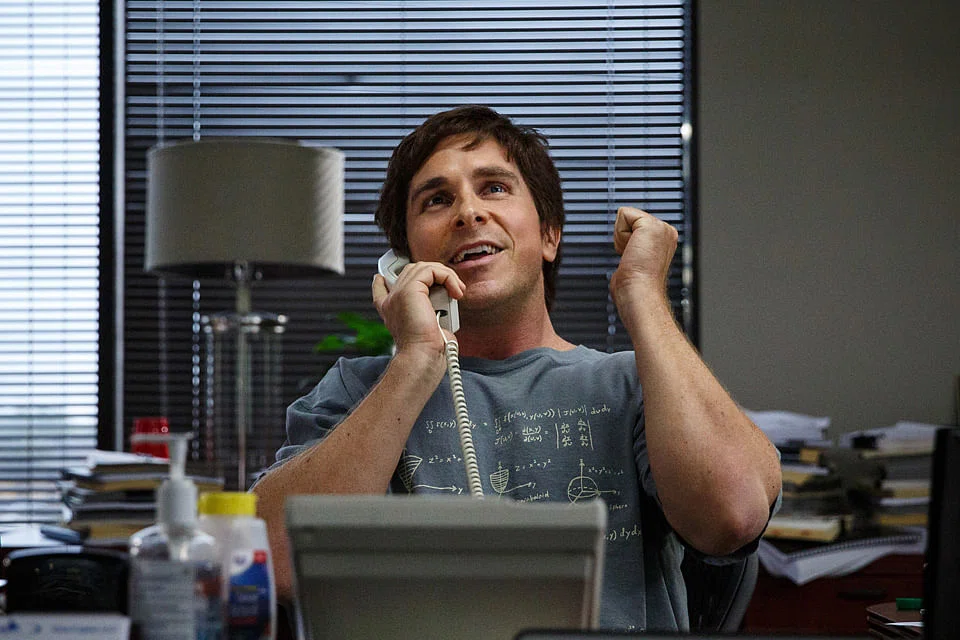
THE Big Short takes a seriously complex real-world subject and turns it into an Economics 101 session by using humour and other novel means to depict in layman's terms how a few well-placed number crunchers, realising that the US housing market was supported by bad loans, predicted an inevitable meltdown and made a fortune by betting against the market.
Making light of a global financial crisis in which thousands of people lost their homes, jobs and life savings is a risky business but director Adam McKay, who also wrote the script with Charles Randolph, forgoes the conventional approach for something completely different. We get an entertaining movie in return.
In September 2008, US investment bank Lehman Brothers filed for bankruptcy, becoming merely the most prominent victim of a crisis triggered by the collapse of the sub-prime mortgage market, when borrowers defaulted on their housing loans in droves. The Big Short depicts the events that led to that moment by following several characters who were caught up - in one way or another - in the financial storm.
Michael Burry (Christian Bale) is an unorthodox fund manager (he wears flip-flops and listens to loud heavy metal music in the office) who finds value where others see only folly. After much research, he concludes that mortgage-backed securities are extremely risky and bets - using up to US$1.3 billion of his clients' money - that the housing loan market is destined to go belly up. Burry proposes creating a credit default swap (CDS) market with several banks - who willingly take the bait.
Once in a while The Big Short, which is based on the book of the same name by Michael Lewis, cuts away from the story to a random celebrity who conducts a quick lesson in financial-speak. So it is that Margot Robbie suddenly appears, soaking in a bubble bath and sipping champagne, to explain how a CDS works - chances are she'll have our undivided attention. Later on, Anthony Bourdain gives us the lowdown on collateralised debt obligations (CDOs).
The movie's narrator, Wall Street trader Jared Vennett (Ryan Gosling), also speaks directly to viewers, giving us timely updates and useful information about people and events, just in case we missed anything. For the most part, the gimmickry works in the film's favour.
Meanwhile, hedge fund manager Mark Baum (Steve Carell) - an obnoxious type with zero social graces who happens to be brilliant at his job - gets wind of the impending market collapse. Unable to fathom the enormity of the situation and how the banks and the government could possibly allow such a catastrophe to happen, he nevertheless instructs members of his team to confirm the existence of a housing bubble. "The banks got greedy, and we can profit from their stupidity," he says.
A third group of investors, comprising young guns Jamie Shipley (Finn Wittrock) and Charlie Geller (John Magaro) and their mentor, retired banker Ben Rickert (Brad Pitt), also hope to profit by going the CDS way. They visit a mortgage securities gathering in Las Vegas and talk their way into a deal.
The most disturbing thing about The Big Short is that most - perhaps all - of the events depicted actually took place. Ignorance and greed ran rampant, institutions behaved irresponsibly and a huge black cloud descended on the markets, wiping out billions and ruining lives.
How could it have happened? Perhaps people chose to ignore the warning signs. The film proffers a simpler (and wholly believable) explanation, repeating a conversation overheard in a Washington, DC bar: "Truth is like poetry - and most people (expletive deleted) hate poetry."
Rating: B
Share with us your feedback on BT's products and services
TRENDING NOW

He built the Vingroup empire. Now South-east Asia’s richest man is handing some key roles to his sons

32 companies, 6 individuals bag accolades at Singapore Corporate Awards 2026

Can a first-time homebuyer couple earning S$18,000 a month afford a new EC unit?

Floods compound Philippine growth woes from public-works scandal

