

Marvel superheroes return to Chinese cinemas
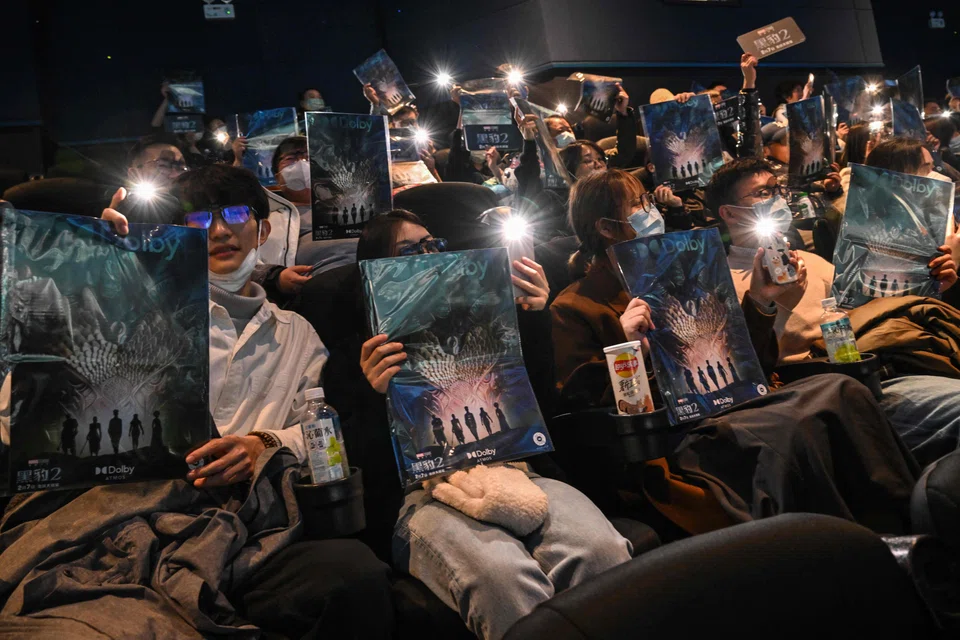
MARVEL’S superheroes returned to China’s massive movie market after an apparent ban of nearly four years on Tuesday (Feb 7), with fans streaming into cinemas to watch Black Panther: Wakanda Forever.
The Disney-owned studio’s hugely popular franchises had been absent from one of the world’s biggest movie markets since 2019, without any explanation.
Marvel blockbusters have raked in billions of dollars globally. Their return to China means hundreds of millions more in potential earnings for Disney – the first Black Panther film alone took in US$105 million at Chinese cinemas.
“I’m super excited,” said a woman named Chen, who was beaming as she lined up to enter a packed Shanghai cinema for the midnight premiere of Wakanda Forever.
“I’ve had to use streaming sites to watch the last couple of movies... But I hope this means I’ll watch Marvel movies more often in cinemas now.”
The end of China’s apparent block on Marvel films coincided with its loosening of the strict zero-Covid policies that had disrupted its entertainment industry for years. The government also recently eased a tech crackdown, including on the lucrative gaming sector.

Hospital worker Kun said: “Because of Covid, it’s already been a long time since we’ve been to the cinema.” The 25-year-old was at the Shanghai cinema with his friends to watch Wakanda Forever.
“We still have to work tomorrow, but it’s a rare opportunity – so we came here.”
For one mother-and-son duo, the return of Marvel revived a family tradition: “He’s always been a Marvel fan – during the Avengers series, we would always watch the midnight screening,” said Lin Fan, who was with her visibly excited 13-year-old son Jiang Xiaoyi.
Next up for Chinese Marvel fans is Ant-Man and the Wasp: Quantumania, set for release on Feb 17.
The last Marvel film released in the country was Spider-Man: Far from Home, in July 2019. The China Film Administration did not give a reason for the absence of Marvel films from cinemas that followed. The agency is affiliated with the Communist Party’s propaganda department.
During the de facto ban, Disney declined requests to remove references to same-sex relationships in Marvel films, including Eternals and Doctor Strange in the Multiverse of Madness.
However, the global media giant also faced accusations of bending to Beijing’s will. Its remake of Mulan faced boycott calls after it emerged that some scenes were filmed in China’s Xinjiang. Widespread rights abuses by the Chinese government against the province’s Muslim population have been widely documented.
And two episodes of the popular animated show The Simpsons were made unavailable on the company’s Disney+ streaming service in Hong Kong: one that referenced the 1989 Tiananmen Square crackdown, and another mentioning “forced labour camps” in China. Regulators and Disney have not publicly commented on the apparent restriction of these episodes.
Disney is not the only company accused of bowing to censorship requirements in China, a multi-billion-dollar media market.
A 2020 report by the anti-censorship group Pen America said Hollywood studios changed scripts, deleted scenes and altered other content to avoid offending Chinese authorities. It added that studios had to completely avoid topics such as Hong Kong, Taiwan, Xinjiang, and the portrayal of queer characters. AFP
Decoding Asia newsletter: your guide to navigating Asia in a new global order. Sign up here to get Decoding Asia newsletter. Delivered to your inbox. Free.
Share with us your feedback on BT's products and services






