

Melding art and design
Artist Ron Gilad turns his hand to designing furniture in a process that deconstructs traditional furniture construction.

LIKE many good artists, Ron Gilad, 42, does not really care what the viewer thinks. "I am very, very selfish. I am not trying to satisfy anyone but myself," he says.
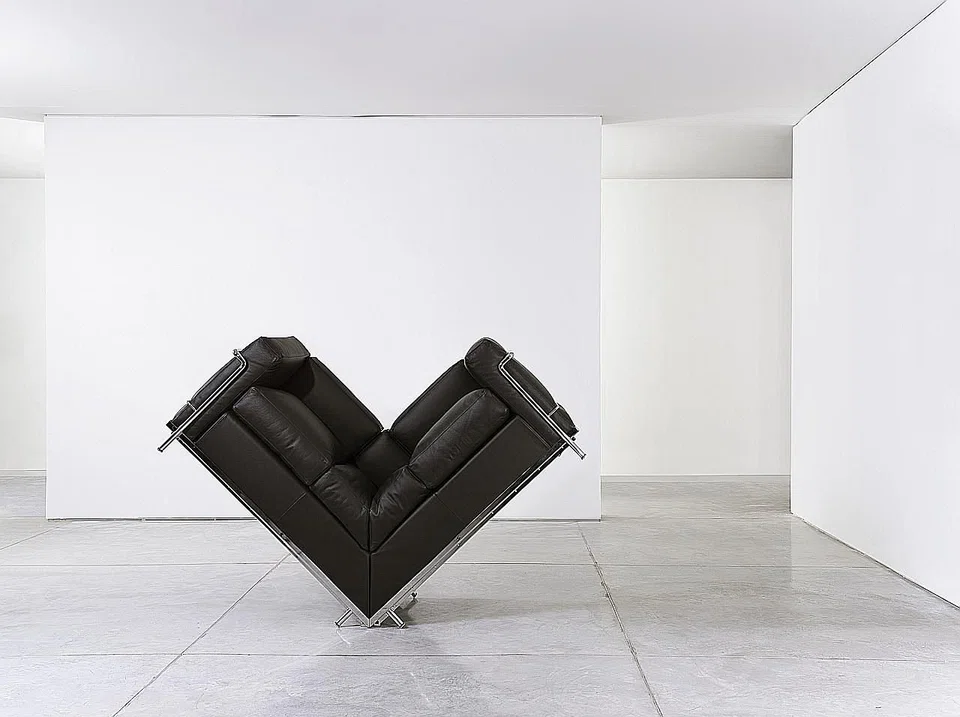
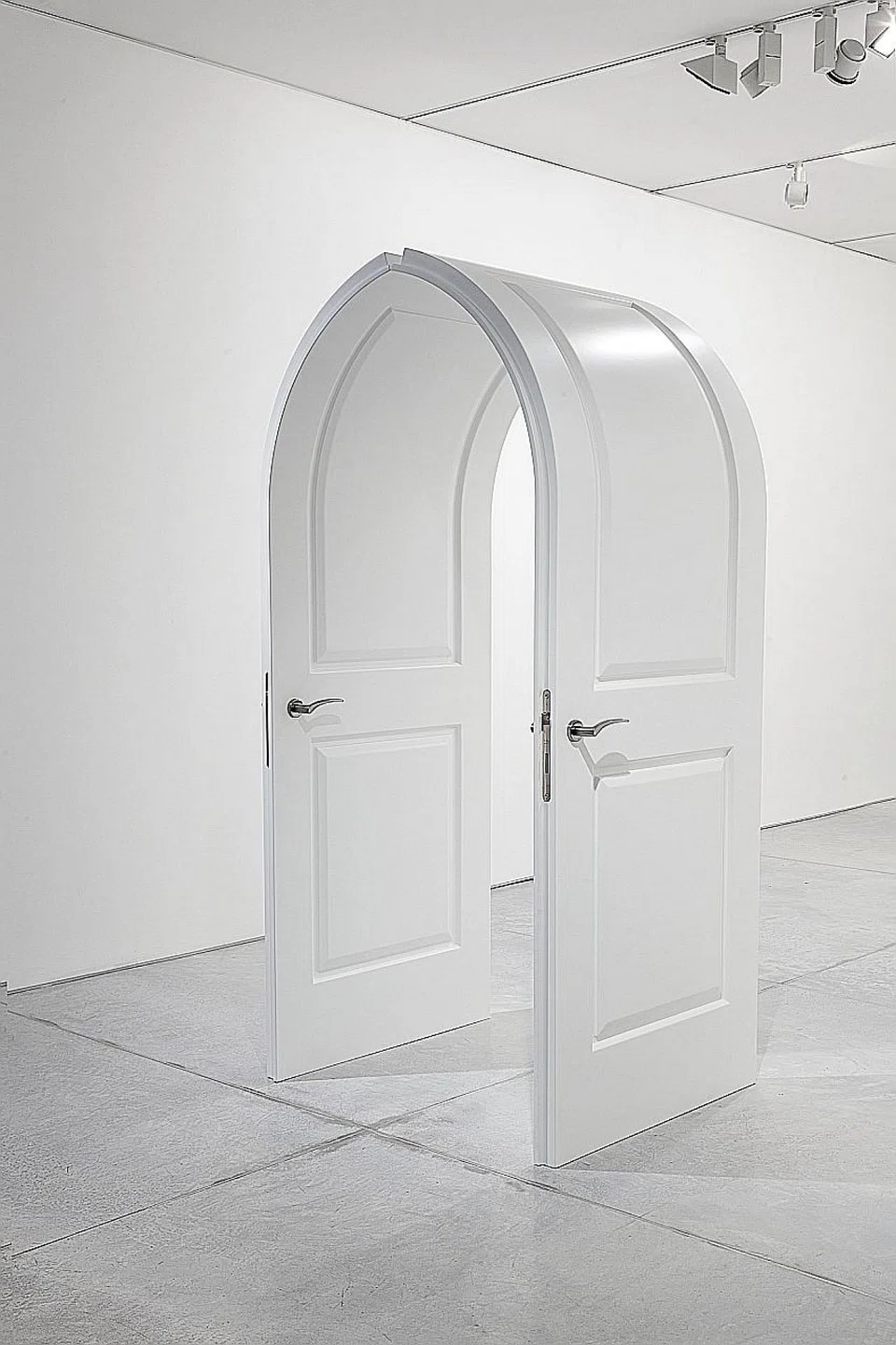
In an exhibition of his works in Tel Aviv, where he was born, it was very clear that the art on display came from a very personal place. Called The Logical, The Ironic and the Absurd (2013), the exhibition at the Tel Aviv Museum of Art challenged the viewer to question the notion of home by reassessing everyday objects of domesticity. A simple door for instance, which may suggest a sense of exclusion along a boundary (or border), became a triumphal arch signifying free passage instead. Gilad also chose to deconstruct Le Corbusier's iconic LC2 sofa, itself a symbol of the egalitarian Modern Movement of the 1930s, by snapping it in two to create what looks like a dystopian heart.
By way of explaining his preoccupation with symbolism, he says: "I still haven't found a place that I can call home. These are attempts for me to create spaces dealing with architectural details - a way to escape in my mind the places that don't actually exist but have been converted into sculptures."
That Gilad's art can stand on its own is without doubt. His works are in the collections of museums such as the Museum of Modern Art in New York. But as thoughtful, provocative and poetic as the works are, would you want this artist to design your coffee table?
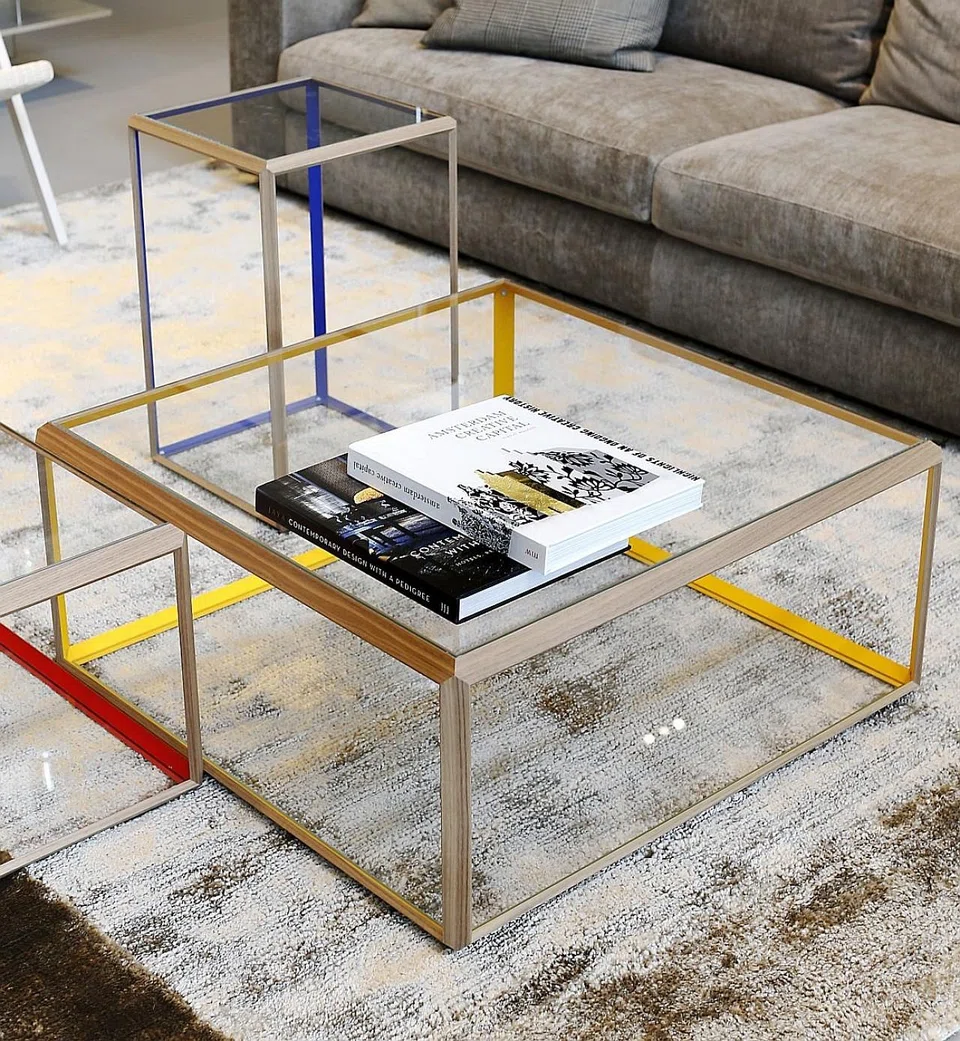
To this end, high-end Italian furniture company Molteni & C has presented consumers with a fait accompli with the launch of Gilad's Grado Collection, available from high-end furniture retailer, Macsk, that includes coffee tables, bed frames and cabinets.
With such an extensive range of furniture, the question of whether art can be functional (or if furniture can be art) is almost rhetorical. Yet at these prices - the large Grado Tavolino coffee table costs S$3,895 - perhaps consumers deserve an answer. Asked where he draws the line, Gilad replies simply: "I think that one discipline feeds the other."
Prodded further, it becomes clear that Gilad does not really like to make a distinction between art and design. "I don't like to use the word design. The starting point of an idea is not necessarily related to Molteni or any company. It's an attempt for me to understand things better or confuse myself more. I don't distinguish between the two when I start a project," he says.
And the starting point for the Grado Collection is as conceptual as any work of art. "It started with the research of what is the point where three lines meet," he says enigmatically. As simple as this may sound, it actually belies the thought process that went into how Gilad deconstructed traditional furniture construction to re-imagine the coffee table. This he did by first looking at a standard rectangular table, typified by the four sharp corners of a frame usually made of square sections of wood or steel. Noting that the corners are defined by the three edges (or lines) of the frame, Gilad then found that if he simply rotated the individual sections of the frame by 45 degrees, the sharp corners disappear and in a conceptual sense, so does the traditional coffee table.
Anyone looking to buy a Grado coffee table will almost certainly not be too bothered about its existential origins. And to some degree, neither is Gilad - "I am currently reading Descartes for the third time and I am still not understanding it," he confesses with a rare laugh. He also read Friedrich Neitzsche in his youth but says he does not consciously follow any "philosophical rules".
Indeed, philosophy does not seem to be a driving force behind Gilad's work. If anything, it is deeply psychological. "The driving force is insecurity and doubtfulness; dissatisfaction. It's not coming from a place where my life is beautiful. It comes from deep negative, pessimistic places," he confides.
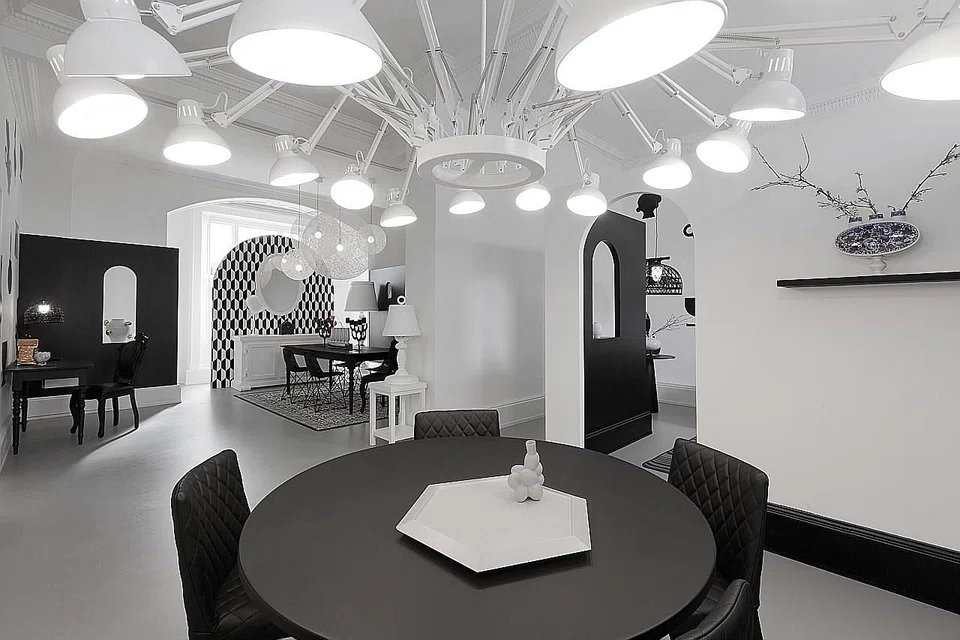
It is a surprising revelation because there are, on occasion, signs of whimsy in his work, such as in his chandelier fashioned out of angled work lamps for Dutch hipster furniture brand Moooi, from Space Furniture. But the chandelier, called Dear Ingo, appears to have been created in a brief moment of levity because most of Gilad's body of work, like the man himself, is wrought with tension and introspection. "I do want to reach a point where I am peaceful and happy but there is something very addictive about this feeling of being on the run," he says, itching to bolt.
Share with us your feedback on BT's products and services
TRENDING NOW

Simba admits exceeding spectrum limits amid failed M1 deal; parent company Tuas’ full-year profit surges 277%

He built the Vingroup empire. Now South-east Asia’s richest man is handing some key roles to his sons

What’s on the agenda when Xi and Trump meet in Washington

Ex-execs of CW Group, Allied Tech charged with offences linked to lawyer’s S$76 million misappropriation

