‘The Menu’ serves fine dining on a skewer
 Add BT as a preferred source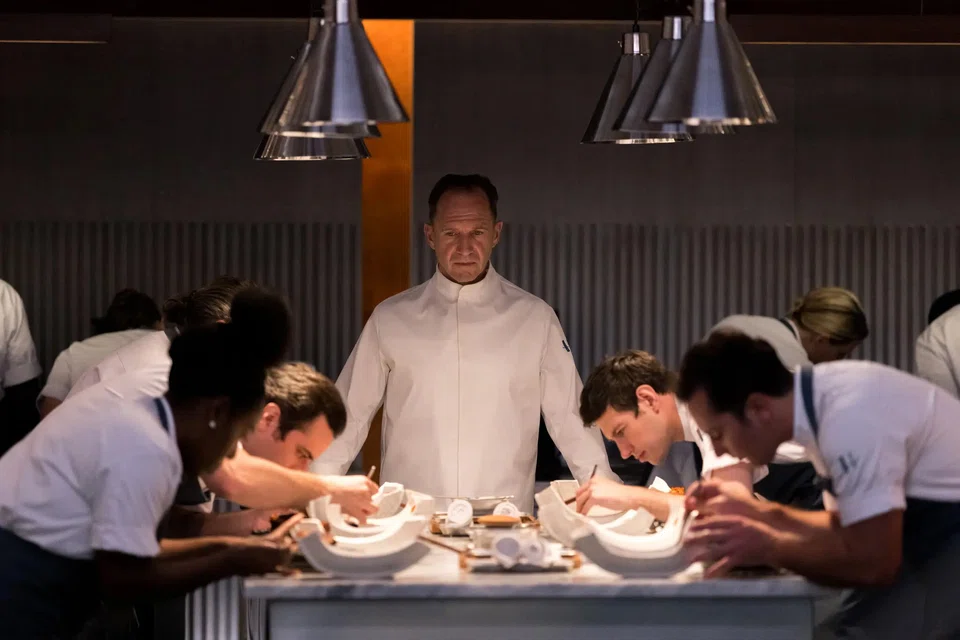
DeeperDive is a beta AI feature. Refer to full articles for the facts.
IS the new thriller The Menu a parody of the state of fine dining? You’d think so: A small group of people pay astronomical sums to be isolated on an island, fed ingredients that wash up on the beach by employees who are trapped there, and subjected to the hospitality of a creative visionary who is secretly filled with rage.
Yet much of this is a reality in the top tier of modern restaurants, a world that has become a fascination of popular culture.
The movie is billed as “black comedy horror,” but the horror that stalks this Agatha Christie-style island is not gore; it’s gastronomy. Anyone who has ever felt trapped in a “chef’s tasting,” whether of four or 40 courses, will recognise the roller coaster of claustrophobia and euphoria, satiation and starvation that is The Menu.
In interviews with the people who dreamt up the food in the film, the consensus was that the tropes of modern fine dining are so extreme that there’s little need to exaggerate them.
“The more serious you are about something that seems silly, the funnier the work gets,” said the film’s co-writer, Will Tracy, who knows something about parody, having written for The Onion for many years with his creative partner Seth Reiss.
The film, which debuted in theatres last week, stars Ralph Fiennes as chef Julian Slowik; Nicholas Hoult as Tyler, the pretentious sycophant who worships him; and Anya Taylor-Joy as his dinner date, Margot, the pragmatist who punctures the balloon.
Navigate Asia in
a new global order
Get the insights delivered to your inbox.
“You’re the customer, you’re paying him to serve you,” Margot says matter-of-factly to Tyler, who is in a panic about having offended the chef by taking forbidden photos of each course. “It really doesn’t matter whether he likes you or not.”
Hawthorn, the fictional restaurant, is a mash-up of haute-rustic destinations like Noma in Copenhagen; Blue Hill at Stone Barns, north of New York City; Mugaritz in the Basque Country; the Willows in the Pacific Northwest; and chef Francis Mallman’s private island off the coast of Patagonia. These restaurants, adored by critics and awards panels, and visited mainly by wealthy gastro-tourists, are places where – according to their own literature – chefs are not cooks but “storytellers” about “time and place,” who are not merely feeding people but “weaving a tale of senses, gestures and emotions.”
Hawthorn is at the opposite end of the restaurant spectrum from the sandwich shop in last summer’s lovable The Bear, about an ambitious young chef called home to run his family’s chaotic business, where he introduces the phrase “yes, chef” to build respect and camaraderie in the kitchen. In The Menu, when “yes, chef” is demanded by the tyrannical Slowik, it rings of subservience, intimidation and gaslighting.
On the night of the action, Hawthorn is filled with every kind of loathsome, privileged customer: know-nothing finance bros, wealthy regulars who love the access but hardly notice the food, investors with “suggestions” about the menu, celebrities who expect VIP treatment and preening journalists who take credit for putting a restaurant “on the map.” (Ouch.)
Worst of all is Tyler, the needy, aggressive know-it-all who has watched every episode of Chef’s Table on Netflix “two or three times,” and can’t help showing off that he knows what a Pacojet is (an expensive countertop freezer that makes ice creams, sorbets and snows).
The director, Mark Mylod, said he knew little about this elite corner of the culinary world before working on the film, having grown up working-class in the southwest of England, then working primarily on remote sets for shows like Succession and Game of Thrones. On shoots in Europe, he said, he had tried restaurants like the one in The Menu, and generally felt out of place and underfed.
The plot holds many outlandish twists, but the food – like a “breadless bread course” of dips and emulsions – is all too real.
Many details weren’t written for laughs, but lifted from actual restaurants. The spice racks are replicated from the kitchen at the Spanish restaurant El Bulli (now closed), housemade granola in gift bags are a nod to Eleven Madison Park and the notion of the “perfectly unripe” strawberry is from the chef René Redzepi of Noma.
A course of a single raw scallop perched on a craggy rock and surrounded by carefully tweezed seaweed and algaes is virtually indistinguishable from an actual dish at Atelier Crenn, a San Francisco restaurant with three Michelin stars. This is not a coincidence: the chef, Dominique Crenn, was brought on to design the dishes in the 10-course meal and to make sure that other culinary details rang true.
She said she identified with Slowik: with his intensity, his vulnerability, his frustration. “We work 18 hours a day, every day, under pressure to feed thousands of people a perfect meal,” she said. “And one person can walk into the restaurant and put you down, or a writer can judge you for using too much salt.”
Mylod said that re-creating a modern fine-dining kitchen was surprisingly disturbing. Long hours, sexual harassment and verbal abuse are among the horrors inflicted by Slowik and the system he represents. “We were reading the exposé as we were shooting,” he said of the New York Times’ reporting on the Willows, a restaurant on a remote island in Washington state.
“The people who work in that restaurant are expected to maintain this extraordinary level night after night,” he said. “I get to say ‘wrap’ at some point and go home, but they never seem to get that kind of break.” NYTIMES
Decoding Asia newsletter: your guide to navigating Asia in a new global order. Sign up here to get Decoding Asia newsletter. Delivered to your inbox. Free.
Share with us your feedback on BT's products and services