Minds opens Regional Hub, revamps model to enhance employability of PWIDs
The one-stop hub will integrate the full suite of services, which comprise employment development, lifelong learning, support and care
 Add BT as a preferred source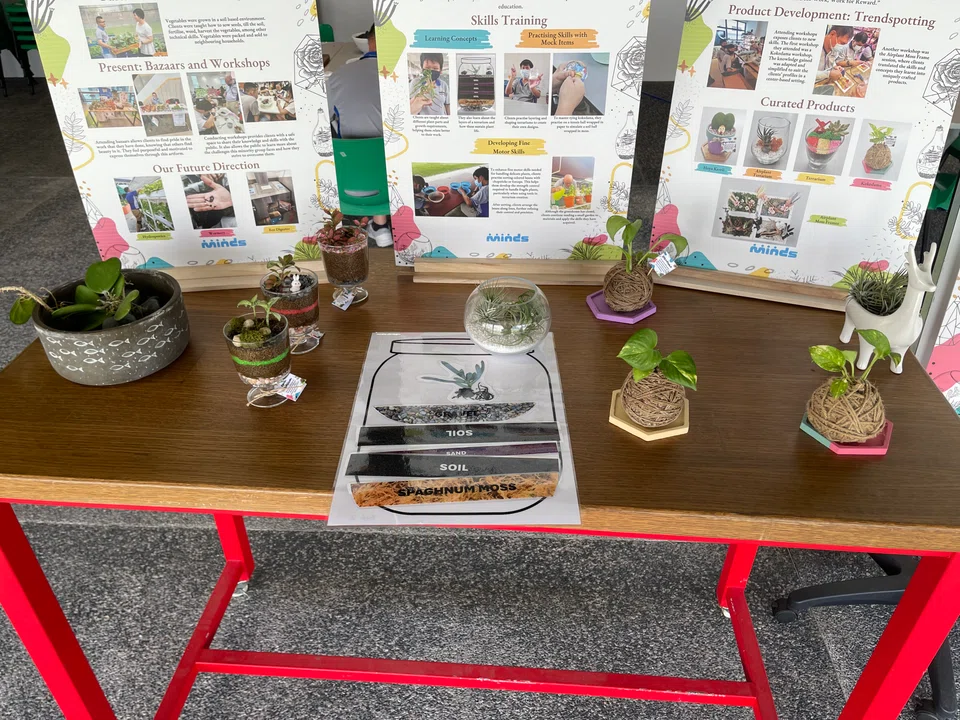
DeeperDive is a beta AI feature. Refer to full articles for the facts.
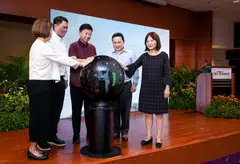
SOCIAL service agency Minds opened the revamped Minds Regional Hub (Hougang) last Friday (Nov 15), in a move that signifies a shift from a programme-centric approach to a person-centric one.
This means that services can now be more personalised for each client. Previously, Minds ran certain programmes at its different centres, and persons with intellectual disabilities (PWIDs) who wanted to participate in a specific programme had to travel to the particular centre that offered it.
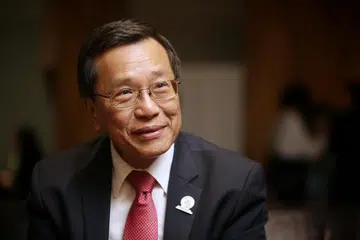
Kelvin Koh, chief executive of Minds, said: “We started focusing on the individual’s gifts and talents, and reassessed them to identify where their strengths are. Then we bring the tailored services or programmes to support them in their growth.”
A person-centric approach is important because it helps PWIDs “identify what their potential is and grooms them to be valued contributors” to society, and also “enhances their quality of life by helping them stay in the community (for) as long as possible”, he added.
Formerly known as the Minds Idea Employment Development Centre, the refurbished regional hub is a one-stop centre that integrates the full suite of services under four programmes: employment development, lifelong learning, support and care.
All Employment Development Centres will also be renamed as Regional Hubs, allowing these services to be offered at a single location that is nearest to the PWID’s residence. This enhances convenience and accessibility while reducing transport costs.
Navigate Asia in
a new global order
Get the insights delivered to your inbox.
Meanwhile, Training and Development Centres will be renamed as Community Hubs, and Minds Hubs will become Satellite Hubs.
Like Regional Hubs, Community Hubs will offer vocational training as well, but on a smaller scale. All the hubs will offer lifelong learning; diagnostics and assessment; information and referral; future care planning; complex case management; befriending and social activities; and caregiver support.
The lifelong-learning curriculum comprises core, elective and interest-based modules, which will help to make PWIDs more employable and independent.

Koh said: “The core (modules) must still be anchored to activities of daily living, so that the clients can live in communities for as long as possible. But for higher-functioning clients... we look at other areas that we can help them hone their skills in, to (reach) the next level (with elective modules).”
Elective modules refer to those that teach vocational training and promote community participation. He added that Minds will consult “external experts” to cater to interest-based modules, for PWIDs who want to learn skills such as swimming.
First Regional Hub
At the Hougang centre – the first Regional Hub – PWIDs can engage in ad hoc or contract work for companies such as Singapore Airlines and Sats, vocational training and various other activities.
Dr Kenny Lai, west cluster director at Minds, noted that day activity centres “have no employment component... but actually, there are PWIDs who have that potential and ability to learn employment development skills”.
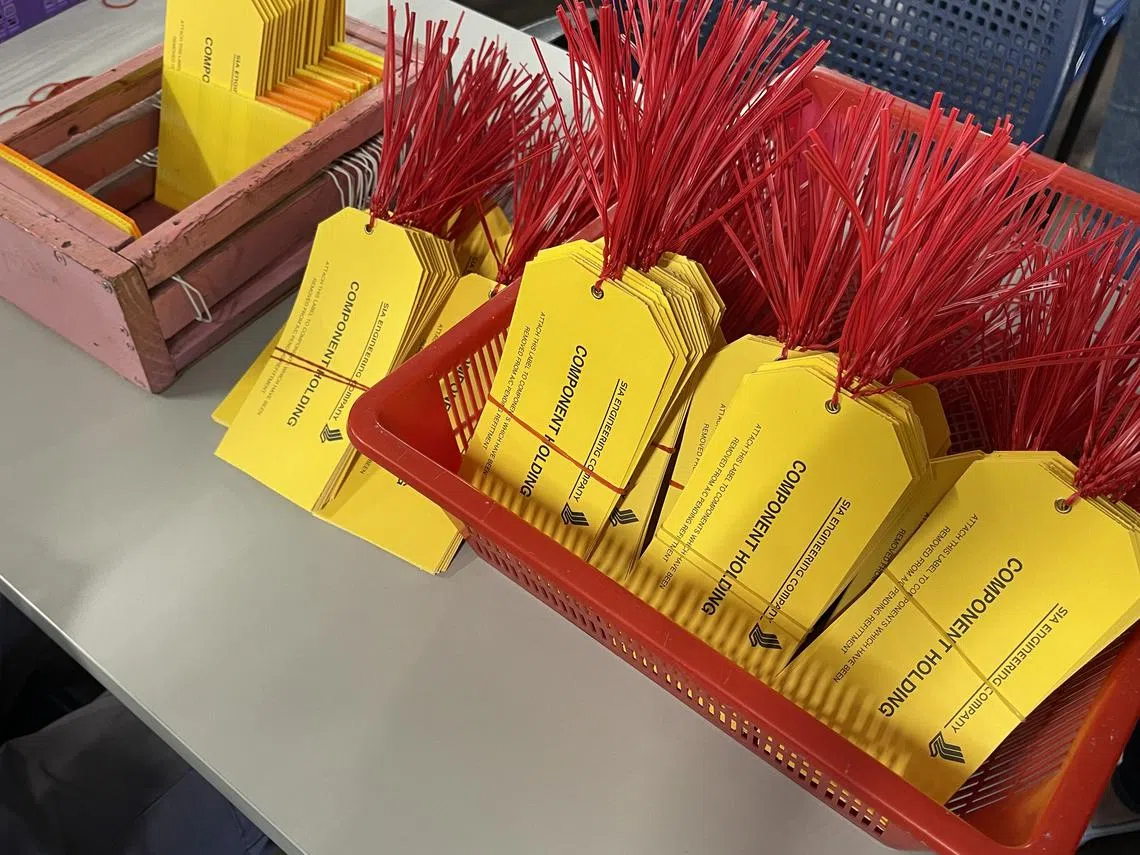
“So by doing some of the employment at the hubs, we allow them to explore their strengths. As a bonus, they get allowances,” he said.
Their work consists of routine tasks that are simplified and structured, and can be done at a manageable pace, Minds added.
At the hub’s greenhouse, PWIDs can participate in horticulture, and the vegetables they grow can be sold. The skills they learn can help them gain supported employment after two years of training, including short-term contract work for community projects.
Dr Lai said integrating PWIDs into the community can create more employment opportunities for them. Minds Farm presents one way of doing this, through vocational training to craft terrariums.
Besides developing their fine motor skills and creative expression, PWIDs can co-facilitate events with training officers after the programme. This helps to increase their confidence and provides more opportunities for social inclusivity.
Similarly, Oasis@Hougang serves as a community space for PWIDs and volunteers to interact. The thrift store sells crafts made by PWIDs and pre-loved items, and could be a training workshop area in the future.
The Minds Regional Hub (Hougang) also has a smart gym room, craft studio, activity area, sports ground, baking studio, and a space for PWIDs aged 45 years and older for therapeutic activities.
The new service model will be rolled out progressively from Apr 1, 2025. By 2027, all the services are expected to be available at the 13 renamed hubs, of which three – including Hougang – are Regional Hubs.
“If we were to comprehensively serve the three clusters (in Singapore), we need about six Regional Hubs, 15 Community Hubs and 12 Satellite Hubs. That’s where the search for spaces and working with local grassroots to identify where the clients are is important,” said Koh.
Decoding Asia newsletter: your guide to navigating Asia in a new global order. Sign up here to get Decoding Asia newsletter. Delivered to your inbox. Free.
Copyright SPH Media. All rights reserved.