

Qatar to ban alcohol sales in World Cup stadiums
 Add BT as a preferred source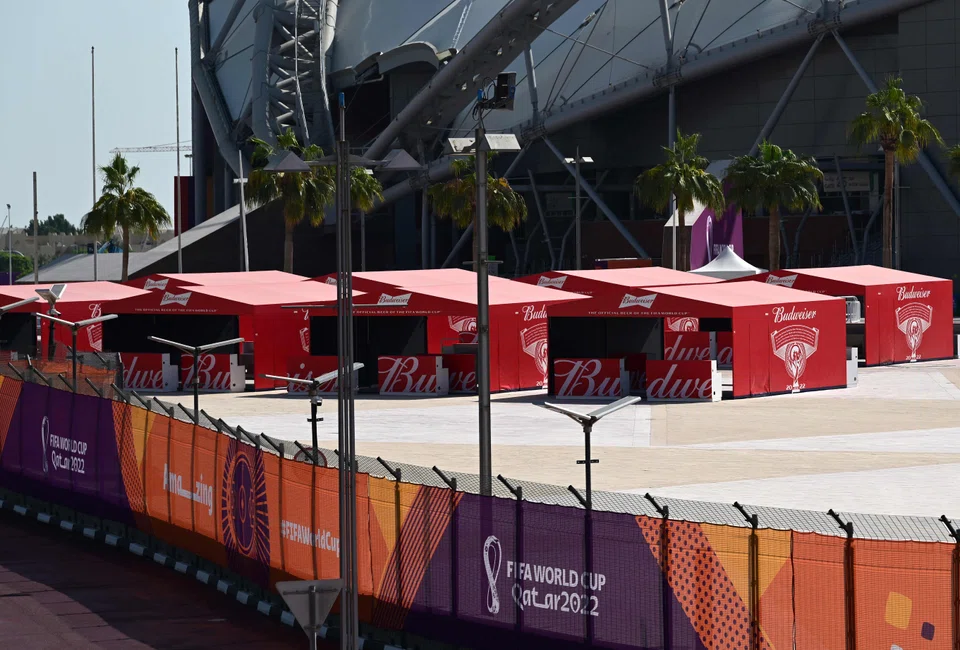
THE organisers behind the World Cup in Qatar have banned the sale of alcohol within the stadiums, dramatically reversing a decision to allow Anheuser-Busch InBev (AB InBev) to sell Budweiser beer.
The decision will likely result in moving concession stands serving alcohol even further away from the stadiums. The tournament, typically the world’s largest sporting event and a decade in the planning, kicks off on Sunday (Nov 20) with the hosts taking on Ecuador.
The move to ban alcohol sales outside stadiums is an about-face from Qatar’s previous position. The Supreme Committee on Delivery and Legacy had promised alcohol will be available in designated “fan zones” outside stadiums and other hospitality venues, and was considering allowing beer to be consumed inside venues. InBev has paid football governing body Fifa millions of dollars for exclusive rights to sell Budweiser at the World Cup.
Fifa released a statement after earlier reports of the ban, confirming alcohol will only be allowed in fan zones and not within stadiums. “The tournament organisers appreciate AB InBev’s understanding,” it tweeted.
A spokesperson for AB InBev could not be reached for comment. Fifa and AB InBev have previously said they are trying to create an atmosphere that is “respectful” towards Qatar’s customs and traditions while still making alcohol available for those who want it.
The tournament has already been beset with controversies, ranging from scheduling complications due to Qatar’s summer heat, to the treatment of migrant workers. Difficulties could mount once fans arrive and face local norms, such as dress codes requiring men and women to cover their bodies from shoulders to knees in many public spaces.
Alcohol availability has been a particular flash-point for criticism around Fifa’s decision to hold the quadrennial soccer spectacle in a conservative Muslim country where public displays of affection, boisterousness and drunkenness are taboo.
Qatar prohibits alcohol sales at almost all restaurants not associated with a high-end hotel or resort. With employer permission, foreign residents can also buy bottles of liquor, beer and wine for home consumption from a single Qatar Airways-run depot on the outskirts of Doha.
Qatari organisers initially said they wanted Fifa events to be alcohol-free, but backtracked. Prior to the latest reversal, some fan zones were set to sell “international beverages”. Fans would have been able to purchase Budweiser beer inside the stadium perimeter – in designated beer areas, up to three hours before and one hour after each match – but not allowed to take them into the stands.
The decision is a major blow to AB InBev’s Budweiser brand, the official beer of the tournament and a sponsor of the World Cup since 1985. In September, the brand launched its official Fifa World Cup campaign in more than 70 countries, the broadest reach in its 146-year-old history.
Despite the restrictions, the beverage brand had expected more beer to be consumed during the tournament than would typically happen during an entire year in the country, Peter Kraemer, AB InBev’s chief supply officer, previously said.
Without breweries in the region, the company has had to ship its product to Qatar by ocean freight, then find refrigerated warehouse space to protect it from the country’s ultra-hot weather, with temperatures above 35 degrees Celsius till the end of October.
Previous deliberations centred on whether to make Bud Light or another lower-alcohol Budweiser product available inside the venues, while Fifa and InBev have pushed for more concessions. They have had success in the past – Brazil passed the so-called Budweiser Bill to overturn local laws that prohibited beer in stadiums for the 2014 World Cup, while Russian authorities temporarily relaxed a ban on beer advertising in the run-up to the last tournament in 2018. BLOOMBERG
Decoding Asia newsletter: your guide to navigating Asia in a new global order. Sign up here to get Decoding Asia newsletter. Delivered to your inbox. Free.
Share with us your feedback on BT's products and services
TRENDING NOW

Johor property old hand KSL readies family handover amid market boom
Seatrium eyes S$28 billion in project opportunities amid global race for energy security
China targets offshore billions in biggest crackdown in decades

Trek 2000 shares jump 26% after Osim founder Ron Sim drops claims, sells 7.3% stake to Azure Capital

