

Mosul sculptor ‘recreates what was demolished’ on murals depicting Iraq history
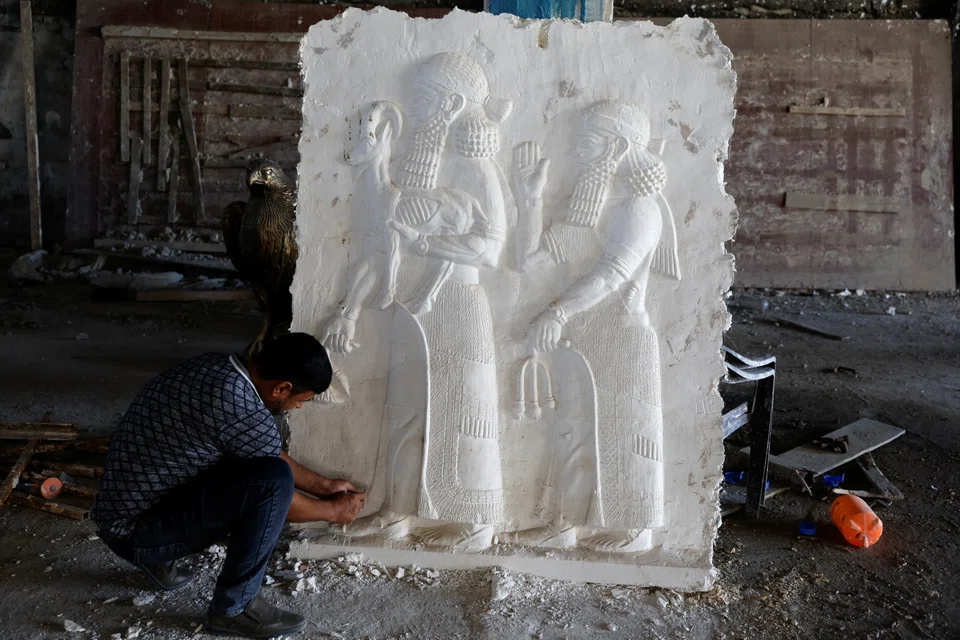
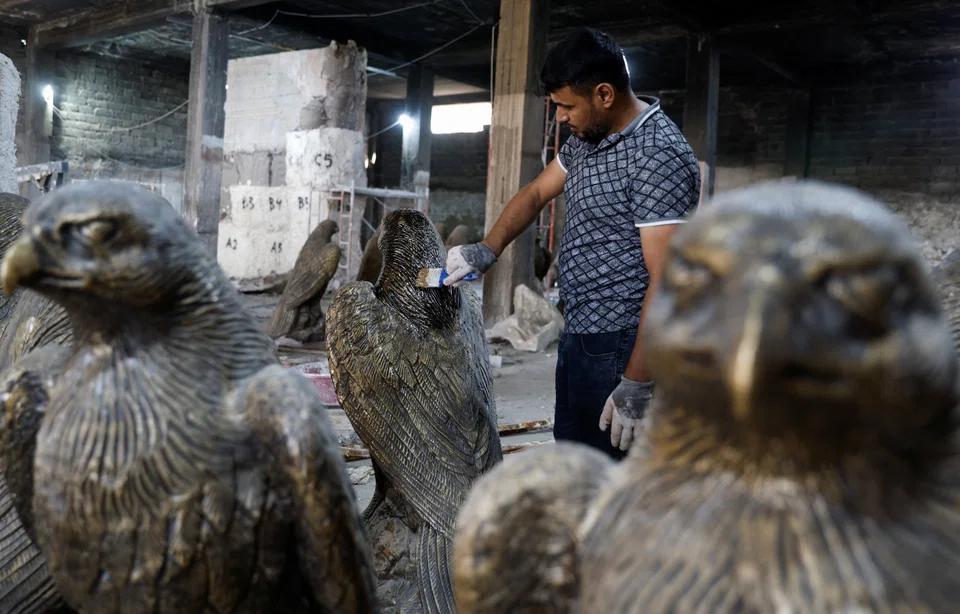
IRAQI sculptor Khaled Al-Abadi’s carefully chiselled engravings of lions, chariots, and birds decorate his Mosul workshop - the fulfilment of a dream to “recreate what was demolished” during turbulent years of war.
“During the Islamic State period, when my colleague and I were walking around, we would see the statues that were removed, and the gates that were being demolished, we were really troubled by this,” Al-Abadi told Reuters.
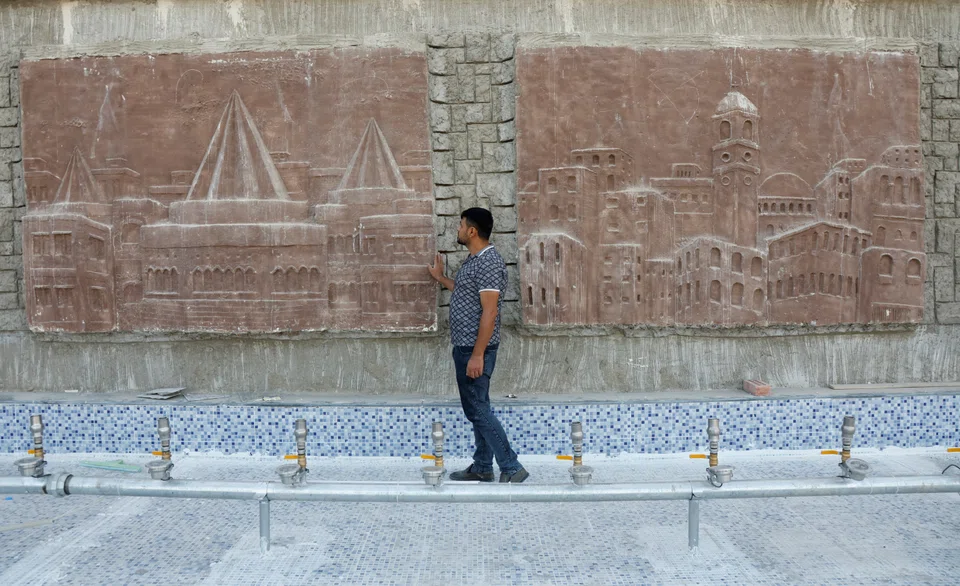
His clay-based murals reflect the country’s long history - from the Assyrian period through to the Islamic State occupation.
“We want to remind the coming generations that this is the history of Nineveh,” he said, referring to the ancient Assyrian city located close to modern Mosul. “This is the history of Mosul. This is the history of Iraq.”
The courtyard where about 20 murals are displayed is located in old Mosul, a part of the city that suffered significant damage during the war to recapture the city from Islamic State militants, who also destroyed many of its ancient sites in a rampage.
The country’s rich cultural heritage has long suffered during its conflicts. Last year, ancient artefacts looted and smuggled out of Iraq after the US invasion in 2003 were put on display in Baghdad, including a 3,500-year-old clay tablet bearing part of the Epic of Gilgamesh, the ancient Sumerian tale believed to be one of the world’s first pieces of literature. REUTERS
Decoding Asia newsletter: your guide to navigating Asia in a new global order. Sign up here to get Decoding Asia newsletter. Delivered to your inbox. Free.
Share with us your feedback on BT's products and services
TRENDING NOW

OCBC mobile, online banking services restored after Friday afternoon disruption

SGX CEO Loh Boon Chye to step down; succession planning under way

Waymo founder predicts ‘landslide’ robotaxi adoption in Singapore, driven by high car costs

Vietnam’s northern provinces, not Hanoi or Ho Chi Minh City, are powering near 10% GDP growth

