

New face of luxury
The Lexus ES has had a facelift, resulting in an even more premium look and feel.
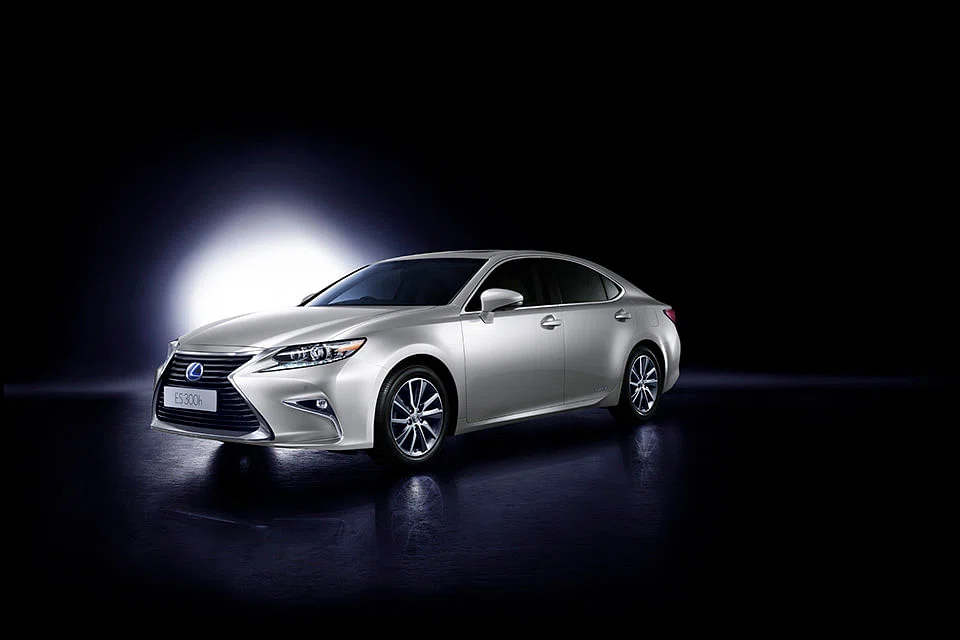
IT may be well-known for its spacious and comfy interior, but its exterior styling was beginning to look a little bland compared with the latest Lexus offerings. So now, after two years, the Lexus ES saloon has gotten a sharper-looking exterior and a much refreshed cabin.
To bring the midsize sedan in line with the current Lexus family look, the facelift includes new, streamlined LED headlamps and a more prominent grille.
The restyled, chrome-trimmed spindle grille is also flanked by L-shaped daytime running lights. In the air dam below, the redesigned fog lights are pushed outwards and widen the ES's stance for more road presence.
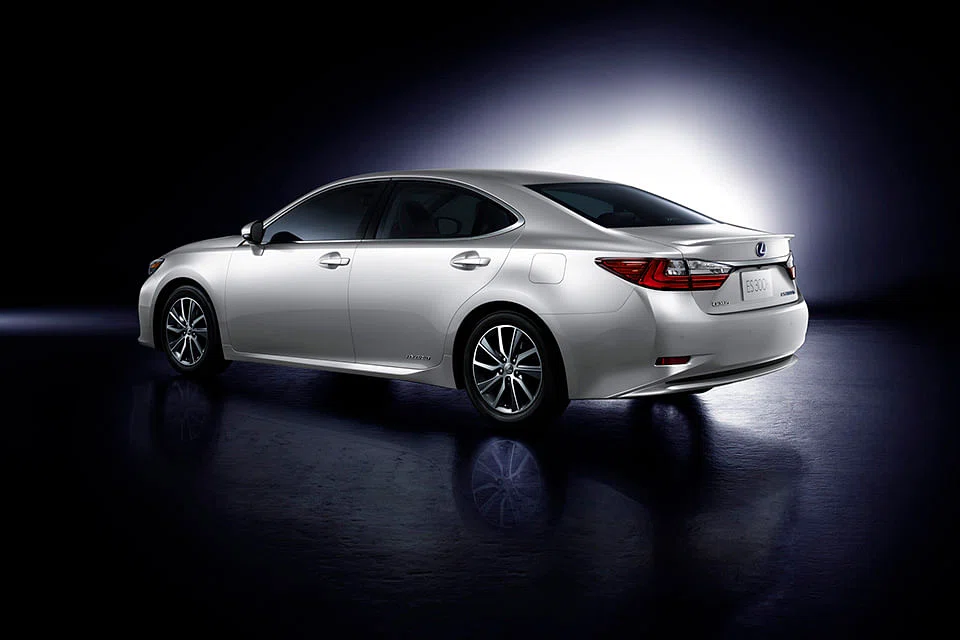
At the back, the L-shaped theme continues with the tail lamps, while new chrome-tipped, rectangular exhaust pipes peek out from below.
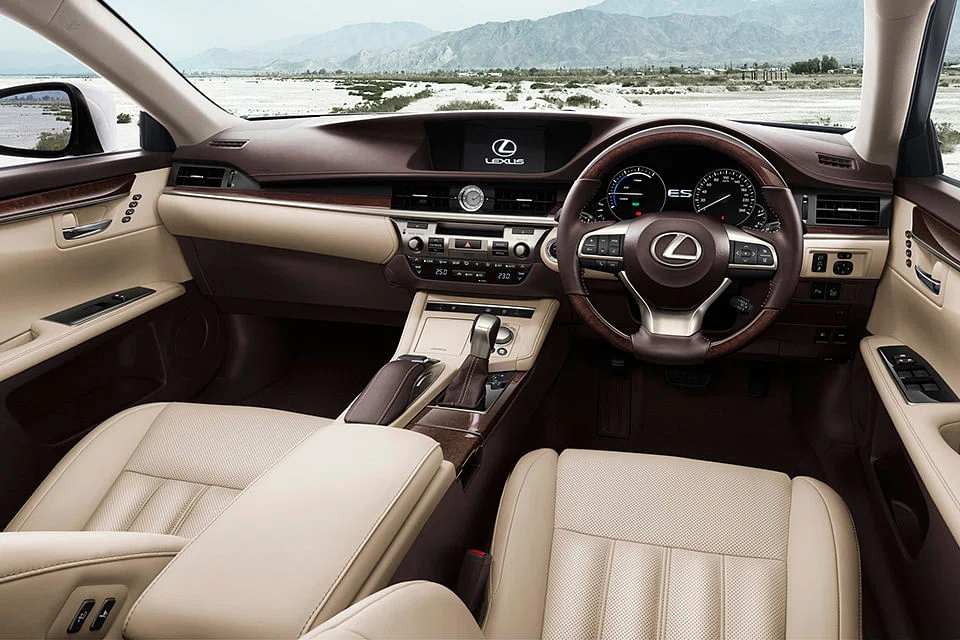
Inside, a new topaz brown interior is introduced alongside the existing black, ivory and light grey options, with this refreshing two-tone alternative highlighted by Shimamoku striped wood trim.
There is a new LFA-inspired, three-spoke steering wheel and the driver's seat is now electrically adjustable for seat cushion length.
At the back, there is that same wide expanse of space for the rear passengers but there are also premium touches reminiscent of the LS flagship limousine.
The 2,820 mm-long wheelbase serves up 1,015 mm of rear legroom and 1,392 mm shoulder room. Add improved cushioning and sun blinds for the side windows and rear windscreen and the back seat can be a wide and personal space. The front-engine, front-wheel-drive layout also optimises legroom with an almost flat floor.
But what ups the towkay quotient and makes it the ideal chauffeur-driven car is the pair of new shoulder switches on the front passenger seat. These buttons allow those behind to easily move the front seat for better rear legroom.
Another upscale feature is the rear centre armrest's air con and audio controls.
The level of ride comfort is also suitably high with the ES's softly sprung suspension.
But if those behind the wheel want something more than a languid drive, the surprise is that the ES is able to accede. The all-round MacPherson strut set-up is sophisticated enough to provide for good body control in sweeping curves, even if the damping is far from firm.
Then there is the excellent low-end torque. There are two variants - the ES250 and the ES Hybrid.
The ES250 has a naturally aspirated 2.5-litre, four-cylinder petrol engine with 180 hp and 235 Nm mated to a six-speed automatic transmission.
On the other hand, the ES Hybrid is a petrol-electric hybrid that combines a 2.5-litre Atkinson cycle engine with an electric motor. Total system output is 202 hp and although total torque output is not stated, it feels substantial and more importantly, is instantly available. Zero to 100 kmh in the hybrid is accomplished in 8.5 seconds. That may not top the competition, but its elasticity will. Floor the accelerator and the electric motor delivers wonderfully beefy torque immediately from zero rpm.
And then there is the fuel efficiency. The stated 18.1 km/l consumption could be a bit of a stretch in Singapore's highly urban environment, but the ES Hybrid's 65-litre tank should easily exceed 800 km even when driven hard.
With the seamless operation between engine and motor, the Lexus hybrid system is also one of the most refined examples on the market. Add the extensive mid-lifecycle update and the Lexus ES Hybrid is the epitome of luxury on the go.
SPECS
Lexus ES Hybrid
Engine 2,494 cc inline-4
Gearbox Continuously variable transmission
Max power 202hp@5,700 rpm
Max torque 213Nm@4,500 rpm
0-100 kmh 8.5 secs
Top speed 180 kmh
CO2 emissions 130 g/km
Average OMV From S$42,500
Price From S$223,000 (with COE)
Share with us your feedback on BT's products and services






