

Movies and TV shows hit out at wealth inequalities
Anti-capitalist satires are trending on our screens, reflecting the current push for social justice


OF LATE, the rising wealth disparity between the haves and the have-nots has become a rich source of satire for movies and TV shows. The runaway success of 2019’s Parasite – the South Korean class divide drama that went on to become the first non-English language film to win the Best Picture Oscar – ushered a new wave of films and TV shows taking potshots at the moneyed elite.
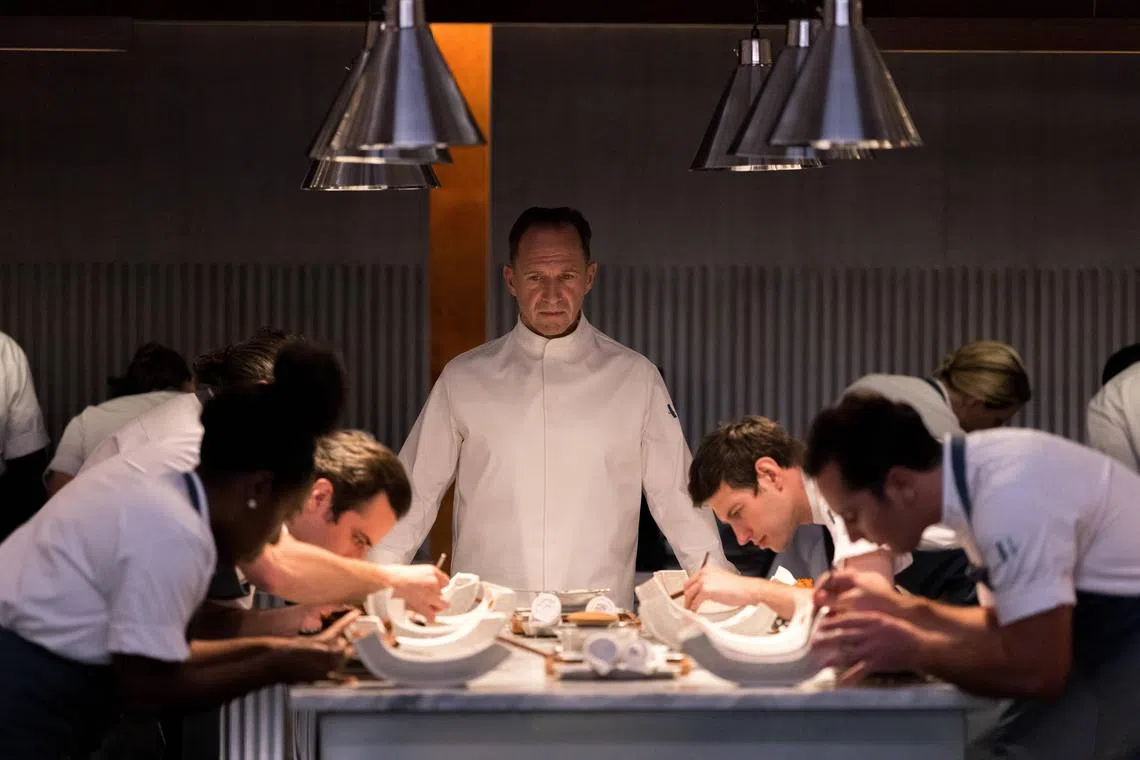
Recent titles include Triangle Of Sadness, about a group of passengers on a luxury yacht who find themselves stranded on an island; The Menu, a send-up of the exclusive world of thousand-dollar tasting menus (think Noma or Faviken); Glass Onion, a farcical murder mystery centred on a tech billionaire living in a hydrogen-powered mansion; and The Forgiven, about a wealthy white couple trying to cover up a hit-and-run accident while vacationing in Morocco.
Returning in March for a fourth season, the hit TV show Succession explores the effects of money and power on a media mogul’s relationship with his entitled children. Another lauded series The White Lotus details the absurdities of everyday life among the rich and those paid to serve them. There’s also Loot, a comedy series about an out-of-touch billionaire’s attempts to do “charity work”.
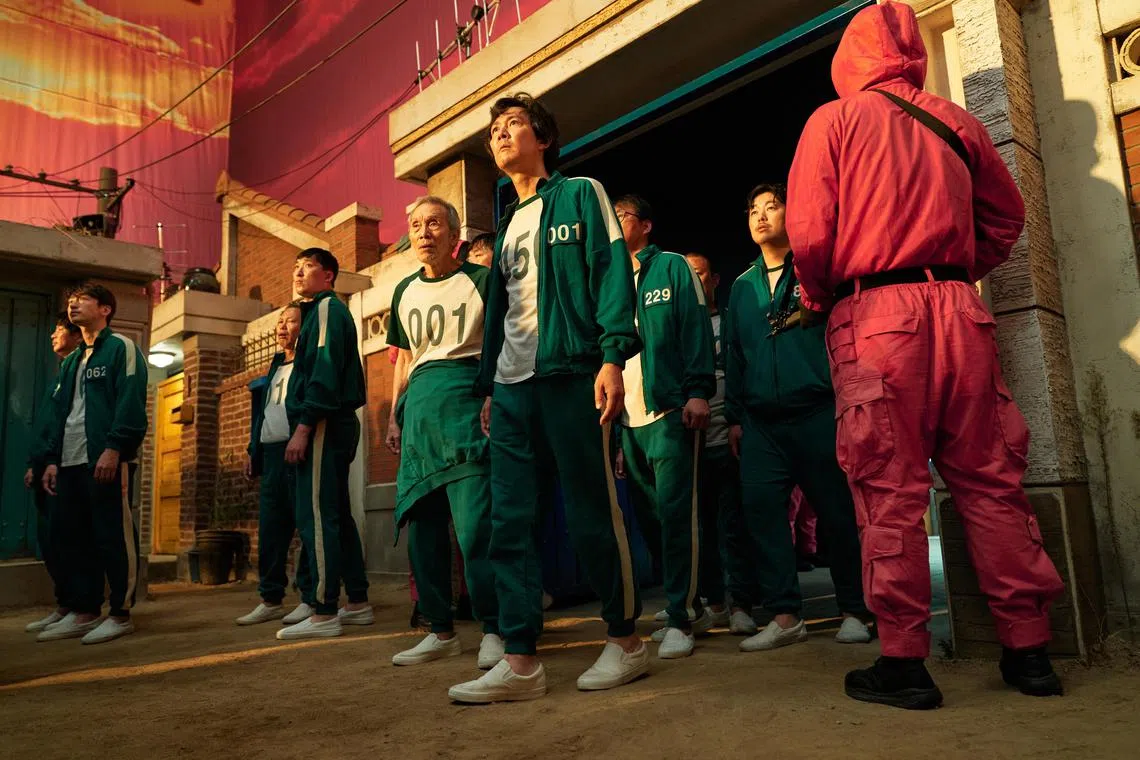
And then there’s massively popular Squid Game, which depicts heavily-in-debt people playing a life-and-death game to entertain bored wealthy people. It became a global phenomenon during the pandemic when many in the world were grappling with the precariousness of life and bank accounts. It is set to return with a second season in 2024.
There have, of course, been many classic satires of the haves and the have-nots in film history. They include Jean Renoir’s The Rules Of The Game (1939), Luis Bunuel’s The Exterminating Angel (1962) and Peter Medak’s The Ruling Class (1972). But rarely has there been a wave of so many titles hitting the screen at about the same time, pointing to a growing concern in recent years about late capitalism and its unequal distribution of wealth.
The pandemic has made matters worse: According to the International Monetary Fund, it has pushed 120 million people into extreme poverty and increased the wealth of billionaires. Writer-director Bong Joon-ho said in an interview with Birth.Movies.Death: “All the responses to my movie Parasite from different audiences (of different countries) are pretty much the same. Essentially, we all live in the same country called capitalism.”

Dog-eat-dog world
Where to begin if you haven’t seen most of them? Try Triangle of Sadness, the most caustic and provocative of them all, now playing at The Projector. It has earned the top prize at the Cannes Film Festival 2022 and has been nominated for three awards at the upcoming Oscars in March, including the much coveted Best Picture and Best Director award.

The story centres on the passengers and staff on a gorgeous US$250 million luxury yacht which runs into a storm and capsizes. The survivors stranded on a remote island include two fashion models, a couple of billionaires, as well as the toilet cleaner.
On the ship, the toilet cleaner (played by Filipino actress Dolly De Leon) finds herself at the lowest rung of the ladder, sitting in the hull while the elite sun on the deck. But on the island, the cleaner reigns supreme, being the only one among them who knows how to catch fish and start a fire.


Soon, she starts calling the shots, compelling others to kowtow to her in the most obsequious ways. Before long, she begins to abuse her power, insisting on sleeping in the only safe shelter they have (a part of the yacht that’s washed up on shore) and obtaining sexual favours from one of the models.
In a dog-eat-dog world, the oppressed quickly becomes the oppressor when given a chance. The dynamics of the haves and the have-nots are so ingrained in all of us, the movie seems to say, that anyone at the top is destined to repeat the exploitative behaviour of their predecessors.

Triangle of Sadness has been both praised and slammed for its nihilistic view of humanity and outlandish narrative. That same criticism has also been levelled at the other titles, including The Menu with its over-the-top eat-or-die scenario; Squid Game with its hyperbolic play-till-you-die plot; and Glass Onion, with its cartoonish depiction of a tech bro who doesn’t care if people died from his untested hydrogen power source.
But their successes during the awards season and in the festival circuit – every one of them have garnered several nominations and awards – suggest that they nevertheless resonate with a generation of viewers deeply concerned with the issues of equality and social justice.
Yes, but is it fair?
Compared to these titles, the TV shows Succession and The White Lotus are much more nuanced. Neither shies away from showing how badly the 1 per cent can behave, but their longer narrative trajectories over several episodes allow richer characterisations than a two-hour film can.
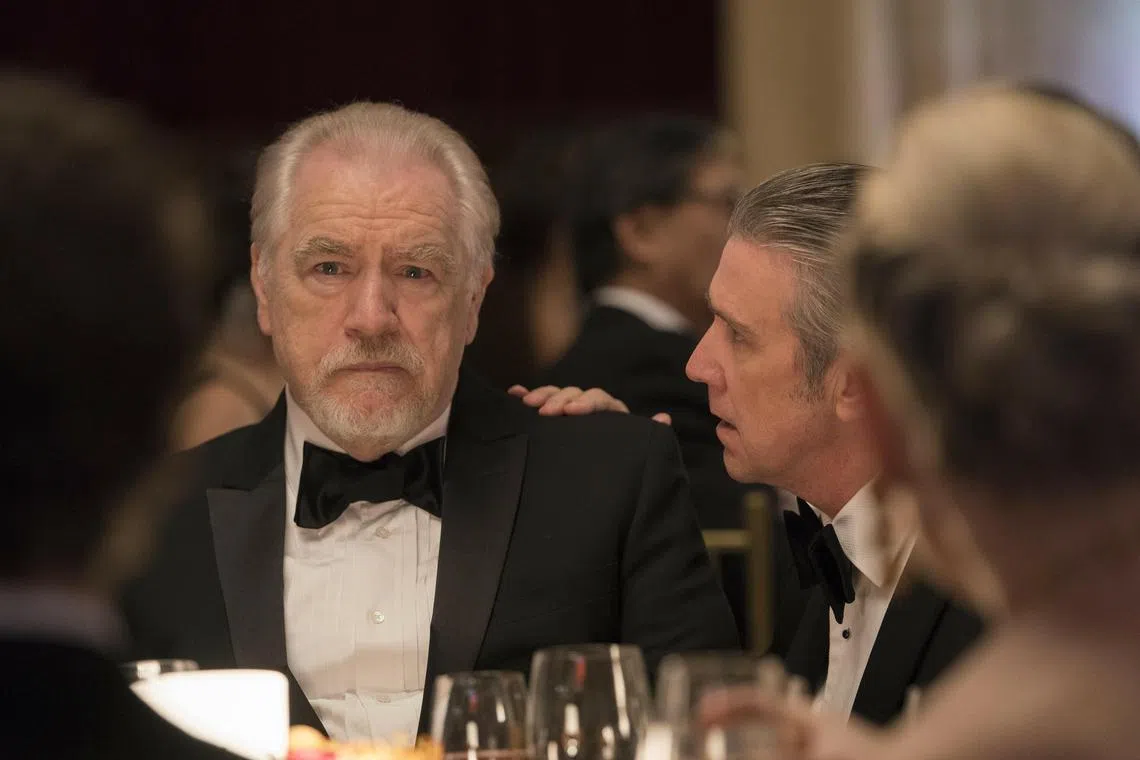
Succession, for one, is a thoroughly engrossing dissection of a dysfunctional billionaire family, based on that of real-life media mogul Rupert Murdoch. Its multi-episode structure allows space for these jet-setting, yacht-sailing characters to be painted sometimes in sympathetic colours. But it doesn’t pull its punches when depicting how far they would go to grab or preserve their wealth and power.
Similarly, The White Lotus also takes time to explore the deeper perspectives of its characters, however privileged and spoilt they may be. For the general audience, the show elicits schadenfreude by showing the rich can be just as miserable and lonely as the next person, how all the money in the world can’t save a failing marriage, an ageing body or a rotten personality.

Unsurprisingly, many of these shows have been divisive, as satires tend to be. Well-off audiences watching Parasite, for instance, thought that the poor characters were the “parasites” leeching off the rich characters’ wealth. But ordinary audiences saw the rich characters as the “parasites” exploiting the labour of the poor and not compensating them enough.
Some critics have slammed these satires as being cheap and simplistic, reducing the 1 per cent to caricatures to entertain the 99 per cent. However, other critics think these shows pander to both sides and never go far enough in conveying the message that capitalism needs an urgent reform. A commercial Hollywood satire designed for the enjoyment of many, they say, must surely be a compromised one.
For now, though, expect more of these satires to surface in the coming months. Succession and Loot are returning with new seasons, while The Hunger Games – that class warfare movie franchise designed for young audiences – is releasing its fifth instalment. At least on screen, the war between the haves and the have-nots is far from over.
Decoding Asia newsletter: your guide to navigating Asia in a new global order. Sign up here to get Decoding Asia newsletter. Delivered to your inbox. Free.
Copyright SPH Media. All rights reserved.






