A documentary for our times
The Great Hack isn't 100 percent accurate, but it needs to be seen

Helmi Yusof
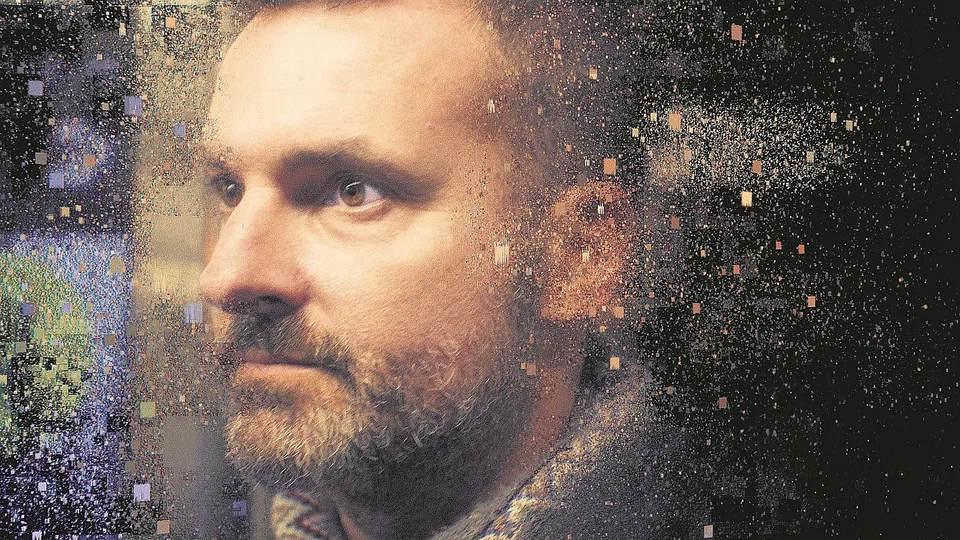
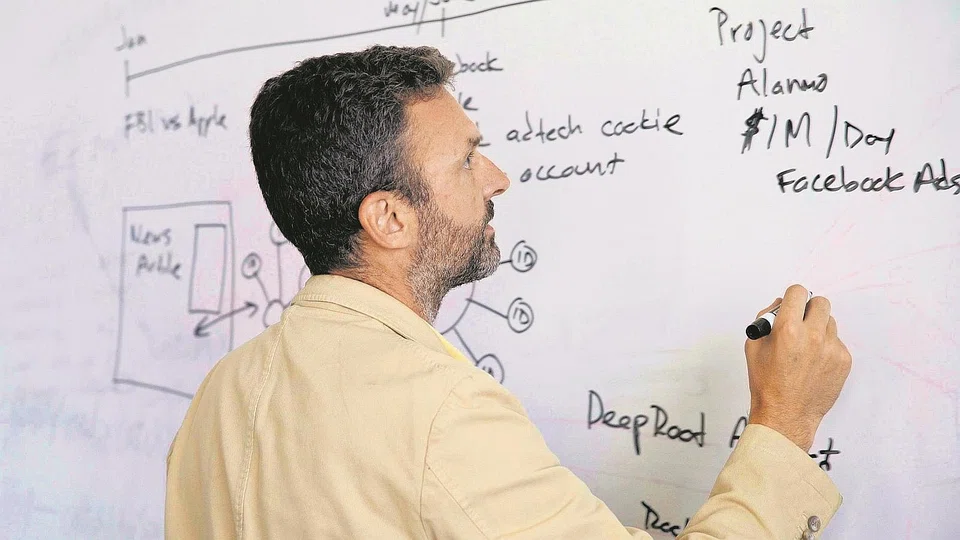
NETFLIX'S NEW DOCUMENTARY The Great Hack explores how technology companies are using personal data and algorithms to manipulate how we think, feel and, most crucially, vote. But considering how the ethical discourse on technology has moved to facial recognition and artificial intelligence, much of what's explored here feels slightly dated and insufficient.
That said, The Great Hack needs to be seen, if only to remind ourselves how gullible we were when we completed Facebook personality tests to vaguely determine who we thought we were - and how gullible we continue to be when we use FaceApp to vaguely determine how we might age.
Directed by Karim Amer and Jehane Noujaim, The Great Hack centres on three interviewees. The first is Brittany Kaiser, a young woman who formerly worked for Cambridge Analytica, a controversial UK-based consulting firm which harvested personal online data to create ads and messages that influence voting behaviour and electoral outcomes.
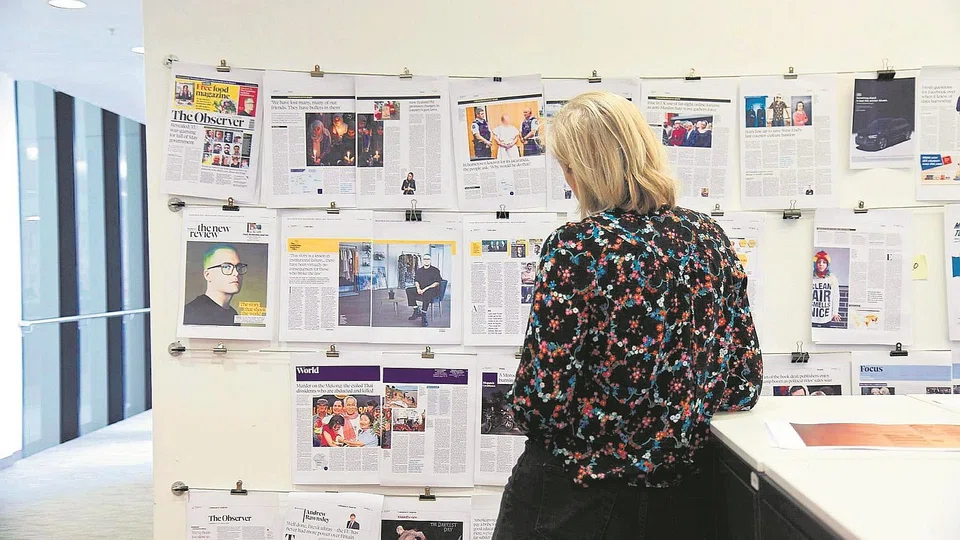
The second is Carole Cadwalladr, a seasoned journalist for UK newspaper Observer who wrote several stories on Cambridge Analytica which subsequently led to widespread outrage over the possible role the firm played in shaping public events, particularly the Brexit Leave campaign and Donald Trump's presidential victory.
The third is David Carroll, a media and technology professor who made a legal request for Cambridge Analytica to release the data it had on him, so as to expose how much data it might have on millions of other individuals. Tellingly, Cambridge Analytica would rather pay a fine for breaking British data laws than hand over the information to the professor.
FROM BREXIT TO TRUMP

The stories of these three people form the backbone of The Great Hack, which argues that Cambridge Analytica mined Facebook's profiles of millions of people to influence not just Brexit and the US presidential election, but also the events of other countries such as India, Malaysia, the Philippines, Mexico and Trinidad and Tobago.
As Ms Cadwalladr puts it succinctly to the filmmakers and later to the EU Parliament: "Our personal data is out there and being used against us in ways that we cannot understand... This is about the integrity of our democracy. It's about our national sovereignty."
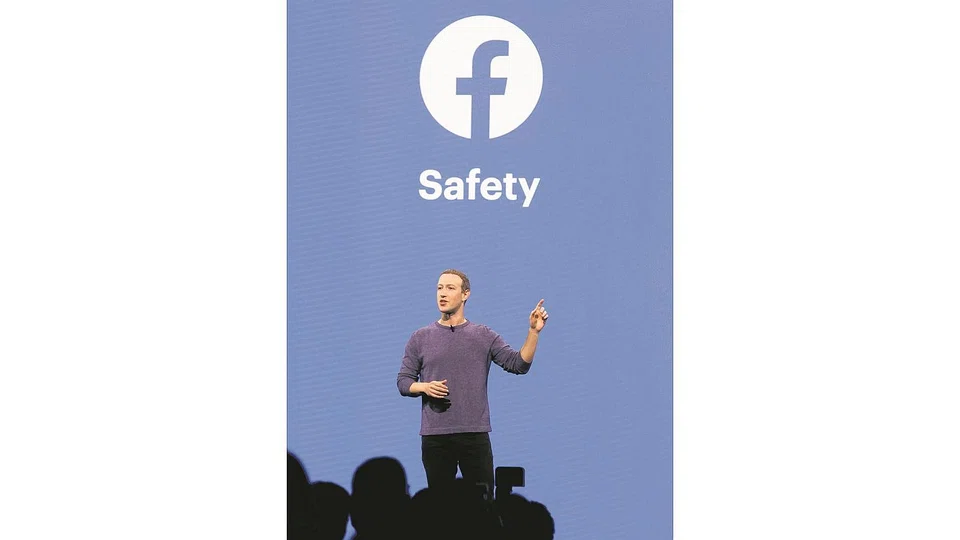
When Cambridge Analytica was later found to have harvested data of over 87 million Facebook users, it made the whole world realise their personal information was being sold to companies like it without their consent.
Some may have argued that what Cambridge Analytica did is ethically no different from the work of advertising and marketing companies - namely, to influence people's behaviour. Many political parties employ advertising agencies to win elections. If an agency had information that could persuade voters to choose a particular party, why shouldn't it use that to its advantage?
But the great outrage people feel towards Cambridge Analytica stems from the fact that its digital methods were more stealthy, low-key and effective than anything the world had ever seen. By targeting individuals whom it calls the "persuadables" - people who have shown in online personality tests to being easily swayed - it induced them to vote a certain way. Indeed, what's even more outrageous is that some of the online ads and stories used to persuade them contain what we now call "fake news". Much of the anti-Hillary campaign, for instance, used her quotes out of context.
Arguably filmmakers Amer and Noujaim - who were Oscar-nominated for their 2013 documentary The Square about Egypt's Tahrir Square uprising - could have done a better job of fact-checking some of the sweeping claims made by the interviewees.
Ms Kaiser, for instance, says that the value of data-mining "had surpassed oil". But this can't be true since the global data economy is worth somewhere between US$1 trillion and US$3 trillion, while the oil economy is worth around US$80 trillion.
The filmmakers are also not shy about quoting the over-the-top marketing claims made by Cambridge Analytica. For instance, the firm's executives say it's impacted over 200 elections around the world. But these claims are not backed up by substantial evidence. Dave Karpf, an author of two books about political data and elections, once described Cambridge Analytica as "the Theranos of political data". The filmmakers, however, parade these claims as facts.
THE FUTURE OF FAKE
Why then should the ordinary viewer watch The Great Hack? Despite its glibness, it still provides a much-needed snapshot of the world of technology. Big data can influence major events (such as the US elections), which in turn have consequences for the rest of the world (such as the market-roiling trade war between Trump and Xi Jinping now).
It makes one wonder if the days of free and fair elections are over. What's to stop other politicians from taking a leaf from Trump's book and employing big data for their electoral outcomes? Cambridge Analytica may have shuttered following the scandal, but other companies specializing in big data analytics are thriving.
This weaponization of information in service of political propaganda may also be a hint of the problems to come. Can facial recognition data be manipulated to provide incriminating evidence against someone? Just how far-reaching will artificial intelligence become and how might it be exploited?
What we've seen so far is that legislation has been slow in recognizing and regulating the impact of technology, allowing its innovators and early adopters to run circles around it.
The Great Hack is streaming on Netflix.
Copyright SPH Media. All rights reserved.