Museum of the Bible returns ancient gospel looted from Greek monastery
 Add BT as a preferred source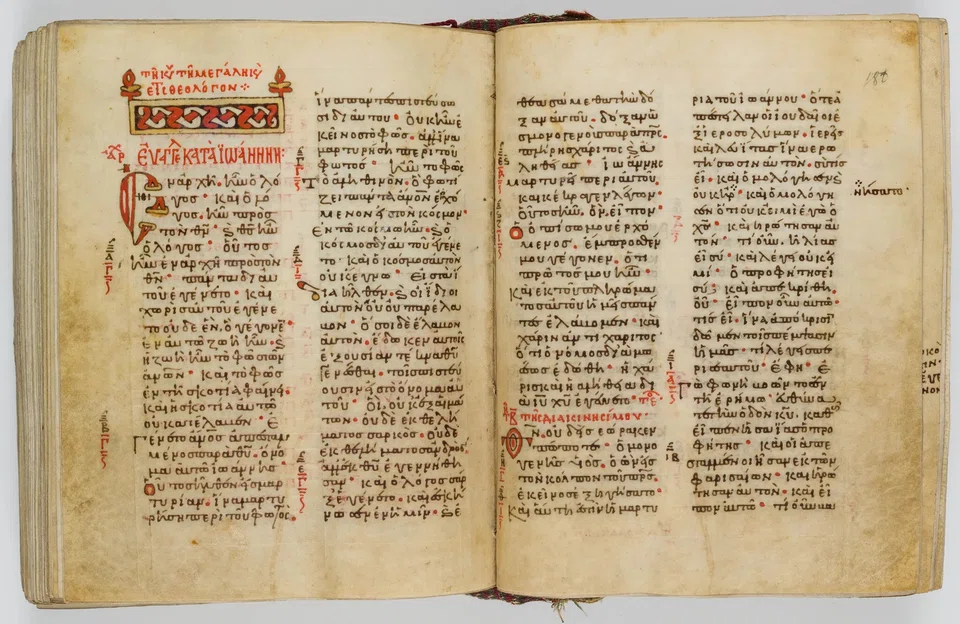
THE Museum of the Bible in Washington, which has been working to regain credibility by giving back tainted objects in its collection, returned a handwritten gospel that is more than 1,000 years old to the Greek Orthodox Church on Tuesday (Aug 23) afternoon after determining that it had been looted from a Greek monastery during World War I.
The museum said it transferred the artefact, which its founders acquired at a Christie’s auction in 2011, to an Eastern Orthodox Church official in a private ceremony in New York. The manuscript is to be repatriated next month to the Kosinitza Monastery in northern Greece, where it had been used in liturgical services for hundreds of years before it was stolen by Bulgarian forces in 1917.
The return was in line with the Museum of the Bible’s policy in recent years of investigating the provenance of its entire collection after early acquisitions by its founders, the owners of the Hobby Lobby craft store chain were found to include thousands of items looted from ancient Mesopotamia and Egypt. The company paid US$3 million in 2017 to settle claims with the US government over not exercising due diligence in a chaotic, multimillion-dollar international antiquities buying spree beginning in 2009.
The Greek Orthodox Church has said that several other American institutions wound up with artefacts looted from the same monastery.
The Museum of the Bible’s website traces the manuscript’s history and the chain of ownership, from its creation in the late 10th- or early 11th century, through the looting of the monastery in 1917, through various sales after the war ended.
“Certainly the marketplace has its challenges,” said Jeffrey Kloha, the Museum of the Bible’s chief curatorial officer, who was brought in after the problematic acquisitions. “Things have been moving in the market for some time, and in some cases decades, that have origins that are not legal.”

The manuscript was among a library of more than 400 manuscripts carted off by Bulgarian forces who stormed the monastery in 1917.
“I think the Museum of the Bible is a great example of how not to build a collection, but I do wish other American museums would follow its example when dealing with their own existing problematic collections,” said Tess Davis, executive director of the Antiquities Coalition, which aims to combat the illicit trade in antiquities. NYTIMES
Decoding Asia newsletter: your guide to navigating Asia in a new global order. Sign up here to get Decoding Asia newsletter. Delivered to your inbox. Free.
Share with us your feedback on BT's products and services