

Museums are becoming more expensive
Will it kill off future patronage and attendance?
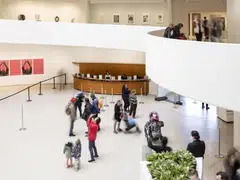
“IT’S ALMOST a moral duty that museums should be free,” said Glenn Lowry, director of the Museum of Modern Art (MOMA). That was in 2002, when a ticket to MOMA cost US$12 (around US$19 in today’s prices). In October, MOMA started charging US$30, the latest in a series of price rises.
MOMA is not the only museum raising the cost of admission. The Metropolitan Museum in New York ended its longstanding “pay what you will” policy for out-of-town visitors in 2018 and raised general admission for them to US$30 in 2022. Last summer, the San Francisco Museum of Modern Art, the Philadelphia Museum of Art, the Whitney Museum and the Guggenheim Museum all followed suit, bumping a standard ticket from US$25 to US$30.
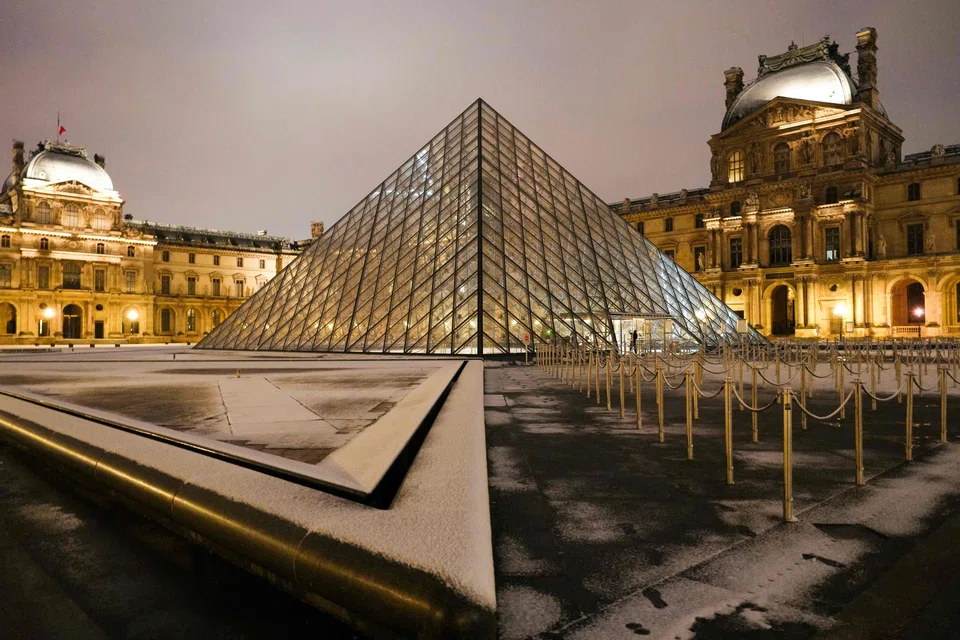
Museum staff complain of climbing costs and a case of “long Covid”. In America, only a third of museums have met or surpassed pre-pandemic visitor numbers. Higher energy and labour costs have pushed up ticket prices in Europe, too. In January, the Berlin State Museums, the Louvre and the Vatican Museums, which include the Sistine Chapel, raised the price of general-admission tickets by 20 per cent, 29 per cent and 17 per cent, respectively. Prices have remained stable only in Asia and the Middle East, where museums are younger and state funding is especially generous.
Ticket fees may seem high, particularly in destination cities where tourists are not likely to be dissuaded by spending a few more dollars. But “whatever museums charge, it is not covering their operating costs”, says Javier Jiminez, a director at Lord Cultural Resources, a consulting firm. The Association of Art Museum Directors reported in 2018 that ticket sales accounted on average for just 7 per cent of total revenue at American art museums. Memberships contributed another 7 per cent. The remainder of budgets usually come from endowments, charitable donations, grants and retail operations.
European museums are less reliant on admissions fees, because they are often heavily subsidised by governments. This can make it awkward to ask taxpayers to buy a pricey ticket and in effect pay twice. Many institutions choose to offer reductions for the young, pensioners and locals.
All national institutions in Britain offer free admission, as do most state-run museums in China. (Exceptions are made for special exhibitions.) In America some 30 per cent are free, including big public museums like those of the Smithsonian Institution and private ones such as the Getty Centre in Los Angeles. Some observers have repeated Lowry’s call for museums, especially the most well-endowed, to stop charging for admission entirely.
Ballooning prices go against museums’ goal of sharing art with a more diverse public. They could also accelerate the already steep decline in the share of Americans attending museums and galleries: between 2017 and 2022 it shrunk by 26 per cent.
Declining public interest, particularly among young people, is a challenge for institutions that rely heavily on public support. Those who choose not to visit a museum today may be the people who vote against government subsidies or refuse to write personal cheques as patrons in a few years. Those who spend time inside museums’ galleries are more likely to grasp their richness and want to invest their own riches in them.
Yet, significantly reducing costs may not actually do much to attract new audiences either. In both America and Europe, people say that price is just one of several factors when it comes to deciding what to do with their leisure time. If tickets were free, “people who typically come anyway might come more often. Otherwise, you’re not really changing your demographic”, says Michael Rushton, an economist at Indiana University who studies pricing in the arts. He compares museums to elite American universities: Harvard and Stanford could afford to make tuition free for all, but many wealthy students who do not need the gift would be among the biggest beneficiaries. As museums throughout the West debate what price is right, most are unlikely to conclude the answer is zero, “moral duty” or not.
©2024 The Economist Newspaper Limited. All rights reserved
Decoding Asia newsletter: your guide to navigating Asia in a new global order. Sign up here to get Decoding Asia newsletter. Delivered to your inbox. Free.
Share with us your feedback on BT's products and services
TRENDING NOW
Singapore expects all parties to honour commitments, says PM Wong after Indonesia cuts gas exports
Gas Supply may pursue remedies if contract breached following Indonesia’s export cuts: Tan See Leng
SoftBank’s Son plans US$50 billion Malaysia tech outlay: Anwar Ibrahim

Is Manila Asia’s new dining hot spot?

