NerdBaker Christopher Tan returns with new cookbook
NerdBaker 2 helps similar-minded home bakers stretch into new techniques and ingredients

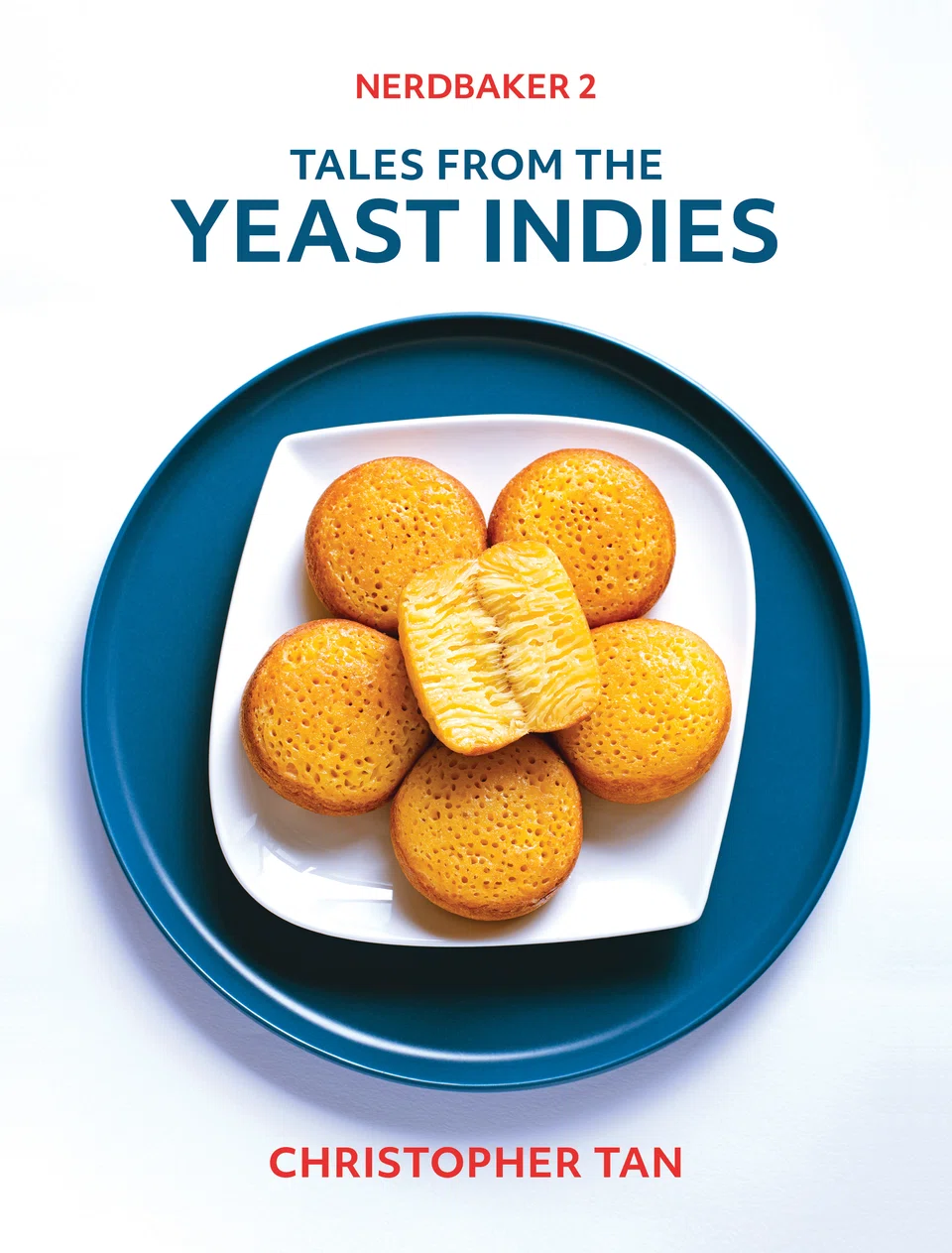
CHRISTOPHER Tan’s newest cookbook carries a table that explains exactly what he means by “mix at medium-low” speed.
If you own a Teddy Varimixer, set the dial between 1 and 1 ⅔. If you use a Kenwood Chef Titanium, set it at 2. Kenwood Chef XL? Make it 4. And for the Artisan KitchenAid, it should be between 3 and 4.
There’s a reason why Tan calls himself a “nerdbaker”. And if this table got you excited, then NerdBaker 2: Tales from the Yeast Indies is the right book for you.
A food writer, cooking instructor and cookbook author, Tan is one of Singapore’s best-known voices on local and regional culinary traditions.
His last publication was The Way of Kueh in 2019. Its recipes and research on everything from ang ku kueh to yi bua were Tan’s attempts to preserve the region’s heritage in all things sweet, sticky and starchy.
NerdBaker 2 continues to celebrate Asia’s food culture. Only this time, Tan taps a “cross-cultural pollination of culinary ideas” that inspired his baking during the pandemic – when he found himself connecting with readers of his books and helped grow an online baking community.
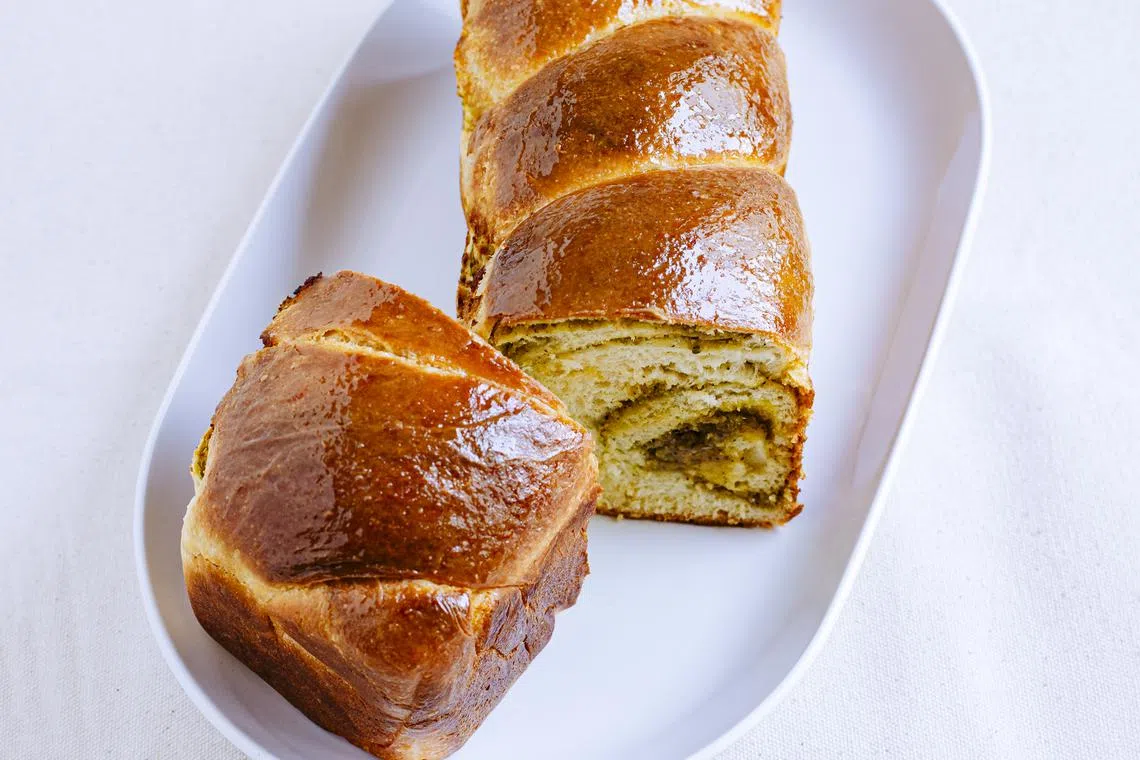
Out of this experience emerged a recipe for a “bababka”, essentially a cross between a “fancy Jewish bread” and “baba”, or a Peranakan gentleman. He offers three fillings for this marble cake-like loaf: durian pistachio, sambal buah keluak, and a sweet-and-sour peanut sauce he titles gado-gado.
There is also a recipe for taro min jiang kueh, inspired by street food in Thailand; and one for sourdough appam. He writes that appams are traditionally fermented with toddy, but sourdough starter “stands in brilliantly”.
Of course, there are also a few simple classics: kopitiam loaf, a sourdough batard and char siew bao, for instance.


This book isn’t for beginners, though. A few recipes require uncommon equipment (who owns an appam pan?), unconventional ingredients (where do you buy sake kasu?) and intermediate-level techniques.
For this review, I pick luncheon meat buns, which looks fiddly enough to test the credibility of the recipe, but with ingredients easily found on RedMart.
Two items are new to me: red yeast rice powder and shio koji, the latter being a type of fermented mould usually used to make sake, miso or soy sauce.
The detailed ingredient list is impressive. The luncheon meat recipe even specifies that the minced pork be 15 to 20 per cent fat.
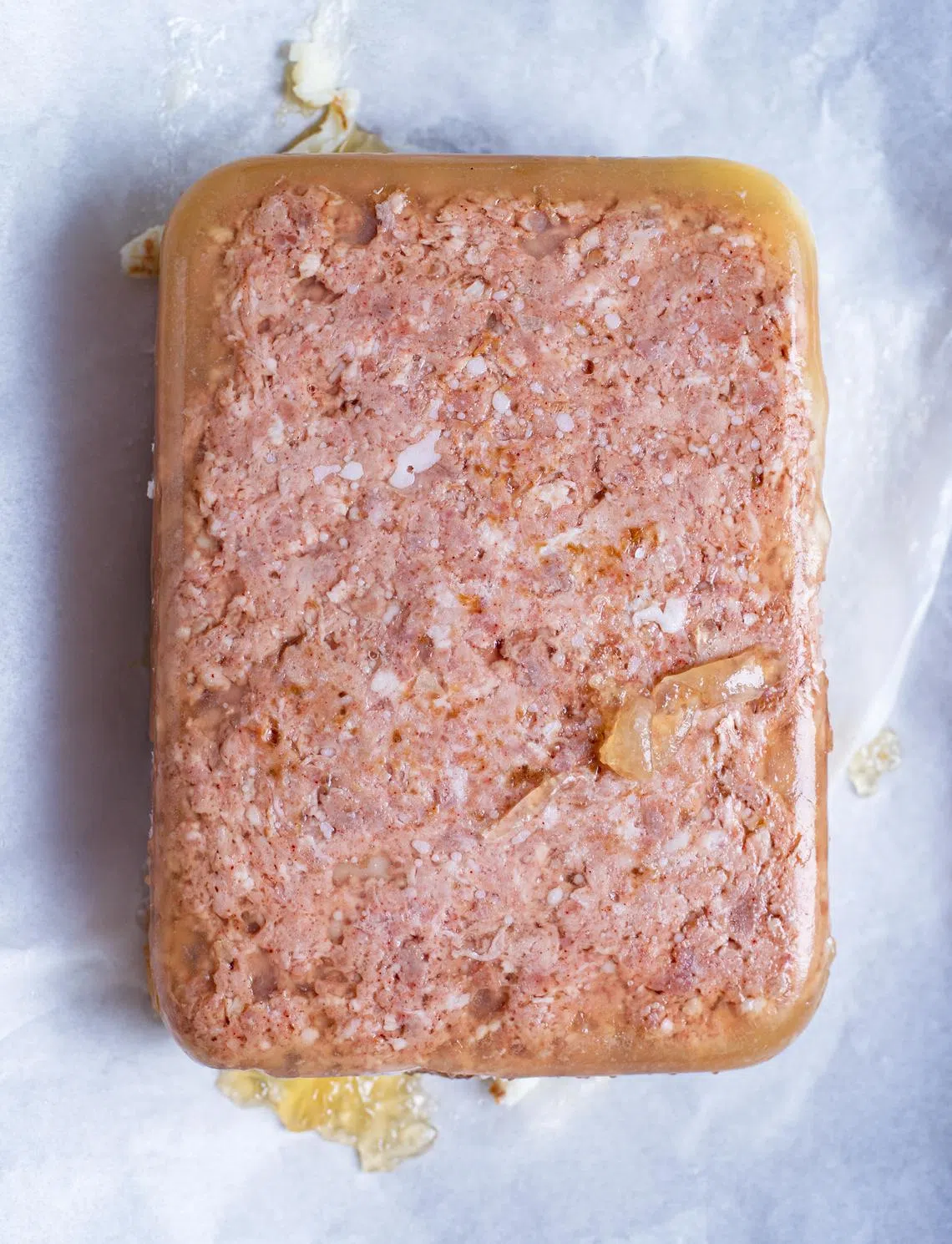
The method is equally detailed. Mix the seasoning blend with the minced pork and ham for a “full two minutes”, Tan insists. The seasoning has to be “evenly absorbed” and the meat should feel “cohesive”.
As a home cook who tends to trust feel and sight more than blindly following instructions, it’s rewarding to see that the two-minute mark coincides with the right absorption and cohesion.
When it comes to the dough, the recipe’s suggestion to add the cubes of butter cold and all at once seems counterintuitive.
When making enriched dough, I typically either melt butter to knead in by hand, or put softened pats into the mixer one at a time.
Tan’s method saves time, with no discernible difference in texture. The resulting dough is wet, but elastic and easy to work with.
Fancy ingredients and daunting processes aside, Tan has produced a cookbook that would be accessible to anyone with perseverance and attention to detail.
There are detailed instructions for kneading the dough, weighing it out and shaping it. Following his step-by-step guide, which comes with pictures for each step of the process as well as detailed measurements for the length and width of dough and meat, it’s surprising how easily everything comes together.
Even the suggested spacing between the buns on the tray is perfect. The buns rise in neat puffs, just slivers away from each other.

The buns are best eaten within minutes of leaving the oven. The recipe says they can be revived in a steamer or toaster oven, but there is a big taste difference.
My colleagues rated them, on average, 8 out of 10. The bread is good, but the luncheon meat may not be worth the time unless you are trying to eat more healthily.
They need 24 hours of marinating, 70 minutes of steaming, and another 11 hours of cooling (five on the counter and “at least” six in the fridge).
You also have to slice and pan-fry the meatloaf for stuffing into the buns.
All that adds up to a production time of at least three days, for just 12 buns.
Of course, this is a book about baking and not meat-making. Hardcore luncheon meat fans can just buy the canned variety. Or, as one colleague quipped: “Some people just like that kidney-failure-level of sodium.”
If you’re looking to challenge yourself in the baking department, NerdBaker 2 is an enticing starting point. Next on my list: masala oat buns and sake kasu anpan.
Decoding Asia newsletter: your guide to navigating Asia in a new global order. Sign up here to get Decoding Asia newsletter. Delivered to your inbox. Free.
Copyright SPH Media. All rights reserved.