

Nice surprises from the rainy gloom of '14
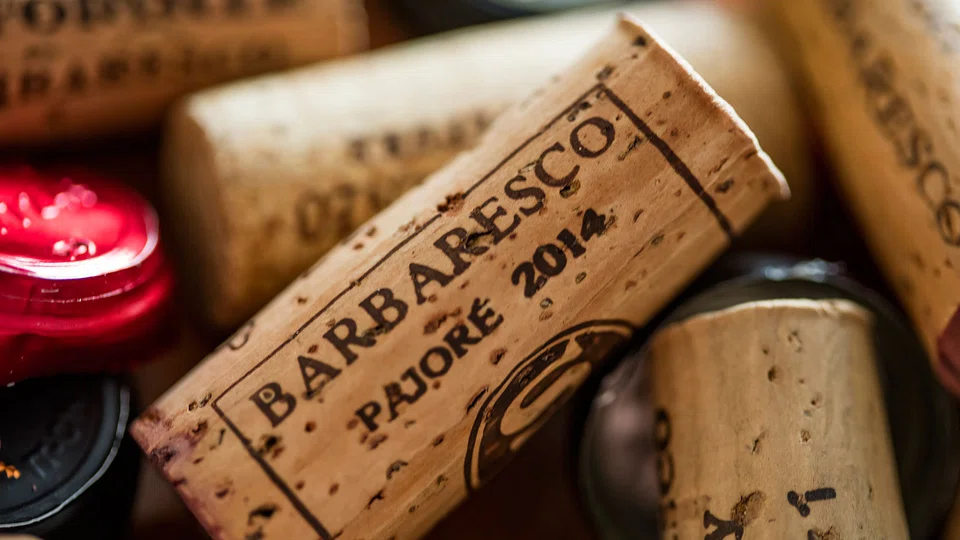
THE early reports on the 2014 vintage through much of Europe were not optimistic: rain, lots of it. In some places, it lasted through the spring. In parts of Italy, it carried on through much of the growing season.
Farmers depend on rain - when it comes at the right time and in the right amount to keep their vines healthy. But too much, combined with warm temperatures and plenty of humidity, can lead to mildew, fungus and rot. Yields can be diminished and the quality of the wines can be harmed.
Yet to the surprise of many people, the wines from some areas where gloom was deepest have turned out surprisingly well.
The Piedmont region of north-western Italy was one such place where pessimism seemed to have the upper hand. But early reports on the 2014 Barbarescos from those who had visited the region - and tasted from barrels and bottles - indicated that the wines were not at all bad. On the contrary, most tasters asserted, they were quite good.
At one time, perhaps as recently as 25 years ago, a vintage like 2014 might have been a total washout. Growers did not always have the resources or the know-how to combat such looming problems.
But today, regions where growing conditions were once on the cusp of being acceptable - like the Piedmont, Champagne or the Mosel Valley in Germany - experience far fewer bad vintages than they once did. The reasons include climate change, and an increased ability to manage vineyards under difficult circumstances.

When conditions are not ideal, the best producers know what to do. They have the equipment, philosophy and labour force to get it done. But it means a lot of hard work in the vineyard, examining vines and grapes, bunch by bunch, first trying to provide them with the best chance to prosper, then looking for evidence of damage and eliminating problems.
With the 2014 Barbarescos beginning to show up in shops, the wine panel decided it was a good time to check in on them and recently tasted 20 bottles. Florence Fabricant and I were joined for the tasting by two guests: Jenni Guizio, wine director at Maialino near Gramercy Park, and Joe Campanale, owner and beverage director of Fausto, which opened recently near Grand Army Plaza in Brooklyn.
Barbaresco has sometimes been an overlooked and underestimated wine, especially when compared with the more exalted Barolo, its sibling to the south-west, which is also made entirely of the nebbiolo grape.
The Barbaresco region is slightly warmer, lower and more protected than the Barolo zone, and the soils tend to be sandier. As a result, the wines are often a bit more accessible at an earlier age than Barolo. They are required by law to be aged for at least two years before they can be released, as against Barolo's three years.
Even so, these wines are never easy to drink young. Nebbiolo is notoriously tannic, with plenty of acidity, and regardless of how it compares with Barolo, Barbaresco is powerful in its own right. Even the most immediately appealing of the 2014s would benefit from another few years of ageing before drinking.
In the tasting, we found many good bottles, characterised by freshness, expressiveness and a lovely balance. But the wines were inconsistent. Some were oddly green, or overly astringent. And we were all surprised by how oaky some wines seemed, enough so that the barrel flavours may never integrate.
Oakiness was not an issue in the bottles we liked best. Our top wine, from De Forville, was a classic Barbaresco with beautiful floral and anise flavours, and an earthy minerality. It was a complete wine and, though accessible now, will get better only with age - say, five years or more. It was also our best value at just US$30.
Our No 2 bottle came from Produttori del Barbaresco, one of the great wine cooperatives of the world and always a reliable producer. We found the '14 to be impeccably balanced with flavours of red fruit, herbs and menthol.
No 3 was the Basarin from Marco e Vittorio Adriano - dense, tannic and powerful, yet pretty, with floral and mineral aromas and flavours. NYTIMES
TASTING REPORT
Best value 3-1/2 stars
De Forville Barbaresco 2014
Structured yet approachable, with pure, pretty floral and mineral aromas and flavours.
3 stars
Produttori del Barbaresco Barbaresco 2014
Impeccable balance of fruit, tannins and acidity, with flavours of red fruit, herbs and menthol.
Marco E vittorio Adriano Barbaresco Basarin 2014
Densely-flavoured and tannic, with pretty aromas of flowers and great minerality.
2-1/2 stars
Cascina delle Rose Barbaresco Rio Sordo 2014
Soft, elegant and accessible, with aromas and flavours of red fruit and flowers.
Luca Bosio Barbaresco 2014
Densely structured and substantial, with underlying flavours of dark fruit and anise; needs time.
Fiorenzo Nada Barbaresco Rombone 2014
Modern style, with ripe fruit and well-integrated oak.
2 stars
Castello di Neive Barbaresco 2014
Elegant, with flavours of menthol and licorice, and a touch of well-integrated oak.
Ca' del Baio Barbaresco Vallegrande 2014
Powerfully tannic, with resolute floral aromas and flavours of dark fruit.
Ceretto Barbaresco 2014
Subtle and earthy, with aromas of dark fruit, flowers and a touch of oak.
Sottimano Barbaresco Pajoré 2014
Straightforward flavours of red fruits, flowers and oak.
Share with us your feedback on BT's products and services






