
The OC creators are right back where they started from
 Add BT as a preferred source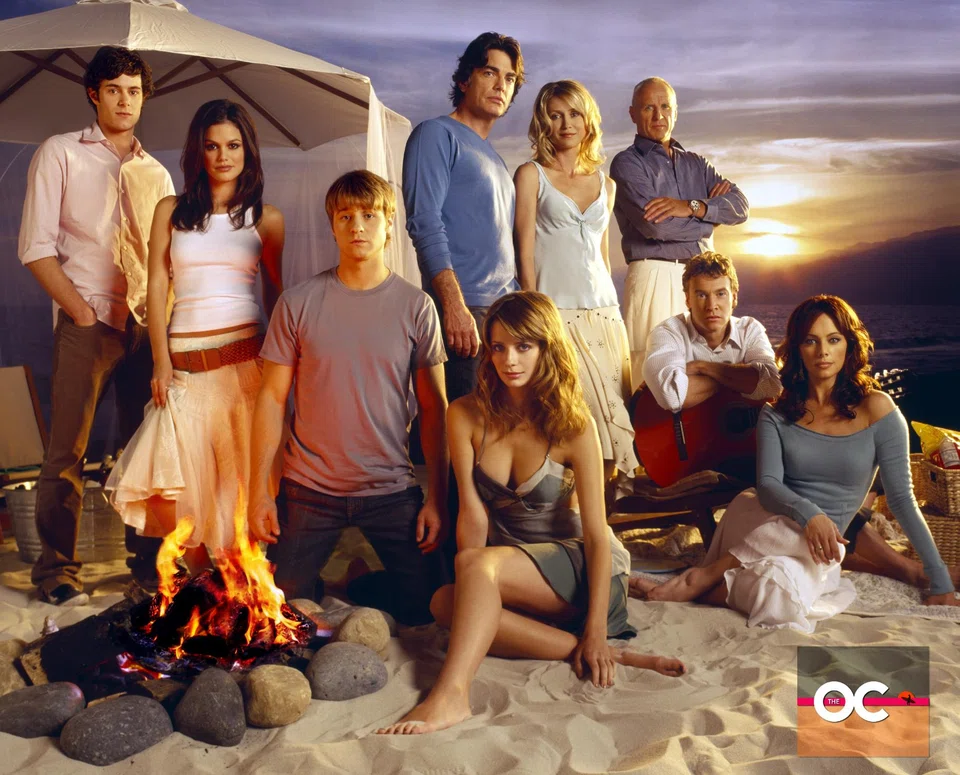
“WE DIDN’T know anything,” Josh Schwartz said. “We didn’t know the rules, and we were making it up as we went along. That’s something that you learn from.”
“But you can’t repeat it,” he continued. “You can only do that once.”
Schwartz and his producing partner, Stephanie Savage, have created many coming-of-age series, including Gossip Girl, Looking for Alaska and City on Fire. But he was referring to their first show, which he dreamed up at 26 – The OC.
A hybrid of a glossy nighttime soap and a quirky teen comedy, The OC aired its first episode on Fox in summer 2003. This story of a boy from the wrong side of the tracks (though how wrong is Chino, California, really?) taken in by a wealthy Newport Beach, California, family became a sensation among younger viewers, and it made stars and tabloid phenomena of actors Mischa Barton, Rachel Bilson, Adam Brody and Ben McKenzie.
That first season burned through stories as though they were beach bonfire kindling. It blazed less brightly in the second season, and by the third (20-year-old spoilers follow), which culminated in the death of Barton’s poor-little-rich-girl Marissa, that flame had guttered. Following a shorter fourth season, the series ended in 2007.
“I personally felt like I had failed,” Schwartz recalled.
Navigate Asia in
a new global order
Get the insights delivered to your inbox.
This was during a recent joint video call with Savage, but the mood was celebratory, not remorseful. Because in a twist worthy of the show’s first season, The OC has lived on, admired by a new generation and at least partly responsible for introducing idiosyncrasy and quirk into the conventional network formula.
Now with the publication of Welcome to the OC: The Oral History, a collaboration among Savage, Schwartz and Rolling Stone TV critic Alan Sepinwall, its legacy also includes a book. In conversation with all the members of the main cast as well as network executives and members of the crew, the book explores the audacity, challenge and often painful compromise of making an hour-long show in the decade before streaming began to dominate.
Schwartz and Savage discussed bikinis, burnout and what they learned about killing off young, attractive leads. These are edited excerpts from the conversation.
Q: What was the original pitch for the show?
Schwartz: I had gone to USC (University of Southern California). As a Jewish kid from the East Coast, I felt like an outsider. The original pitch was centred on a character named Lucy Munoz, whose father was the gardener and house manager of the Atwood Estates in Newport Beach. Ryan Atwood was a wealthy kid. Lucy Munoz was our fish out of water. There was still a Seth character, though he was much nerdier. That was the pitch until we went into Warner Bros.
Q: What did Warner Bros have to say?
Schwartz: Warner Bros said: “We love everything about the world of the show. Can you just change the entire concept?” There were multiple shows that year that centred on a white guy-Latina Romeo and Juliet love story. So they said: “Could you reconfigure the premise of your show? In three days?”
Q: What were those three days like?
Savage: They were intense. We came out of that meeting feeling like we were dead in the water, but we were determined to keep going. The core of what Josh and I originally talked about was, how do you do something that felt like The Breakfast Club in a gated community in Orange County? We changed the chairs that these characters were sitting in but still kept that core idea.
Q: In the book you talk about the show as a Trojan horse. What’s the horse, and what’s inside it?
Schwartz: The horse is a glossy nighttime soap in the tradition of Beverly Hills 90210, with bikinis and bonfires and fistfights at galas. The soldiers inside were our characters. We were inspired, as Stephanie said, by John Hughes movies and by My So-Called Life and Freaks and Geeks – beloved, short-lived TV series that were very soulful and had great humour.
Q: Did you feel you achieved that?
Schwartz: The first eight episodes were a perfect distillation of that Trojan horse. That was the horse breaching the gates. We were in!
Savage: That was a really fun run. The show launched in the summer, which was very unusual. We did those episodes with no feedback coming from the outside world. We were making them in a bubble, which was a really freeing and rewarding experience.
Q: You have a strong first season and a second season that mostly sticks the landing. Then what happens?
Schwartz: By the time we hit Season Three, there were a number of factors at play. I was burned out. Steph probably feels the same. We had blown through a lot of story and were challenged to keep creating new story. A lot of our characters had left the show – that was on us as well. And some of the other actors were ready for that next level, movie offers or what have you. So there was frustration there. Ratings inevitably start to soften; people tried to fix that. Sometimes you can just leave the burners on for too long and overcook story. We lost our sense of irony, our sense of fun. We became the type of melodrama we would have made fun of in Season One.
Q: If you had to do it over again, would you still kill Marissa?
Schwartz: There was a vocal minority online that had grown frustrated with the Marissa storyline. That in conjunction with a lot of network pressure to kill a main character as a way to spike viewership drove the decision to kill Marissa. The night that the show aired, we heard from a whole other swathe of the audience that loved the show, watched every week, didn’t feel the need to log into a forum to analyse it. For a lot of people, Marissa was the character they were watching for, Mischa was the actress they found the most exciting, and Ryan and Marissa were endgame. We violated that in one fell swoop. It’s now part of the legacy of the show. We’ve had to accept it. It hasn’t stopped us from killing other young women in other shows that we’ve done.
Q: Have you learned nothing?
Schwartz: We haven’t. But here we are: It’s 20 years later; people still want to talk to us about the show. The legacy feels really secure to us now, and we can appreciate it.
Q: Do you see the influence of The OC on subsequent shows?
Schwartz: Laguna Beach: the Real Orange County was a result of the show, which then led to The Real Housewives of Orange County, which has now spawned an entire franchise, which we should have seen coming and gotten a piece of.
Savage: Marc Cherry has told us that he doesn’t think he would have been able to do Desperate Housewives if it weren’t for the success of The OC, in that regard of doing something that had a lot of humour and voice to it.
Decoding Asia newsletter: your guide to navigating Asia in a new global order. Sign up here to get Decoding Asia newsletter. Delivered to your inbox. Free.
Share with us your feedback on BT's products and services

