

Off the grid ways to enjoy nature

BEING unable to travel over the last two years has led many locals and expats to check out the country's outdoor offerings, such as cycling along the park connectors and the Rail Corridor.
But that hasn't been enough for some people who want to connect with nature in more novel ways. Take Joanna Cheng-Ajlani for example. During pre-pandemic days, she and her husband would take their two daughters on annual trips that "push the kids out of their comfort zone", says the executive director of a commodities trading firm. "We were also very bored with the typical staycation."
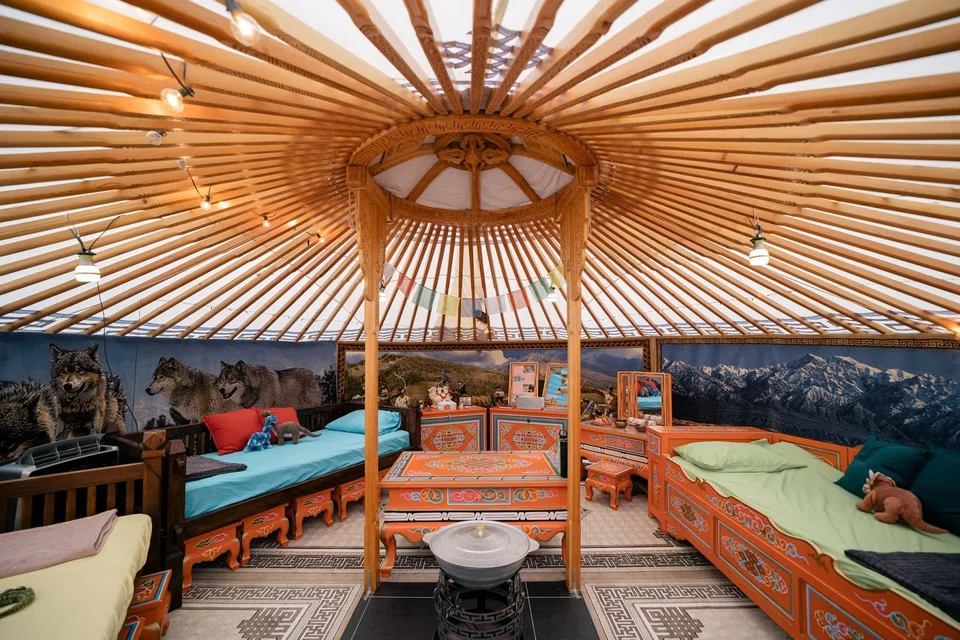
Late last year, the family went on a 2-day/1-night Mongolian yurt getaway at a campsite in Yishun with boutique travel firm Beyond Expeditions.
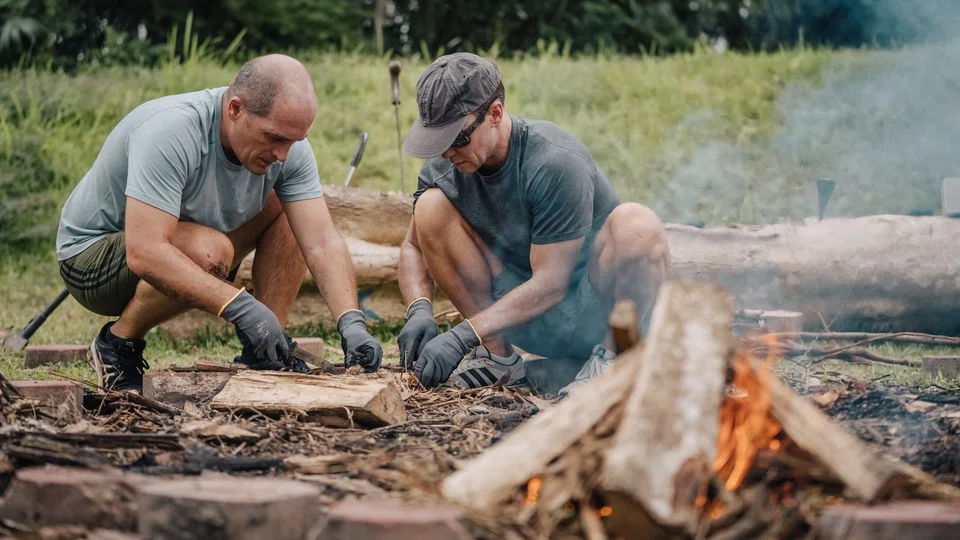
Besides the experience of spending a night in a yurt, the family picked up some survival skills, such as learning how to build a fire, and even chop wood.
Of the experience, Cheng-Ajlani says: "I wouldn't chop wood unsupervised, but I'm confident I can start and sustain a small fire with bits and pieces I find in the woods - if I really had to."
Here are some experiences to try.
Just like camping out in Mongolia
BEYOND EXPEDITIONS
A day out at sea, or a staycation in Sentosa might give the feeling of being away from Singapore, but for a more exotic experience, consider Beyond Expeditions' 2D1N Yurt Getaway.
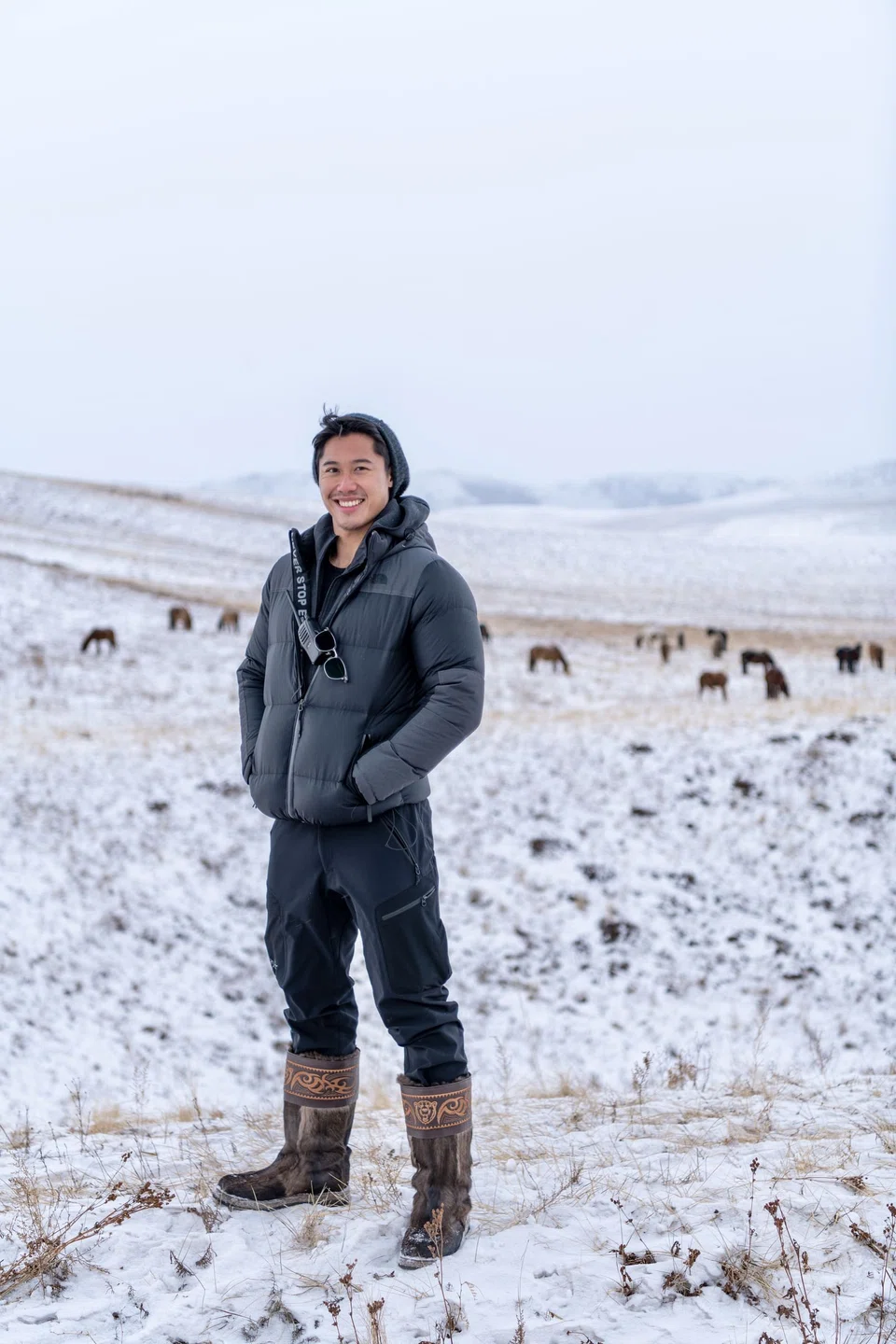
There is no need for passports nor planes to catch. Instead, participants head out to a campsite off Sembawang Road, where founder Scott Tay (below) has constructed a traditional Mongolian yurt.

Tay says the site is a mini kampung space that is close to nature with lots of freedom for participants to move around.
Since introducing the getaway in October 2021, more than 150 people have stayed in the yurt. "Most are families with children," says Tay.
Tay started his boutique travel agency Beyond Expeditions in 2017, organising trips to Mongolia, Kazakhstan and Ladakh.
"I wanted to share with more city folks in Singapore that high level of autonomy and liberation that I had experienced on my first visit to Mongolia in 2015," says Tay, who has visited the country more than 20 times. "When you're out in the steppe, time becomes obsolete."
When the pandemic hit and he couldn't bring Singaporeans to Mongolia, he decided to bring a slice of Mongolia here.
"The yurt is the best representation of Mongolia culture and it is also unique," says Tay.
The medium-sized yurt which can sleep six people was given by the embassy of Mongolia, and is filled with furniture and decorative items, such as sheep ankle bones which Mongolians use for playing chess and fortune telling. Those who don't like the heat will be relieved to know that there's air-conditioning inside the yurt.
The stay is more than just spending time in a yurt. To give participants the experience of living like a Mongolian nomad, Tay teaches some survival skills such as how to start a fire, as well as using tools such as machetes and axes.
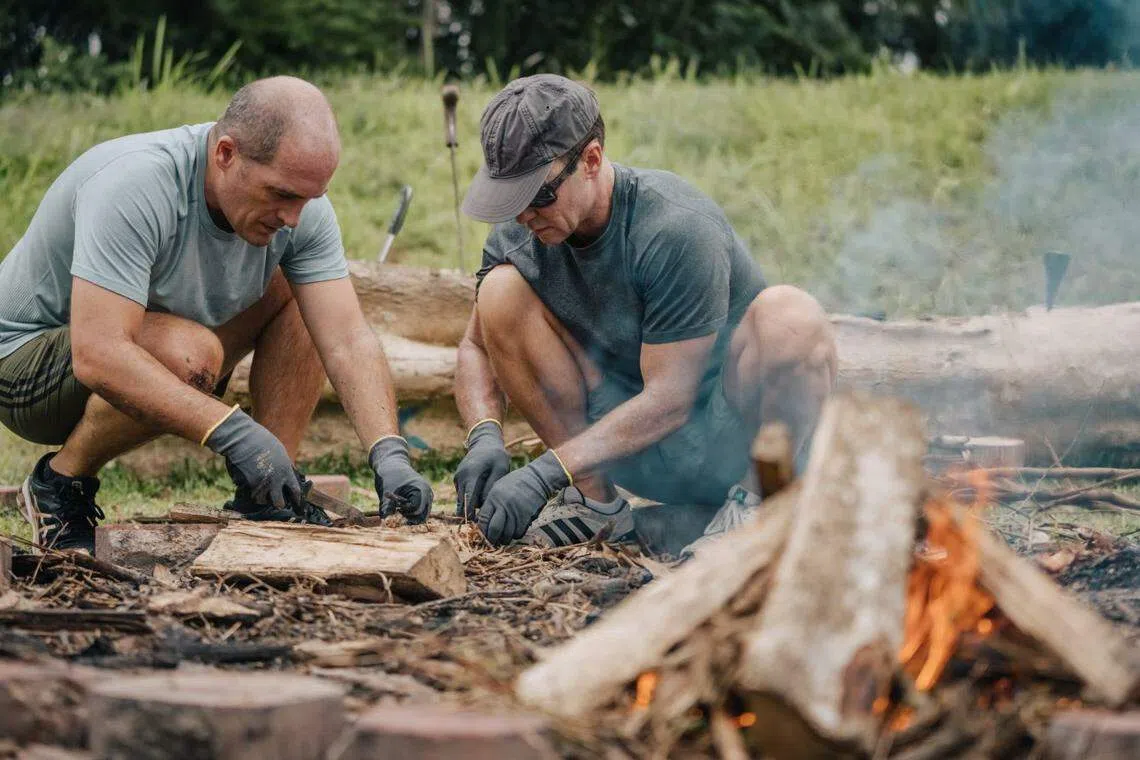
"We teach the skills which are necessary for nomads to thrive in those harsh outback," says Tay, who picked up some skills from Mongolian nomads and through his own practice. "We witnessed a lot of grit, perseverance and everyone is prepared to get down to business, including the kids."
Vegetarian meals are provided but participants are expected to help with the outdoor cooking too. At night, Tay screens videos of Mongolia and participants can also opt to watch movies under the stars.
He adds: "Many are grateful for this mini digital-detox experience because the space we're located at really feels as if it's not in Singapore. We also learnt that there are still a lot of Singaporean parents out there who want their kids to be exposed to the outdoors - to go on a little bit of a 'digital detox' and to reduce screen time, to just get out and experience nature."
Getting wet and muddy
LONGKANG ADVENTURES
instagram.com/longkangadventures
Back in the day when there were no digital gadgets, it was common for kids to head outdoors to play.
Akasha Rahman remembers playing in the longkang (the Malay word for drain). It was such a wonderful experience for him that he decided to name his adventure company after it.
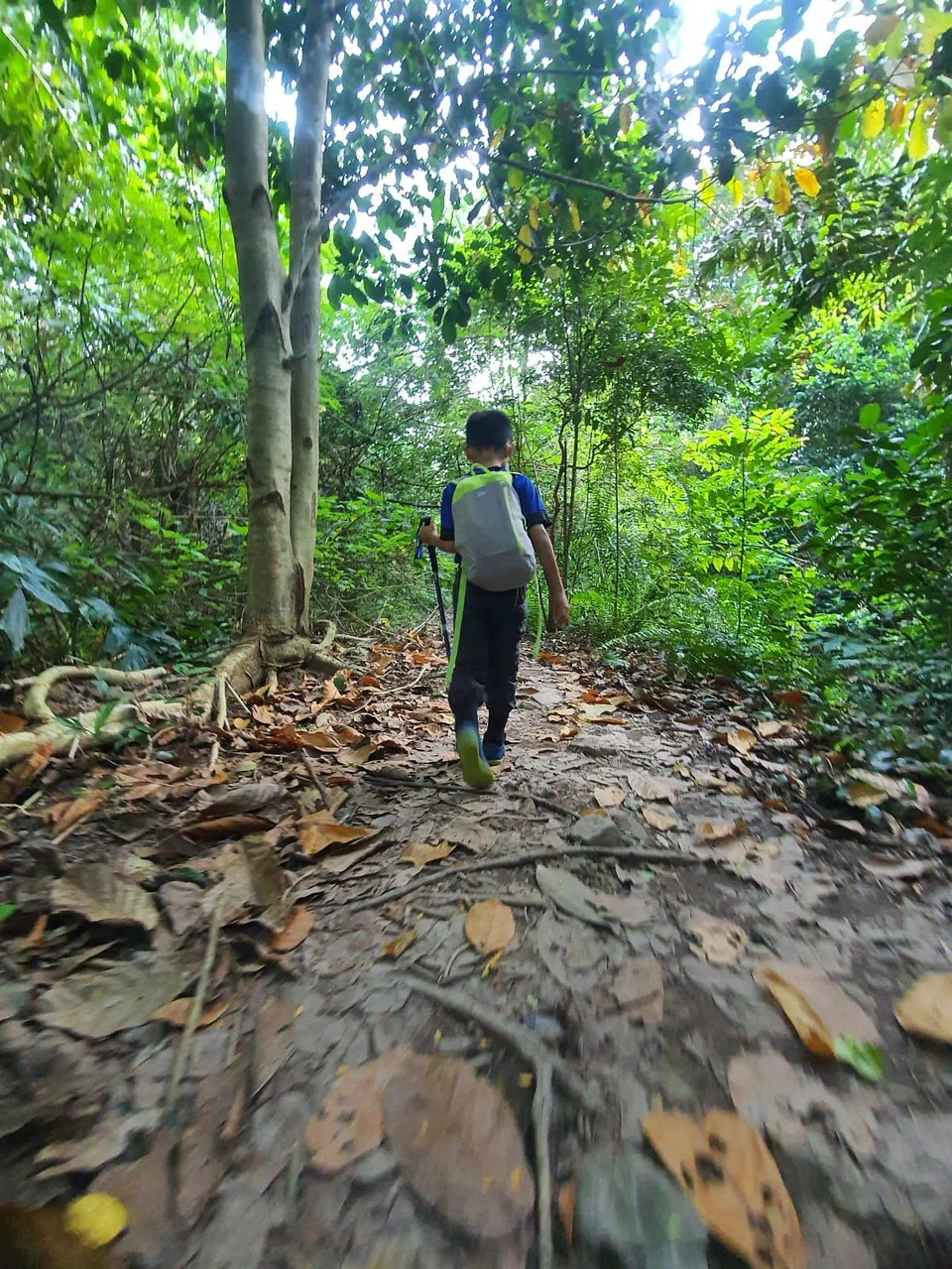
Longkang Adventures offers 6 programmes, such as longkang fishing, raft building and trekking through Clementi Forest, designed for kids from aged 4.
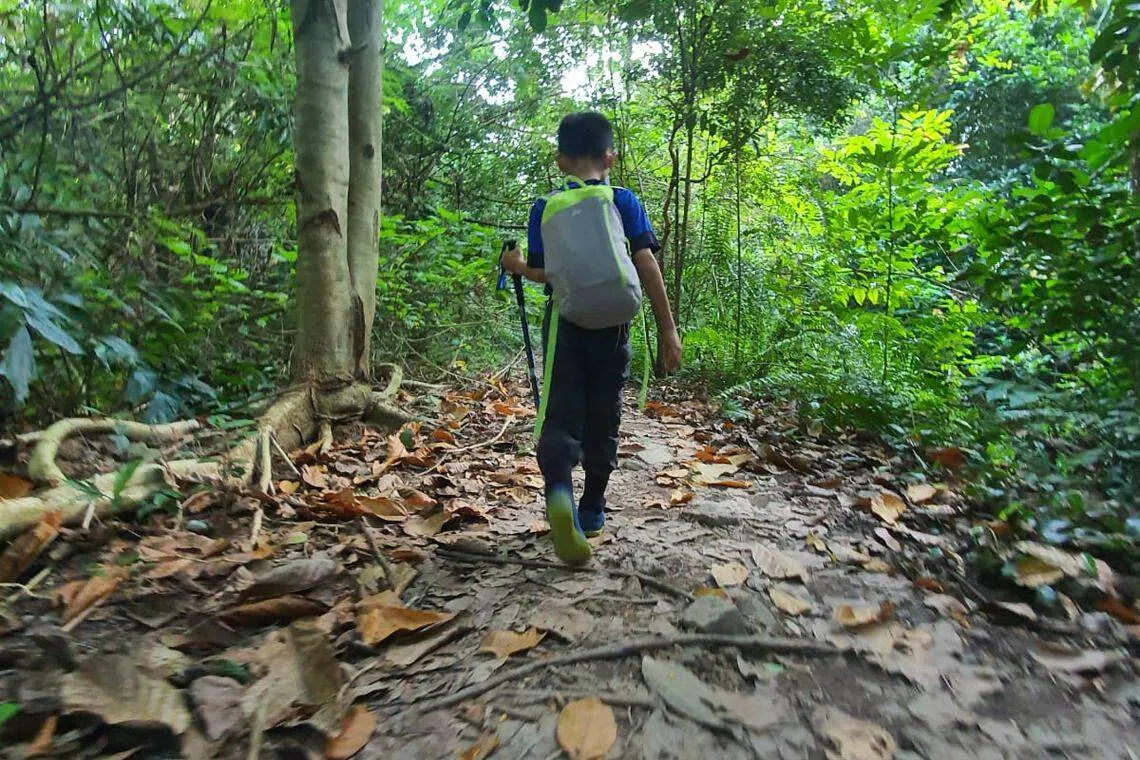
"I noticed there are plenty of enrichment programmes or "play and learn" programmes.They're great and the children will definitely benefit from them but why can't programmes be just about play? Since I really enjoyed my childhood, I would want that for them too," says Akasha, who has been a freelance outdoor camp instructor since 2006. Since the company started slightly more than a year ago, its most popular activity has been longkang fishing. Kids are dropped off and together with a guide, they hike through Clementi Forest foraging for materials to make a temporary fishing net. Participants fish for the wild guppies in the muddy streams. All fish are released into the water after.
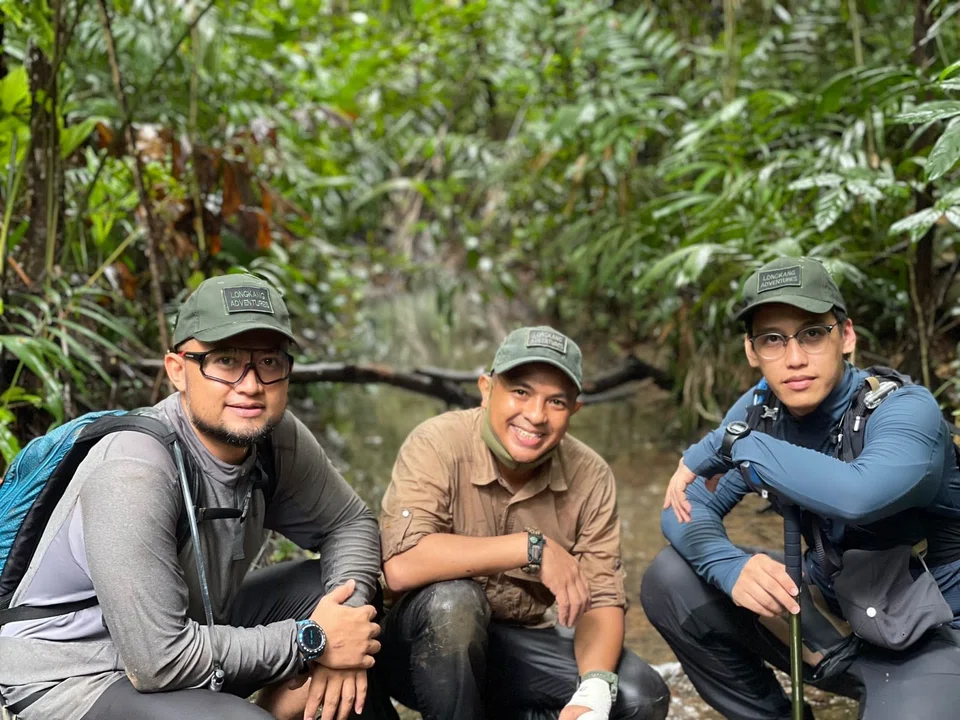
"Most parents were initially worried that they or their children might be disgusted by the idea of having to trek through the forest but after the session, they were surprised by how much they enjoyed themselves and didn't mind getting wet and muddy," says Akasha (below, middle)
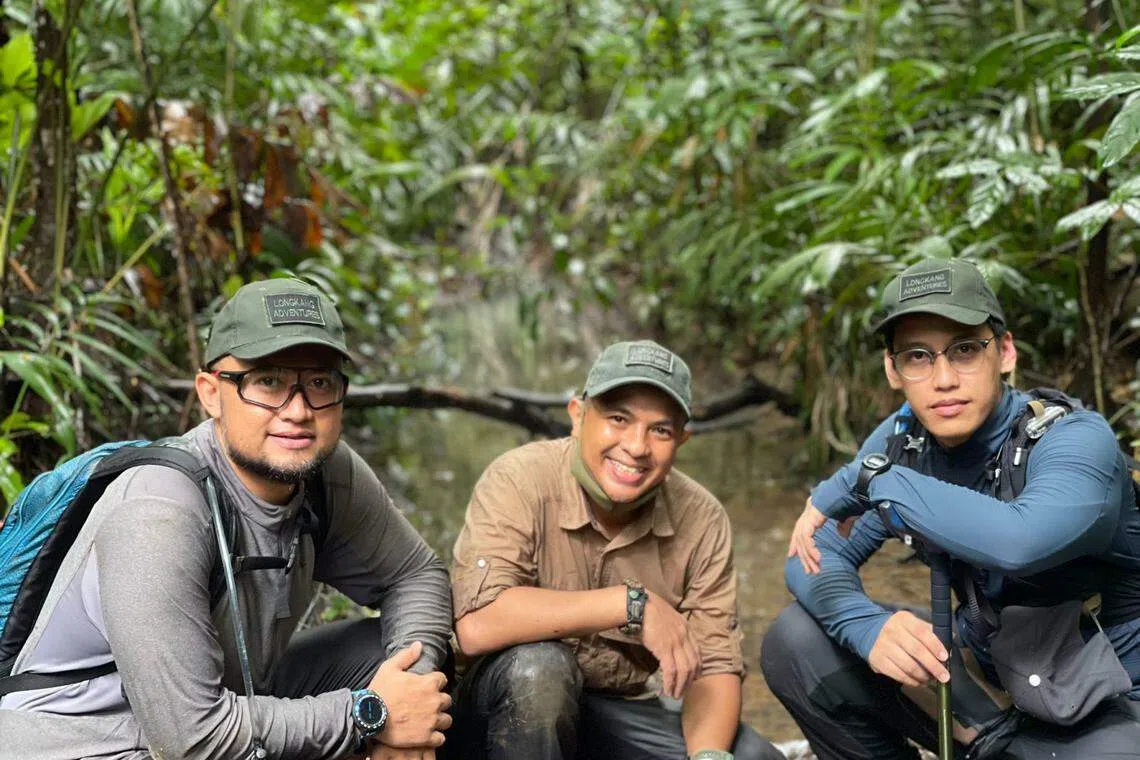
Kids are the main target audience, but parents can join in the experience too. Akasha adds that lately, they have also been getting requests from adults who want to participate. While adults are not his main focus, he is able to accommodate private sessions for them.
One such participant is brand communications manager Mahdhir Mustaffa, who trekked through Clementi Forest with Longkang Adventures.
"The guide knew the area like the back of his hand. We went into areas not typically covered by unguided hikers, which meant we got to see parts of Singapore that were extremely different from the usual, manicured scenes which was refreshing," says Mahdhir.
Akasha says Longkang Adventures was a coincidental startup. Thanks to the pandemic, he was unable to continue his F&B business. Feeling depressed, he headed to a nearby forest to find peace. "One thing led to another and Longkang Adventures was born," he says.
He adds: "I'm sharing what I used to do as a kid and want other children to experience that too. That said, we hope participants will leave with a love and respect for fun and nature."
Wildlife Spotting
THE UNTAMED PATHS
For most Singaporeans, seeing wildlife in the country might mean a visit to the zoo, spotting otters frolicking or crossing paths with a family of monkeys at the nature reserves.
But Dennis Chan, founder of The Untamed Paths, which runs holistic eco-enrichment programmes, says there's more to Singapore's wildlife than what most people know.
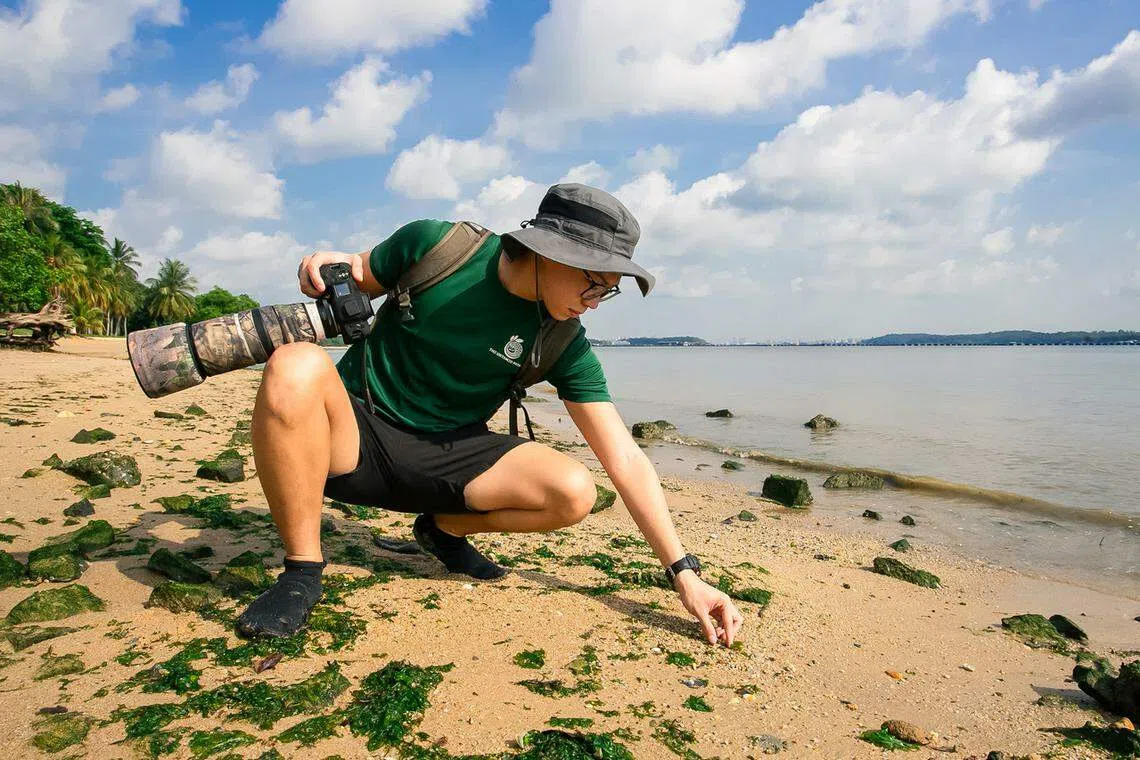
He started the firm in early 2020 out of a passion for wildlife and biodiversity knowledge which he felt was lacking in Singapore then.
"People are interested and even concerned about local wildlife but they may not know how to appreciate and respect them in their space," says Chan. "I started The Untamed Paths to provide an avenue for the layman to obtain knowledge and experience the biodiversity in Singapore."
With Singaporeans stuck at home since the pandemic, there has been an increase in the number of participants joining, mostly families and young adults.
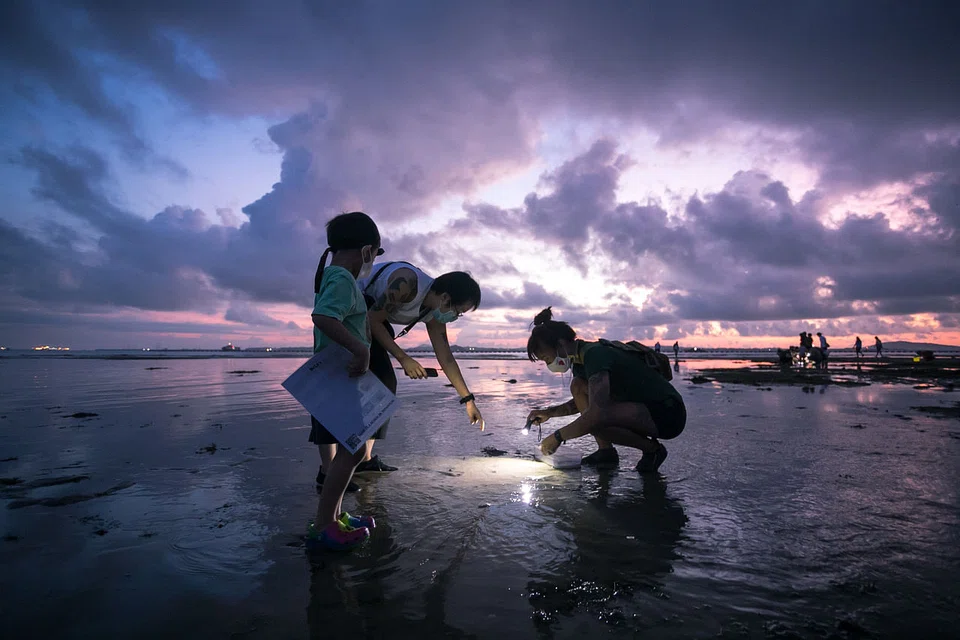
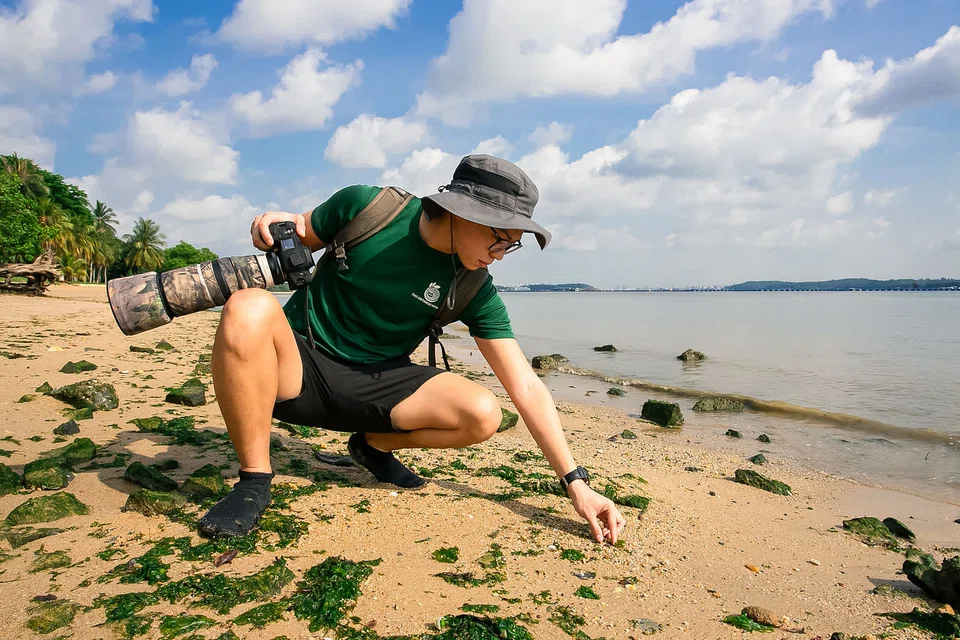
The intertidal walks have been popular.
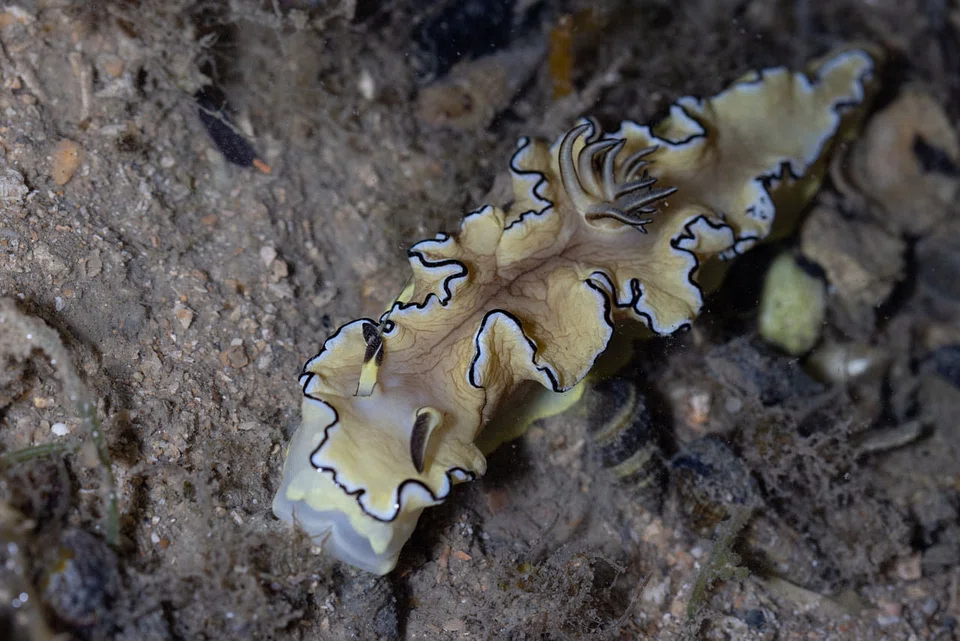
Chan and his team take participants out to Pasir Ris and Changi to look for echinoderms, crustaceans, bivalves and other quirky marine wildlife.
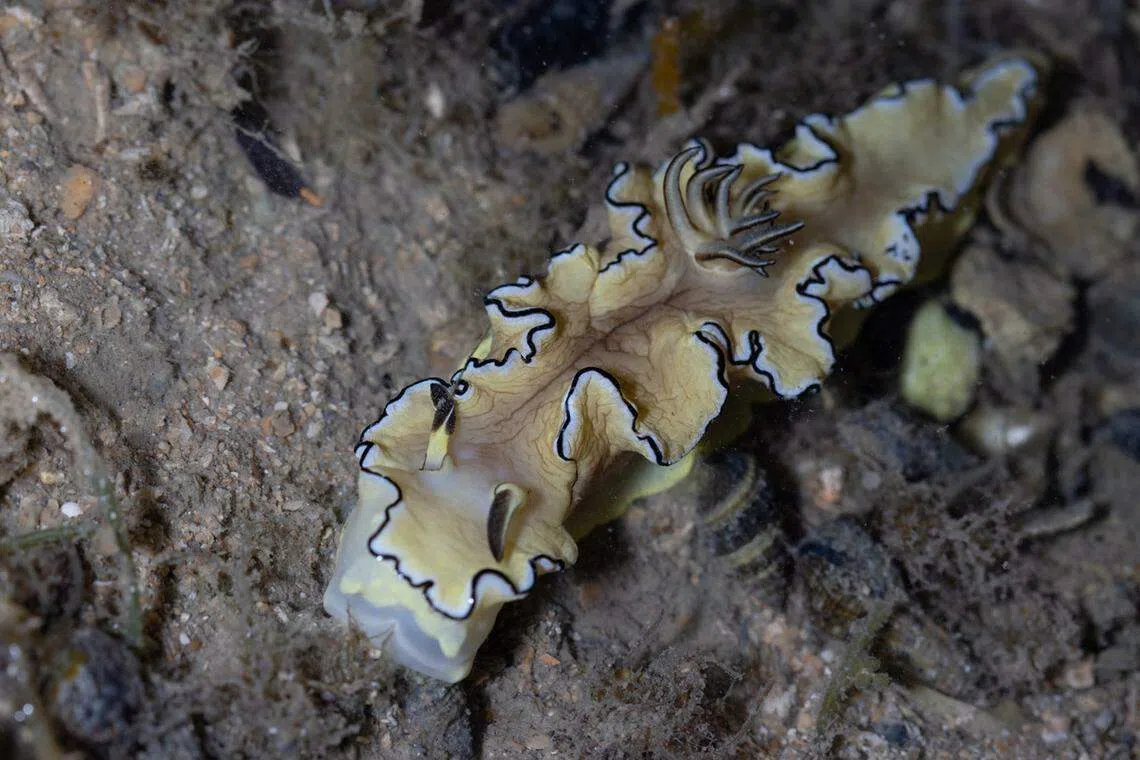
Those who want to venture further have the option of taking a ferry out to the Southern Islands to see marine life.
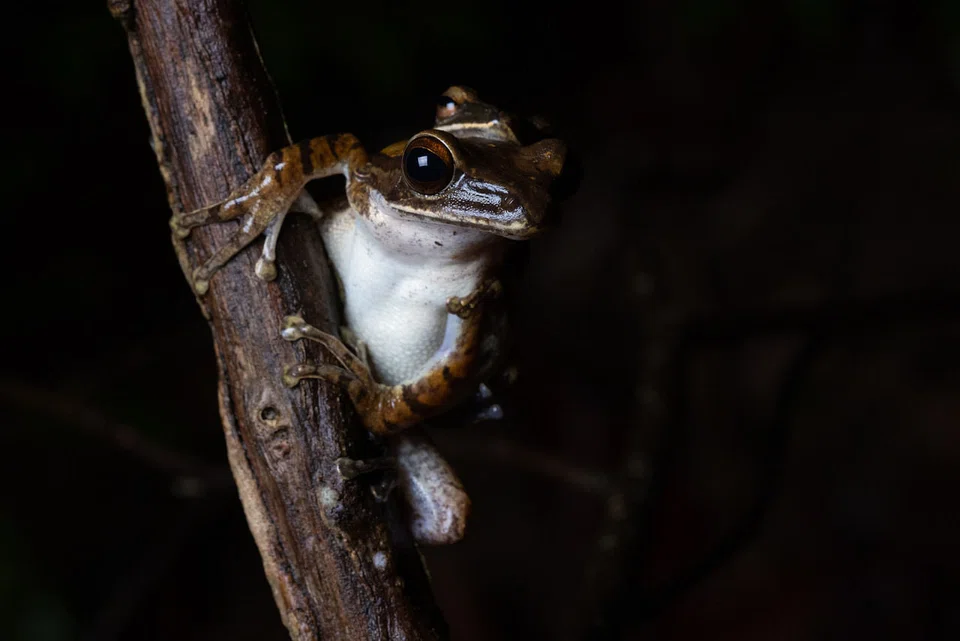
The firm also runs night adventures to spot nocturnal wildlife.
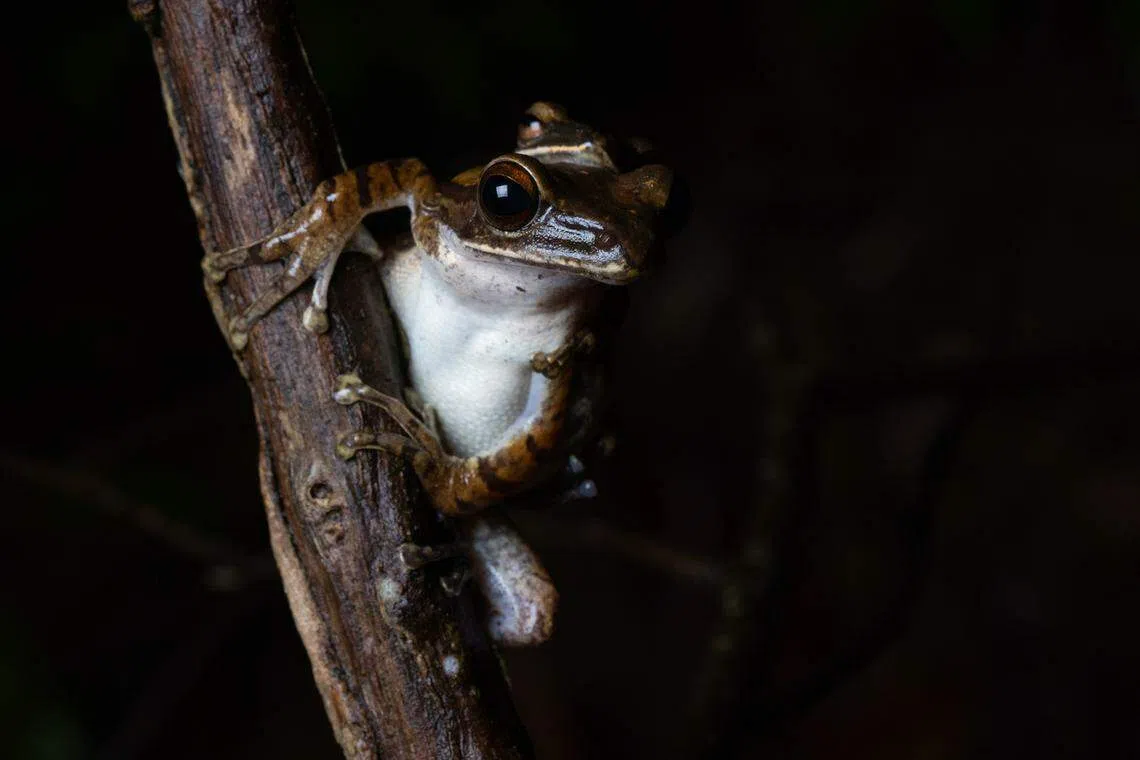
For example, on Sentosa, participants might come across spotted tree scorpions, owls and roosting serpents. Pasir Ris residents might not know it, but the nature areas there are home to spiders, invertebrates, serpents and mangrove inhabitants.
"The team spent several months walking the ground and understanding what we can find in a certain area. We then educate ourselves on the ecology of the animals with higher probability and build the programmes around them," says Chan.
The Untamed Paths prides itself on taking an experiential learning approach where time is spent sharing with participants about certain animals and how they thrive in a landscape like Singapore. "We focus not only on finding interesting or uncommon animals but (also) on the education side of things," says Chan.
He adds: "We hope to ignite curiosity and love for wildlife. Some of these programmes have been life-changing for some and we hope that people in Singapore can continue to understand and empathise with the animals as we co-exist in a city in nature."
Sensory connections
XIU NATURE CONNECTIONS
The next time you are at a park or nature reserve and see a group of people walking really slowly, don't hurry them on.
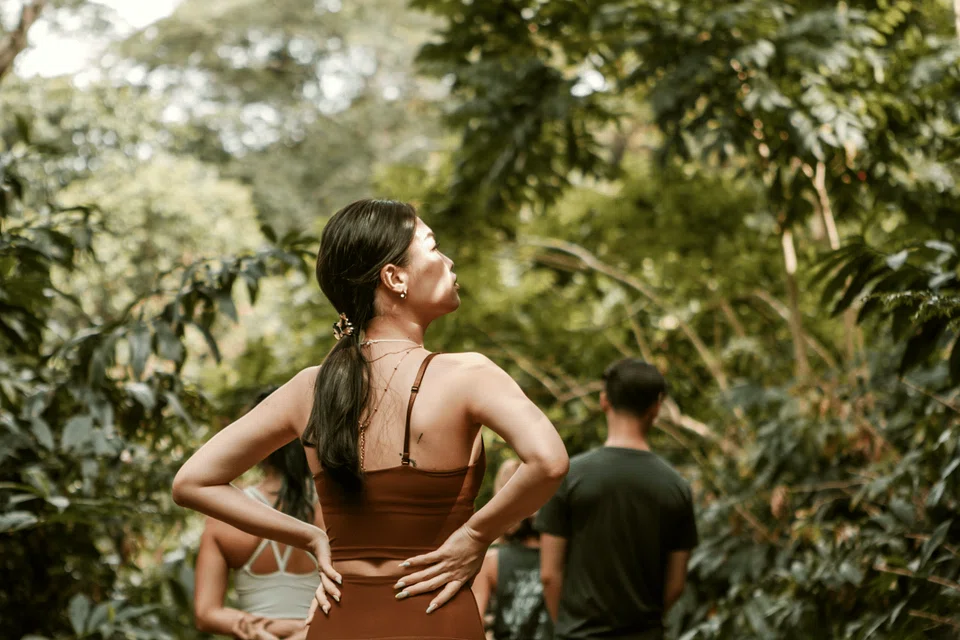
They could be taking part in forest bathing or shinrin-yoku, the Japanese practice of immersing oneself in the forest, taking in the sights, sounds, smells, tastes and textures.
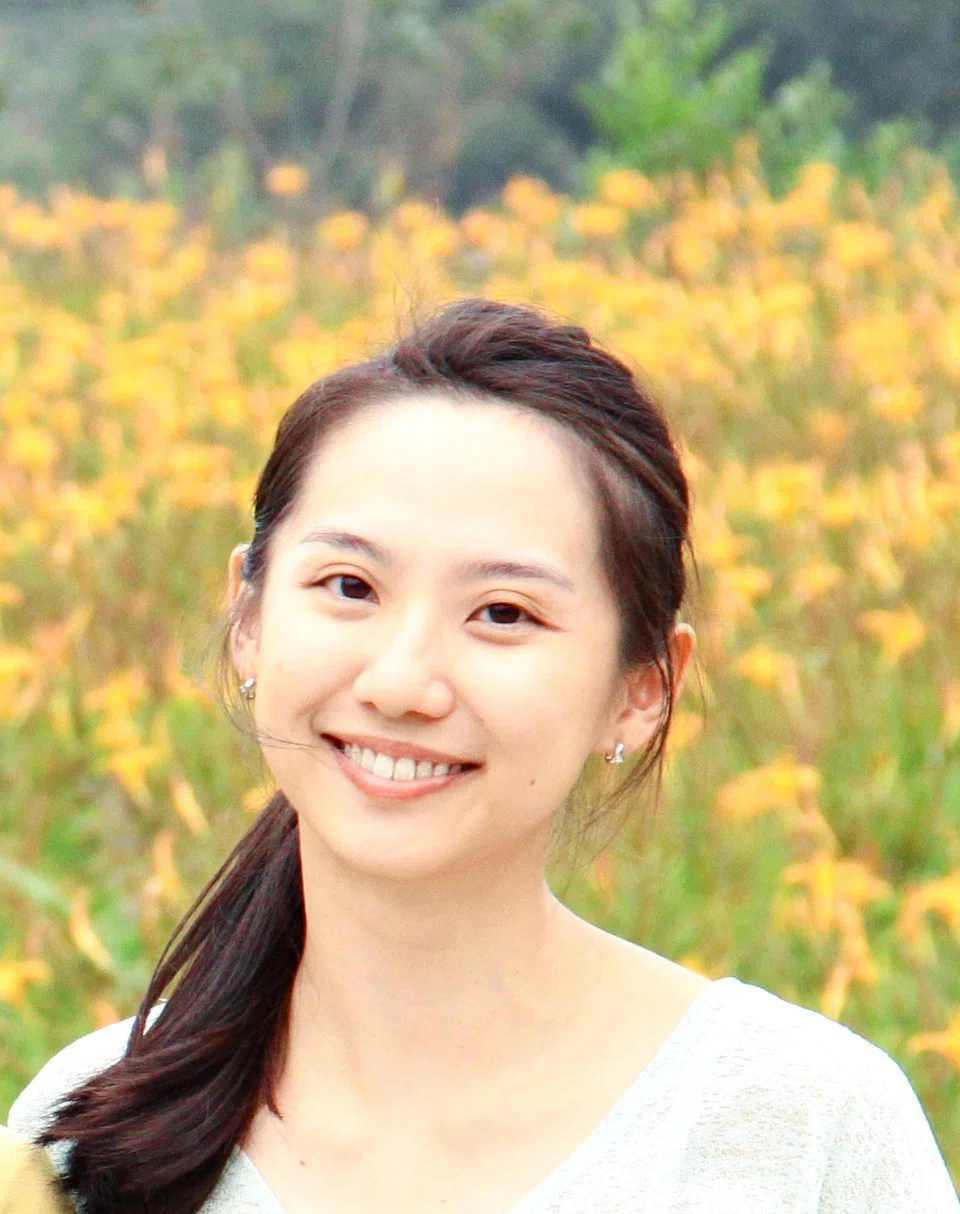
Over the last few years, Yap Youmin, a certified nature and forest therapy guide and trainer and founder of Xiu Nature Connections, has seen an increase in the number of participants who go on a forest bathing experience with her.

"Since the pandemic started, people have been gravitating towards nature, and there has also been more awareness about mental and emotional wellbeing. Besides going for walks, people have been wondering what more they can do and along the way, have found out about forest bathing," says Yap.
She says that while forest bathing involves walking through a location, it is not about covering distances or counting steps. Neither is the focus learning more about the flora and fauna. Instead, participants take a slow walk and use their senses to become more aware of their surroundings.
For example, Yap might ask participants to close their eyes and listen to their surroundings and see what draws their attention.
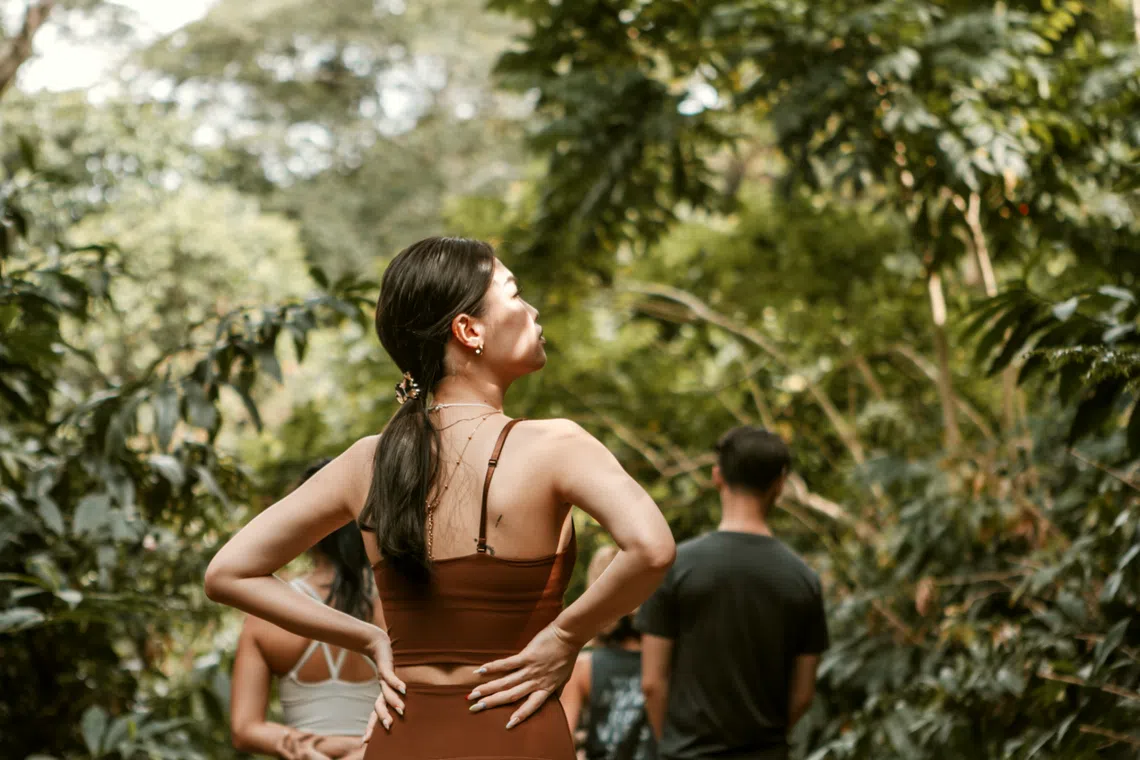
Then there are also sharing sessions, where participants talk about their observations, feelings and personal stories.
"Each participant has a different reaction to forest therapy, but most people feel very relaxed after, and lighter, as if they've had some weight taken off their chest," says Yap, who first went on a slow hike in Kenya a few years ago. She returned feeling a change within and subsequently left her corporate job to become a forest therapy guide.
Yap says that because forest therapy is gentle, it is suitable for anyone, even for seniors with mobility challenges, where she will tailor a special programme for them.
Participants include stressed-out working adults, as well as many organisations which use forest therapy as a form of team building.
"Through forest therapy, these corporate clients see a different side of their colleagues," she says.
She says that in Singapore, where everything and everyone moves at a fast pace, forest therapy may be beneficial for everyone. "In our culture, the focus is more about doing, rather than being," she says. "We tend to forget how to feel and use our senses. Through forest therapy, our senses are awakened and make us feel more alive."
Decoding Asia newsletter: your guide to navigating Asia in a new global order. Sign up here to get Decoding Asia newsletter. Delivered to your inbox. Free.
Copyright SPH Media. All rights reserved.
TRENDING NOW

Singapore identifies 7 firms responsible for haze fires, notices issued urging action: Grace Fu

DBS remains analysts’ pick ahead of Q3 earnings after Singapore banks’ share slump

High Court rules against Julius Baer’s Singapore trust arm in US$50 million family trust dispute

Could stablecoins be the future of money?

