
Online vigilantes go mainstream after Charlottesville
But once someone is labelled a Nazi on the Internet, that person stays a Nazi on the Internet
 Add BT as a preferred source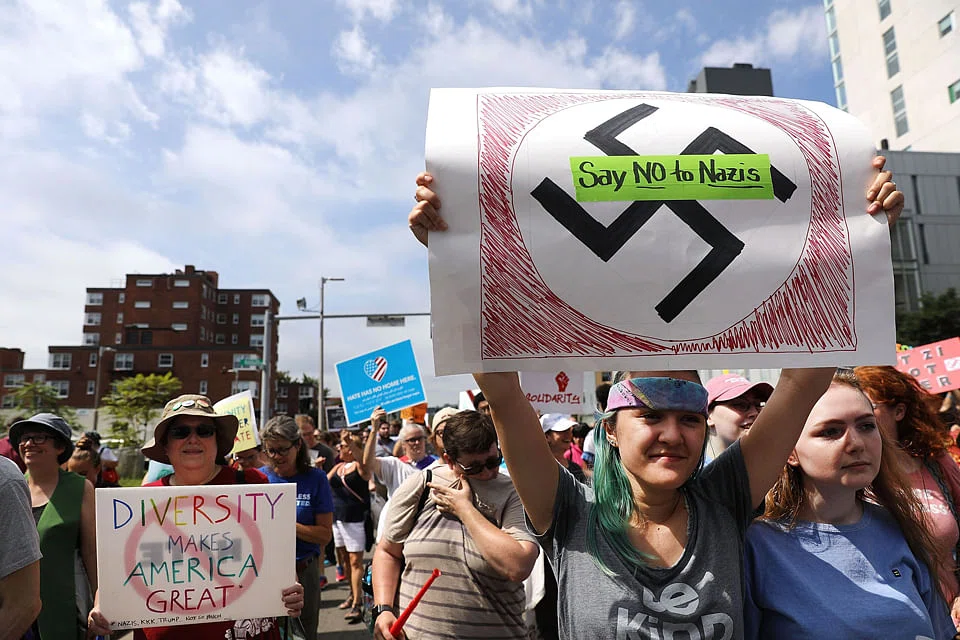
RIDING a motorised pony and strumming a cigar box ukulele, Dana Cory led a singalong to the tune of "If you're happy and you know it clap your hands." "You're a Nazi and you're fired, it's your fault," she sang. "You were spotted in a mob, now you lost your freaking job. You're a Nazi and you're fired, it's your fault." "All together now!" Ms Cory, 48, shouted to a cheering crowd in San Francisco's Castro neighbourhood last Saturday. They were protesting against a rally planned by far-right organisers about 1.6 km away. "Dox a Nazi all day, every day," she said.
Online vigilantism has been around since the early days of the Internet. So has "doxxing" - originally a slang term among hackers for obtaining and posting private documents about an individual, usually a rival or enemy. To hackers, who prized their anonymity, it was considered a cruel attack.
But doxxing has emerged from subculture websites such as 4Chan and Reddit to become something of a mainstream phenomenon since a white supremacist march on Charlottesville, Virginia, earlier last month.
Share with us your feedback on BT's products and services

