Operation Hope Foundation tackles poverty in Cambodia and Nepal, while doubling down on fraud
Running its own programmes allows the charity to deliver more impact to beneficiaries
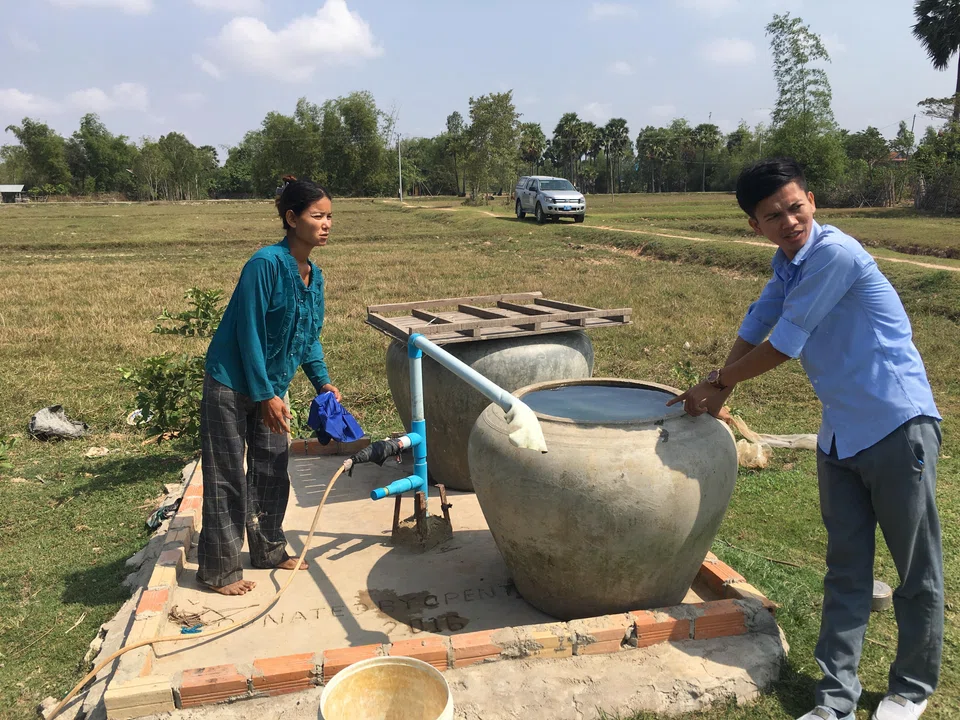
[SINGAPORE] Robert Kee, founder of Operation Hope Foundation (OHF), said that some big organisations like to play the “numbers game”.
For example, they could donate US$1 million to multiple beneficiaries.
But, once the amount is divided, and payments to third parties are factored in, a recipient may end up getting only about 30 per cent as direct benefit.
But OHF does things “differently”, pointed out Kee. The foundation ensures that its beneficiaries receive at least 80 per cent of its funding directly.
OHF manages to maintain this level of funding by running key programmes and interacting with beneficiaries on the ground, with processes in place to build accountability and prevent fraud.
Since its establishment in 2001, the foundation has spent around S$6.2 million on projects to tackle poverty in rural villages in Cambodia and Nepal. In 2024 alone, OHF spent around S$916,000.
Kee said that people often ask him why his charity does not work with beneficiaries in Singapore. After travelling to Cambodia more than 25 years ago and seeing how villagers lived, he realised the needs were greater there.
Key programmes
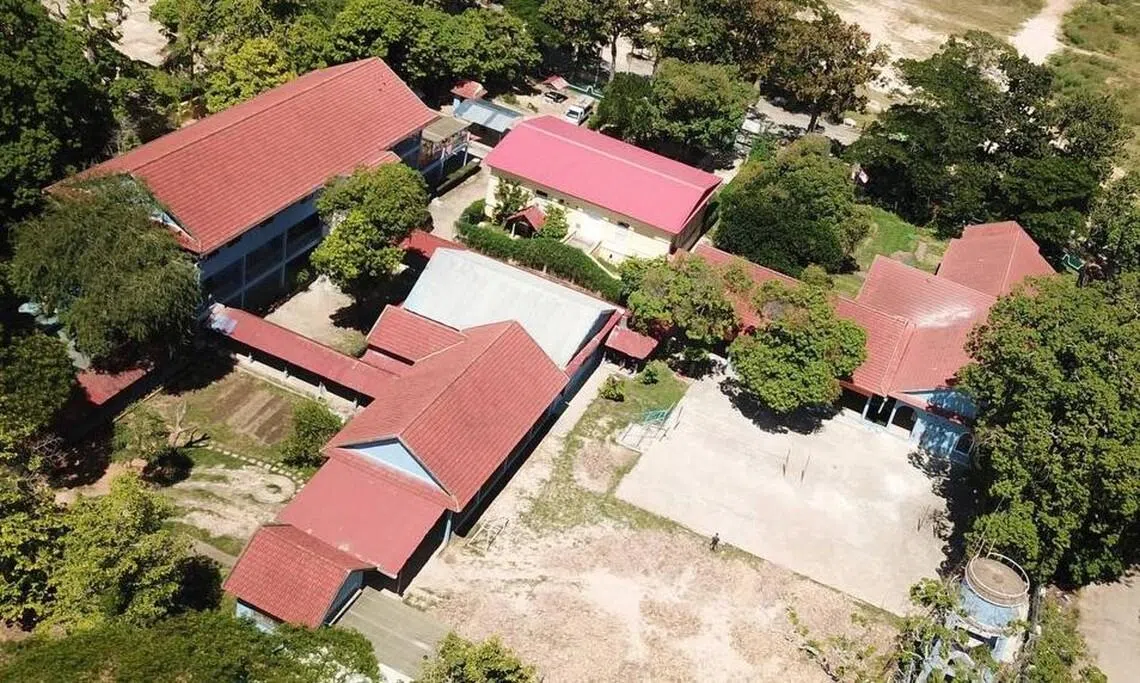
OHF runs a children’s home in both Cambodia and Nepal. The home in Cambodia – which spans 80,000 square feet (sq ft) – serves 105 children, while the one in Nepal serves 55.
Kee called them a “seven-star children’s home”, with each comprising a dormitory, cafe, dining hall, multipurpose hall, classroom and sports area.
“Many orphanages are just houses filled with children, not a complex designed specifically for children,” the 78-year-old added.
When the children are not at school, they participate in activities to build skills such as sport and cooking. They also learn how to run food stalls for volunteer visits and earn pocket money, which they can save and take with them when they move out after they turn 18.
In addition, in Cambodia, OHF staff visit villages to identify people who could benefit from a new house. They target families with household income of less than US$100, and take into account their education level and living conditions.
Kee noted that Cambodia is one of the few countries where people still live in thatched houses, which have a shaky foundation as well as no doors or windows.
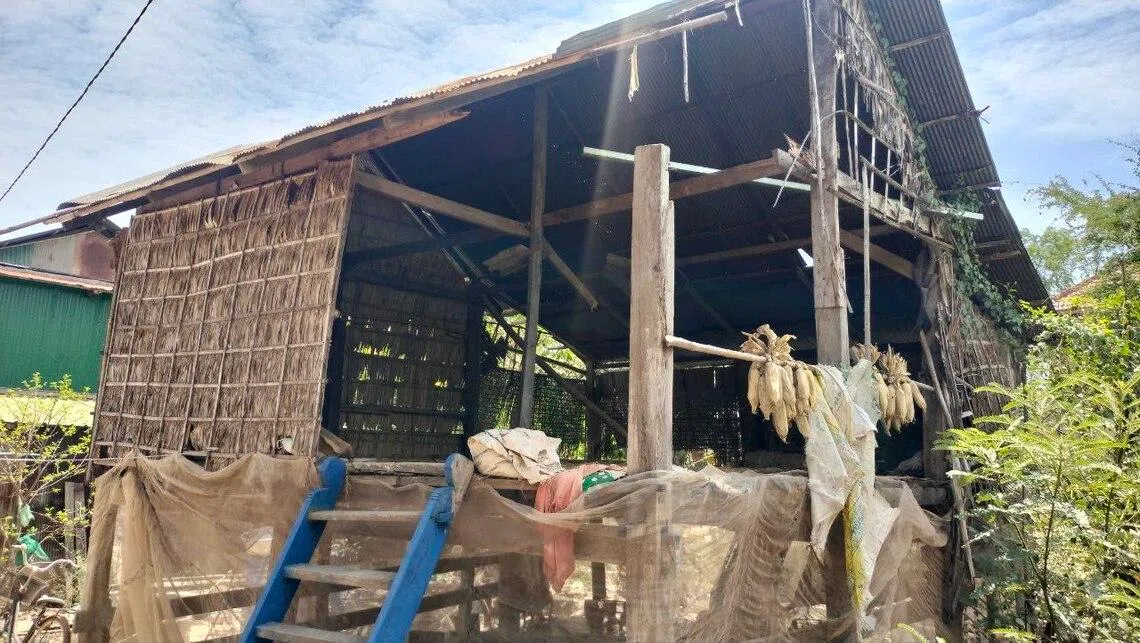
Instead, OHF builds houses from scratch using wood – which is more suitable for Cambodia’s weather, as it is cooling and more durable.
The charity does not hire contractors; its staff train volunteers to construct the house, as well as a toilet and well. As a result, the organisation can control the building process and materials instead of going through a third party.
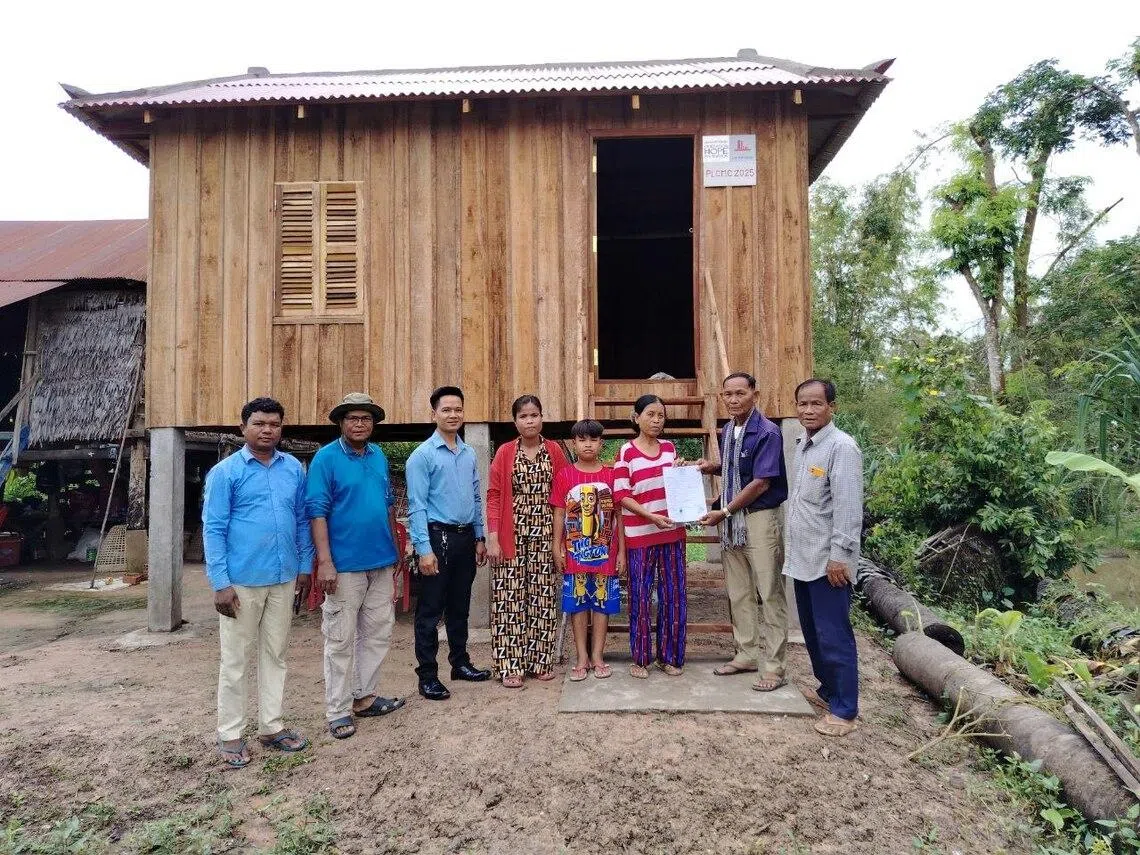
So far, the non-profit has built nearly 400 houses. These not only provide shelter, but have also allowed some beneficiaries to start small businesses as they now have privacy and better equipment.
In December 2025, Kee opened the Himalayan Hideaway Resort Pokhara, The Centara Collection. This hotel in Nepal has 42 rooms, as well as a spa, pool and multiple eateries. He called it the “optimal solution” for beneficiaries, as it provides jobs to local communities.
Kee personally paid 23 farmers for the land – spanning 400,000 sq ft – and found “good” local partners to build this resort, he said, which took six years to complete.
Preventing corruption
He noted that other charities with operations in foreign countries usually have local non-governmental organisations (NGOs) running the programmes, instead of doing it themselves, like OHF does.
“These charities just do the overall financing, and they have local NGOs execute projects. But the local NGOs (can be) corrupt,” he observed.
When there are so many intermediaries involved, he pointed out, the direct impact to the beneficiary is small because each intermediary takes a cut of the funds.
“Your money can do a lot, but you must make sure it’s not siphoned off along the way.”
For every project, OHF records each item used – even down to a zinc nail used when constructing a toilet. Kee and OHF staff also monitor projects on site, or via Zoom when they are in Singapore.
The founder noted that he adopts a “devil in the details” mindset, which helps to prevent fraud.
“Superficially everything looks fine, but when you look at the details, you can identify problems,” he said. “You must have the assumption that fraud will occur. If you know your local sources and costs, you can compare the prices of what you’re buying.”
Kee – who founded the small and medium-sized enterprises (SMEs) Radac and Applied Digital System – emphasised the importance of justifying costs. “As an SME (owner), I am very cost-conscious because my profit margin is very low.”
With such processes in place, he noted that charities will not be as prone to fraud and their benefit-to-cost ratio will increase.
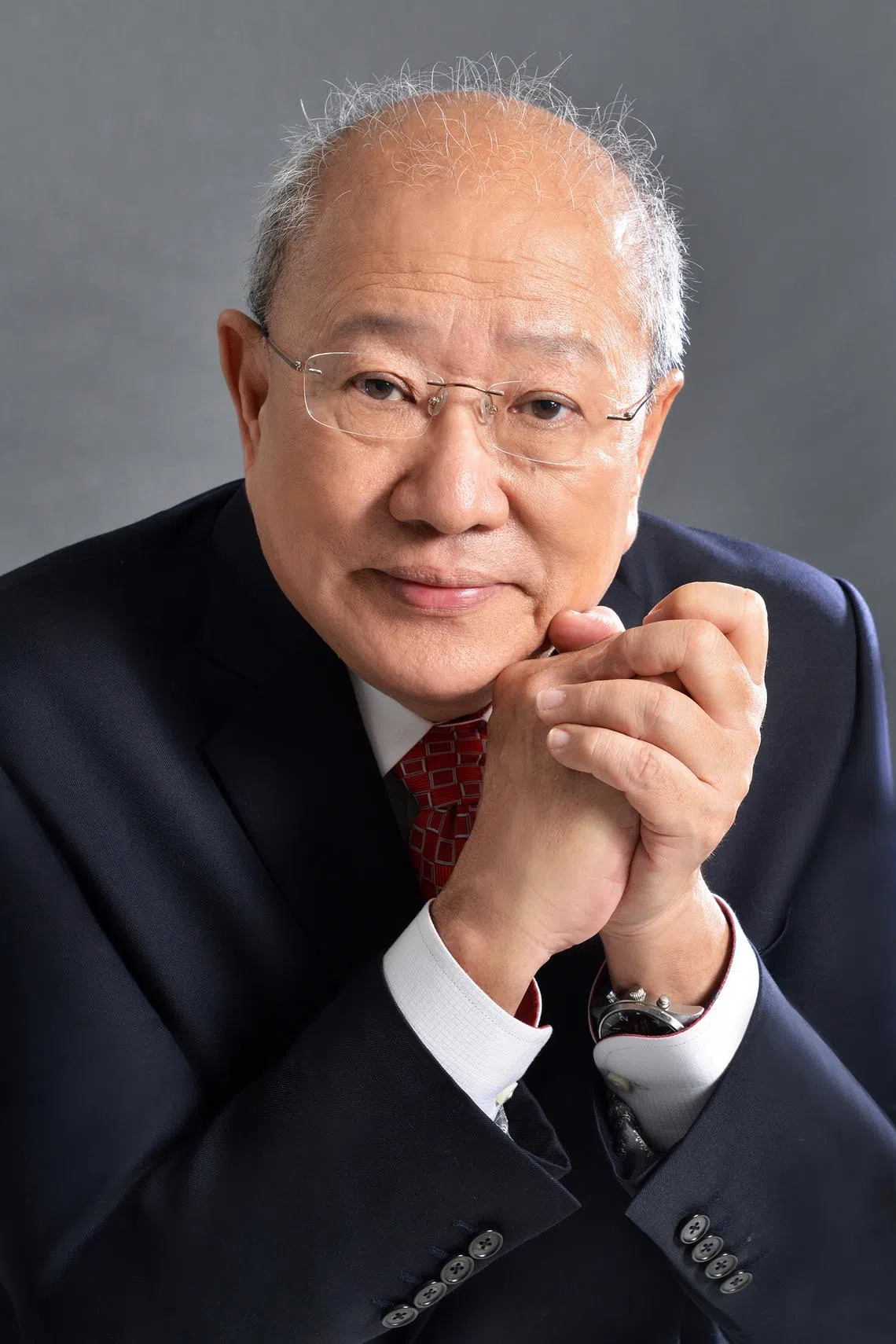
Between 2015 and 2024, more than 2,000 volunteers from nearly 250 teams – from companies, schools and churches – participated in OHF’s community projects, whether it was in the children’s homes or building houses.
“What can you do in four days that’s really meaningful? You can build a house for a family (and) make a significant difference in their lives,” he said.
Decoding Asia newsletter: your guide to navigating Asia in a new global order. Sign up here to get Decoding Asia newsletter. Delivered to your inbox. Free.
Copyright SPH Media. All rights reserved.