Pink ka-ching! Companies capitalise on Barbie frenzy
Hot pink products proliferate and fly off shelves, with opening of Barbie the movie this week

Helmi Yusof
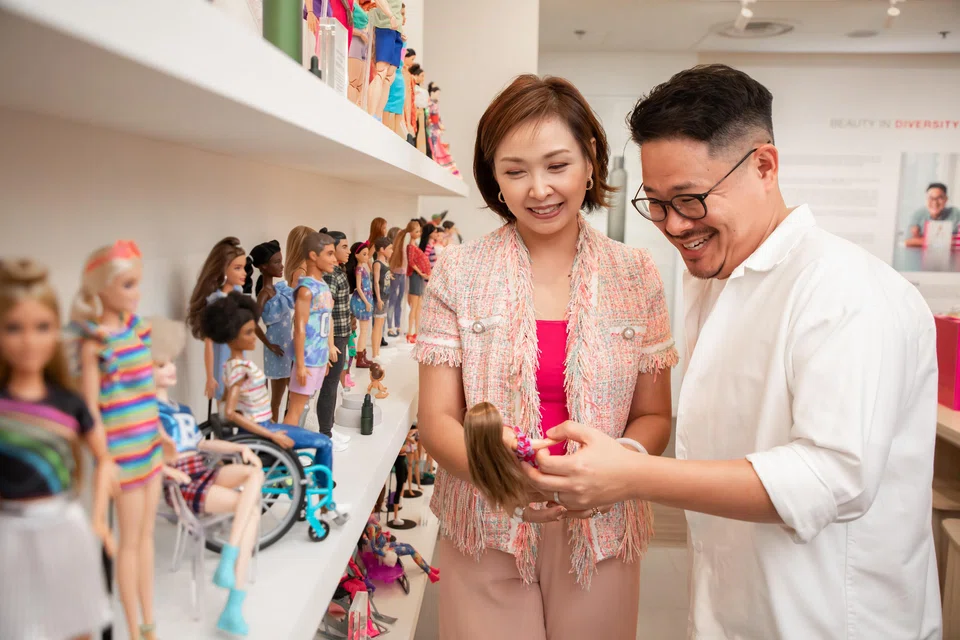
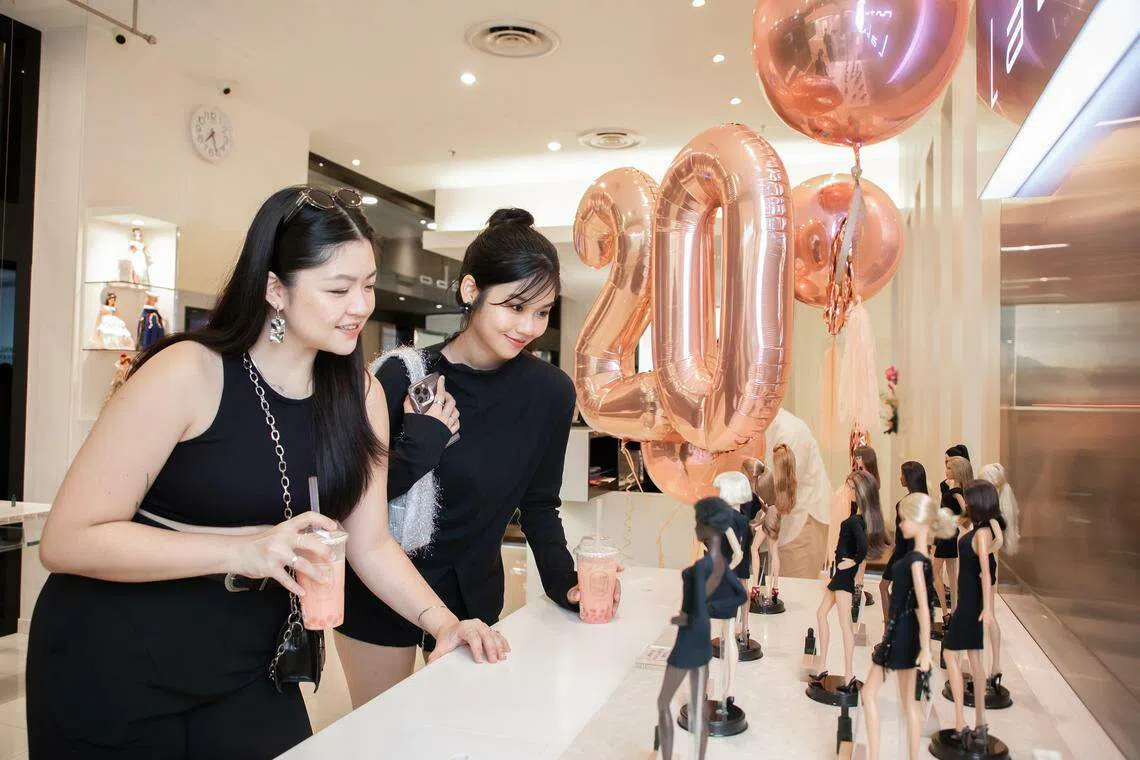
AT mtm labo’s newly-opened Barbie exhibition at Winsland House Singapore, the world’s second biggest Barbie doll collector was on cloud nine, rubbing shoulders with other Barbie lovers and parsing the fascinating history of her 64-year evolution.
Jian Yang, a 44-year-old marketer, says: “When I used to wear my Barbie T-shirt and carry a Barbie water bottle on the street, people looked at me funny. But yesterday I wore my Barbie T-shirt on Orchard Road and no one blinked... Barbie has become so mainstream now, and so many people are wearing Barbie clothes, I feel relieved not to be the only diehard fan around.”
mtm labo, a skincare brand, approached Yang to showcase a significant portion of his over 600 Barbie dolls in conjunction with the release of Warner Bros Pictures’ Barbie movie this week.
On display are Yang’s Barbie dolls of all demographics: dark-skinned Barbie, plus-sized Barbie, petite Barbie, albino Barbie, Barbie in a wheelchair, pregnant Barbie, ageing Barbie, all standing alongside the more “traditional” Barbie with her glamorous outfits and impossible 39-18-33 figure.
Kelly Keak, the managing director of MTM Skincare Singapore, says Barbie is the perfect personification of the brand which embraces all skin types of all women. “We want to promote ‘beauty in diversity’ – the idea that you don’t have to possess a certain weight, height, skin tone, hair length, etc, to be beautiful. Whatever your skin colour or type, we can provide a customised skin solution.”
mtm labo is one of thousands of companies worldwide capitalising on the Barbie phenomenon to reach a wider audience. Their Barbie-related events, both official and unofficial, have proven to be very successful, resembling a golden opportunity – or, in this case, a hot pink one.
In Singapore alone, all Barbie stationeries by Typo (a brand of Cotton On clothing) were completely sold out within a few days. Zara has just released its Barbie clothing line which is also experiencing high demand. Other brands such as such Kipling (bags), Crocs (shoes), Glow Recipe (skincare), Colorkey (makeup), Fossil (watches and leather goods), Melissa (shoes), Uno (card game) and Aldo (shoes) have licensing agreements or other deals with Barbie’s toymaker Mattel to sell Barbie-inspired products, all rapidly flying off the shelves.
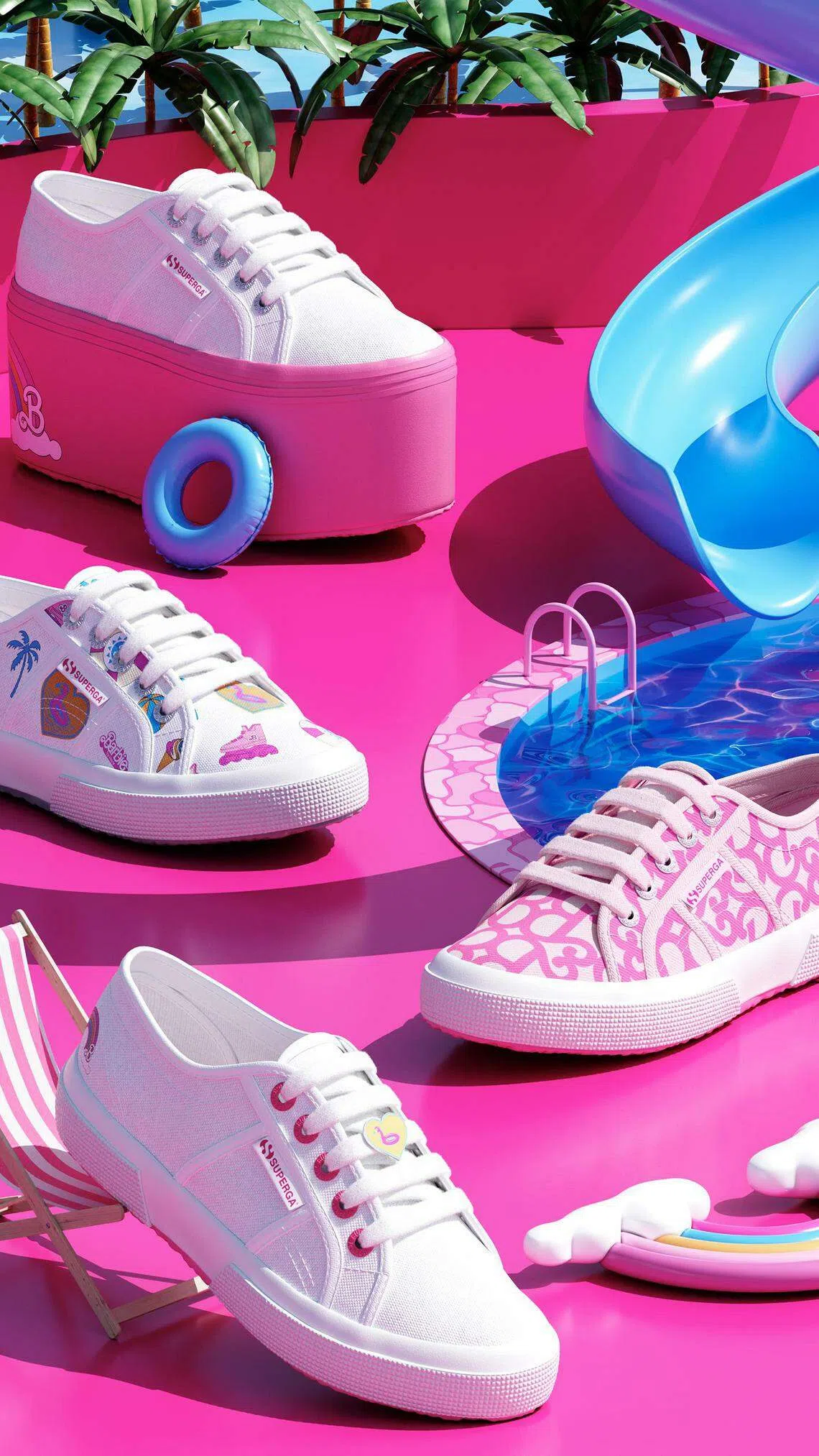
Superga, a shoe brand from Italy, sold out some of its Barbie pink shoe designs in all its Singapore outlets within the first 24 hours. Debra Jane, its brand manager, called the collaboration a “bright pink success”.
“A large percentage of the Superga team consists of women, and there is no other pink universe that both excites and empowers women of all ages at the same time than the Barbie universe,” she says. “Barbie is a global icon who has managed to knock down every linguistic, cultural, social and anthropological barrier. She shows us that anything is possible and that we are not confined to a box.”
Meanwhile, several clubs and restaurants, from 1880 to Hard Rock Café, are throwing Barbie-themed bashes in the coming days. Cinema chains such as Cathay and Golden Village are organising special parties: This weekend, Cathay Cineplex AMK Hub is offering manicure services, strawberry-glazed popcorn and a lucky draw for patrons dressed in pink.
Barbie for the woke era
To be sure, Barbie wasn’t always empowering for girls and women. Earlier Barbie dolls were blonde, fair-skinned, blue-eyed, skinny and busty, and always togged up in high heels and fabulous dresses. This narrow paradigm of femininity proved problematic for girls and women because it was unattainable for most.
Studies showed that images of thin, tall women in the media made girls and women dissatisfied with their bodies, although some specific Barbie-related studies showed no correlation between girls who play with the 11-inch (28 cm) doll and their self image.
As criticism grew louder over toymaker Mattel’s promotion of impossible beauty standards, Barbie sales began to decline in 2013 and endured a five-year slump, in part because conscientious parents became concerned about their daughters’ mental health.
Taking the feedback seriously, Mattel embarked on a transformative journey known internally as Project Dawn. In 2016, it introduced a wide range of Barbies with diverse body shapes, skin tones, facial features, hair types, and physical abilities.
Collector Yang, who is as close as one can find to a “Barbie historian” in these parts, says: “Project Dawn changed everything. Barbie got more press coverage than she’d ever gotten, landing on the cover of Time magazine and other major publications. It was the biggest marketing push since Barbie broke up with Ken in 2004.”
“The final stroke of marketing genius”, adds Yang, “was to call them all ‘Barbie’ instead of naming the non-white girls by other names. (The black and Hispanic dolls, for example, were once called Christie and Teresa respectively.) The idea is that women of every shape, size and colour are equal to each other.” (The Barbie movie trailer includes an extended segment where several actresses of different ethnicities and body shapes address each other as “Barbie”.)
Today, Barbie has become an aspirational figure for the right reasons. Her over 200 career choices, from astronaut to animal rescuer to army medic, and the recent inclusion of more Stem (science, technology, engineering and mathematics) jobs, send the appropriate signal to young girls – and boys – that they can be anything.
In 2018, Mattel was finally able to reverse the downward trend of Barbie sales. Gross sales rose from US$954 million in 2017 to US$1.49 billion in 2022. Since 2020, Mattel’s stock price has also overturned its eight-year slump.
Embraced by all
Apart from makeup and fashion brands, other companies have also teamed up with the iconic doll. One such collaboration is with Di Martino Pasta, a leading family-owned dry pasta company based in Gragnano, Italy. Di Martino has introduced a vibrant tin box that contains packs of pasta along with exclusive Barbie aprons or a Barbie doll dressed as a chef.
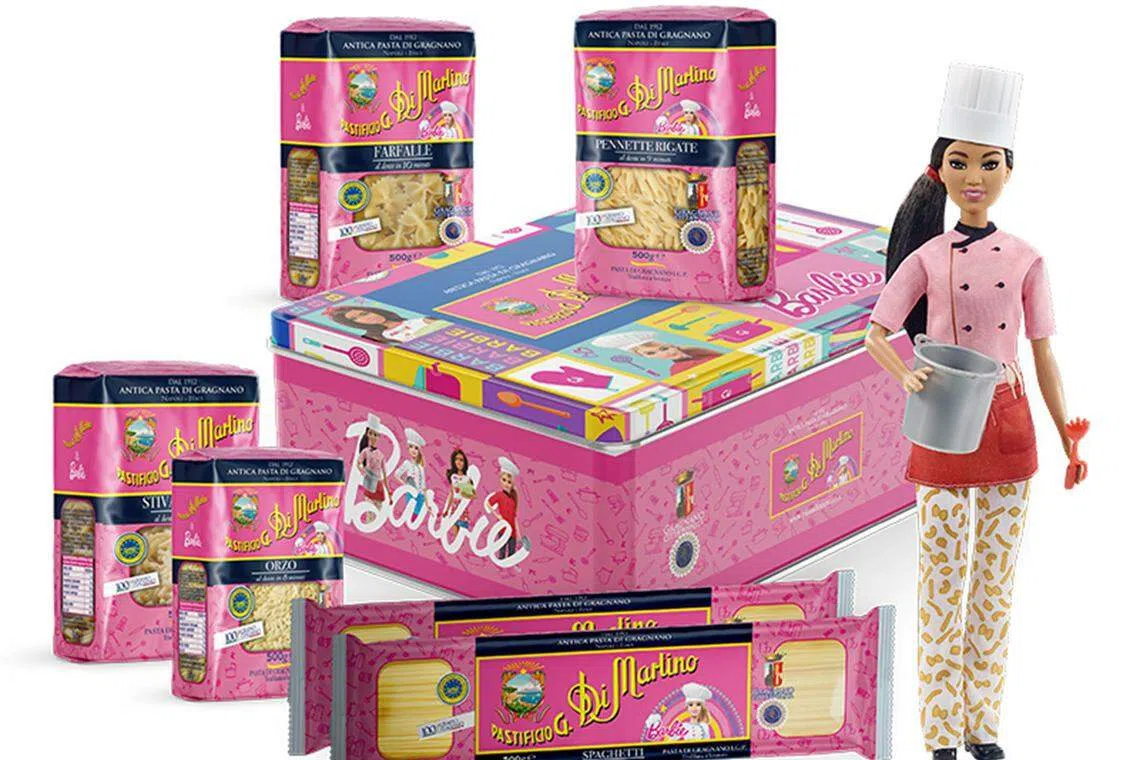
Jahan Rezai, director of Jupiter 57 which imports and distributes Di Martino, says: “Pasta may not be typically associated with Barbie, but we view it as an opportunity for cross-industry co-branding, enabling us to access different networks and distribution channels. We believe that Barbie can embody various roles, ranging from a chef to a professor. So we’ve joined forces to promote the idea of family togetherness through cooking and encourage healthy eating habits.”
Each tin box includes a compact recipe book featuring recipes developed in collaboration with an Italian university to ensure a balanced diet. Since its launch last year, approximately 600 tin boxes have been sold in Singapore, but the release of the Barbie movie has sparked a renewed surge in demand – as it has with other collaborations.
Yang, who runs a communications consultancy agency, says: “Speaking purely as a marketer, I can objectively say that I’ve never seen any marketing effort on this scale before. It’s just unprecedented! It’s not a one-dimensional marketing thing from Mattel or Warner Bros Pictures – it seems to have touched many different areas of our culture, with many different brands taking it on themselves to create these events for their consumers.
“So much of this goes back to Barbie rebranding itself in 2016 to be more diverse, equal and inclusive, so that girls and women of all races, body shapes and abilities can see themselves in the world of dolls. It’s a clear success story of a brand listening to consumer feedback, acting on it and reaping the rewards.”
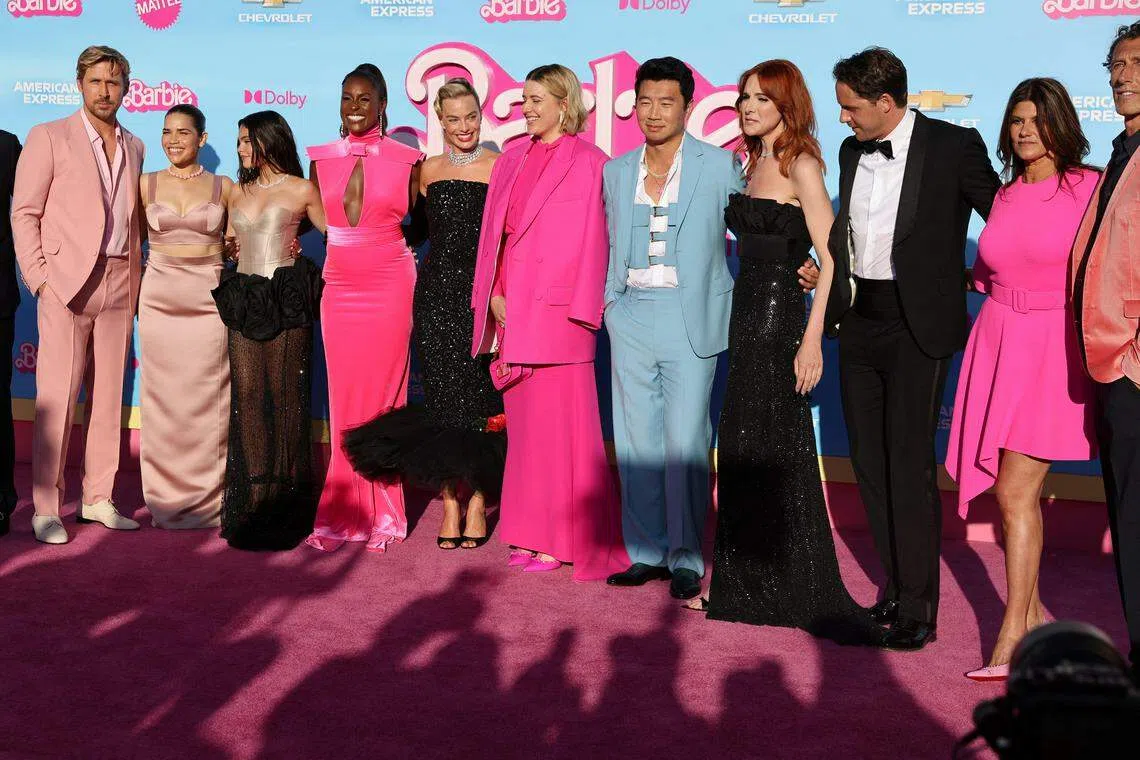
Barbie opens in cinemas across Singapore this week
Decoding Asia newsletter: your guide to navigating Asia in a new global order. Sign up here to get Decoding Asia newsletter. Delivered to your inbox. Free.
Copyright SPH Media. All rights reserved.