

Post-Art Basel, Hong Kong’s art scene continues to dazzle
Hong Kong’s art fair season has ended, but there is still great art in galleries and museums. Here are seven shows to catch

Michele Chu: You, Trickling
At PHD Group
Despite its officious-sounding name (it’s a joke, of course), Property Holdings Development Group (PHD Group) is a hip young gallery started by Willem Molesworth and Ysabelle Cheung with some exceptional artists in its roster. Among them is Michele Chu, a young Hong Kong artist who has a solo show at the gallery’s secret location.
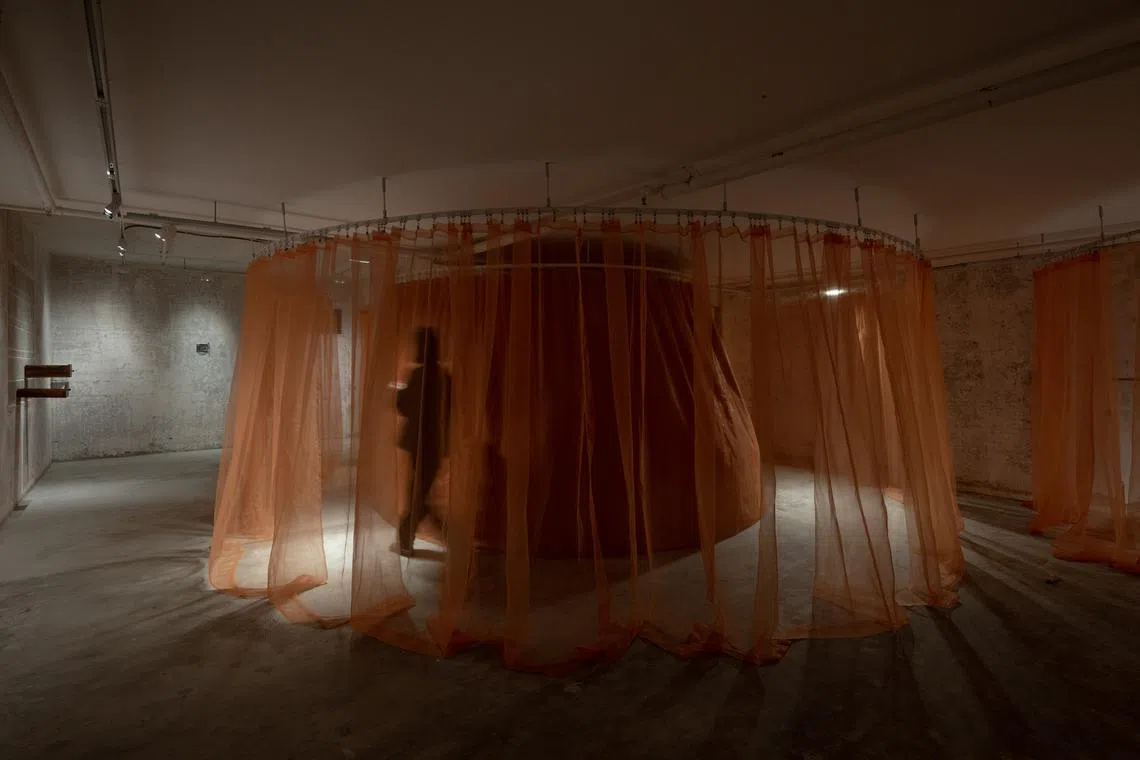
Upon entering the space, visitors are instructed to hold a burning incense stick and walk through a fabric passageway a few times before viewing the individual pieces. This simple ritual is Chu’s way of guiding visitors into a liminal space of memory and loss that she has created, separating them from the outside world. The exhibition features a range of works that pay tribute to Chu’s relationship with her ill mother, including a piece made of glass shards displaying images of their body parts, which symbolises the inevitable process of ageing and dying.
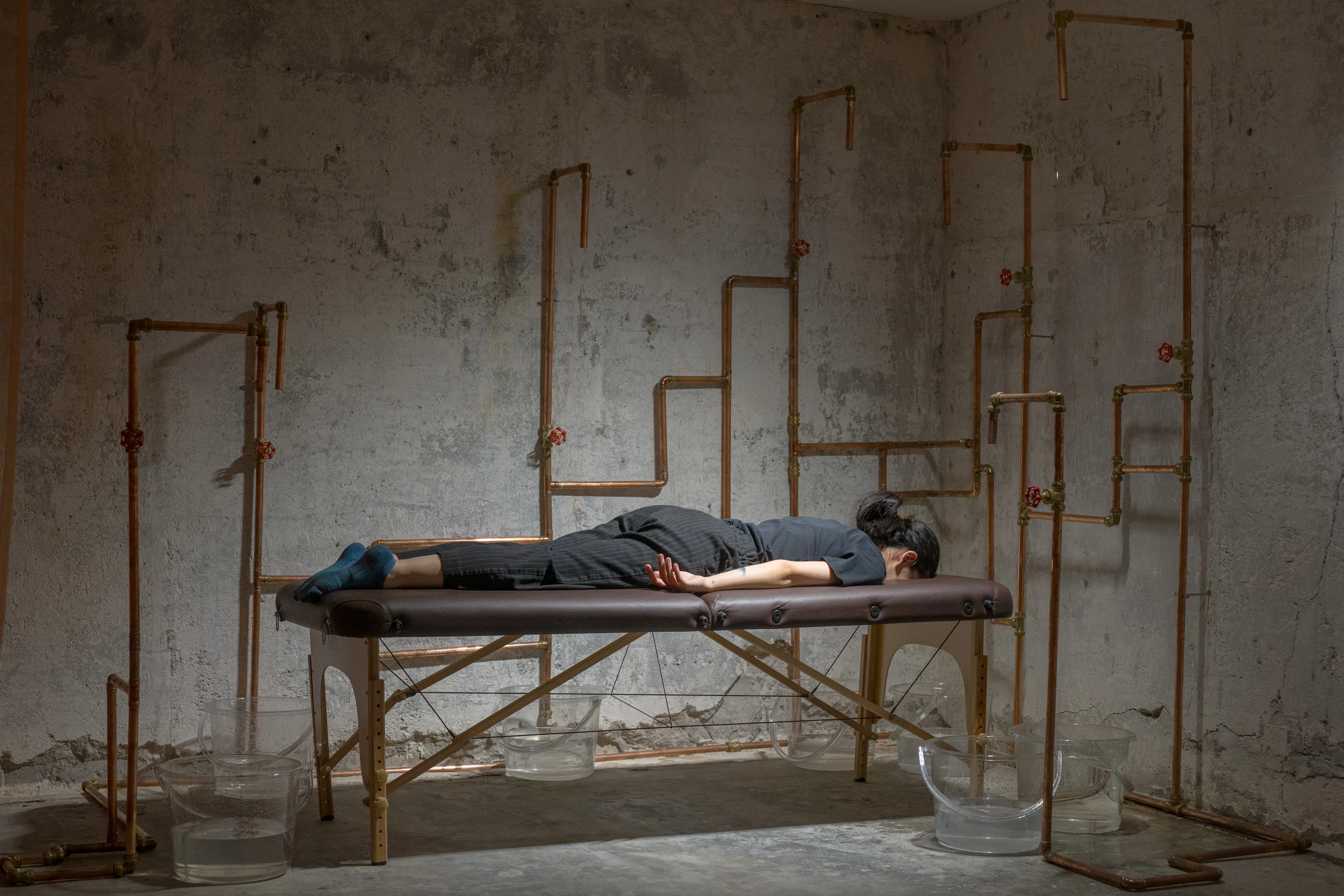
The show’s centrepiece is a massage bed that invites visitors to lie down and let the sound of water dripping into buckets bring them to a meditative state, allowing them to release any emotional pain or trauma they may have. As visits are by appointment only, it is recommended that you contact the gallery via e-mail prior to your visit.
Wang Tuo: The Second Interrogation
At Blindspot Gallery
Wang Tuo’s video installations and paintings offer a nuanced and thought-provoking perspective on the issue of art censorship in China. In one mesmerising two-screen video, he pits an artist and a censor in a dialectical conversation that explores the often conflicting perspectives on the role of art in an authoritarian state.
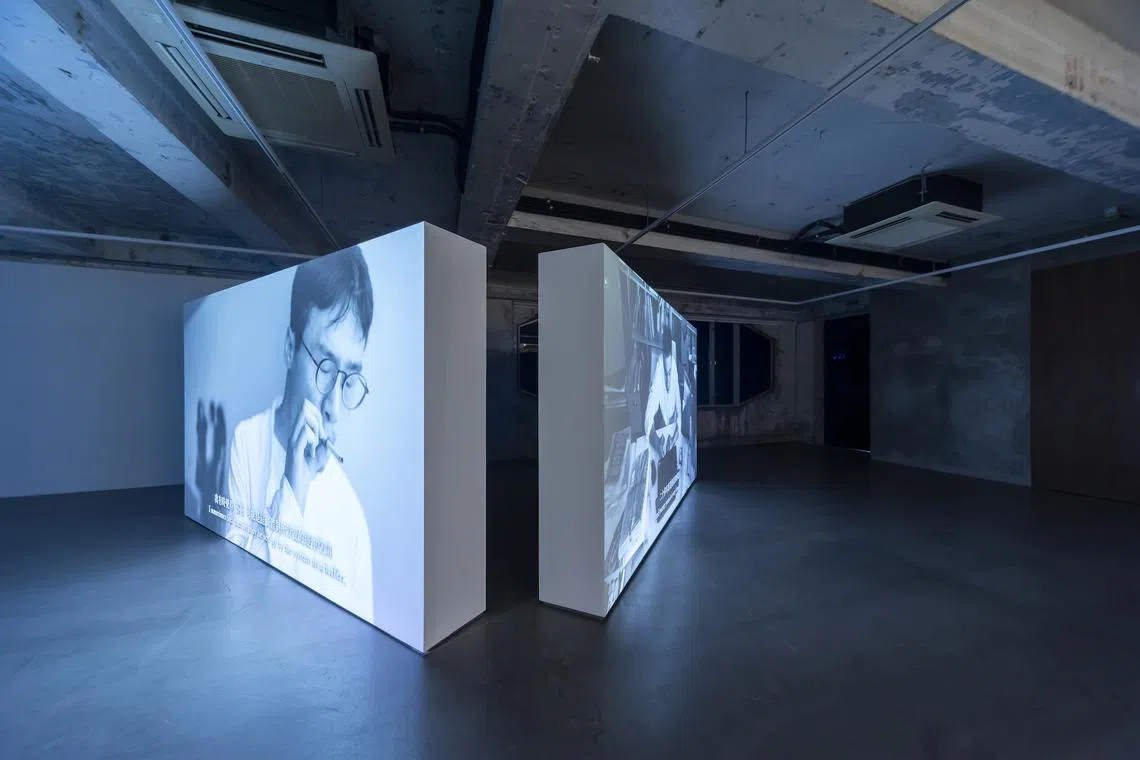
Through the course of the conversation, the artist and censor gradually shift their positions, with the artist taking on the role of the surveillant and the censor acknowledging the value of art. This dynamic exchange of ideas challenges simplistic views of censorship and highlights the complexity of the issue.
In addition to the videos, Wang’s series of oil portraits of his artist friends offer a more personal and intimate insight into his world. By selecting individuals from the margins of the arts scene, Wang is able to give agency and power to those from the sidelines. Overall, his works offer a powerful and multi-faceted critique of art censorship in China, while also highlighting the importance of art as a means of resistance and empowerment.
Jes Fan and Tishan Hsu
At Empty Gallery
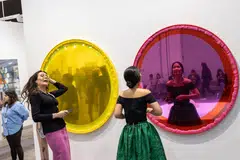
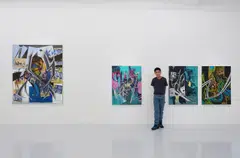
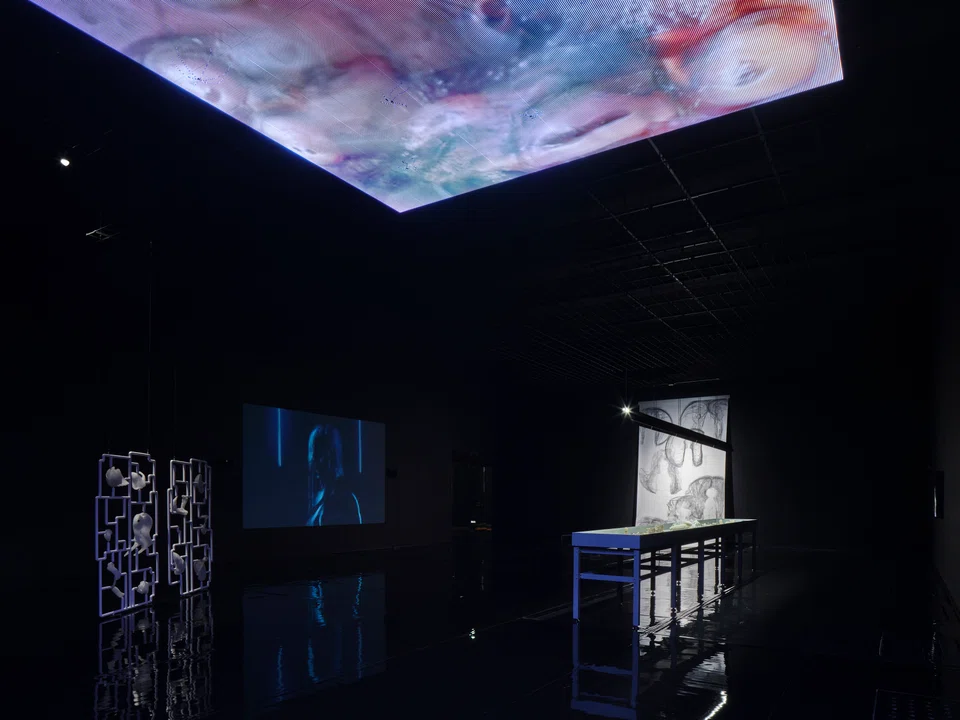
Empty Gallery is easily one of the most cutting-edge art spaces in Hong Kong. While most galleries adhere to the traditional “white cube” style, Empty Gallery distinguishes itself by adopting a “black cube” format. Here, visitors wander through near-complete darkness, with only spotlights illuminating the artworks on display.
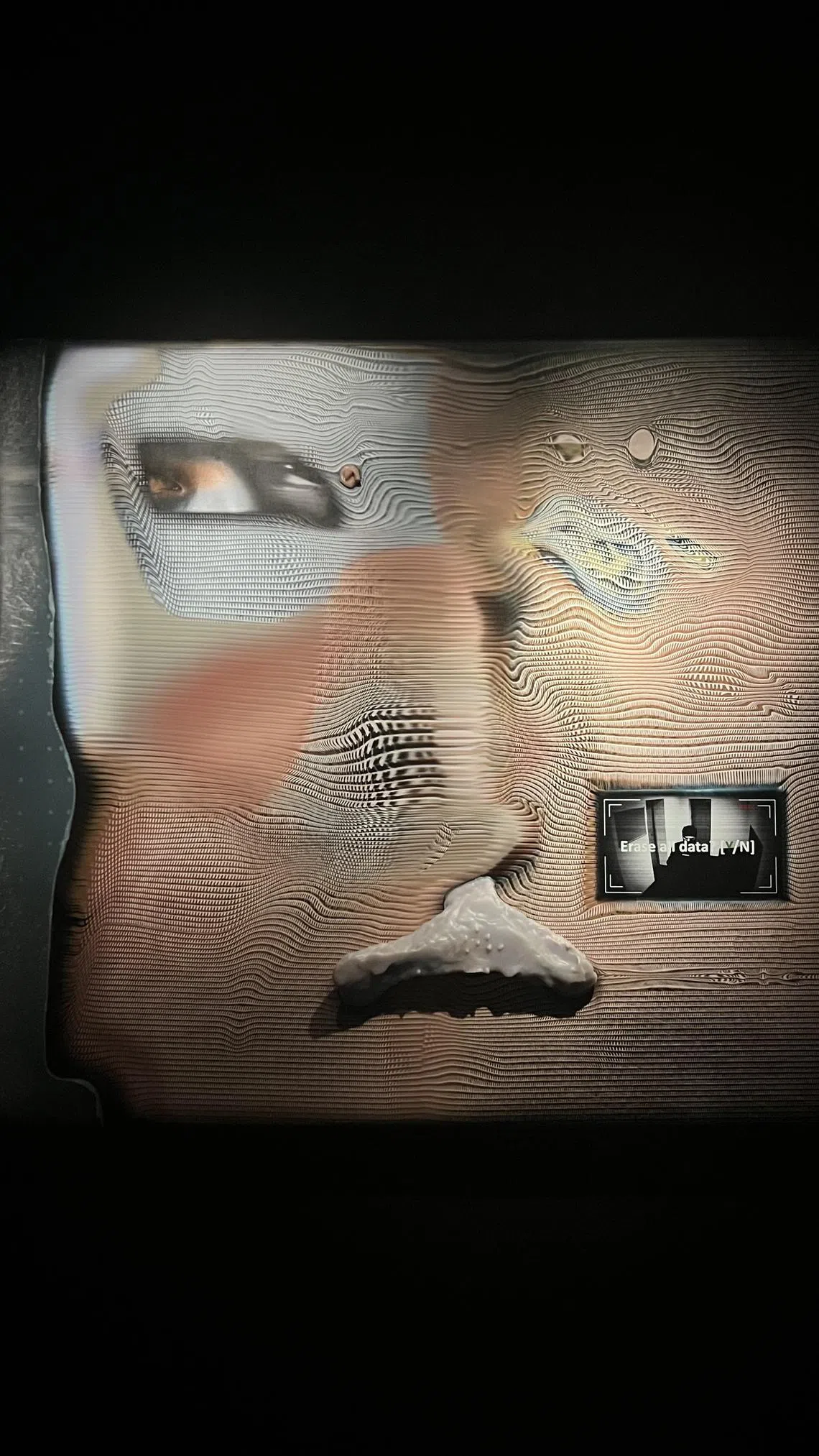
Its current exhibition showcases the works of two extraordinary artists, Tishan Hsu and Jes Fan, who were both selected to display their art at the Venice Biennale 2022. Hsu’s striking paintings and sculptures blur the line between the human body and technology, blending the digital and the physical in mesmerising and surreal ways. Fan’s works, on the other hand, incorporate state-of-the-art technologies such as biochemistry and 3D scanning into his moving-image and sculptural practices, resulting in pieces that are both eerie and fantastical.
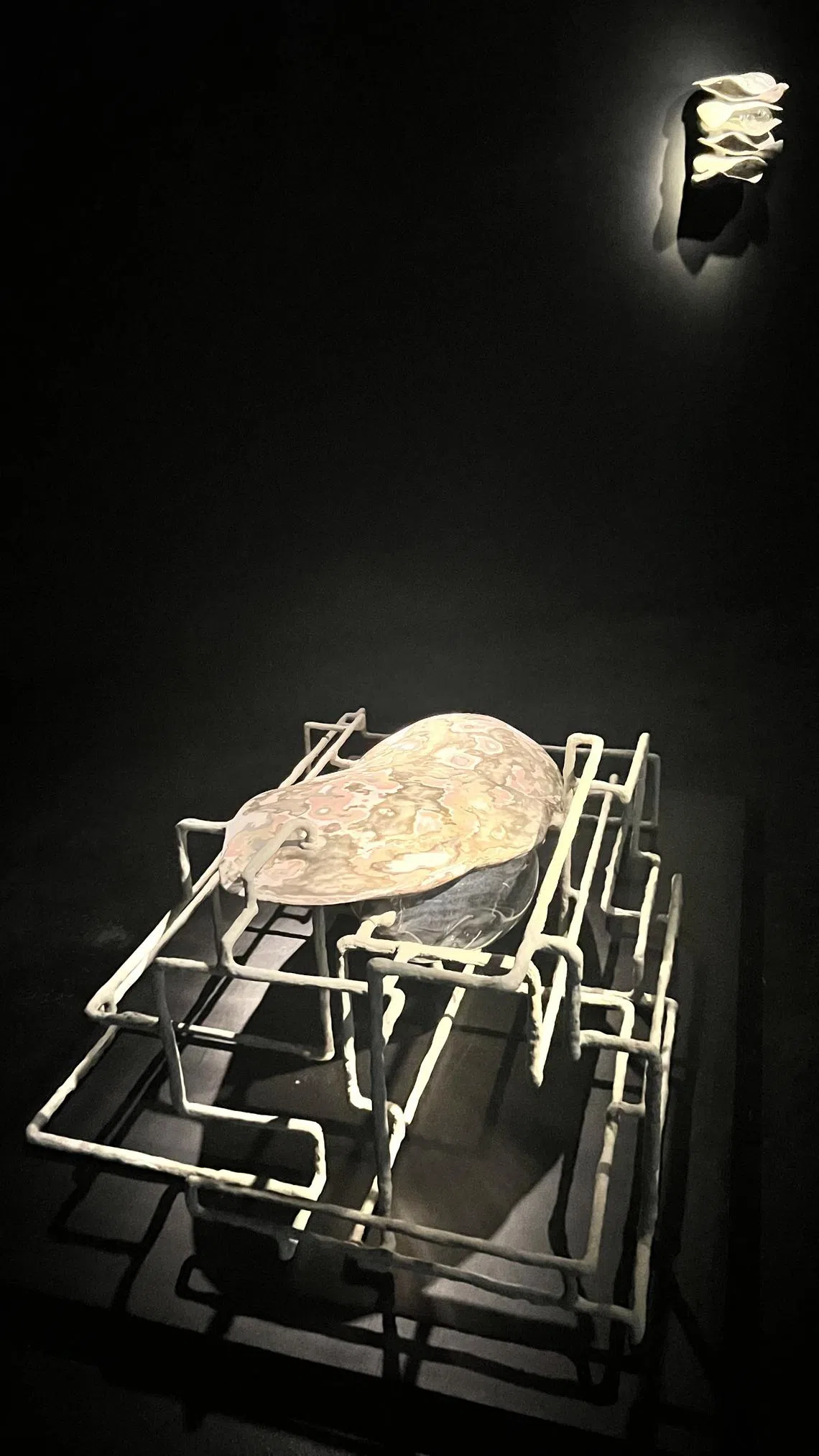
The juxtaposition of works by the two artists creates a David Cronenberg-esque atmosphere that is at once spellbinding and unnerving. Together, their pieces explore the complex relationship between technology and the human body, blurring the boundaries between the natural and the synthetic in captivating ways.
Zheng Bo: Beech, Pine, Fern, Acacia
At Kiang Malingue
Chinese artist Zheng Bo believes that it is possible to have a sensual and physical relationship with plants and trees, as demonstrated in his unconventional video series. These videos feature men and women intimately interacting with various flora, including kissing, hugging and even attempting to consummate with them in the wild. Despite the potentially absurd nature of the content, the videos exude a sweet and poetic quality, showcasing a sincere effort to coexist with other species based on mutual understanding and pleasure.
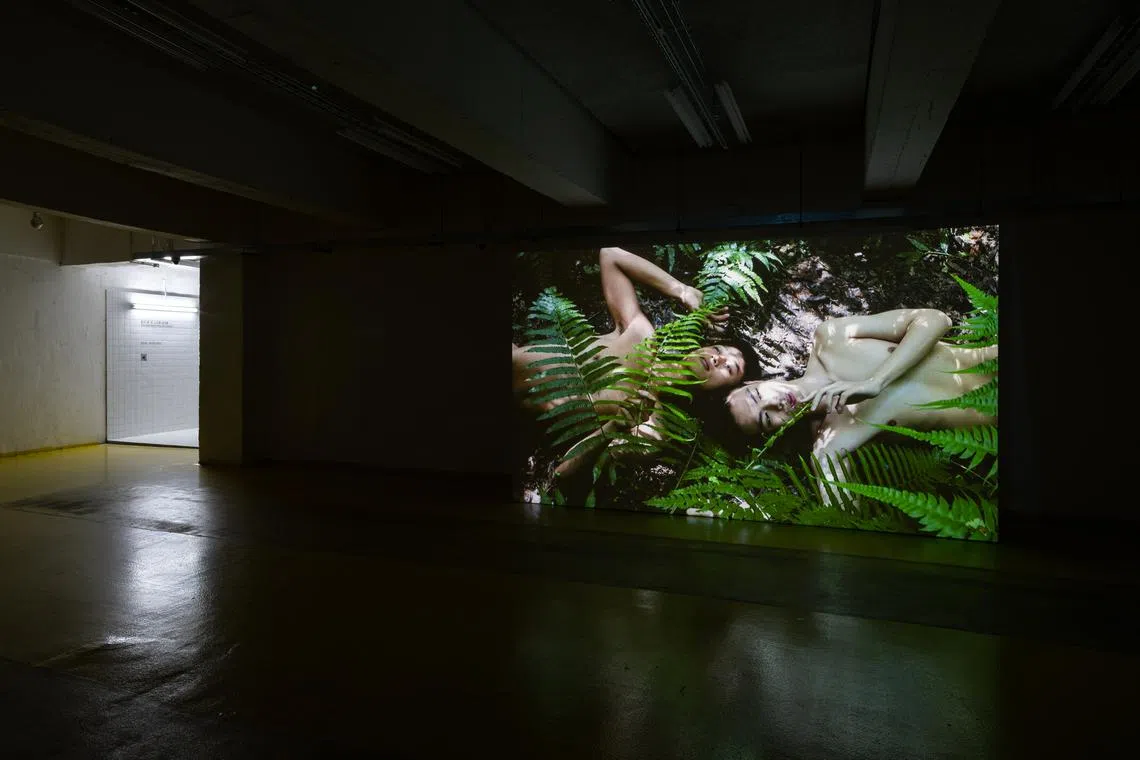
The series has received critical acclaim worldwide, with one video featuring five dancers courting century-old pine trees receiving praise at the 2022 Venice Biennale. Other titles in the series have been showcased at the Gropius Bau in Berlin and Jameel Arts Centre in Dubai. Currently, all four titles in the series are being screened at the Kiang Malingue gallery, presenting a post-humanist narrative that emphasises a new, holistic relationship with nature over digital and virtual ones.
Rirkrit Tiravanija: The Shop
At David Zwirner
The new gallery show by celebrated Thai artist Rirkrit Tiravanija sparked debates among art enthusiasts at Art Basel Hong Kong last week. In the 1990s, he made a name for himself by setting up a kitchen in a New York gallery and serving pad thai to visitors, pioneering a new form of contemporary art centred on communal experiences rather than physical objects.
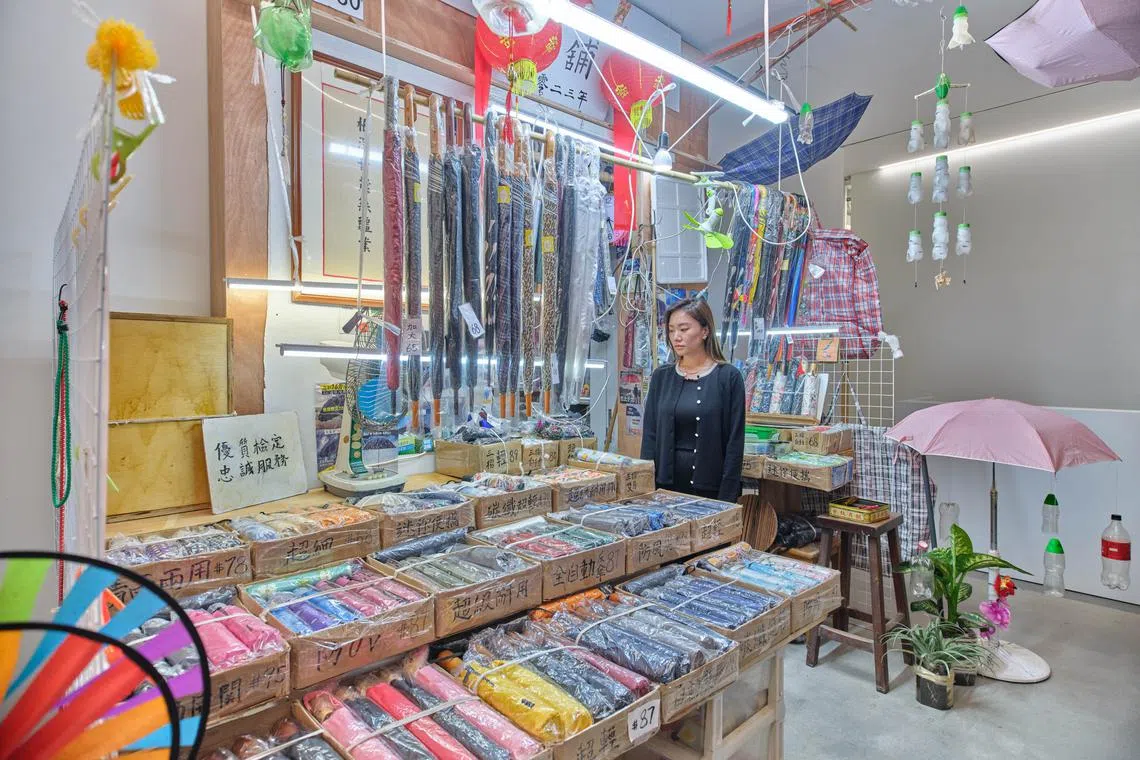
This time around, Tiravanija has transformed the David Zwirner gallery space in the H Queen’s building into an old umbrella repair shop. The immersive installation pays tribute to the ubiquitous trade in Hong Kong as well as the science fiction series The Three-Body Problem by Chinese author Liu Cixin, in which a spinning umbrella saves the protagonist from harm.
At the back of the shop, there is an automated door that lets visitors enter various rooms where robot vacuums tease out Chinese characters for “rain” and “dark forest” on wall-to-wall carpets. Another room houses four 3D printing machines that produce abstract sculptures of umbrellas.
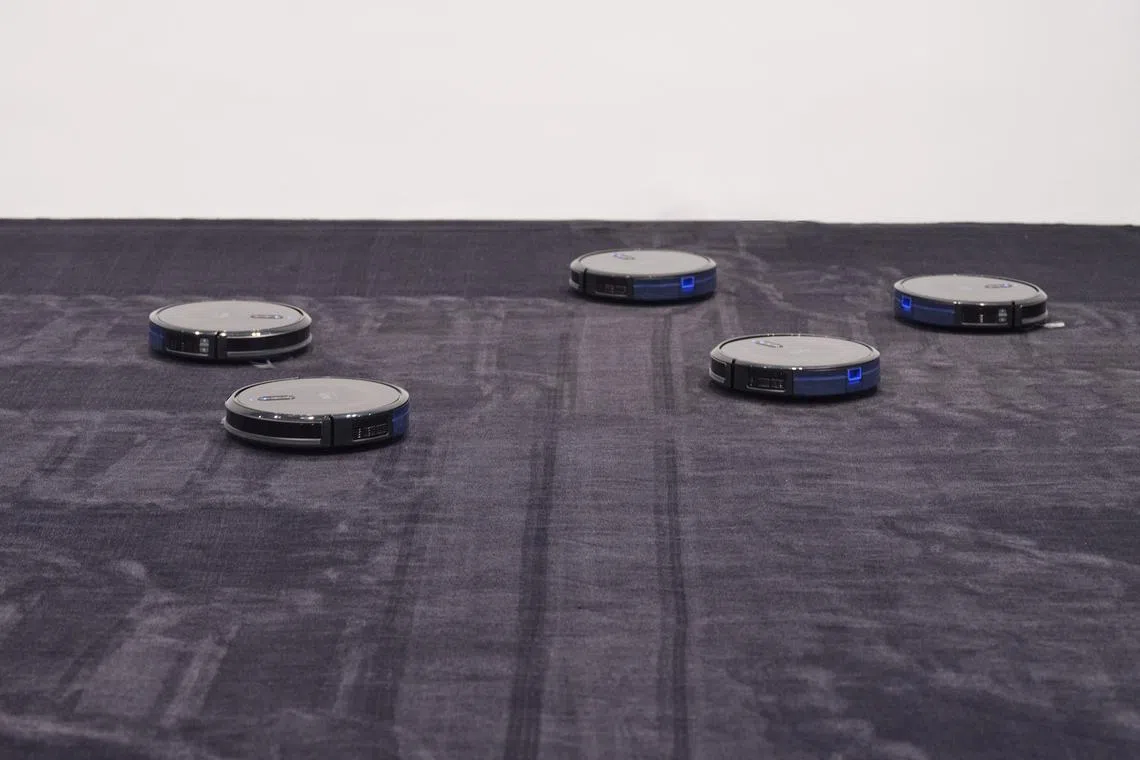
Once again, he challenges the traditional boundaries of art, creating an interactive experience that blurs the line between art and everyday life.
Myth Makers: Spectrosynthesis III
At Tai Kwun
Sunpride Foundation’s third major group show of LGBTQI art is the best one yet. If the first two editions didn’t quite hold together thematically, the latest show curated by Inti Guerrero and Chantal Wong is marked by a more coherent and wide-ranging attempt to explore the longer histories of queer cultures across the world.
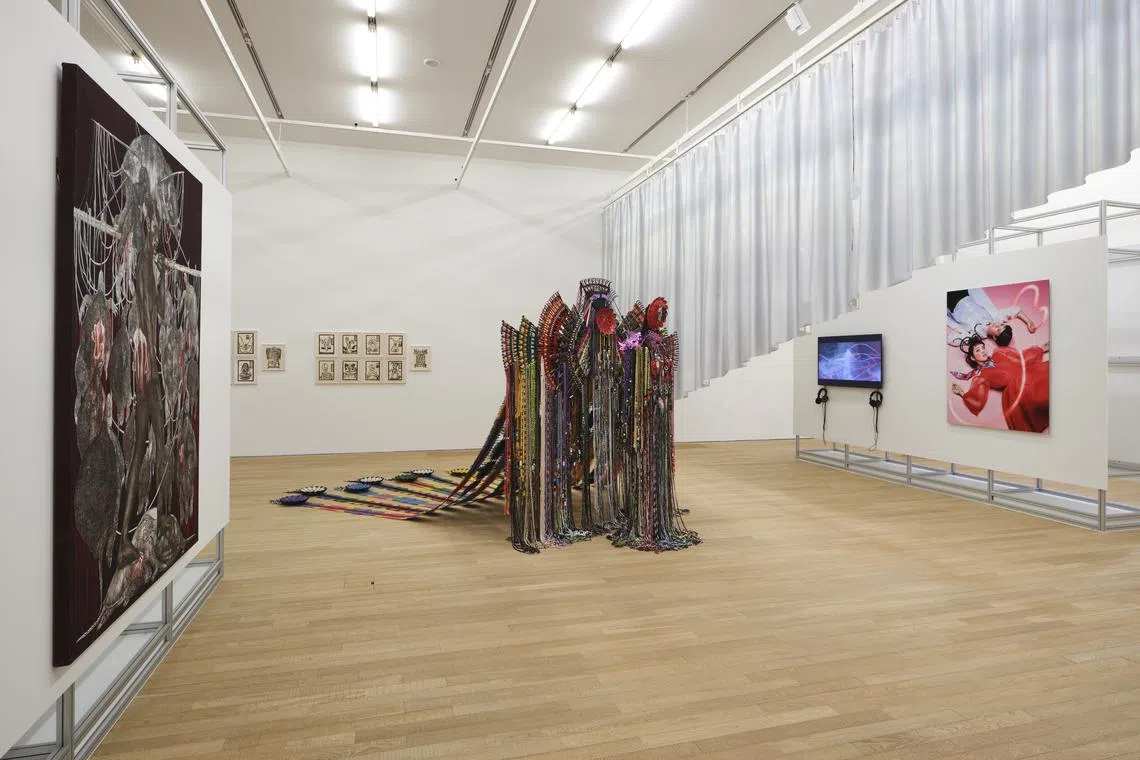
The exhibition is structured into three sections, each with its own focus. The first section explores ancient stories of androgyny, cross-dressing and gender ambiguity, highlighting their existence since ancient times. Artists such as Chitra Ganesh, Justin Shoulder and Bhenji Ra retell mythological stories from the perspective of marginalised women or queer characters, providing a fresh perspective and representation of these narratives.
The second section delves into the body politics, control and criminalisation of queer sexualities, an essential theme to address, especially given the ongoing struggles for LGBTQI rights and recognition in many parts of the world. The inclusion of works by Singapore artists Josef Ng and Loo Zihan that critique the actions of the Singapore Police Force in entrapping, arresting and caning 12 gay men for cruising at a beach off Tanjong Rhu in 1994 is particularly poignant, highlighting the need for greater awareness and advocacy.
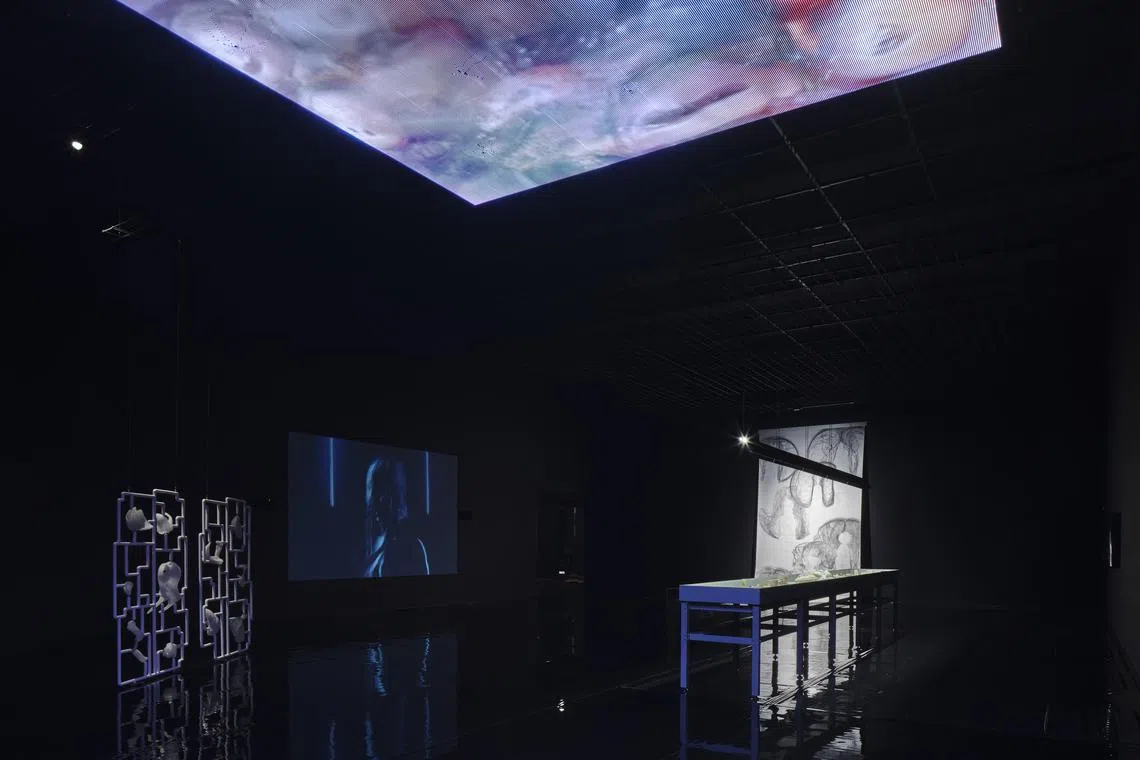
The final section looks towards the future with works influenced by science fiction to reimagine a world that is filled with diversity, openness, exploration and potentiality. Taken together, the three sections tell a powerful story that reflects the lived experiences and aspirations of many queer individuals and communities across the world.
Thing, Places, Interactions
At M+
If you have time for only one exhibition in Hong Kong, visit Things, Places, Interactions at the M+ museum. With over 500 examples of design objects from the past 70 years, the exhibition offers visitors a unique opportunity to appreciate the beauty and significance of good design and architecture.
From early typewriters and computers to vintage posters by renowned designers such as Tadanori Yokoo and Pierre Commarmond, the exhibition showcases a wide variety of design objects. The exhibition also features gorgeous furniture pieces by innovative giants such as Frank Lloyd Wright, Charlotte Perriand, Isamu Noguchi, Alvar Aalto, Shiro Kuramata and Satyendra Pakhale, among others.
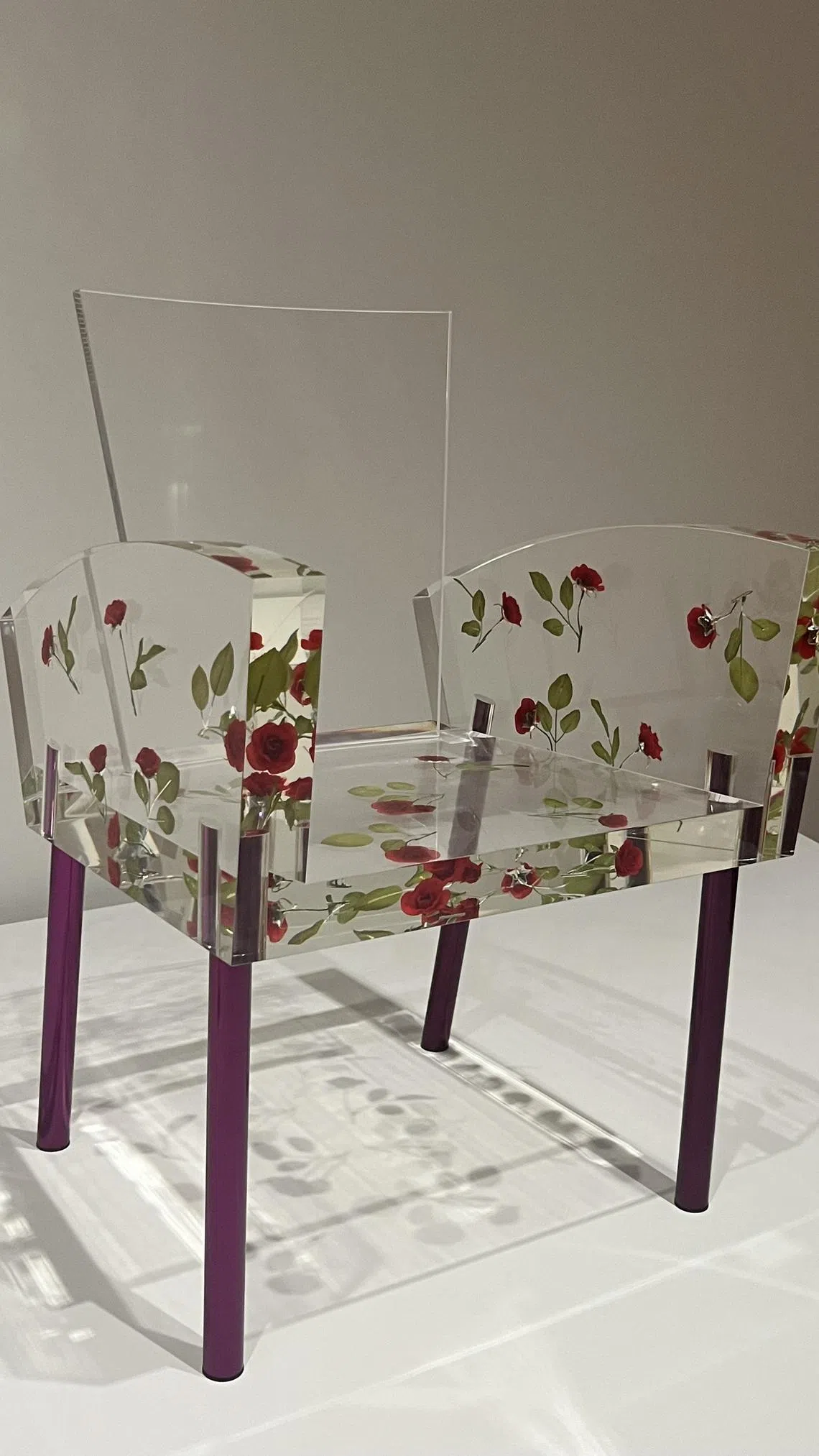
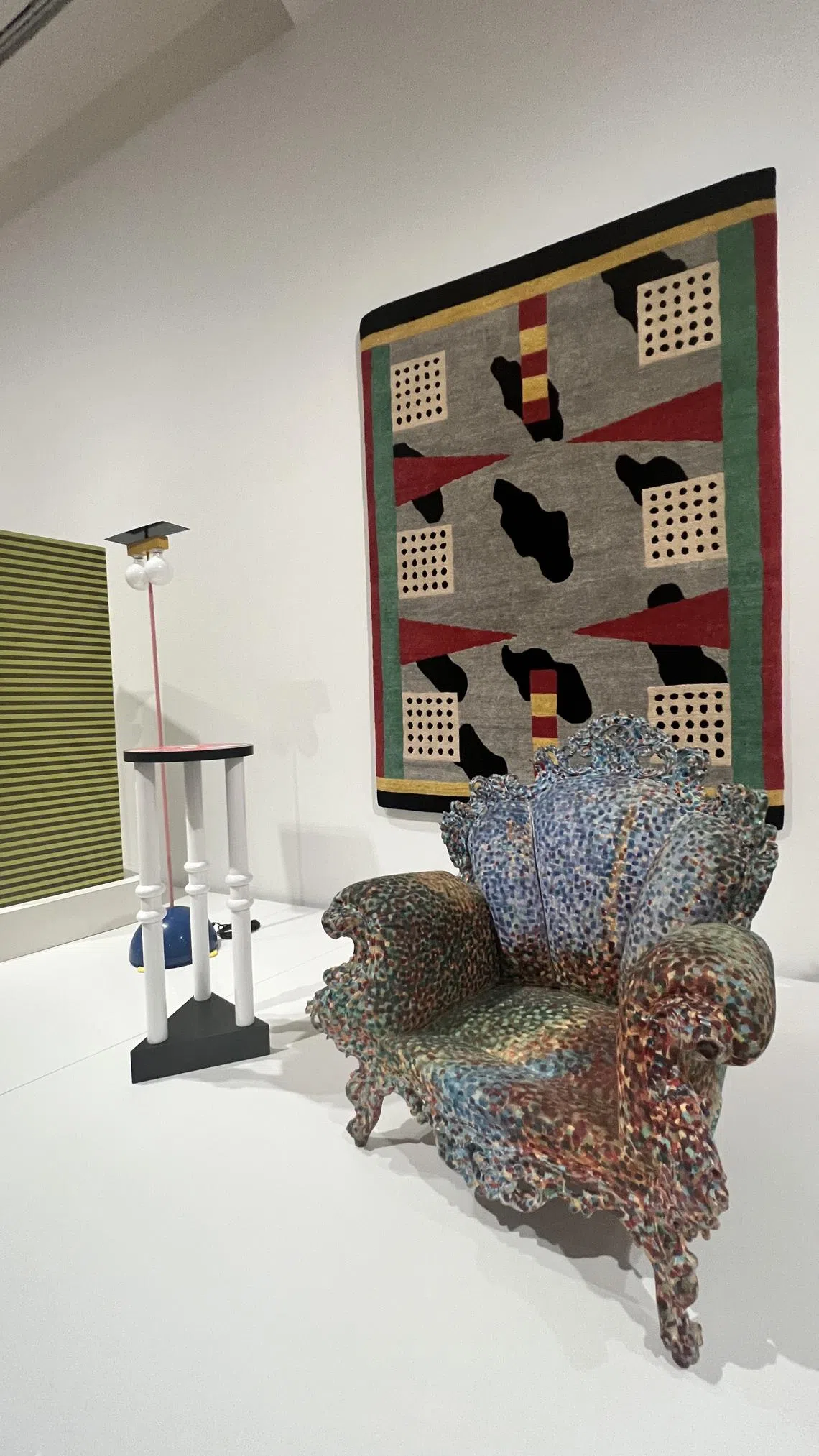
In addition to these highlights, visitors can also explore several Singaporean objects, including miniature models of the island’s architectural landmarks such as Golden Mile Complex and Singapore Conference Hall & Trade Union House, as well as Woha’s concept for a futuristic eco-efficient “permeable lattice city”.
Overall, M+’s Things, Places, Interactions exhibition offers visitors an excellent opportunity to appreciate the intricacies and elements of design that make these objects and buildings so integral to our daily lives.
Decoding Asia newsletter: your guide to navigating Asia in a new global order. Sign up here to get Decoding Asia newsletter. Delivered to your inbox. Free.
Copyright SPH Media. All rights reserved.
TRENDING NOW

Malaysian king buys stake in Singapore-listed mining firm expanding into rare earths

Grab CEO’s wife Chloe Tong on life with Anthony Tan and finding her purpose

Once staunchly pro-China, Malaysian Chinese businesses are now distancing themselves from Beijing

Longer wait times expected as S’pore healthcare institutions report system disruptions

