

Premium Shanghai restaurant chain closes 10 outlets before Chinese New Year, angering diners amid consumption slump
Catering sector has been hit hard in 2025 by brutal price wars in the delivery market
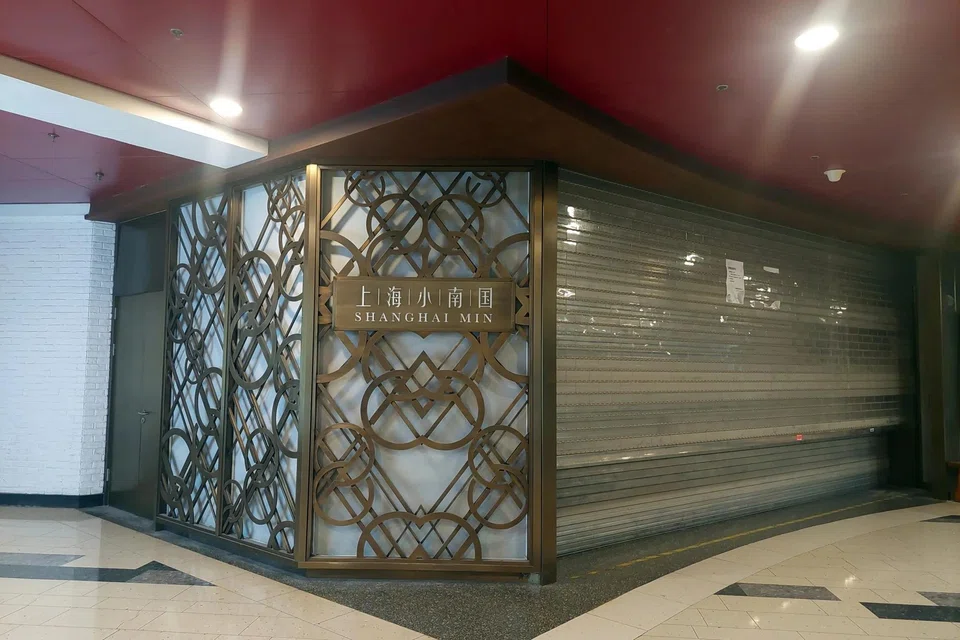
[SHANGHAI] One of China’s premium Shanghainese dining chains abruptly shut 10 outlets in the city, becoming the latest casualty of the country’s consumption slump and sparking an outcry from diners just days before the Chinese New Year holidays.
Shanghai XNG Holdings, the operator of Xiaonanguo restaurants best known for dishes like red-braised pork and smoked fish, suspended operations across all its outlets in China’s largest city. Its shares plunged as much as 20 per cent on Wednesday (Feb 11), and has lost more than 30 per cent since Friday.
The closures are temporary and aimed at realigning “strategic positioning,” according to a Hong Kong exchange filing on Tuesday night. All deposits and prepaid cards will be refunded to customers, it said.
China’s catering sector has been hit hard in 2025 by brutal price wars in the delivery market, where consumers could snag 14-cent coffees and 50-cent chicken rice meals. That battered restaurants, teahouses and cafes, eroding margins and fuelling unsustainable competition. The overall macroeconomic slowdown and consumption weakness also contributed to the lingering sales and profitability declines faced by the sector.
The consumption downgrade in the dining sector “is visibly playing out in the foot-traffic patterns,” said Ivan Su, an analyst at Morningstar “Compared with pre-Covid, there is a distinct shift: young consumers are crowding the basement-level food courts rather than the upper-level sit-down establishments.”
Consumer backlash
Shanghai XNG – whose restaurants were once a popular choice for large banquets and business gatherings – has been struggling with losses since 2018. Its network has steadily shrunk from a peak of 139 outlets in 2015 to nearly 60 before the pandemic, and just 10 earlier this year. Revenue fell 44 per cent in the first half of 2025, with losses of HK$20 million.
In January, Shanghai XNG announced plans to dispose most of its restaurants and retain only two, which it intends to rebrand for more cost-conscious consumers amid an uncertain economic climate.
One customer vented on local social media platform Xiaohongshu, mocking the company for “taking reservations for New Year’s Eve dinners only to grab the money and run,” while another quipped it was “determined not to miss a final chance to make a quick buck.”
Several chains have rolled out transformation plans to stem losses. Tai Aer, known for its Sichuan sauerkraut fish where dine-in customers typically spend about 90 yuan (S$16.54) per person, has relaxed strict rules on group size and rolled out single-serve meal sets on delivery platforms, offering a combo of fish, vegetables and rice for about 45 yuan. It has also broadened its menu to include chicken and beef as same-store sales plunged nearly 20 per cent in the first half of last year.
SEE ALSO



Haidilao International Holding, with average spending per customer of about 100 yuan, has pursued a multi-brand strategy since 2024 to capture more price-sensitive diners. These included Xiaohai Huoguo, a lower-cost hot pot chain at roughly 60 yuan per head, and another chain which offers fried chicken and pizzas with tickets averaging 30 yuan.
Analysts from HSBC Holdings have warned that this approach could weigh on margins and slow expansion.
Morningstar’s Su cautioned that many restaurant chains lean too heavily on price cuts, which intensify competition. True long-term differentiation comes from building supply chain advantages that allow operators to price below competitors while protecting margins, he said.
“Once a transformation strategy is copied, the competitive field levels out again,” Su said. “This means restaurant operators must stay on their toes and innovate perpetually.” BLOOMBERG
Decoding Asia newsletter: your guide to navigating Asia in a new global order. Sign up here to get Decoding Asia newsletter. Delivered to your inbox. Free.
Share with us your feedback on BT's products and services
TRENDING NOW

Once staunchly pro-China, Malaysian Chinese businesses are now distancing themselves from Beijing

Looking beyond looming CEO succession, should UOB potentially pursue a transformative merger?

Could stablecoins be the future of money?

Grab CEO’s wife Chloe Tong on life with Anthony Tan and finding her purpose

