Rediscovering rum at The Bar at 15 Stamford
Bar manager Edriane Lim hopes to change preconceptions about the sugarcane spirit

Janice Heng
MORE than a century ago, visiting seafarers caroused in the Sailors’ Home on the corner of North Bridge Road and Stamford Road; today, on that same corner, The Capitol Kempinski Hotel houses a more refined provider of rum, The Bar at 15 Stamford.
Tucked next to the restaurant area of 15 Stamford by Alvin Leung, the bar is a cosy affair, with rattan-backed seats at a Peranakan-tiled bar counter, a row of tables, and curved leather banquette nooks along the wall.
It’s not quite the party vibe that one might associate with rum – but that’s the point, says bar manager Edriane Lim. He sees the bar as a “place for education”, where patrons can hear the stories behind their drinks and sample fine rums at their leisure, with tasting flights available.
Many people misunderstand the maritime-linked spirit, he adds: “They think rum is all about clubs, parties, too much sugar.” The Bar at 15 Stamford prides itself on a collection of 300 labels that have less sugar, and undergo proper ageing and blending.
“We do have some whisky drinkers that we slowly convert into rum drinkers,” Lim says with a grin. For them, he might recommend rum from distilleries in Barbados, which are not allowed to add sugar to their product. One such distillery is Foursquare, which produces high-ABV (alcohol by volume) rums that Lim says are “a lot like whisky”, with oaty notes alongside tropical flavours.
Formerly from a bar that focused on white spirits such as gin, Lim himself had to overcome preconceptions, quipping: “It’s a really big leap to the dark side.” Upon joining The Bar at 15 Stamford, he assumed he would craft sweet, fruity drinks. But when he grew to understand the spirit, he chose to “stay away from the sugary, citrusy kind of cocktail”.
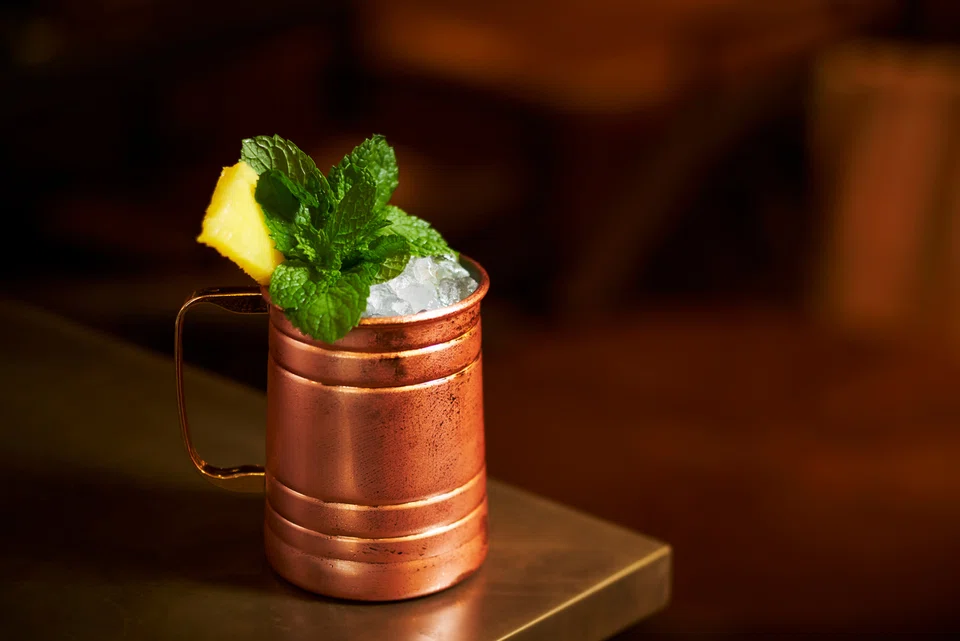
The hotel’s signature cocktail, Plantation 1840, was the first that Lim designed. He drew inspiration from Joseph Balestier, the first United States consul to Singapore, who had a plantation of sugarcane – the key ingredient in rum – and pineapple. Those two flavours feature in Plantation 1840, alongside sweet vermouth and lemon syrup.
In June, the bar launched a collection of cocktails that reflect rum’s seagoing associations with an Austronesian theme.
“Initially our goal was to keep it local,” says Lim. But as he did more research, he was intrigued by the spice trade that took place from Taiwan towards New Zealand and Papua New Guinea.
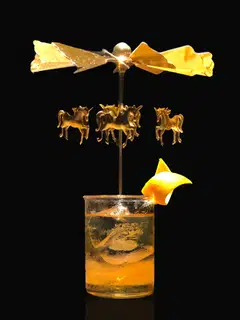
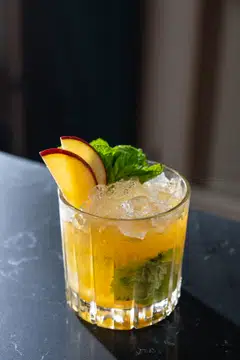
Out of 10 cocktails on the Austronesian menu, six are rum-based. Kabang Koman 1501, for instance, is a Thai-inspired refreshing drink with Chalong Bay sweet basil rum and flavours of peach, oolong tea and chili.
Other spirits – gin, whiskey, tequila, and cognac – are represented by a drink each. The Ilha Formosa 1542 features a tea and cognac combination that Lim says is common in Taiwan: pairing tieguanyin and jasmine tea with Remy Martin Cognac 1738, as well as gin, dry vermouth, elderflower and citrus.
The bar’s focus on rum notwithstanding, it also has a range of other spirits, including a growing collection of whiskies, beers, and mocktails made with Lyre’s range of non-alcoholic spirits.
PLANTATION 1840
60ml Black Tears Cuban spiced rum 30ml pineapple juice 20ml Punt e Mes sweet vermouth 15ml lemon juice 10ml cane sugar syrup Garnished with fresh mint and an orange slice
Decoding Asia newsletter: your guide to navigating Asia in a new global order. Sign up here to get Decoding Asia newsletter. Delivered to your inbox. Free.
Copyright SPH Media. All rights reserved.