

Return to Japan - a taste of Tokyo now
What can you expect when everyone’s favourite destination opens to tourists again?
Jaime Ee
THE sales assistant’s smile freezes. It’s only for a split second, but you can almost see the thoughts frantically going through her mind: “Why is she asking me to wrap my first-born child as a present?” “Did I miss a memo about restarting English lessons for staff?” “Aieeee, is that a t-t-tourist?? But she recovers in time to stammer “one moment please”, before scuttering off to find a senior colleague better able to manage this hapless foreigner with a malfunctioning Google Translate…
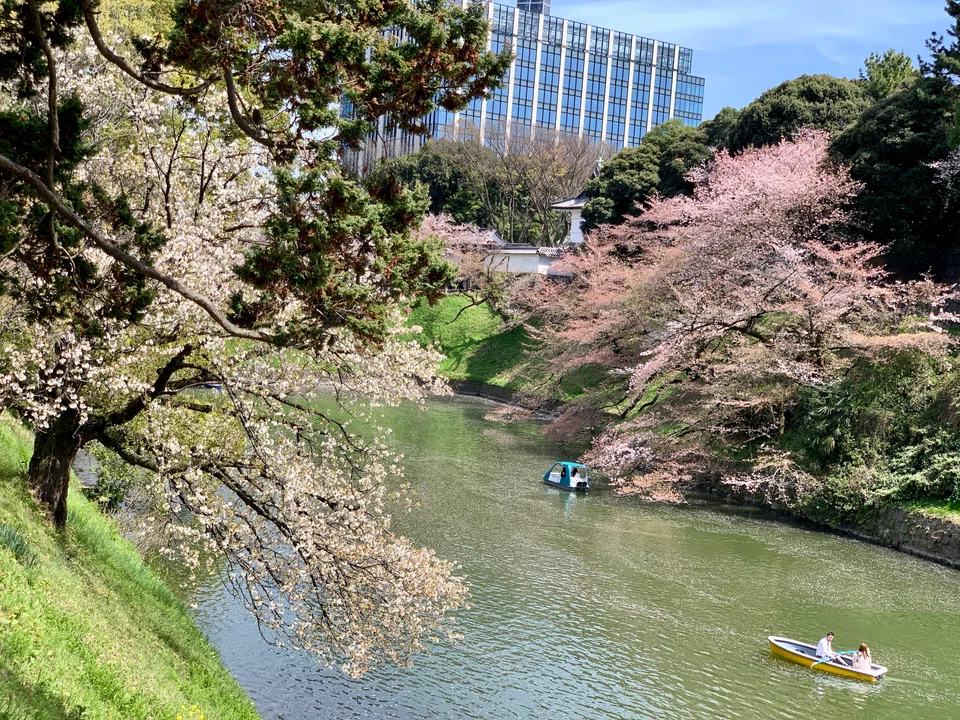
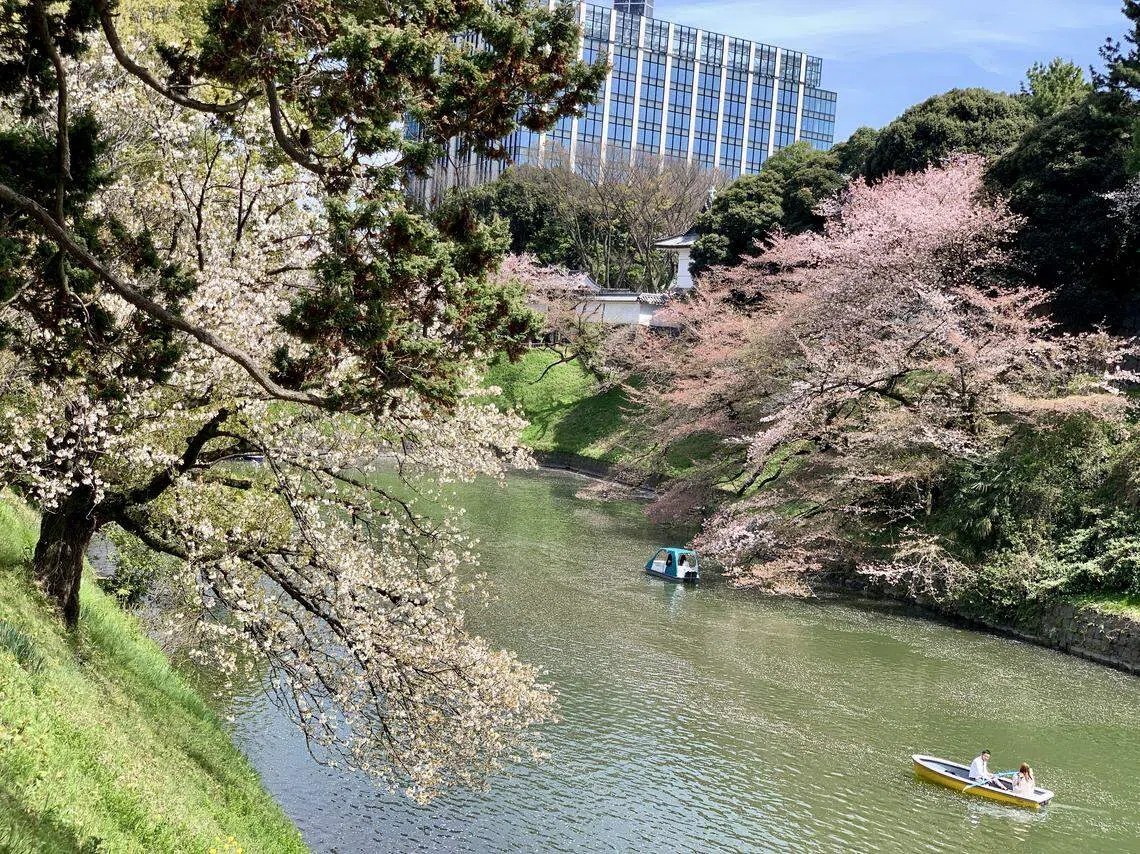
Circa Tokyo, Spring 2022. It’s the tail end of Sakura. The lush, pillowy scenes of full-on blossoms are gone, but the late-bloomers are hanging on as the city shifts to the next phase of hanafubuki – the languid “snowfall” of petals floating in the breeze to form shimmery pink carpets on the ground, but especially beautiful when they fall onto a lake or pond. It’s a phenomenon that gets its own name hanaikada, with accompanying haiku, as only the Japanese can stretch the joy of sakura from start to finish with a poetic exposition of the sheer transience of life.
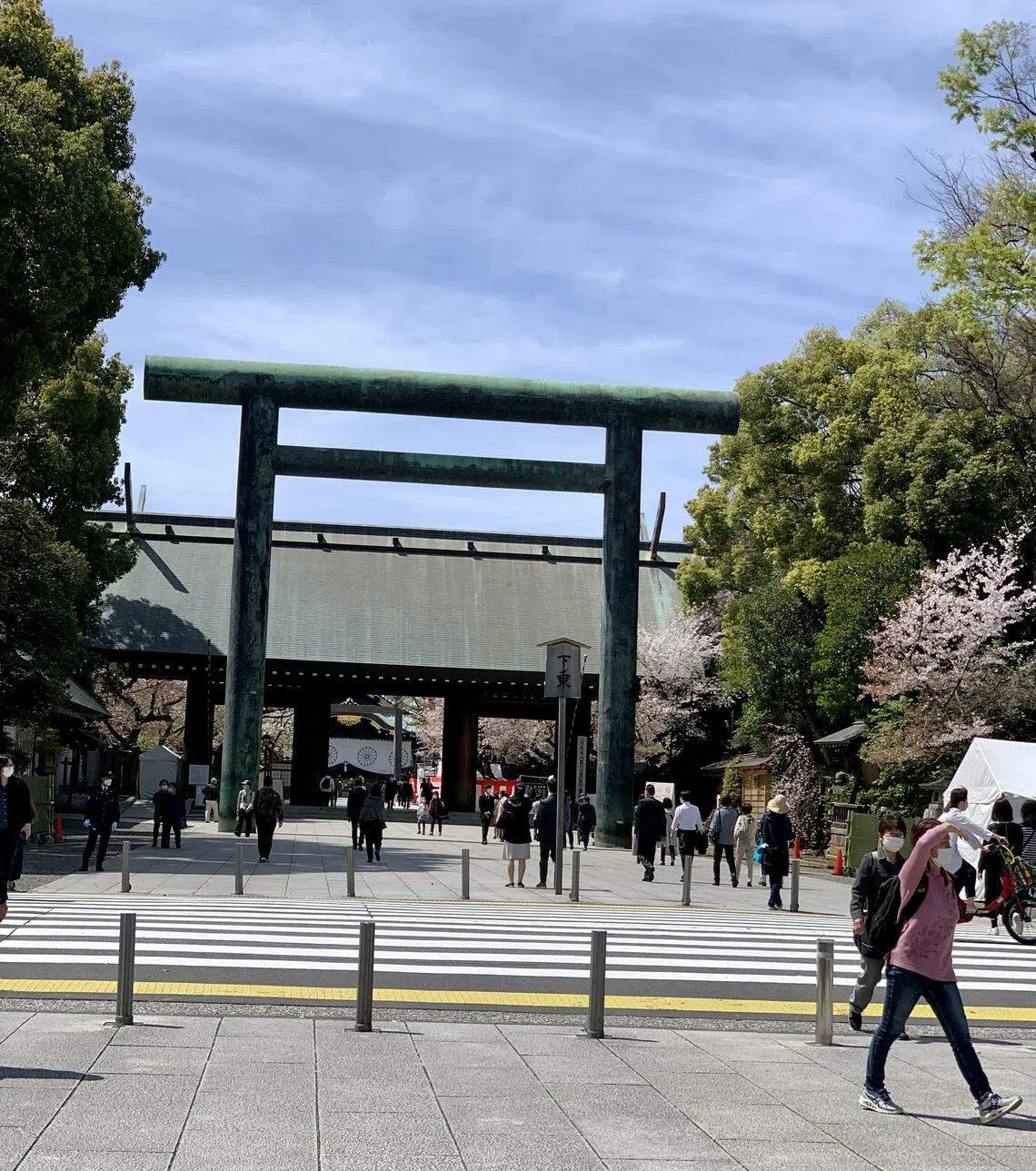
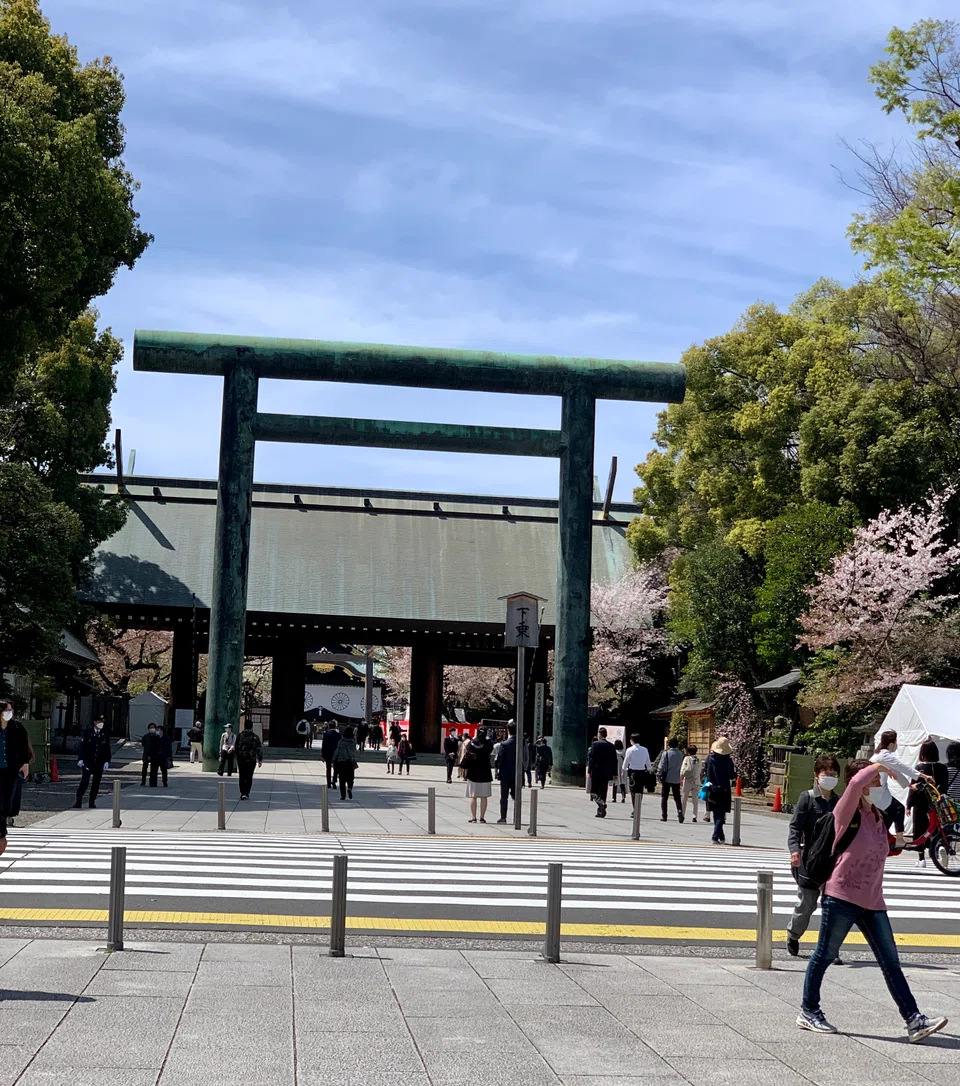
A city without tourists From the “official” cherry tree at Yasukuni shrine – the one that has to bloom first before you can say Sakura has sprung – to the spectacular pink-speckled lake in Chidorigafuchi park, it’s clear that this is a city that has been returned to its people. There’s no one hogging a particularly plump cluster of petals for a good shot, yelling at a companion to get her best side. Couples take a quick shot and move out of others’ way. Individuals on park benches nibble on sandwiches and soak in some sun. Armies of dark-suited young men and women on their lunch hour chatter happily as they cut through the park on their way to wherever.
After closing to the outside world for a good 2 years, English is hardly spoken anymore, if at all, and even those who do say they’ve been out of practice for so long that they have trouble with the vocabulary.
The business travellers and students who are currently allowed in barely make a dent in the local milieu, melting into the background as an occasional disruption they can either choose to humour (and most try their best to help) or hope to ignore (like metro station ticket staff).
After such a long hiatus without tourists, will they know what hit them when the floodgates open again? According to the Japan National Tourism Organization, international travellers in 2021 numbered just 250,000, down from nearly 32 million in 2019. Those millions are chafing at the bit, grasping at morsels like the hint of package tours starting this month, and further opening next month. But specific details are scarce, even as the Japanese media reports on how, ahead of a July election, the government is juggling pressure from businesses to kick-start tourism, and polls that show about 70 per cent of the public are against relaxing restrictions any further.
With the country’s recent easing of Covid restrictions to allow restaurants and bars to open late and moves to boost domestic tourism, Tokyo is bustling as ever even without international visitors. Restaurant reservations are hard to come by, from top Michelin-starred eateries to yakiniku joints. One observer noted that when restrictions were in place, it wasn’t seen as politically correct to be out having a good time, so even the well-heeled kept a low profile. But now, with fewer Japanese travelling overseas, domestic demand is fuelling revenge eating and spending, even as hotels and other tourist-related businesses are still picking up the pieces. The most telling sign of the lack of tourists is Haneda airport, where the stores close early and the once fast-moving piles of Tokyo Banana and multi-flavoured Kit Kat are nowhere to be found.
Rediscovering Tokyo For eligible travellers, entering the country is no piece of cake as it still has some of the strictest entry requirements, although they’ve been steadily streamlined into a smooth but time-consuming process. Armed with a negative PCR test taken 72 hours before flying, you need to factor in at least 2 to 3 hours from the time you disembark to go through multiple stations that check everything from visa documents to pre-loaded apps, and take an on-arrival saliva test.
Most seem to be able to drool on cue, but if you can’t it’s a stressful affair made more embarrassing by the incredibly sunny-natured staff who aren’t at all grossed out as they urge you to hack up just a little bit more. It’s another hour or so as you wait for the results, hoping for no curve balls after coming this far. And once you’re released, settled in your hotel room at 1 am and cradling your egg salad sandwich from Family Mart, it feels like the best meal you’ve had in a long time.
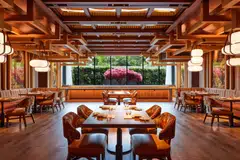
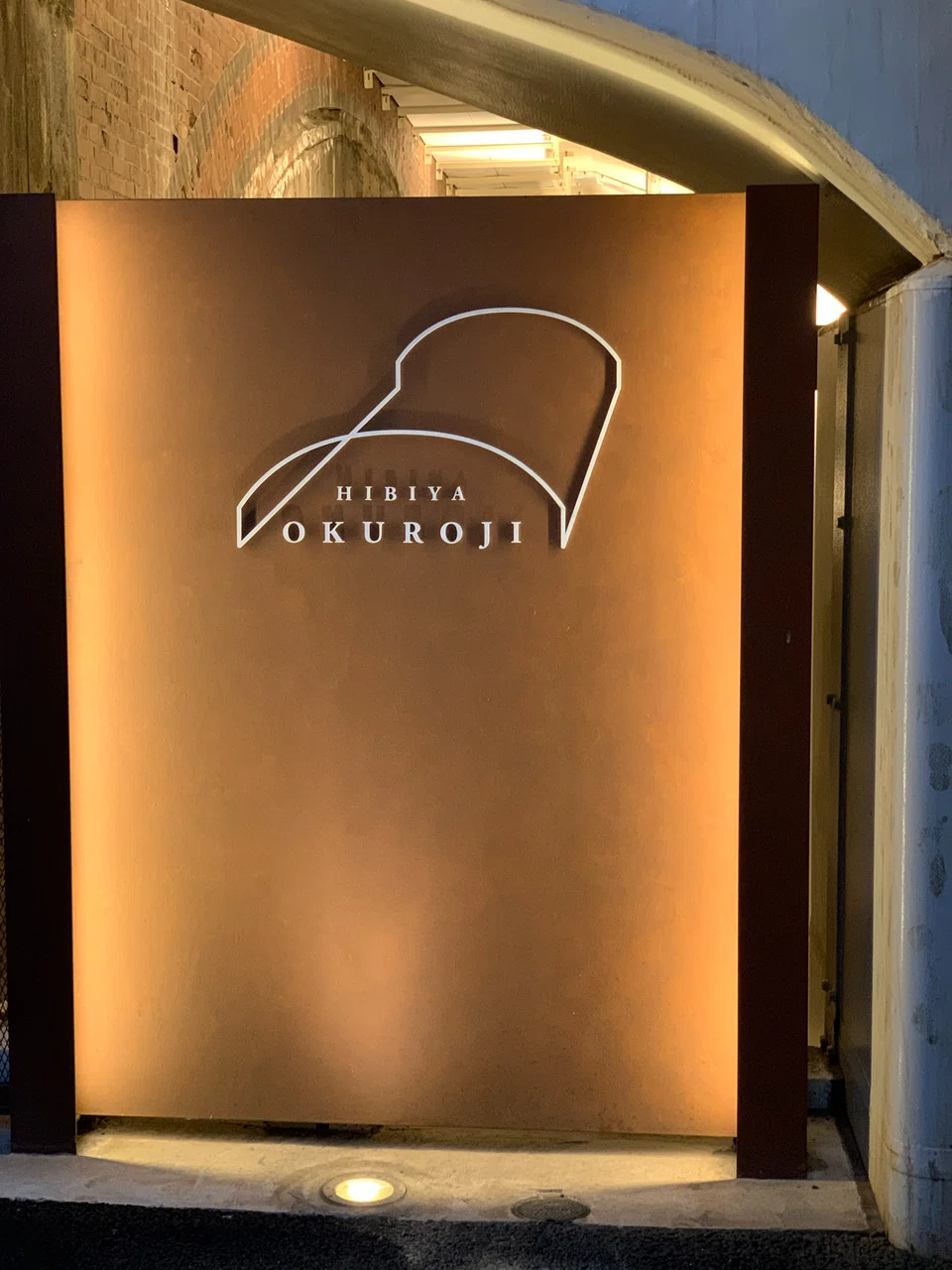
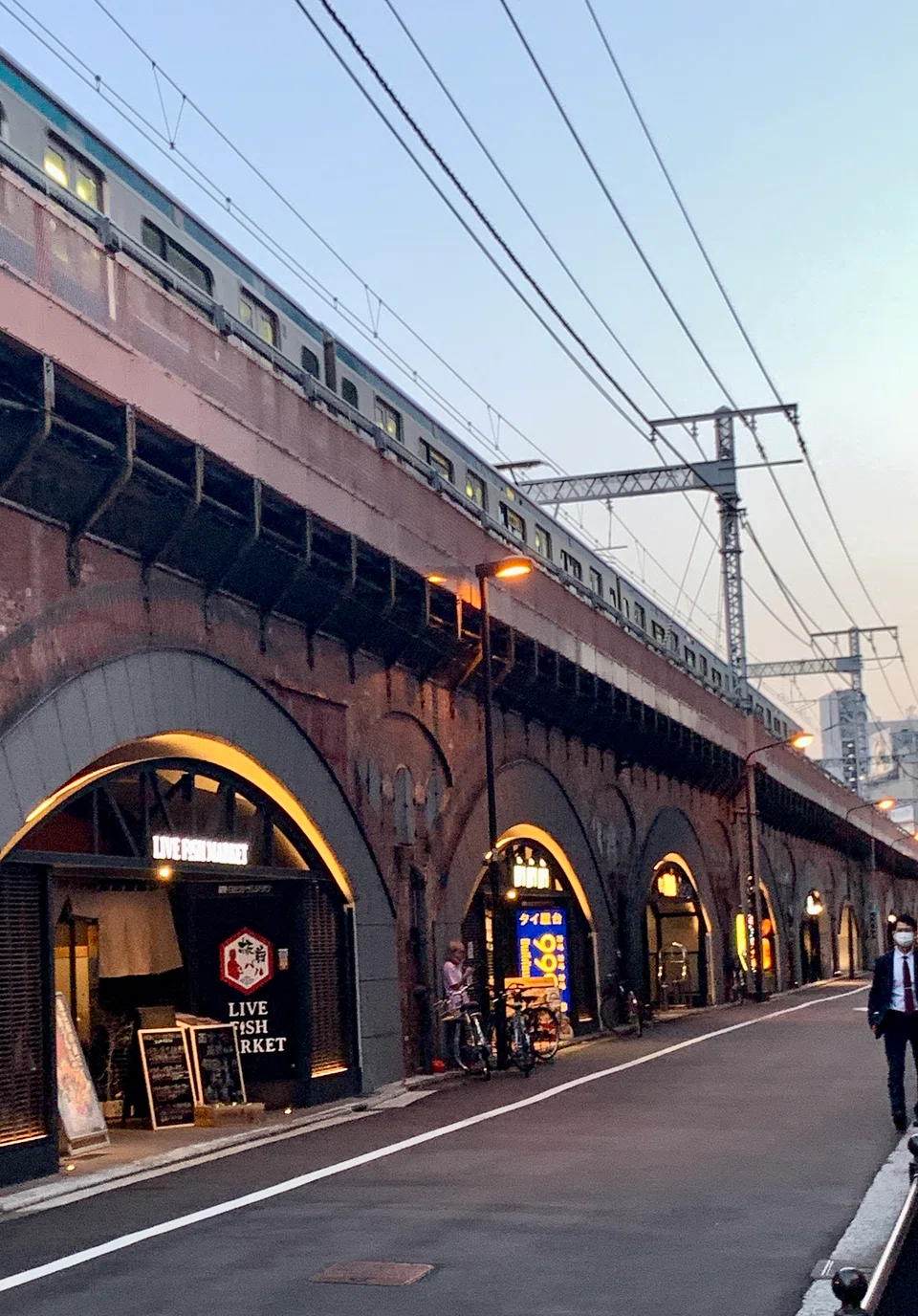
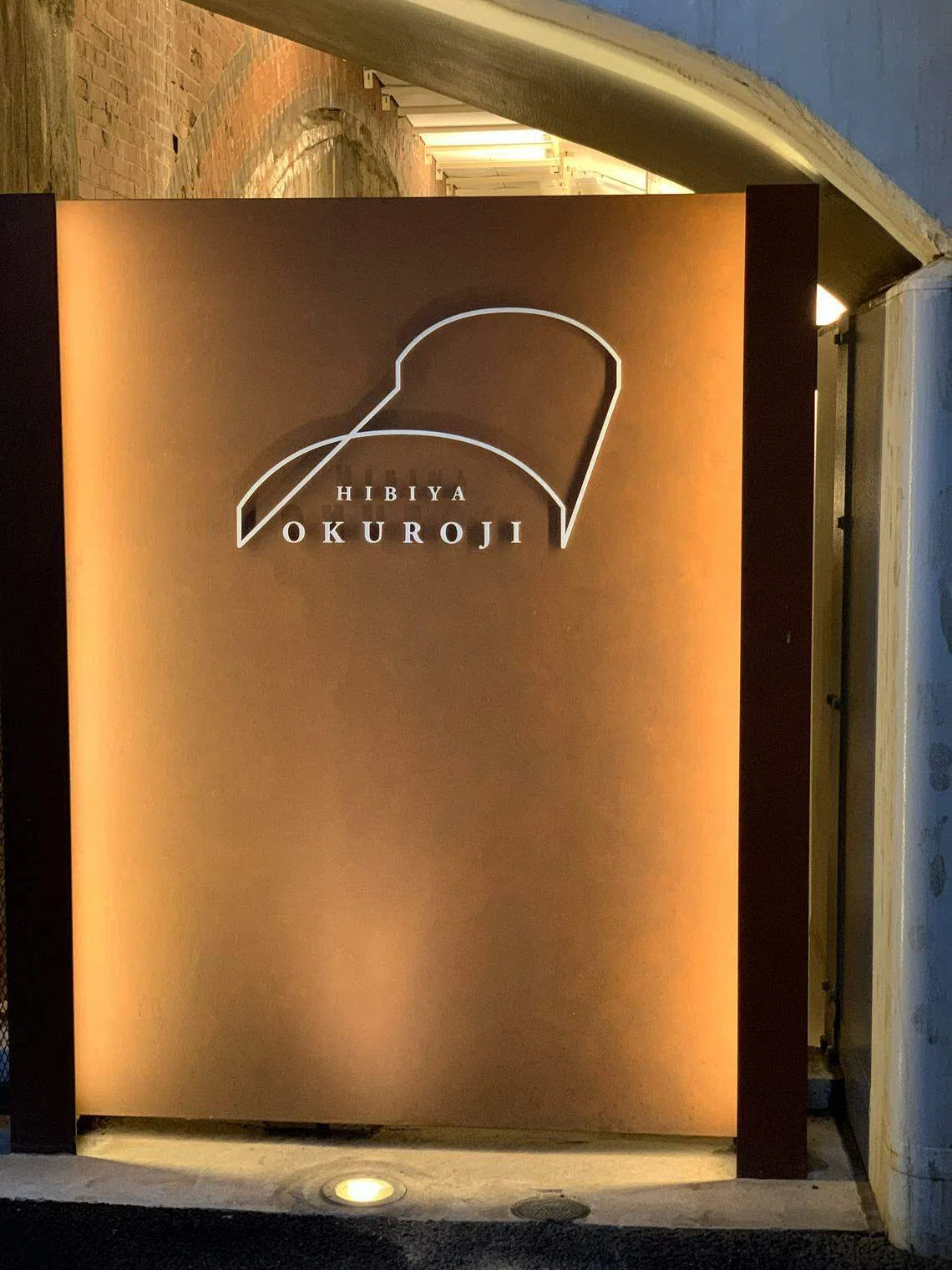
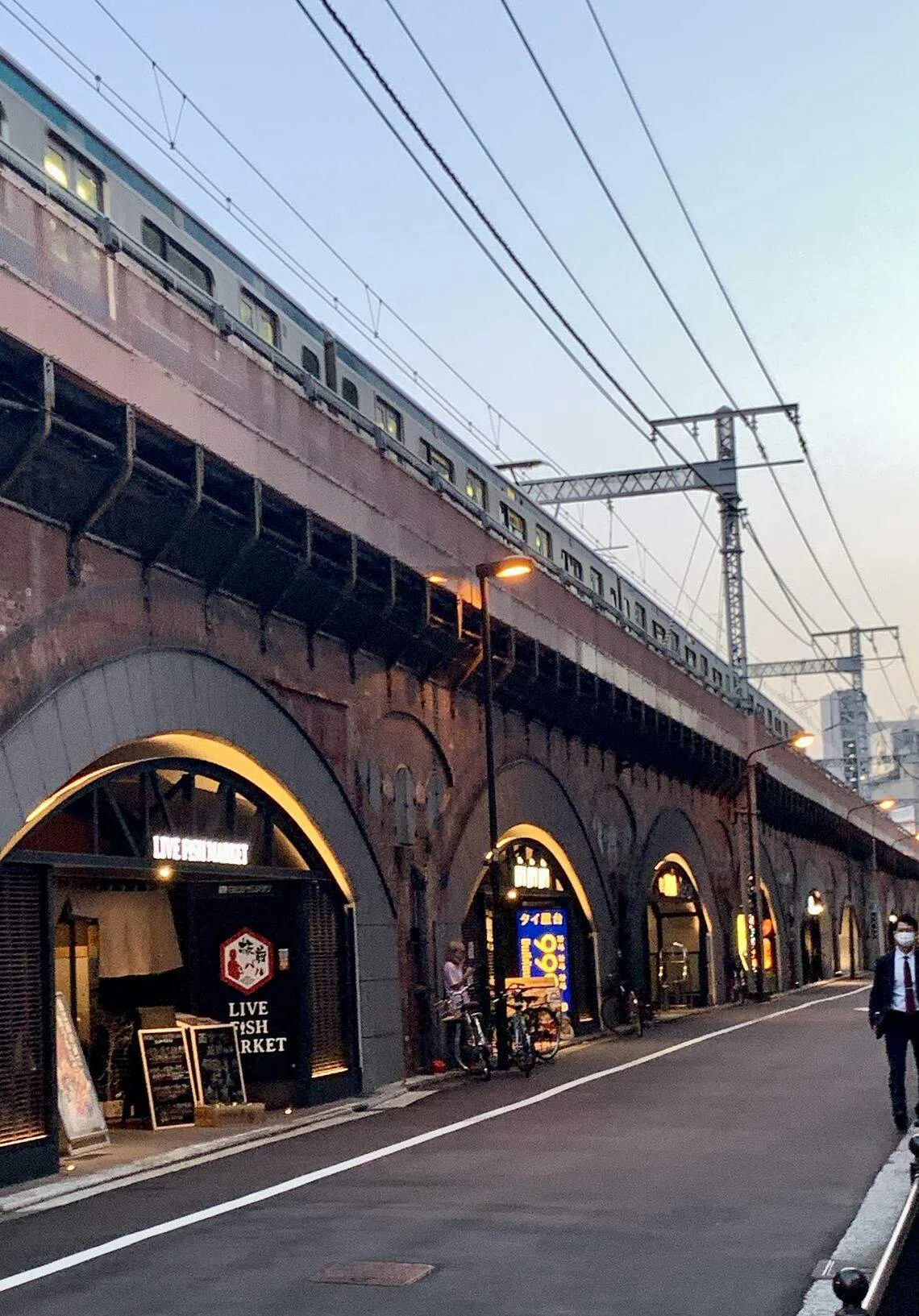
Two lost years disappear as you immerse yourself in a city that looks the same as when you left it, but with a few nips and tucks. Shibuya station, once a maze of unfinished construction, gleams in a new maze of polished train platforms and even glitzier malls. The stalwart Tokyu department store is gone, suddenly magicked away to a retail nursing home. The same at Ginza station, where the steel scaffolding you dodged for years have all disappeared, leaving sleek passages tiled in dark slate with ambient-lit pillars. In nearby Hibiya, between Yurakucho and Shimbashi station, a dingy underground area underneath the train tracks has been turned into Hibiya Okuroji – a stylish alley of hip bars, eateries and shops.
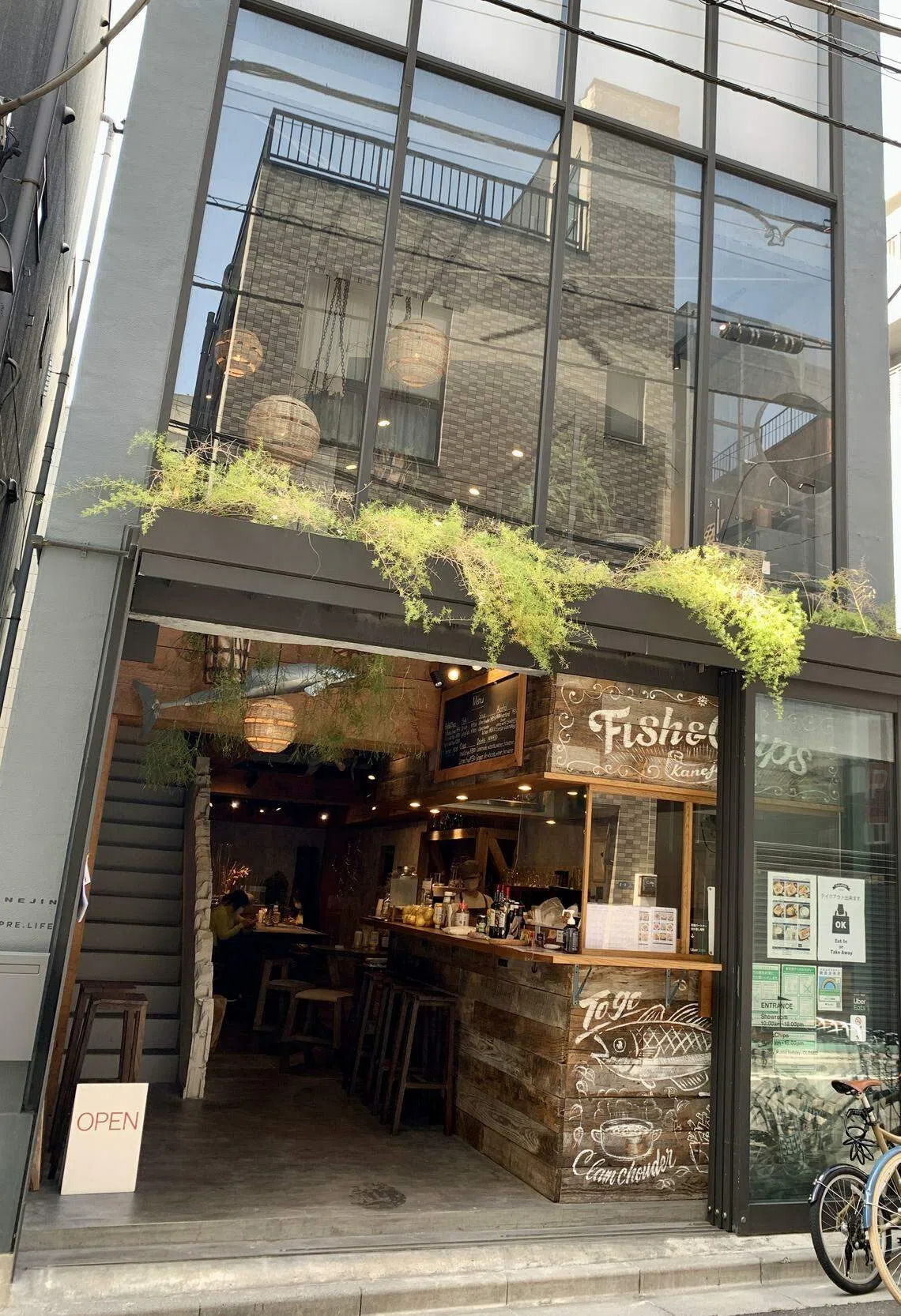
Exploring old neighbourhoods You’ve heard of Asakusa and Ueno, but maybe not Taito City, the smallest ward in Tokyo that they’re part of. You know it better for the likes of Sensoji temple, Ueno Park and the chef’s mecca Kappabashi kitchen street. But if you poke around the residential areas, there are a few gems worth seeking out.
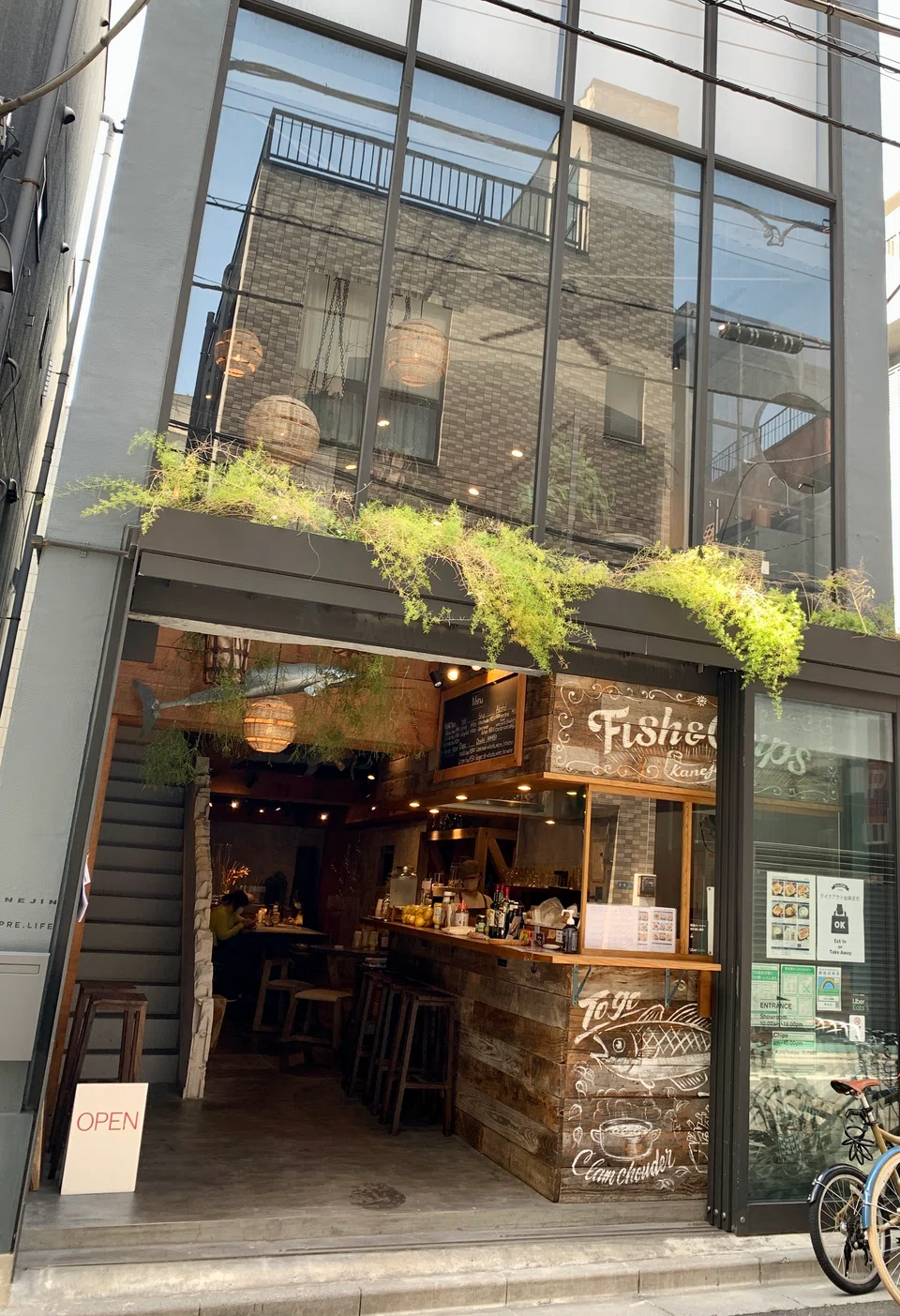
Kanejin Fish & Chips 3 -7-9 Kotobuki, Taito-ku, Tokyo (near Kuramae station)
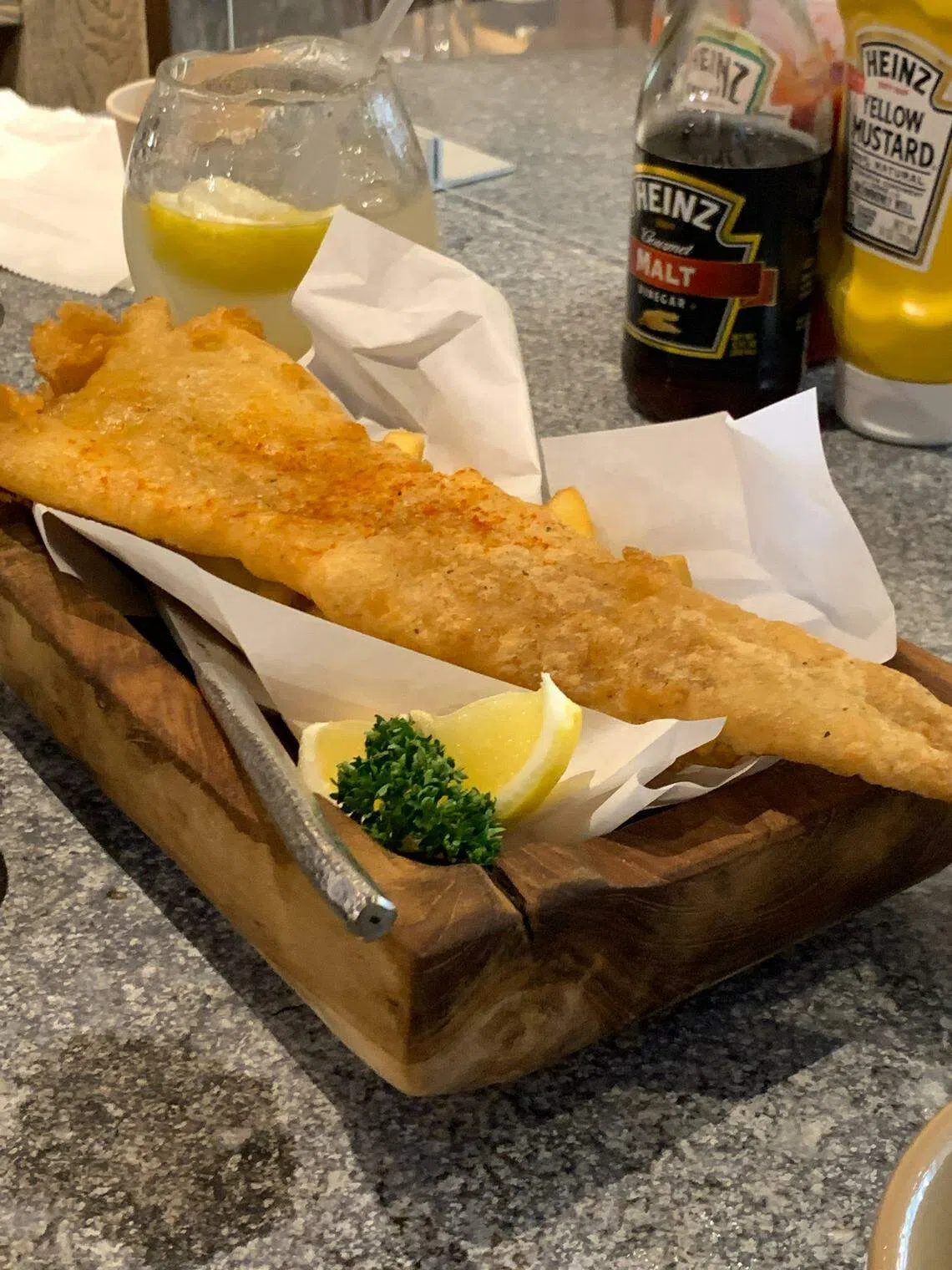
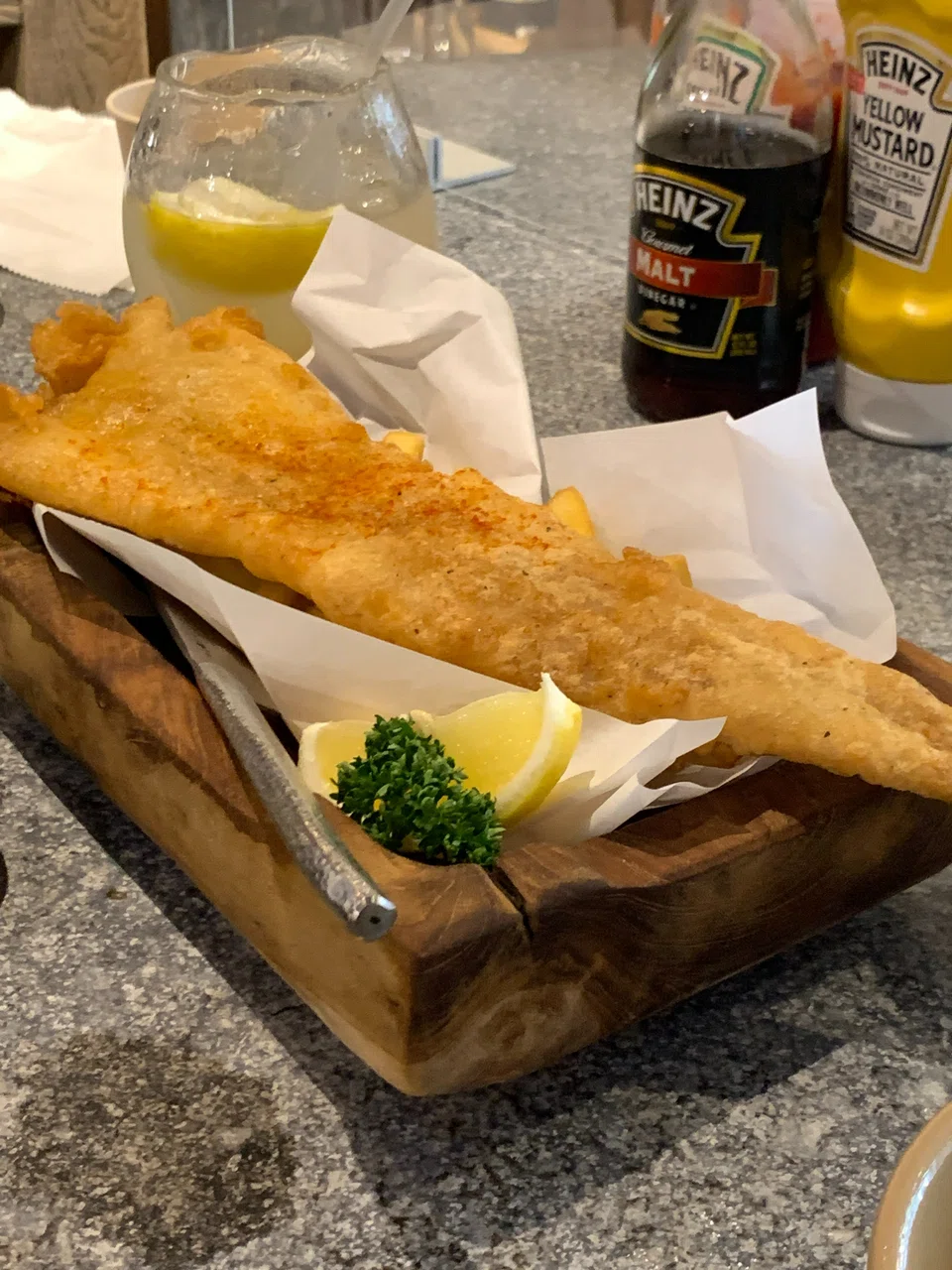
This is a quirky little eatery that also happens to be a showroom for upscale bath accessories, owned by a fish-loving designer who wanted to serve the best version of his favourite dish. Looking like a lifestyle homeware store with a built-in cafe, the “kitchen” is manned by just one person who takes your order and cooks in the same spot. The fish is from Hokkaido and excellent, sweet and fleshy in a light batter with chips and addictive tartare sauce that’s like a creamy devilled egg salad with gherkins and capers. Don’t miss the homemade ginger ale too.
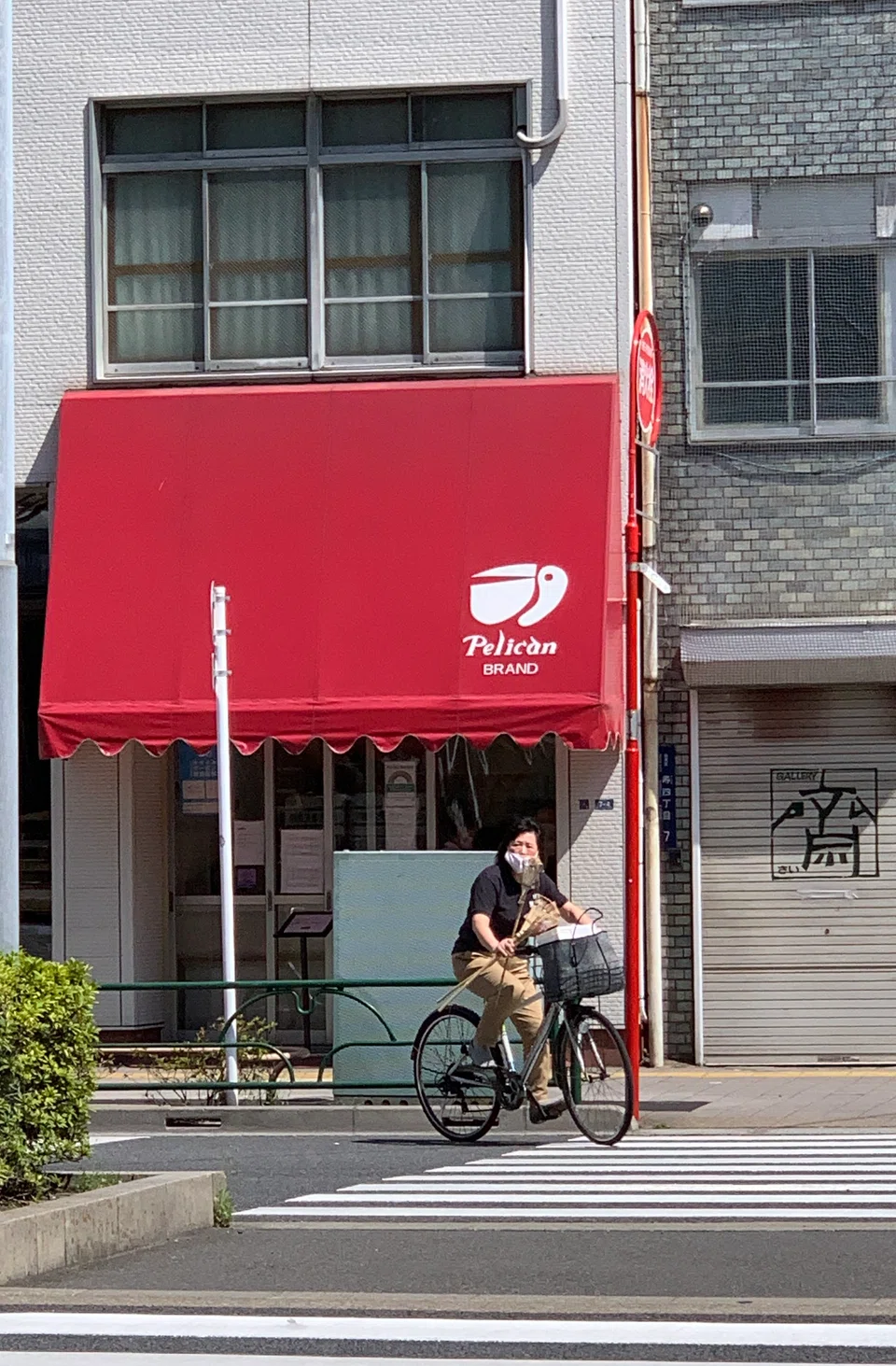
Pelican 4 -7-4 Kotobuki, Taito-ku, Tokyo
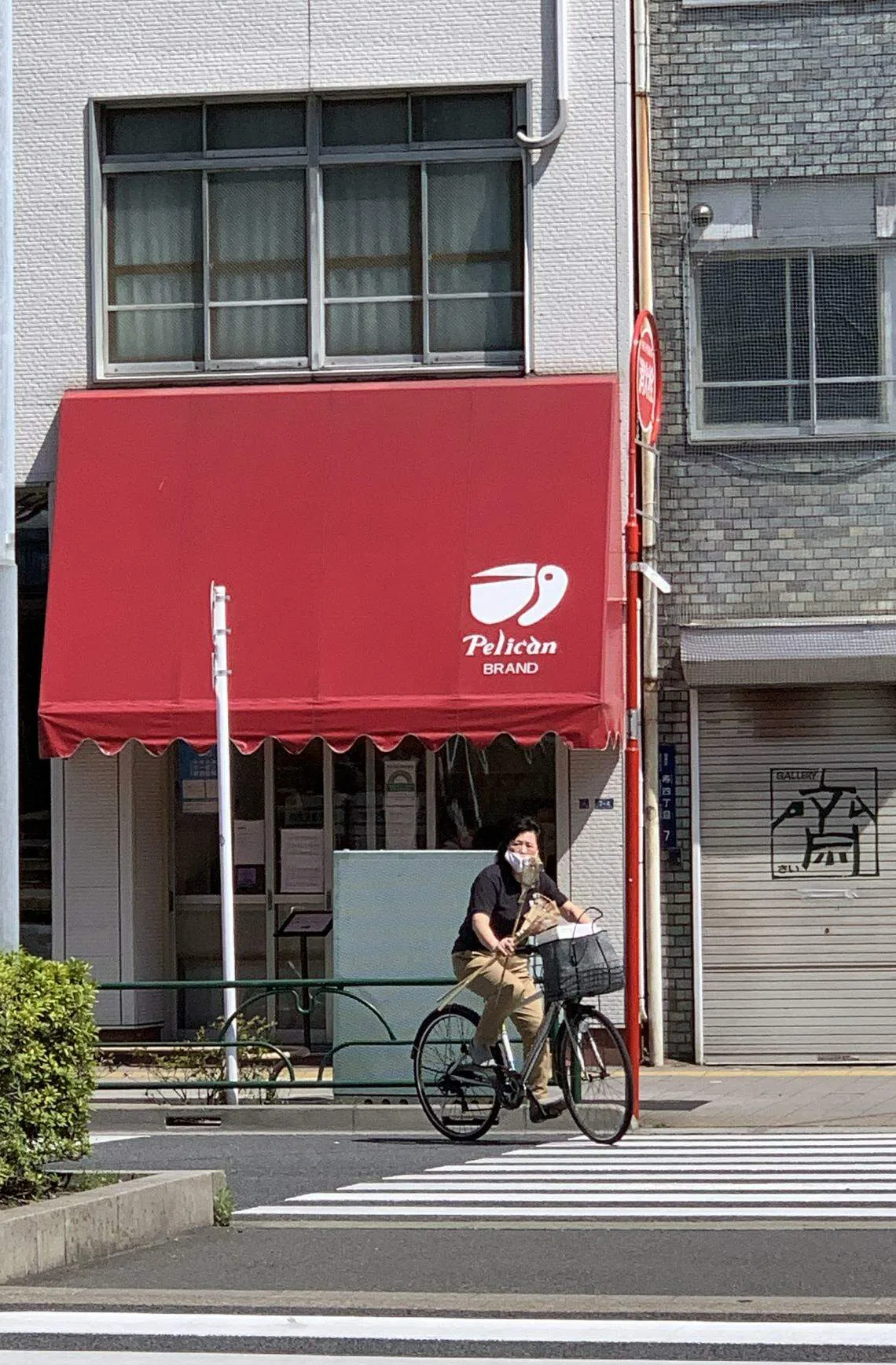
Just a short walk away from Kanejin is this obscure tiny shop with just a red canopy emblazoned with a pelican logo that sells just two kinds of bread - shokupan and dinner rolls. It’s one of the city’s original western bakeries dating back more than 70 years - perhaps the precursor of the now-trendy pillowy loaves that we can’t get enough of. There’s a constant stream of people passing by to snap up a loaf or two. Observe and do as they do because they don’t speak English. Just point and pay and leave with a loaf of good old fashioned bread that’s not too fluffy but has an amazing bouncy resilience. Best eaten the same day. It also has a cafe on the same street which serves fat slices of charcoal toasted bread and other simple fare.
Okatte 1-1-31 Yanaka, Taito-ku, Tokyo
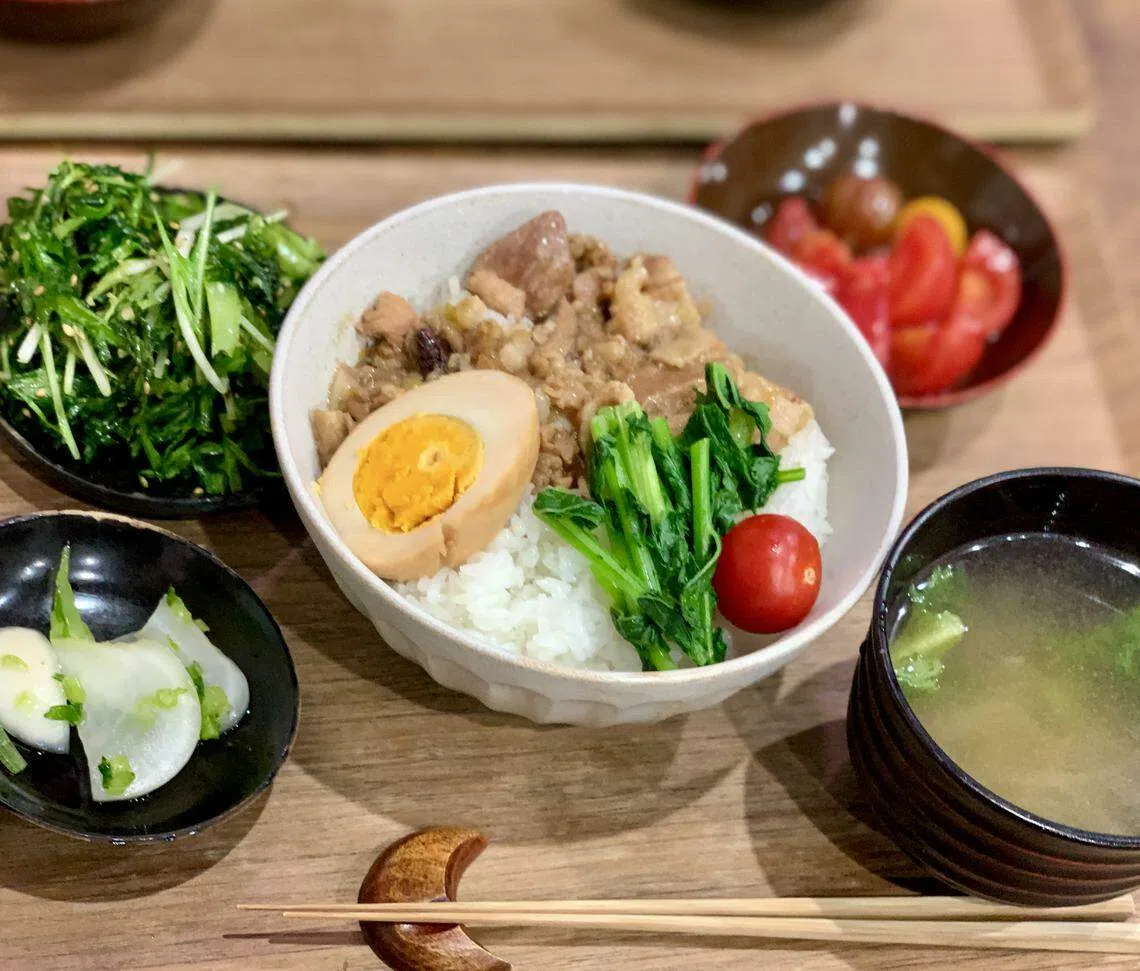
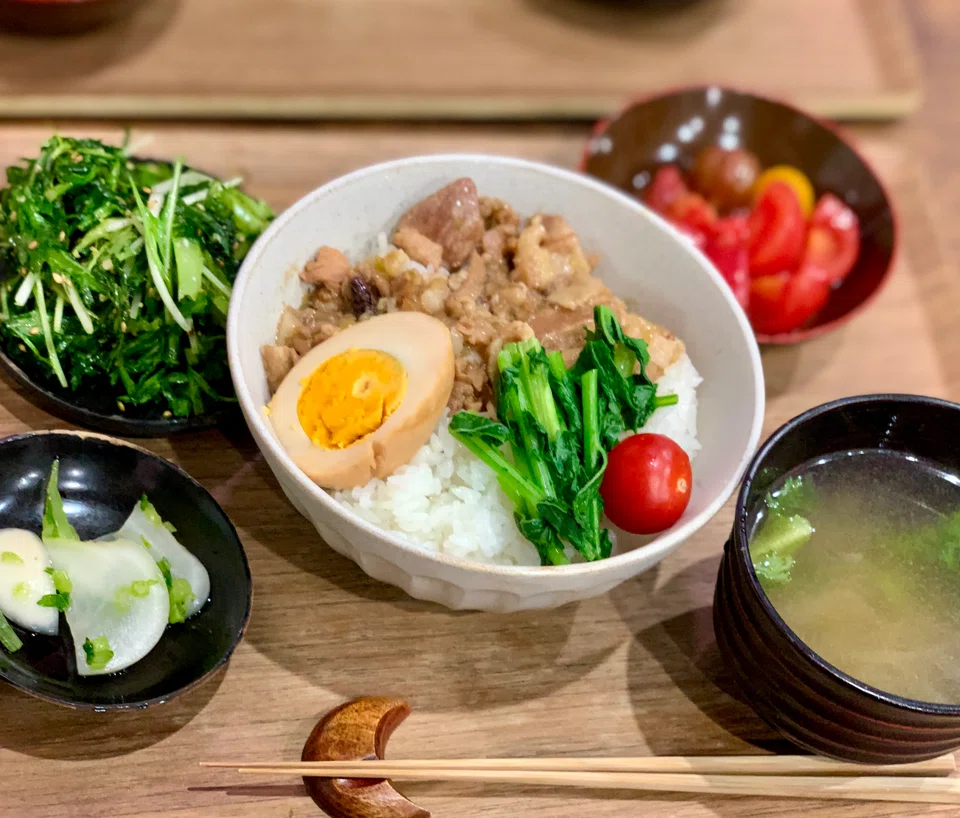
Not close by but in Yanaka - also in Taito - is this little greengrocer that spills over with super fresh vegetables and fruits, with a cafe that serves very simple home cooking featuring the vegetables they sell. Again, no English is spoken but there’s a picture menu and in our case, a helpful diner who could translate for us. Pick from all-vegetables or a pork bowl option of simmered meat and egg on rice, and side dishes of vegetable soup, stir-fried greens and tomato salad. The food is very simple but it’s a great showcase of the produce - curated from artisanal farms from different prefectures, including fascinating and sweet teardrop-shaped tomatoes.
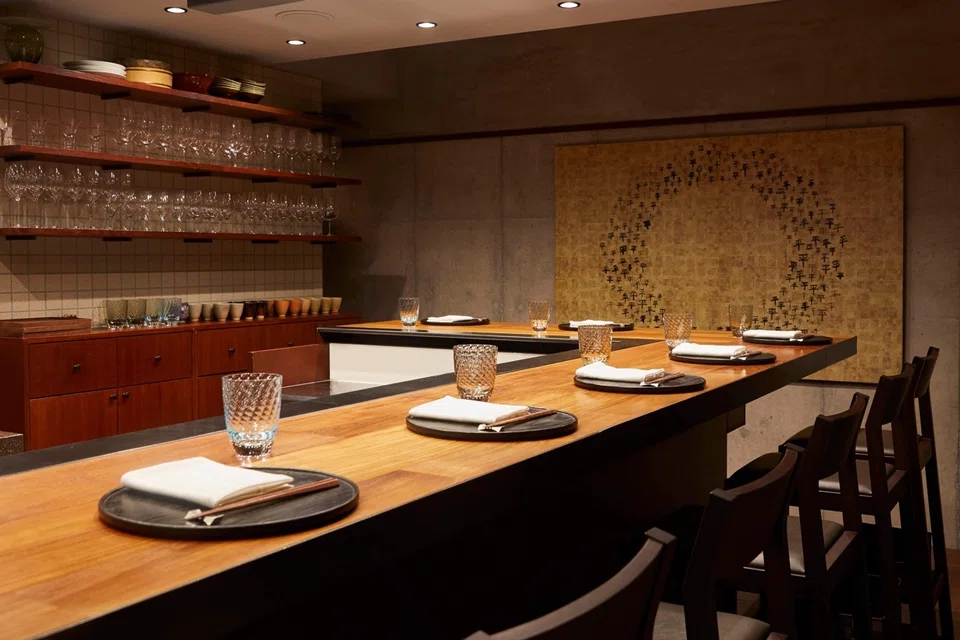
Fine dining It’s a no brainer to decide between a S$450 omakase at a 3-Michelin-starred restaurant in Tokyo, or its equivalent in a no-star in Singapore. Prices are higher in Tokyo now even with a cheap yen, but it takes a meal here to really appreciate the meaning of true Japanese flair. A re-visit to old haunts like Kagurazaka Ishikawa and Sushi Saito confirm this, while there are other new and not-so-new places to add to our growing must-eat list.
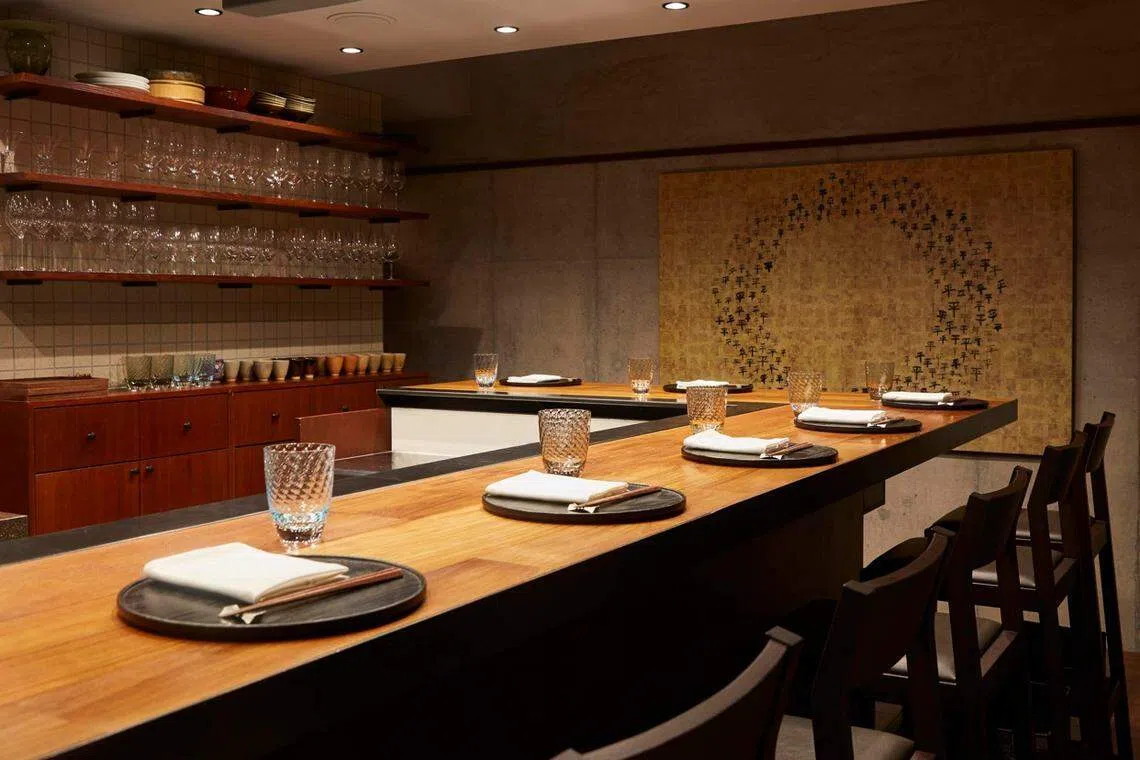
Heichan 1-12-10 Nihonbashi Muromachi, Chuo-ku, Tokyo (Mitsukoshimae station) La Paix Nihonbashi 1-9-4 Nihonbashi Muromachi, Chuo-ku, Tokyo
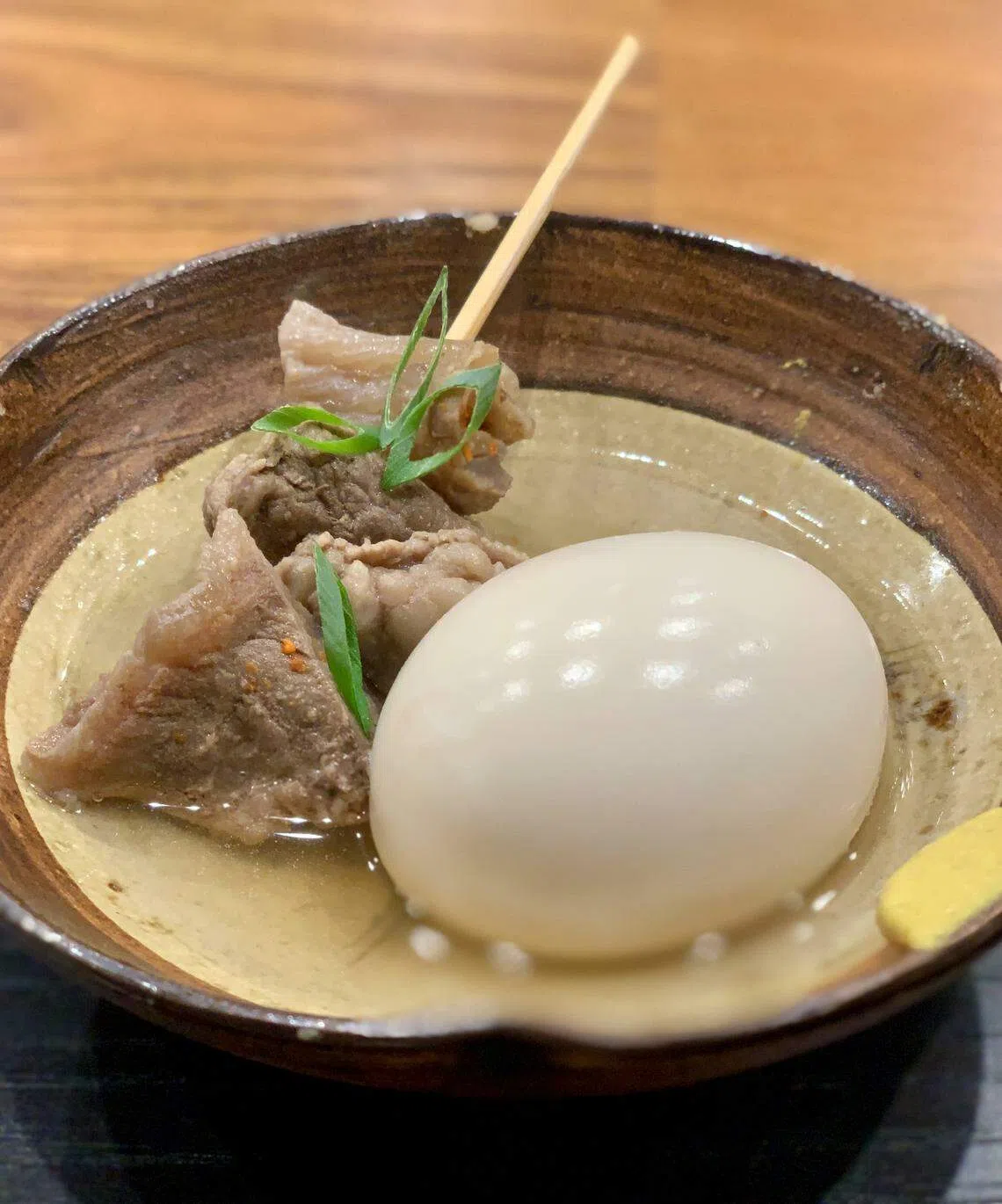
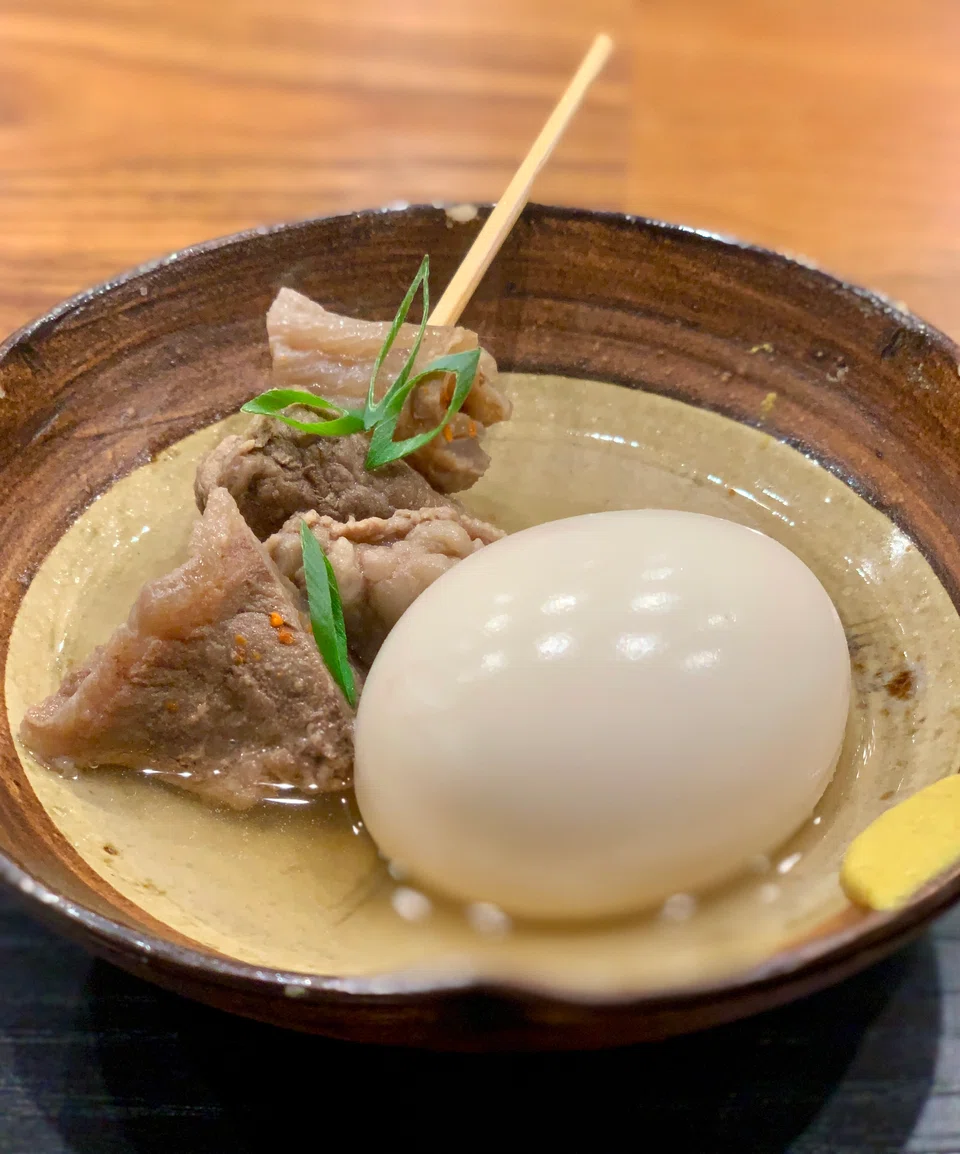
Heichan is a new off-shoot of the 1-Michelin-starred La Paix and a tribute to chef-owner Ippei Matsumoto’s parents who ran an oden restaurant in their native Wakayama prefecture, Heichan is a modern take on the humble dish, with a French slant inspired by the modern-European cuisine of the flagship restaurant. Think clear intense dashi broth with a spear of tender beef muscle and rich, orange-yolked egg from Tochigi; a spring roll filled with searing hot boiled daikon and pork; and wild duck and foie gras pate enhanced with miso and katsuobushi powder. It’s a clever mix and match that never falls out of step. And with set menus priced at around 6,000 yen (S$65) to 11,000 yen, it’s very well-priced for the quality.
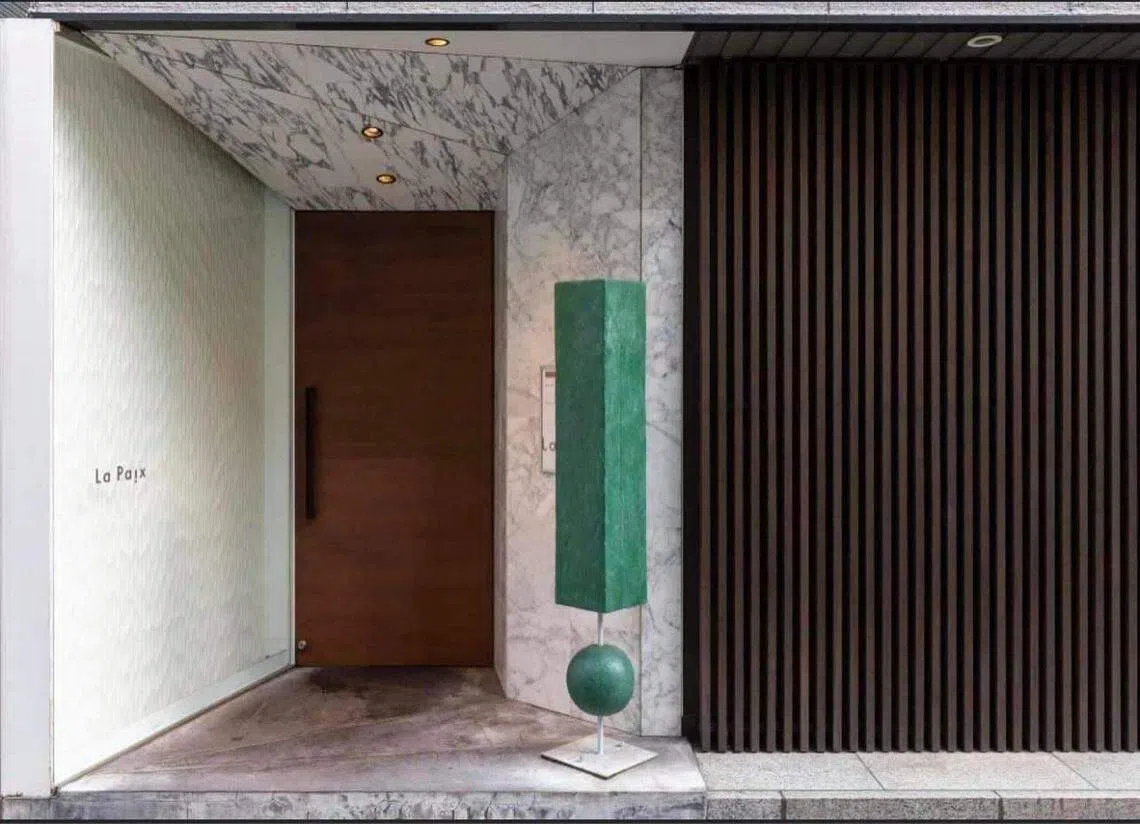
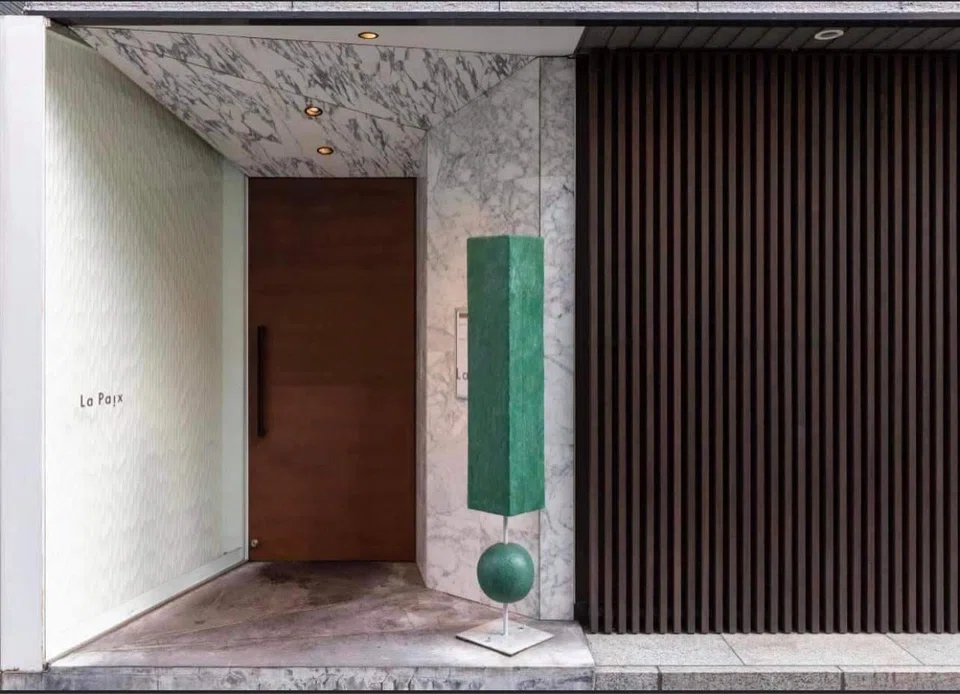
Don’t miss La Paix too just a short walk away. This discreet, elegant eatery is where chef Matsumoto keeps raising the bar on his quietly innovative French-Japanese cuisine that’s focused on fresh local ingredients. At 14,300 yen for dinner (and 7,000 yen for lunch), again, it’s great value for money.
Sushi Tsubomi 1-21-26 Higashiyama, Meguro-ku, Tokyo (Naka-meguro station)
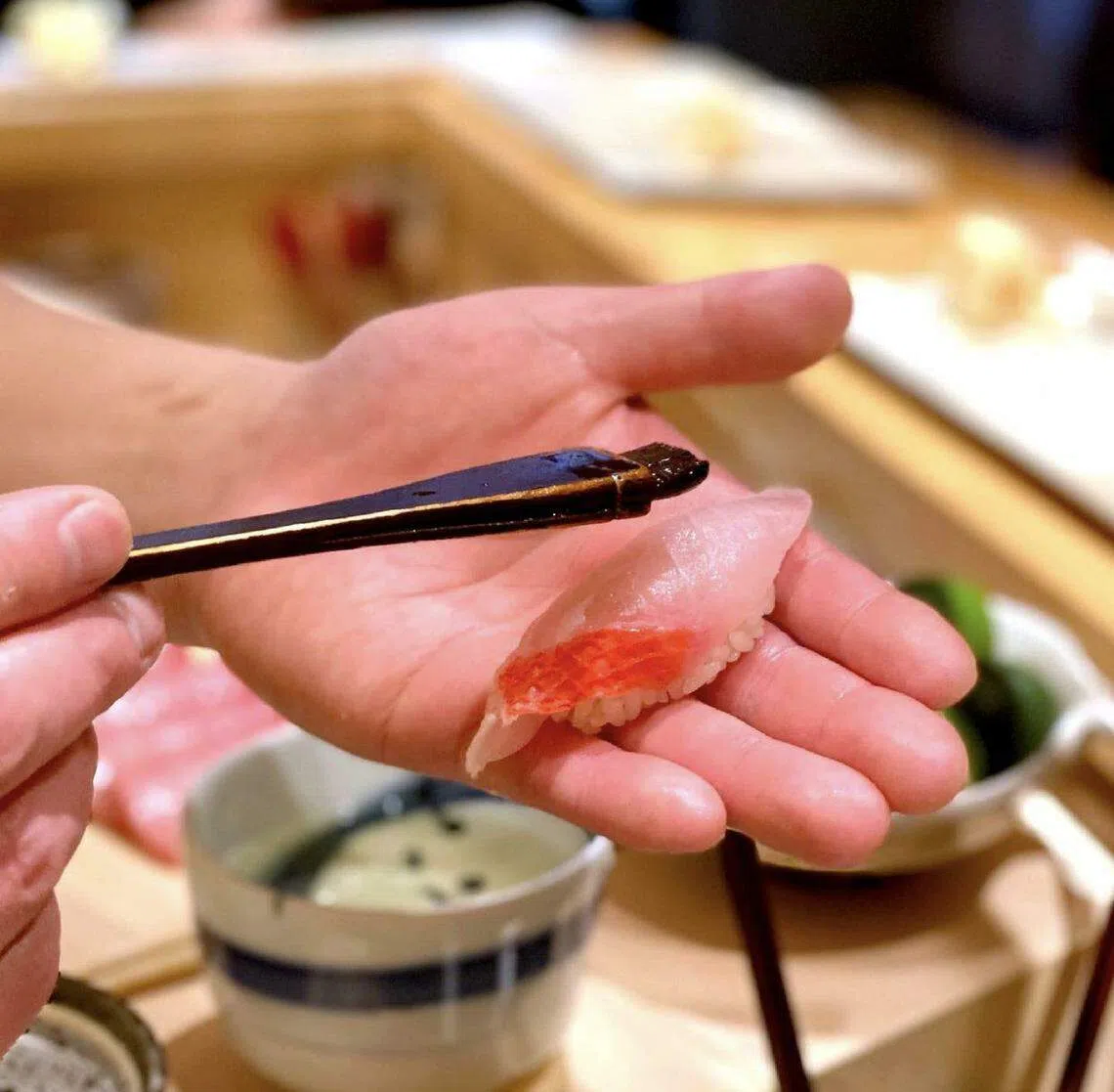
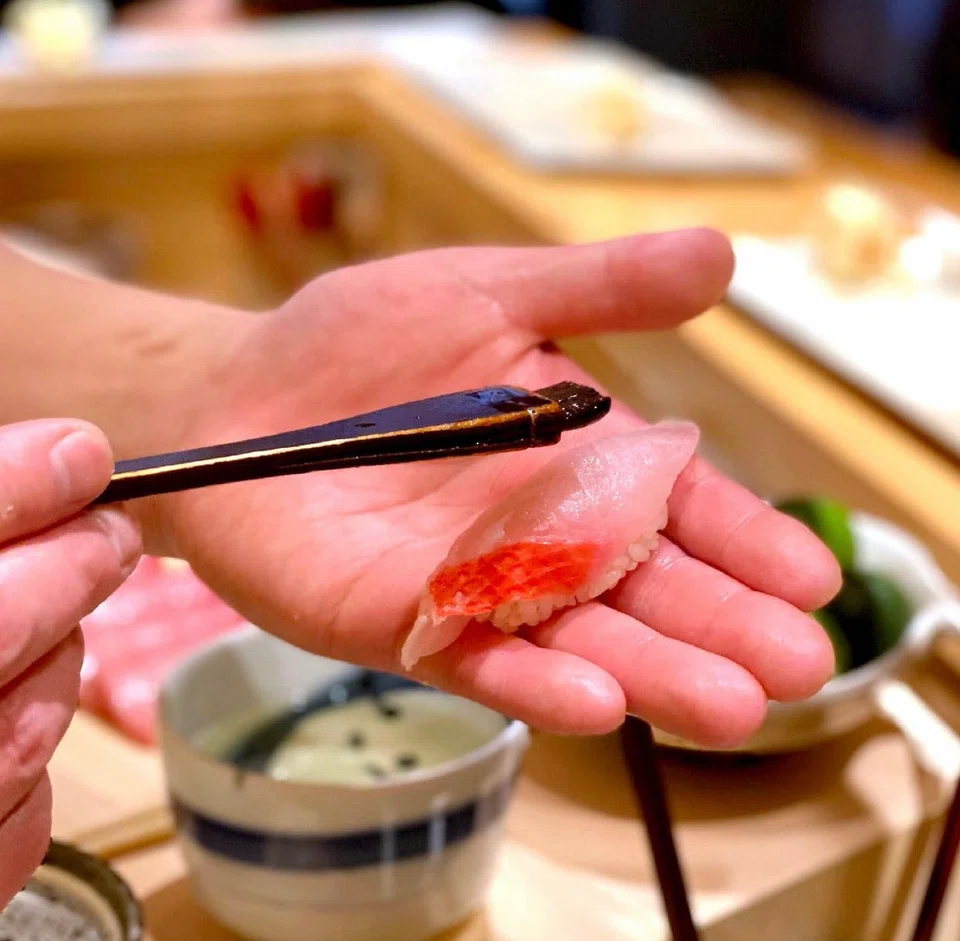
Run by chef Keiya Kawaguchi - a disciple of Takashi Saito of Sushi Saito fame - expect pure Edomae-style sushi that’s a worthy alternative when you can’t get a booking at the main shop in Ark Hills. Even if he doesn’t quite have the master’s touch, he’s been taught well and the DNA, ingredients and presentation all share the same suppliers and philosophy of the man himself. Priced from 20,000 to 29,000 yen.
Guchokuni 4-3 Kagurazaka, Shinjuku-ku, Tokyo (Iidabashi station)
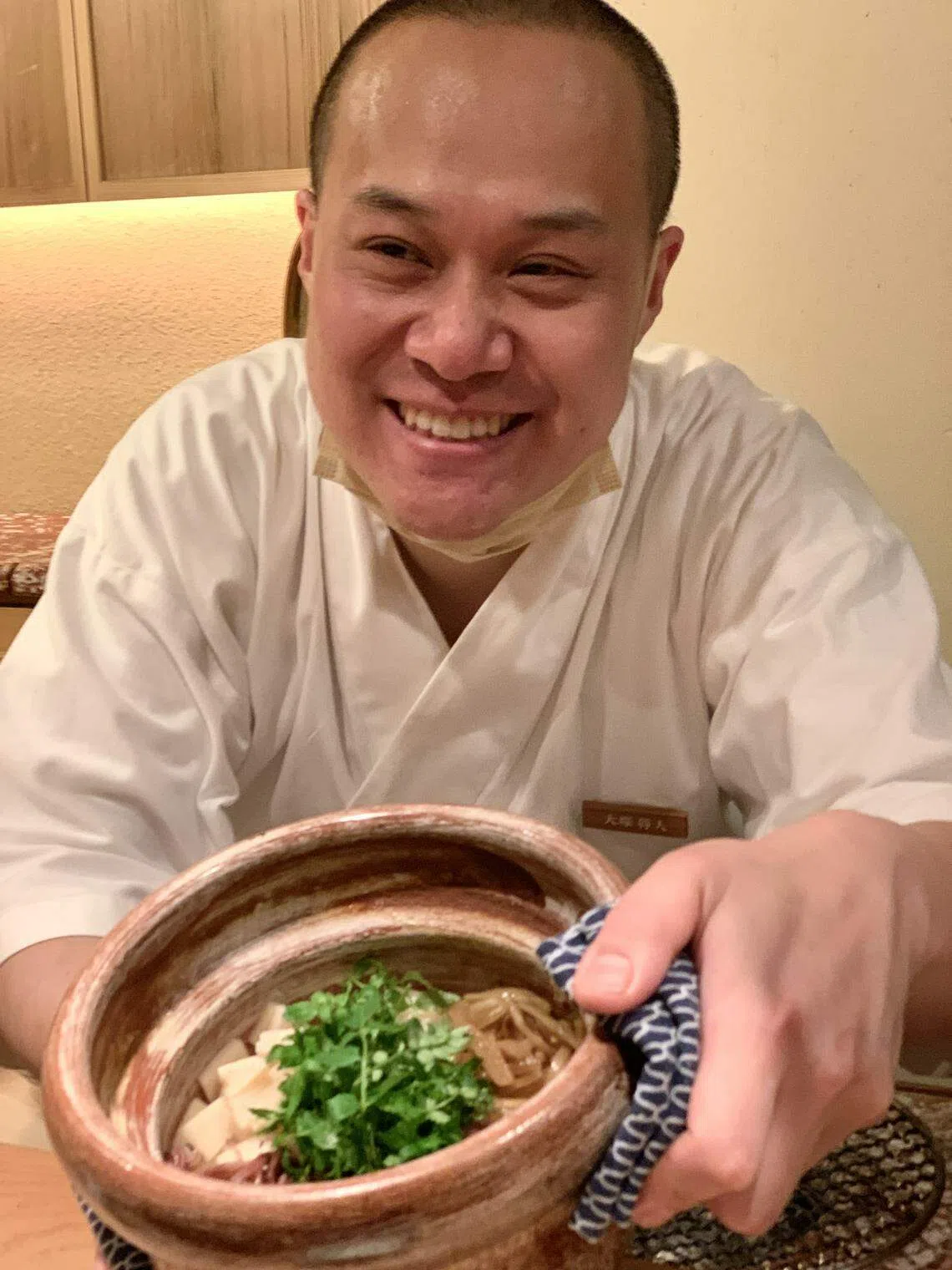
This is kappo cooking at its best - robust flavours, seasonal ingredients and warm surroundings. Literally meaning “honesty”, the food is exactly that. Nothing complicated, comfort cooking from a homey starter of shiraou (ice fish) on hot sticky rice with soft cooked eggs ladled over, to seasonal broiled bamboo shoots simply seasoned with red miso. Part of the Ishikawa group which has been expanding on Kagurazaka Slope, Guchokuni hits the spot with authenticity and satisfying food. Priced at 22,000 yen.
NK 5-37, Kagurazaka, Shinjuku-ku, Tokyo (Iidabashi station)
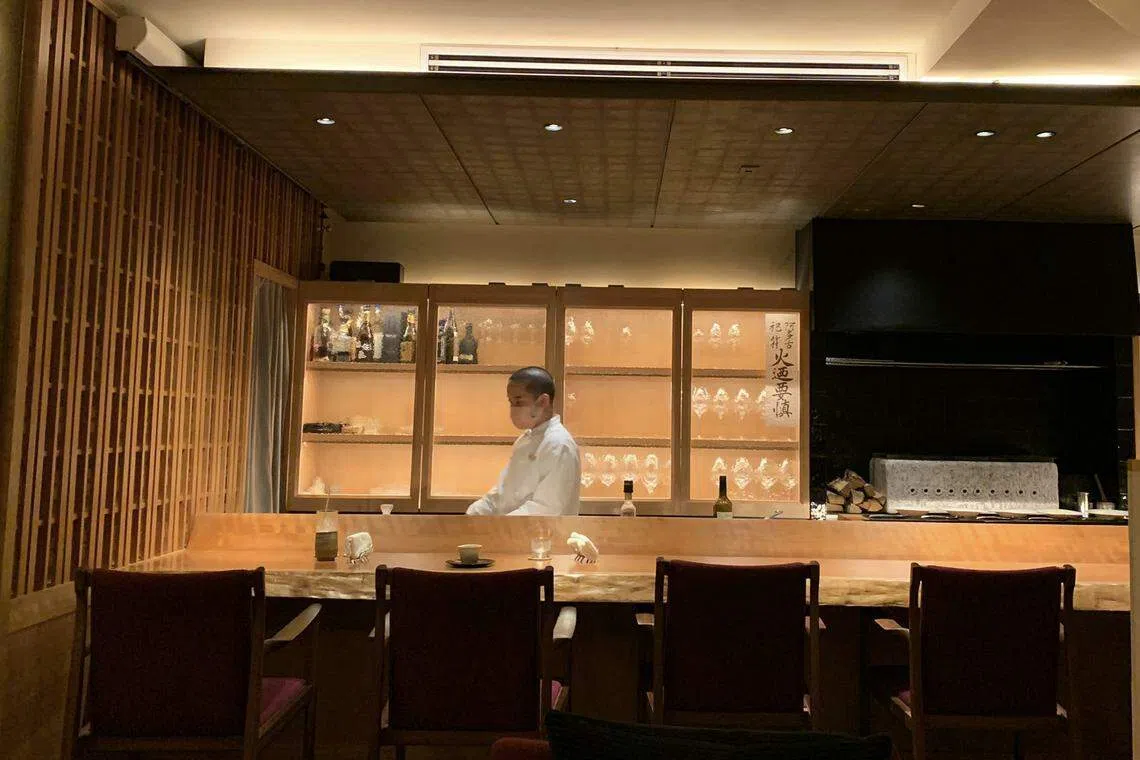
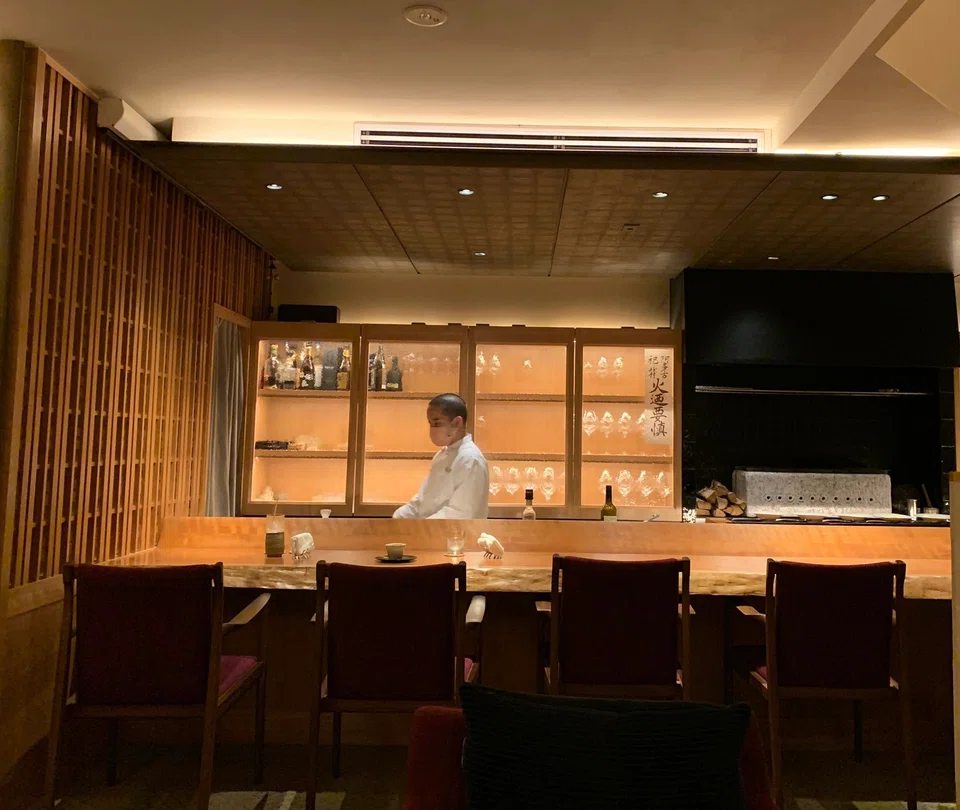
Just steps away from the famed 3-starred Ishikawa, NK features a youthful buzzy vibe with a team of energetic chefs/servers entertaining diners with their exuberance. From the whimsical robot-themed artworks to the sturdy natural wood counters and dining tables and warm orange lighting, there’s a mix of modern and classic in both the decor and the food. Hot dashi playfully served in wine goblets, pan-fried shark’s fin in creamy shirako broth and cold soba topped with botan ebi are part of a very substantial menu that will send you rolling out filled with good food and joie de vivre. Priced at 31,900 yen
Jinen 6-7, Nanpeidai-cho, Shibuya-ku, Tokyo (Shibuya station)
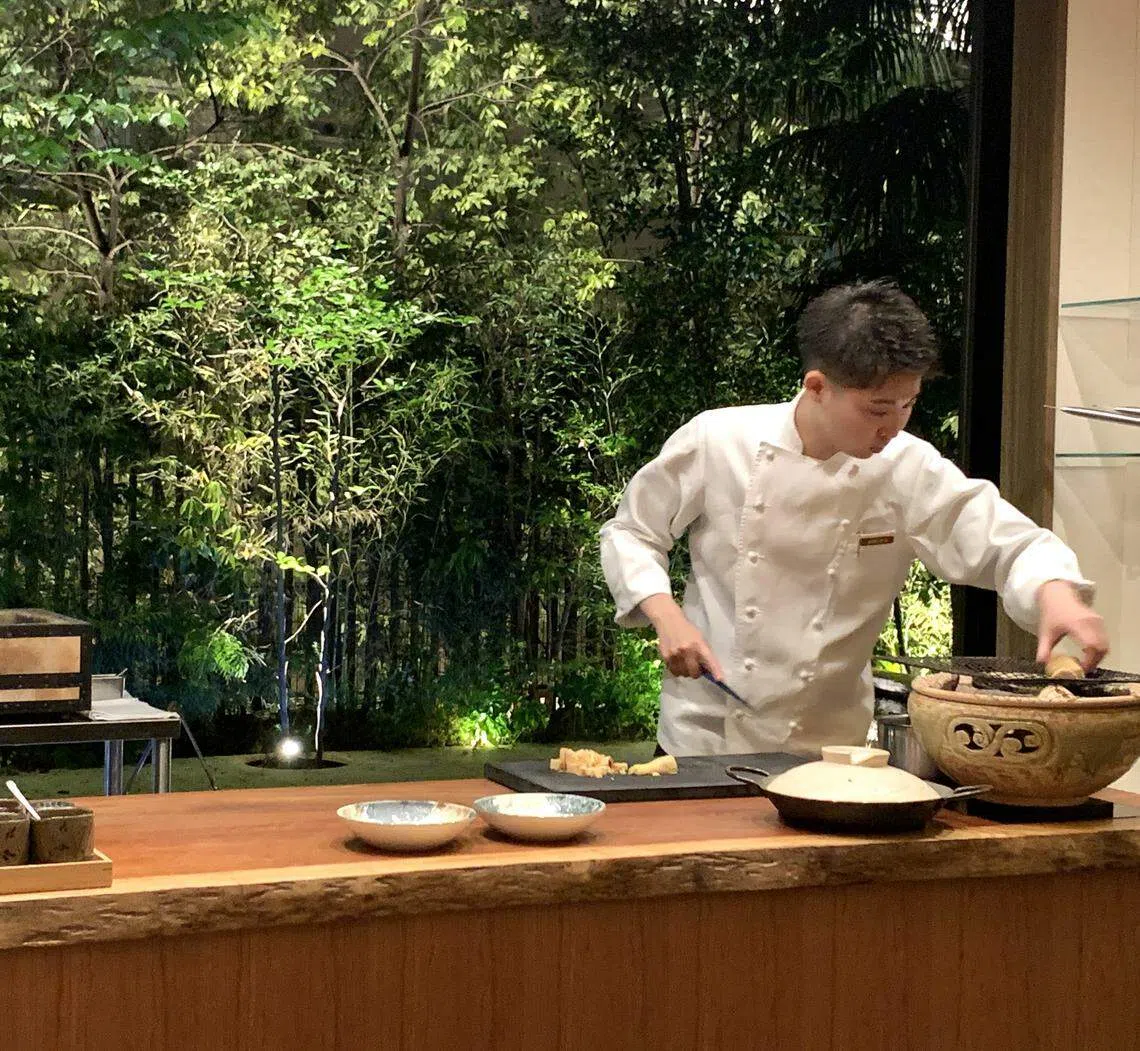
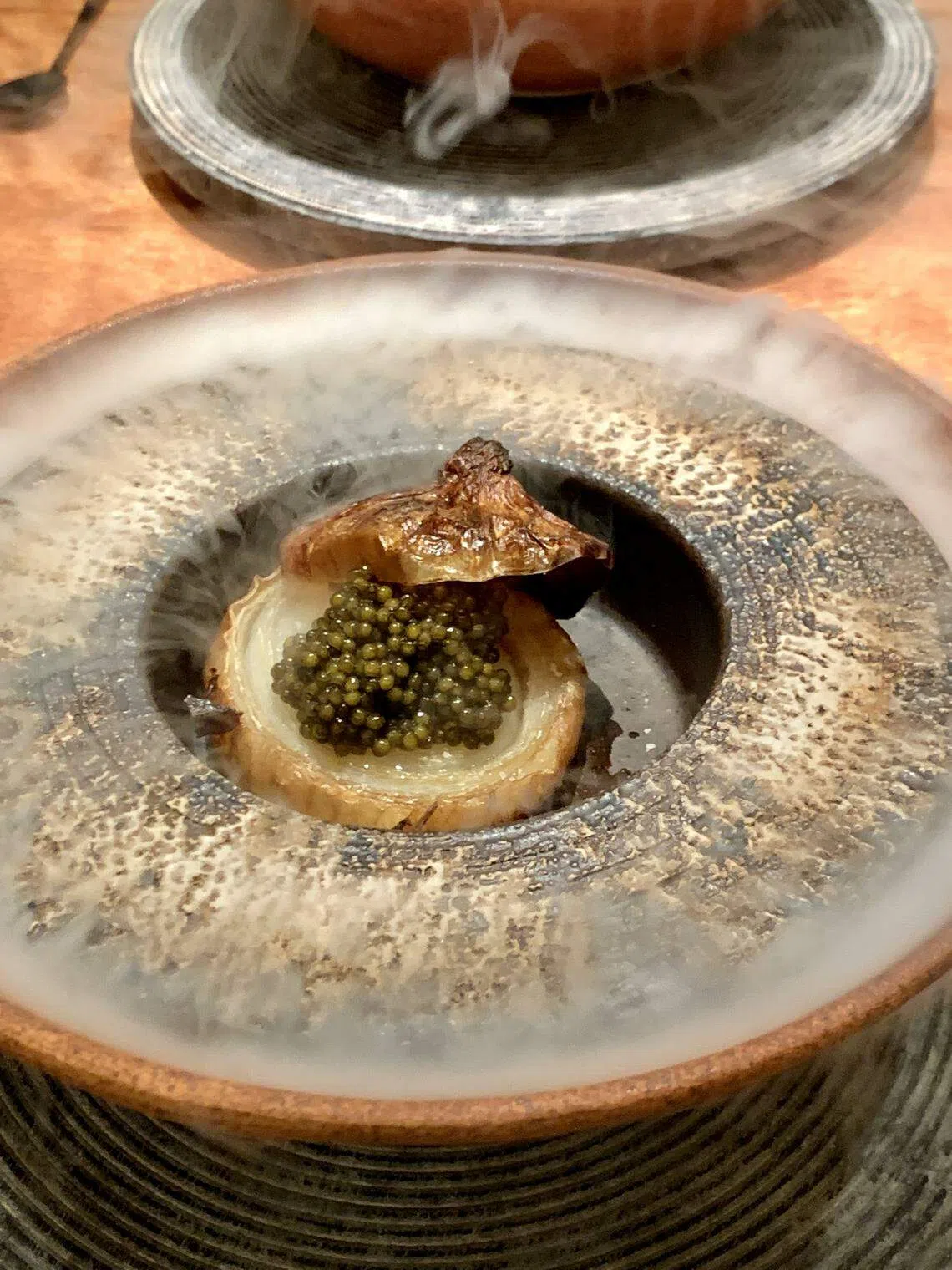
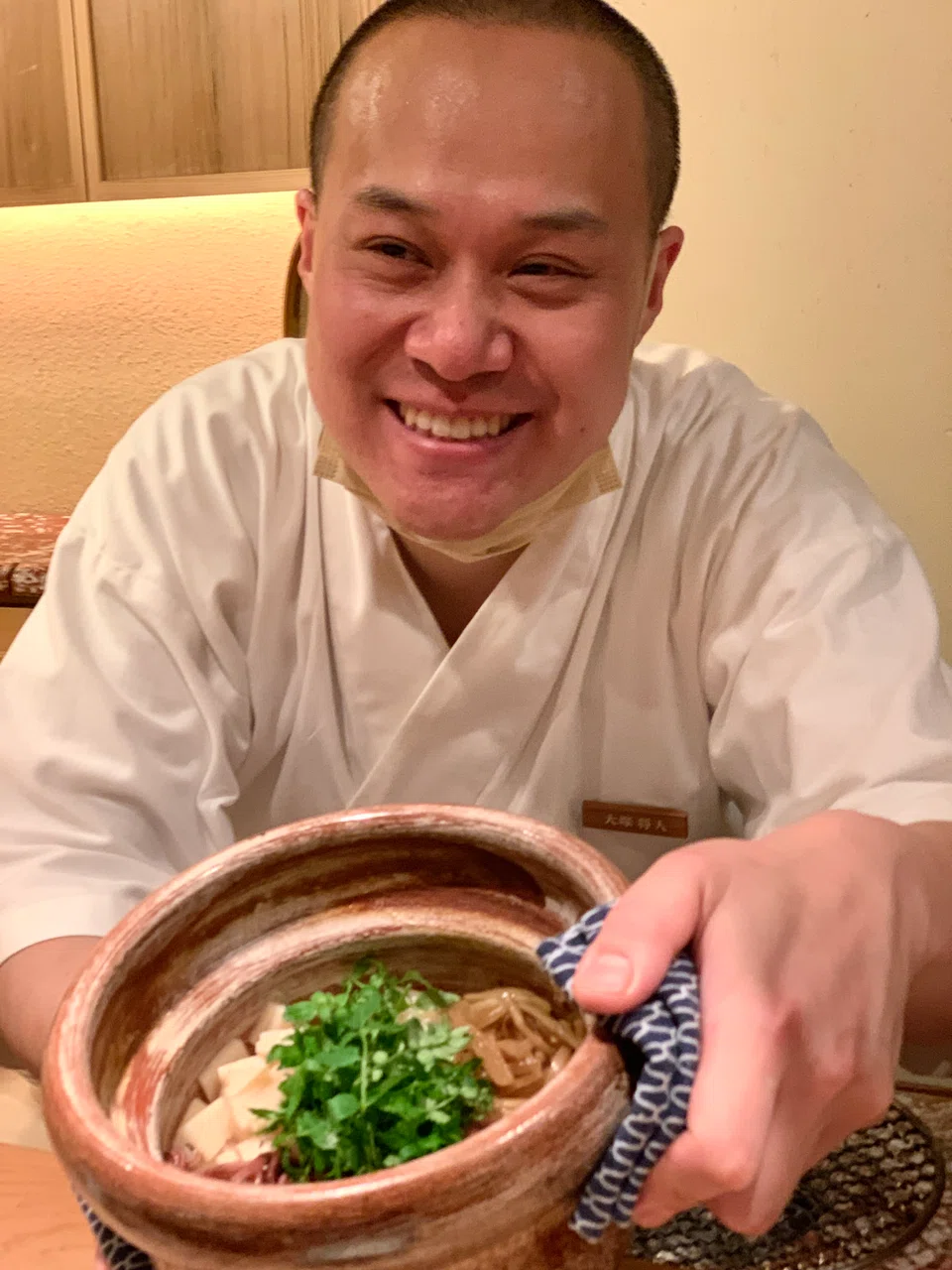
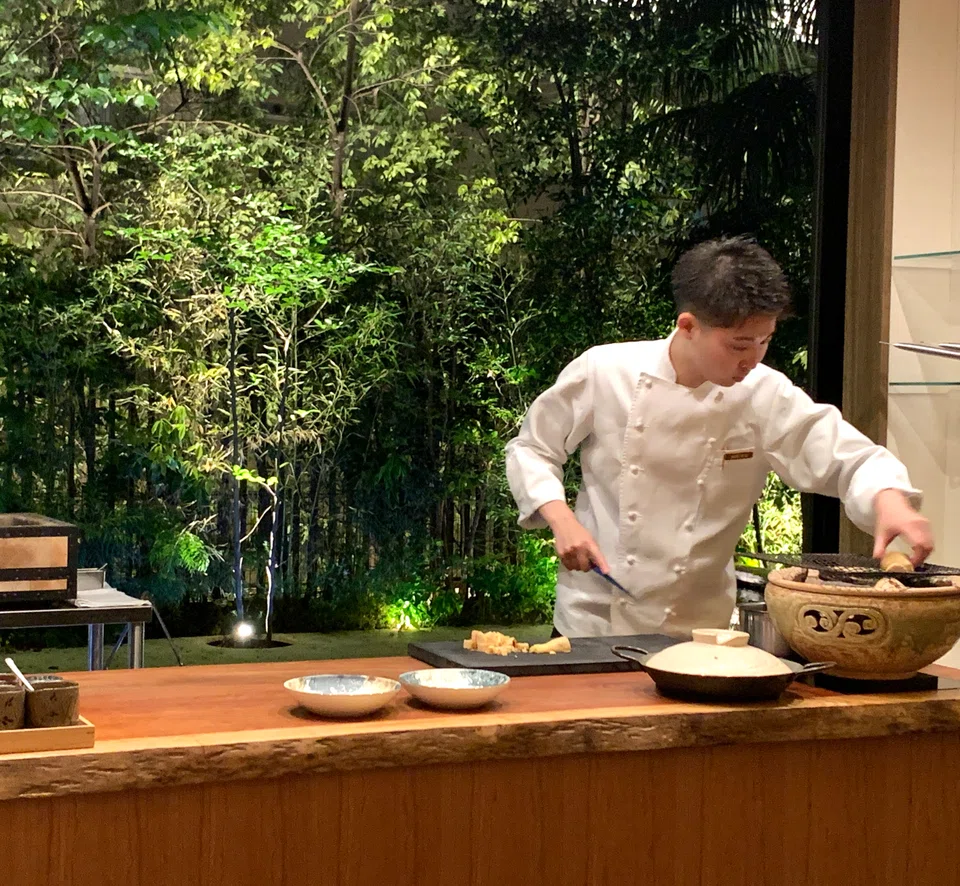
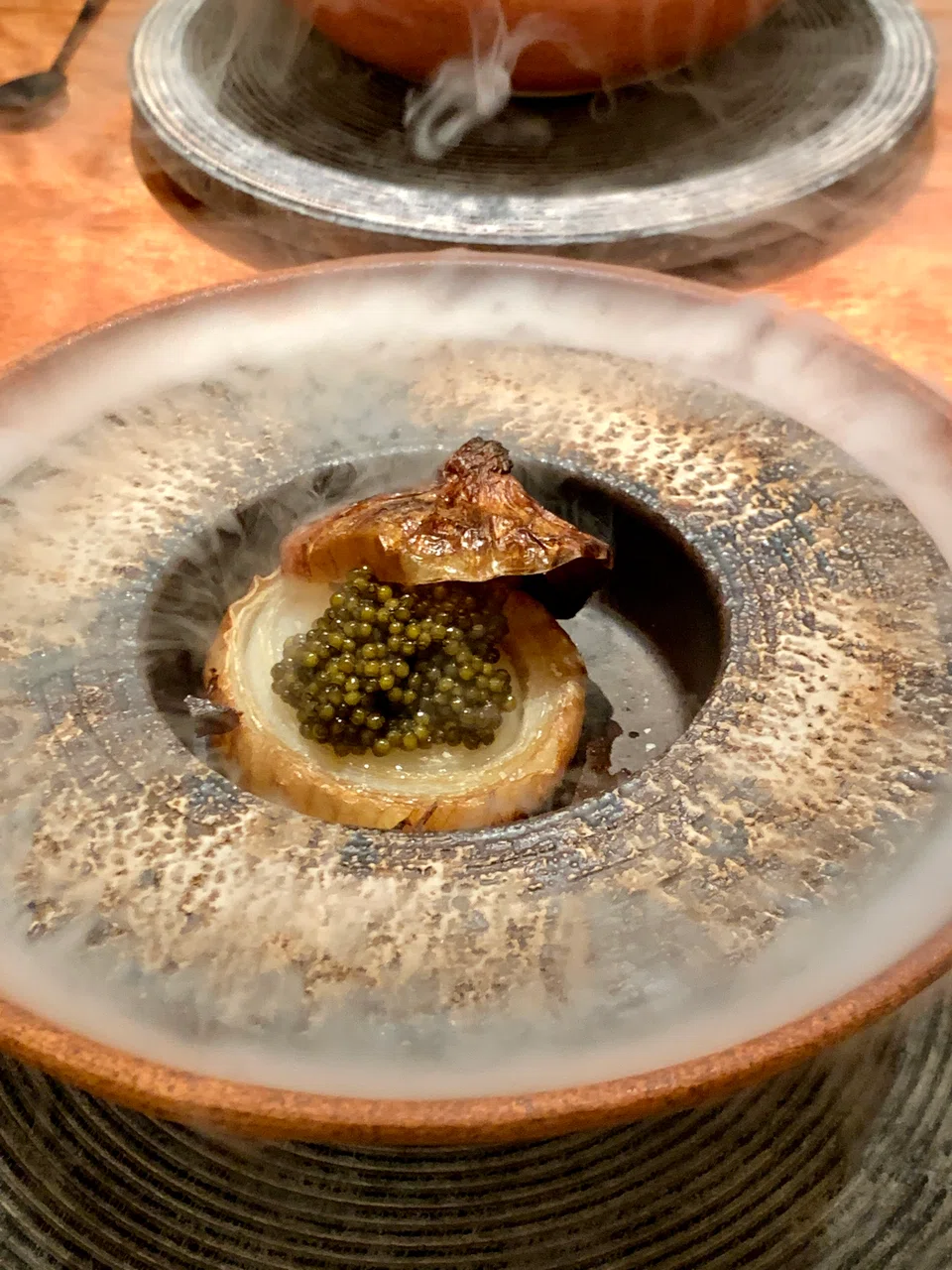
Housed in a quiet residential area a 15-minute walk from Shibuya station, a meal at Jinen is part modern theatrics but rooted in classic Japanese cuisine. Chef Shoma Kato played a key role in ingredient sourcing at the now defunct Noma-influenced Inua and brings that same pedigree to the menu here. Part of the thrill is watching the chefs work in the open kitchen against a garden backdrop, delivering a dramatic smoking starter of tender roasted onion topped with caviar. Instead of dashi, you get a pristine and intense sakura ebi consomme and a fillet of wild deer smoked over pine branches served rare and super tender - just some of the unique touches that make this young chef one to watch. Priced at 31,900 yen.
Decoding Asia newsletter: your guide to navigating Asia in a new global order. Sign up here to get Decoding Asia newsletter. Delivered to your inbox. Free.
Copyright SPH Media. All rights reserved.
TRENDING NOW
‘My grandfather’s legacy’: Sherman Kwek lays out three-year plan for CDL to drive returns
CDL to hire dedicated CEO for fund management as it steps up push into private funds
Built on trust since 1964: How this award-winning finance company has grown with its SME customers

VSMC opens US$7.8 billion chip fab in Singapore, bets on ‘physical AI’ demand

