

Return to Seoul digs deep into the roots of identity and belonging
After getting raves from filmgoers at Cannes, the film finally makes its way to Singapore
Melissa Lee Suppiah
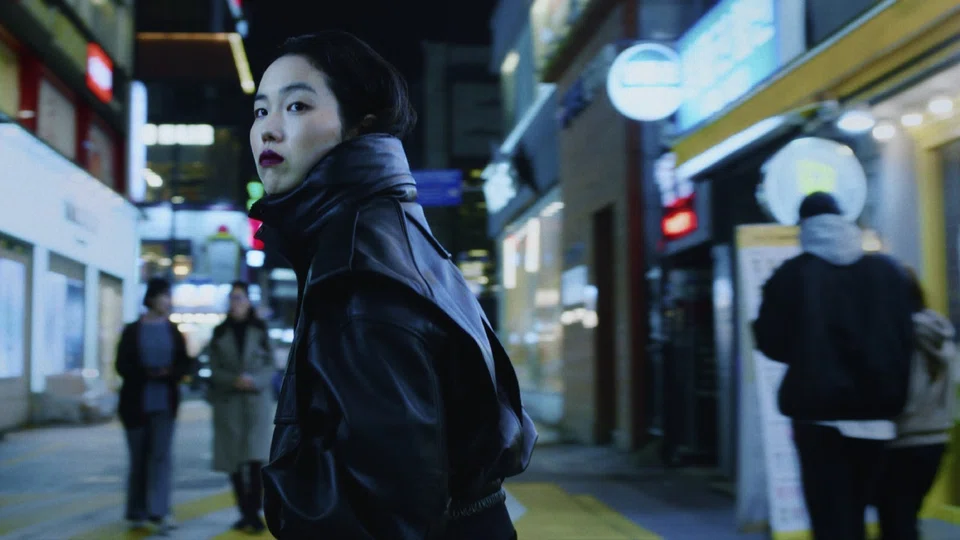
RETURN to Seoul made waves at last year’s Cannes Film Festival for its unflinching look at the turbulent conflicts of identity and belonging. After a year of wowing filmgoers with its revelatory exploration of these themes, the internationally co-produced drama has finally made its way to Singapore – and not a moment too soon.
The film looks at personal identity through the eyes of Freddie (Park Ji-Min), a Korean-born French adoptee who returns to her homeland in search of her biological parents. In doing so, she opens a Pandora’s box of emotions as she questions who she really is. The question of “Who am I, and where do I belong?” is a universal one that anyone can relate to, regardless of background and birthright – which is why the movie has resonated with viewers.
The inherent violence of the film’s thematic conflict is embodied in its protagonist, Freddie. Bold and brash, the 25-year-old arrives in Seoul armed with an unflinchingly direct way of speaking and a tendency to act purely on impulse.
At the same time, she’s heavily armoured and avoidant, with a severe aversion – or perhaps inability – to express her feelings and desires plainly. She can’t own up to her true purpose for being in South Korea, telling her adoptive parents she’s only there because her flight to Tokyo was cancelled.
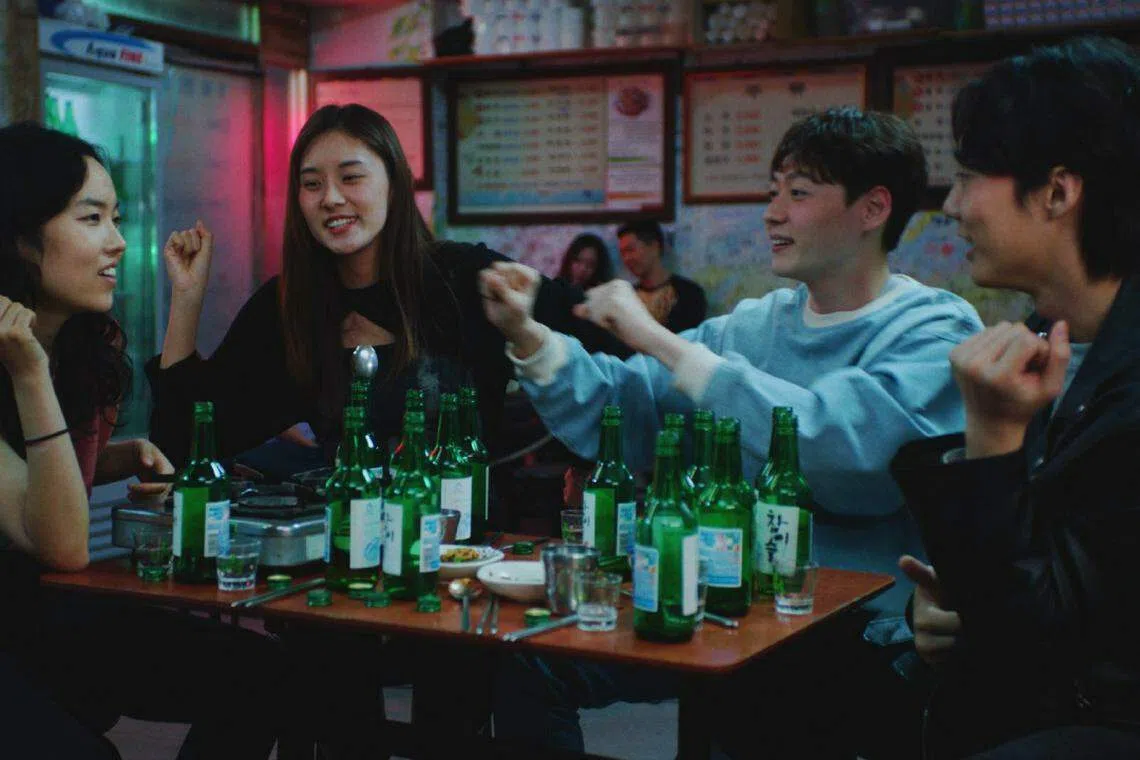
Even so, Freddie harbours a deep, intense hunger for belonging. During her first night in Seoul, she strikes up conversations with other young Koreans at whim, taking them aback when she gathers them for rounds of soju. It’s a haphazard bid to create a sense of community – one that backfires when the rest of the group bond quickly while Freddie, unable to speak Korean and unfamiliar with their cultural frames of reference, struggles to connect.
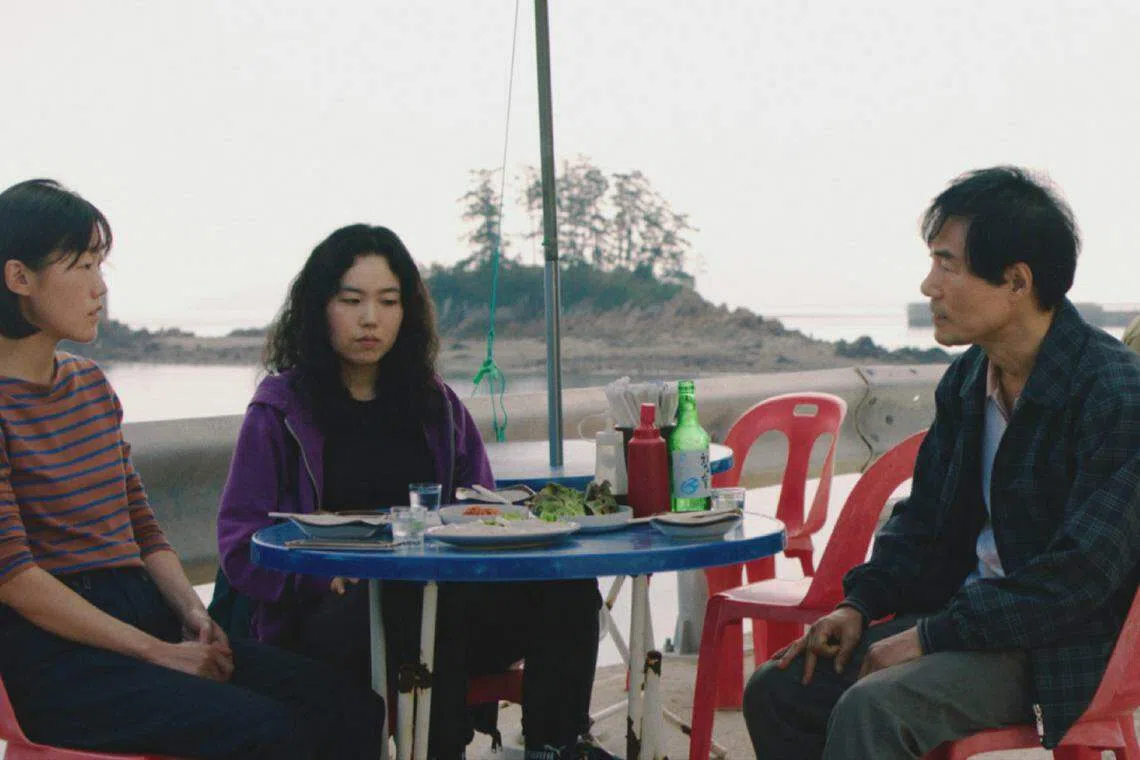
For much of the film, Freddie’s closest companion and translator is Tena (Guka Han), the young desk clerk at her hotel. Tena is careful and diplomatic, a world apart from Freddie’s straightforward Western ways. Her tactful translations work hard to soften Freddie’s bluntness, especially in conversations with her biological father (Oh Kwang-rok).

Riddled with guilt over his abandonment of her, Freddie’s father is cloying and clingy – a bane to Freddie’s free-spirited ethos. He repeatedly entreats her to stay in South Korea, calls and texts her endlessly in Korean, which only irritates her more. “He has to understand that I’m French now,” she grouses in English to her father’s sister.
In contrast, Freddie’s biological mother refuses to respond to the adoption agency’s attempts to establish contact on Freddie’s behalf. The silence incenses Freddie, causing her to lash out at the people around her.
Most of Freddie’s thoughts and emotions aren’t communicated in words, and her attitude towards honesty is tenuous at best. Here, it’s Park’s stimulating performance that fills out the character’s complexities.



Park, an artist by trade in her first (and possibly last) acting role, is a brilliant casting choice on director Davy Chou’s part. Her work is raw and unrefined, lending an organic magnetism to the volatile Freddie.
As much as Freddie is fighting her sense of who she is and where she belongs, Park almost seems to be fighting the camera, defiantly resistant towards the lens on her and the frame she’s contained within.
For his part, Chou – a Cambodian-French filmmaker who also penned the screenplay, with plenty of input from Park – strikes an affecting balance between vulnerability and anger, carefully constructing each shot with astute sensitivity.
By the end of its two-hour run-time, Return to Seoul doesn’t offer up any conclusive answers to its powerful questions – but the emotional journey is well worth the time.
Return to Seoul is now showing at The Projector.
Decoding Asia newsletter: your guide to navigating Asia in a new global order. Sign up here to get Decoding Asia newsletter. Delivered to your inbox. Free.
Copyright SPH Media. All rights reserved.
TRENDING NOW

Inside Jensen Huang’s last hours as Nvidia CEO

Higher rates, weaker spending: Is the Philippines entering stagflation?

‘I’ll be buying more’: Singapore investors pour into Nvidia shares on Jensen Huang’s exit

Demand, tech capabilities position Apac and AI as Skyscanner’s next growth frontiers: CEO Bryan Batista

