Rixsky business
Oh, the gall of the French - allowing their beloved Asterix to make us trip over our tongues
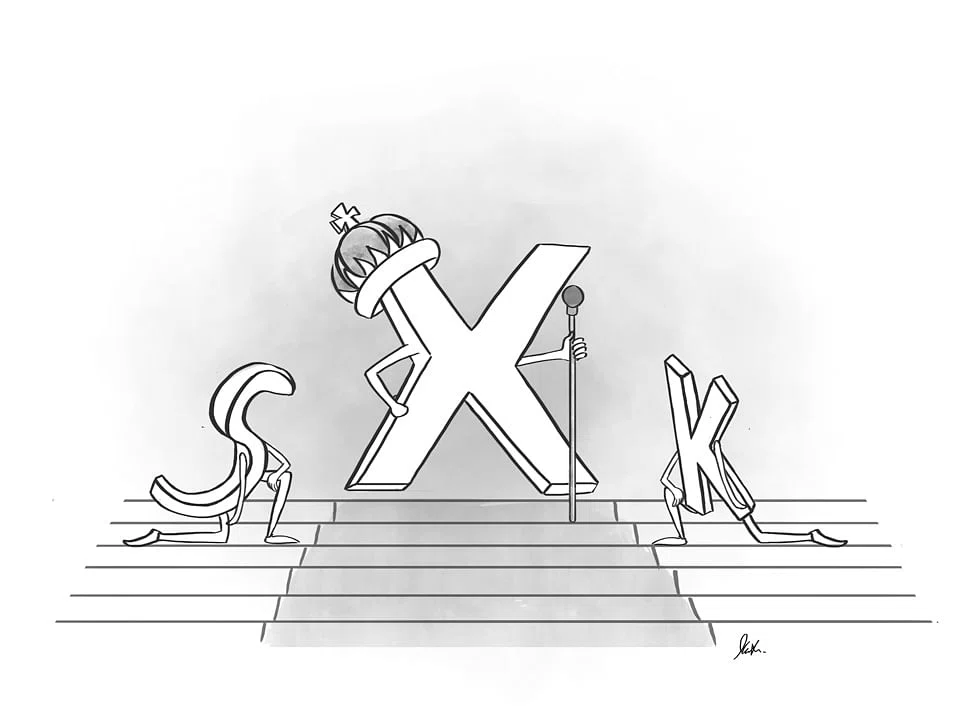
IN THE last edition of Offbeat, I pondered why Singaporeans insist on calling the hash key - that is the symbol # - the hex key. The column sparked some delightful conversations; acquaintances I hadn't heard from in ages told me they'd never realised that "hex" was incorrect, and colleagues stopped me in office corridors to say that "hash" had been something of a revelation.
So the hex issue was settled. Ever the pestilent pedant, though, I could not resist asking a follow-up question: "How do you spell and pronounce *?"
Nine times out of 10, I got "asterix", instead of the correct "asterisk".
In fact, the word is so widely mispronounced that its Oxford English Dictionary (OED) entry takes care to note: "Even though asterisk does not look like a tricky word to pronounce, it can be problematic. In both its singular and plural forms, it is often mispronounced as if it ends with -rix. Pronounced correctly, it ends with a -risk sound when singular and -risks when plural."
Indeed, much like the number key, the star sign is another pesky symbol on telephone keypads (albeit this time on the other side of the 0 key). It's also employed in print to censor an expletive, or to denote a footnote's existence.
I've always wondered where the "x" sound comes from, given that the last syllable in "asterisk" is clearly spelled as "risk". Over the years - and in the absence of any alternate theories - I've settled upon my own hunch: That an old French comic book is to blame.

My best guess is that much of the confusion stems from the long-running series, The Adventures of Asterix (originally Astérix le Gaulois). First published in 1959, the cartoons follow the eponymous Gaulish warrior, as he and his crew fight against Julius Caesar's Roman occupation in 50 BC.
According to a 2009 Time Magazine article celebrating the 50th anniversary of Asterix, over 325 million of the books had been sold, with the stories translated into 107 languages across the world. This, the journalist said, proved "the universal and lasting appeal of the plucky French character"... And, I might add, the proliferation of bad pronunciation.
Here's further evidence to back up my hypothesis: The same mispronunciation malady is also inflicted on "obelisk" - often vocalised as "obelix" - and guess who's Asterix's best friend in the cartoon? Yup, it's Obelix. His dog? Dogmatix.
Apparently, the "ix" suffix harks back to actual Gaulish chieftains whose names ended with "rix", meaning "king". One such example is Vercingetorix, who in 52 BC led a revolt against Caesar and was executed for it.
The "ix" appendage also served as a literary device in the series, helping to distinguish the Gauls from the Romans. Roman characters' names ended with "us" (a la Julius, Brutus, and - my favourites from the comics - Fishfingus and Nefarius Purpus).
Comic books aside, though, the OED says "asterisk" originates from the Greek word, "asteriskos", which means "small star" - a diminutive of aster.
It's worth noting that in other languages, the * symbol is much more sensibly named. In Mandarin, it is xinghao or "star number"; in Korean it is byeolpyo or "star mark".
Perhaps it's time we English-speakers took a leaf out of those books - and refer to the asterisk as, simply, "star sign". There's much less rix - I mean risk - that way.
Share with us your feedback on BT's products and services