
Scientists in Japan give robots a fleshy face and a smile
 Add BT as a preferred source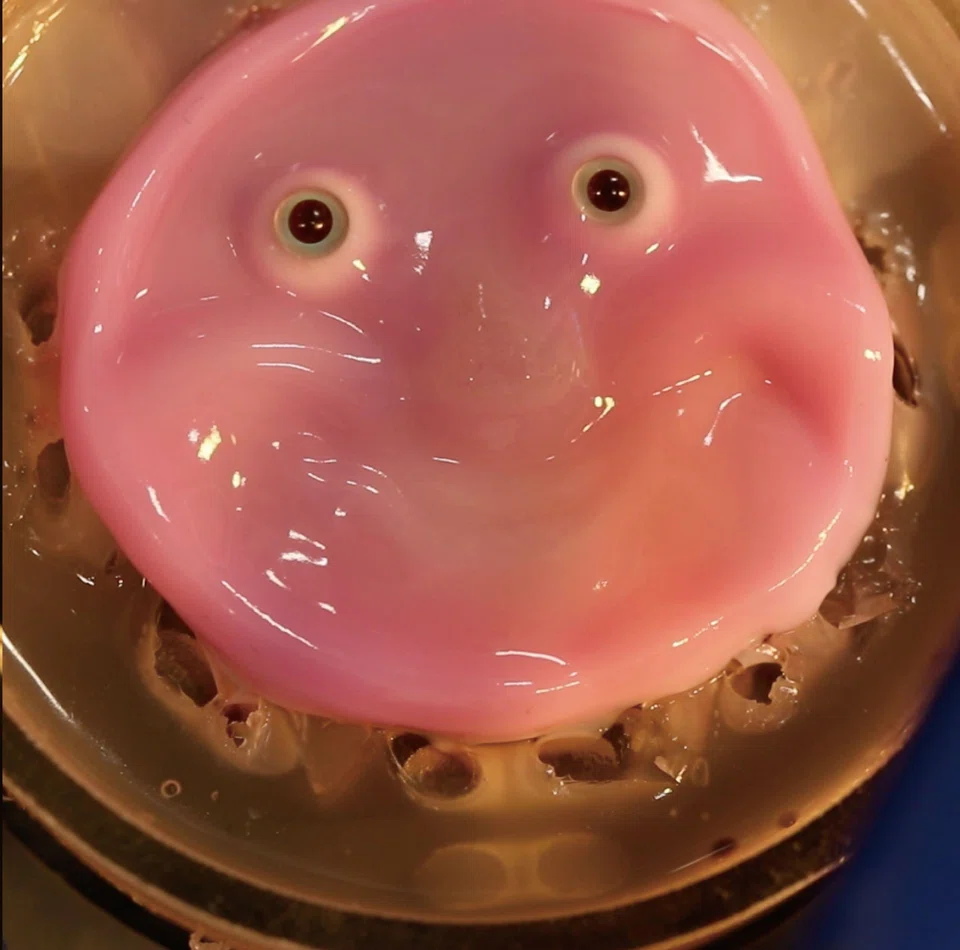
ENGINEERS in Japan are trying to get robots to imitate that particularly human expression – the smile.
They have created a face mask from human skin cells and attached it to robots with a novel technique that conceals the binding and is flexible enough to turn down into a grimace or up into a squishy smile.
The effect is something between Hannibal Lecter’s terrifying mask and the Claymation figure Gumby.
But scientists say the prototypes pave the way for more sophisticated robots, with an outward layer both elastic and durable enough to protect the machine while making it appear more human.
Beyond expressiveness, the “skin equivalent”, which is made from living skin cells in a lab, can scar and burn and also self-heal, according to a study published Jun 25 in the journal Cell Reports Physical Science.
“Human-like faces and expressions improve communication and empathy in human-robot interactions, making robots more effective in health care, service and companionship roles,” Shoji Takeuchi, a professor at the University of Tokyo and the study’s lead researcher, said.
Navigate Asia in
a new global order
Get the insights delivered to your inbox.
The novel skin attachment method advances the nascent field of “biohybrid” robotics, which integrates mechanical engineering with genetic and tissue engineering, said Kevin Lynch, director of the Center for Robotics and Biosystems at Northwestern University.
“This study is an innovative contribution to the problem of anchoring artificial skin to the underlying material,” Lynch said, adding that “living skin may help us achieve the holy grail of self-healing skins in biohybrid robots”.
Scientists, including Takeuchi and his colleagues, have been working with lab-made human skin for years.
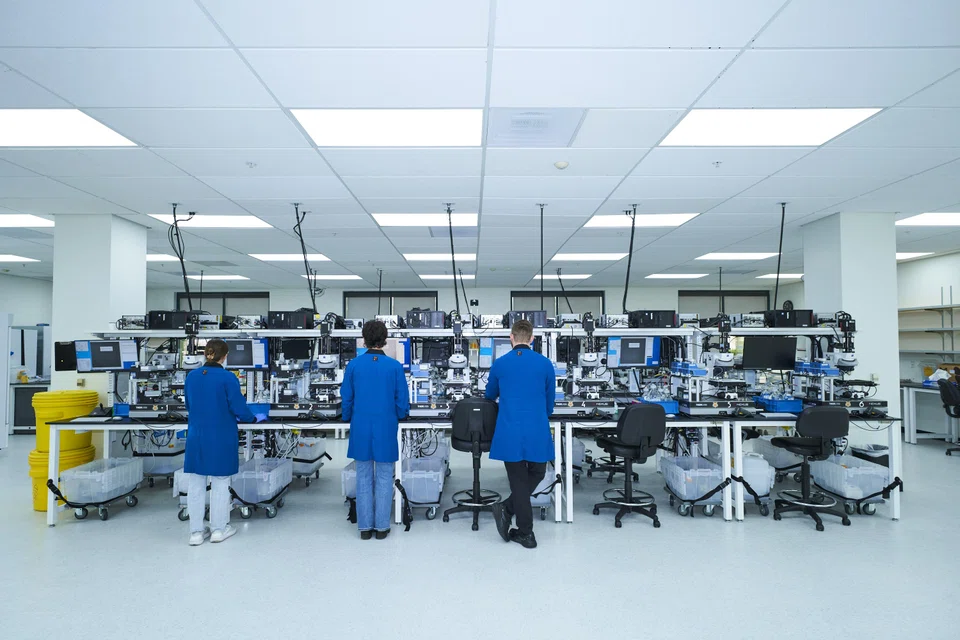


In 2022, the research team developed a robotic finger covered in living skin.
Takeuchi’s team had tried anchoring the skin with mini-hooks, but those caused tears as the robot moved. So the team decided to mimic ligaments, the tiny ropes of loose tissue that connect bones.
Team members drilled small, V-shaped holes into the robot and applied a gel containing collagen, which plugged the holes and tethered the artificial skin to the robot.
“This approach integrates traditional rigid robots with soft, biological skins, making them more ‘humanlike’,” said Yifan Wang, an assistant professor at the school of mechanical and aerospace engineering at Nanyang Technological University in Singapore who researches “soft robots” that mimic biological creatures.
The skin binding also gives a biohybrid robot the potential for sensation, taking science one step closer to sci-fi fantasy. NYTIMES
Decoding Asia newsletter: your guide to navigating Asia in a new global order. Sign up here to get Decoding Asia newsletter. Delivered to your inbox. Free.
Share with us your feedback on BT's products and services

