Self-reflection in a time of pandemic
Jenny Odell's How To Do Nothing may be the book to see you through this nationwide stay-home order

Helmi Yusof
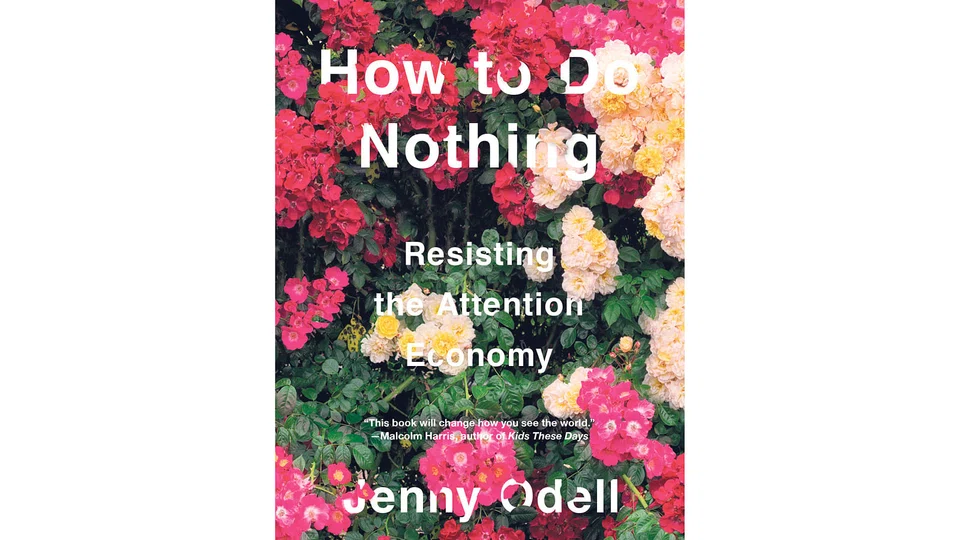
How To Do Nothing: Resisting The Attention Economy
By Jenny Odell Published by Melville House S$45, Hardcover
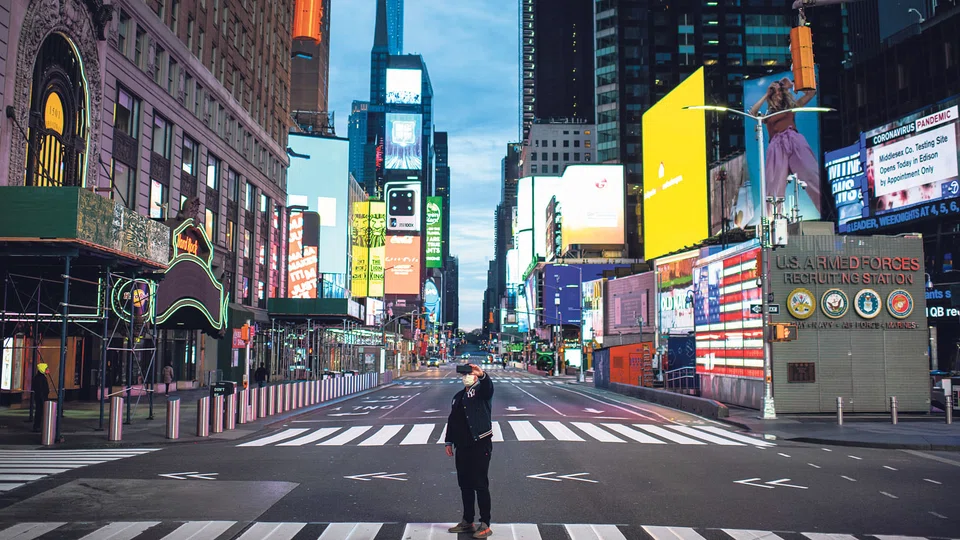
FEELING CLAUSTROPHOBIC FROM too much time indoors? Jenny Odell's bestselling philosophical book, How To Do Nothing: Resisting The Attention Economy, proves surprisingly relevant as Covid-stricken countries go into full or semi-lockdown.
The book, which former US president Barack Obama listed as one of his favourites of 2019, is not so much about how to do nothing, but about refocusing our attention on living in the present and on the things surrounding us, and finding pleasure in that. This, thankfully, is not another how-to book on mindfulness - there are already so many in the market. Rather, this is a passionate (if somewhat meandering) account of how we've been giving our attention to too many things, and how it's time we push aside these distractions aside and re-engage - and she means really re-engage - with our environments.
With nationwide stay-at-home orders putting a temporary halt to excessive grooming, commuting and office interactions, How To Do Nothing is the book for these unusual times, as it persuades us to consider the present time and place, and the people who are here with us, as being "enough". "Solitude, observation and simple conviviality," Odell writes, "should be recognized not only as ends in themselves, but inalienable rights belonging to anyone who is lucky enough to be alive."
RETHINKING OUR GOALS
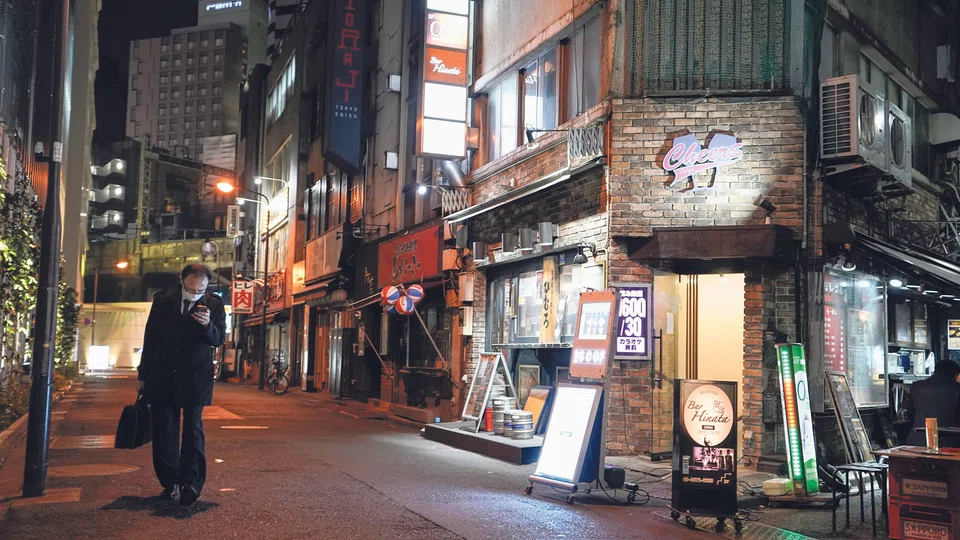
Odell thinks we've all been caught up with the myriad distractions technology presents. Social media, email, texts and news notifications keep our attention fractured and constantly on the alert. Bloggers, tastemakers, lifestyle gurus, techpreneurs, online chefs and personal trainers are generating aspirations for us of how to "live better". And because the best personalities are charismatic and competent, we like them and trust what they say, and don't want to let them down.
But the combined effect of these influences is to put us onto a relentless aspirational cycle to be more efficient and productive. As much as we'd like to think these platforms and influencers as useful, entertaining and harmless, they are exchanging our attention for money, ads and sponsorships. They are creating false targets we feel we need to hit in order to lead fulfilled lives. Through sophisticated algorithms, their sites are telling us what we might like and enjoy - instead of freeing our curiosity to explore things outside of our immediate scope of interests.
How To Do Nothing does not want us to give up the wonders and conveniences of technology. It wants us to use technology still to connect with our friends and family, and find the information we need. But it also wants us to be aware of how various sites are using us in the "attention economy" and how we can resist it. Odell explains the attention economy as the "buying and selling of your attention (that keeps you in a)... heightened anxiety and sensitivity all the time".
THE VALUE OF 'DISTANCING'
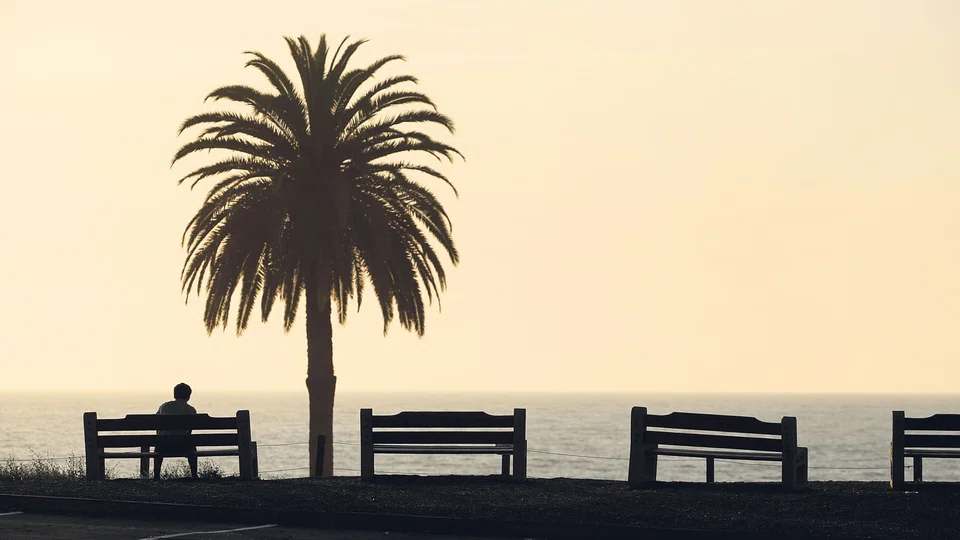
There is much benefit, she says, in distancing ourselves from the bombardment of information and interactions, and finding a quiet space to reflect on our personal values, which may be different from prevailing commercial and corporate values. Instead of imagining ourselves as highly-productive individuals ticking daily lists of goals, we could - in these strange and isolating times - opt for long conversations, watching the view from the window, or simply daydreaming. We could rediscover the pleasures of active listening and observation.
How To Do Nothing, which is about 230 pages long, is filled with past and contemporary instances of people who refused to be "productive" according to the success metrics of their time. Odell cites various philosophers from Epicurus (341 - 270 BC) to Gilles Deleuze (1925 - 1995) who considered contemplation outside of the demands of capitalism as the loftiest of goals. She recounts the experiences of people who lived in communes in the 1960s and 1970s in their attempts to imagine a different existence. She acknowledges that those who are able to cut themselves off from the prevailing economic systems often come from a place of privilege.
Most readers of this book, however, are probably people with some agency to change their lives in either subtle or profound ways to bring them greater contentment. To do that, we must first learn "to do nothing" other than the essential tasks. And, if not for anything else, this pandemic might just see us emerging from it wiser and calmer.
Decoding Asia newsletter: your guide to navigating Asia in a new global order. Sign up here to get Decoding Asia newsletter. Delivered to your inbox. Free.
Copyright SPH Media. All rights reserved.