
Serpentine allure
With the trade in python skins jumping tenfold over the past decade, demand has fuelled a surge in local purveyors of python accessories, and a need for more sustainable methods of production.
 Add BT as a preferred source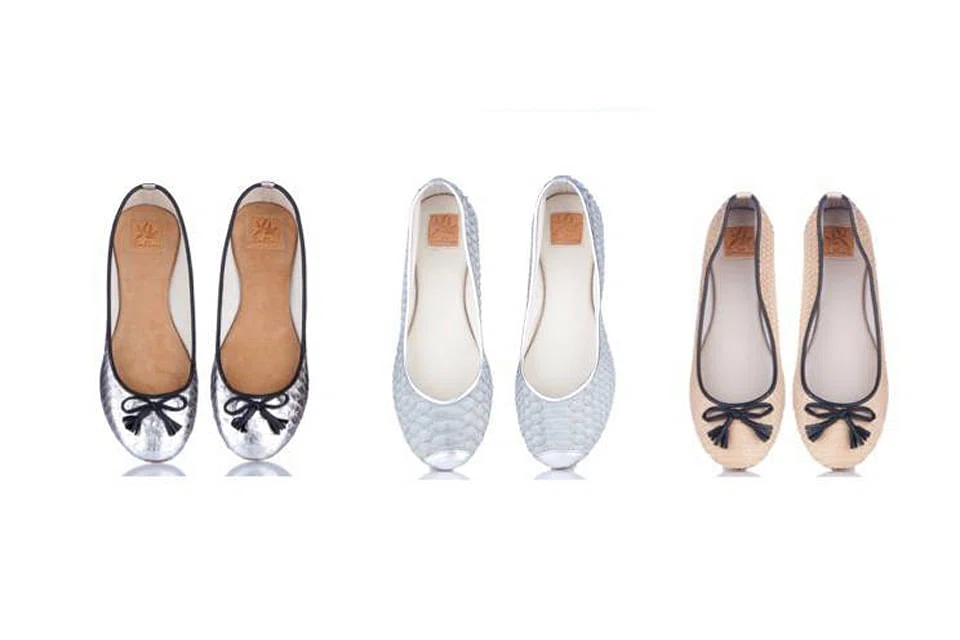
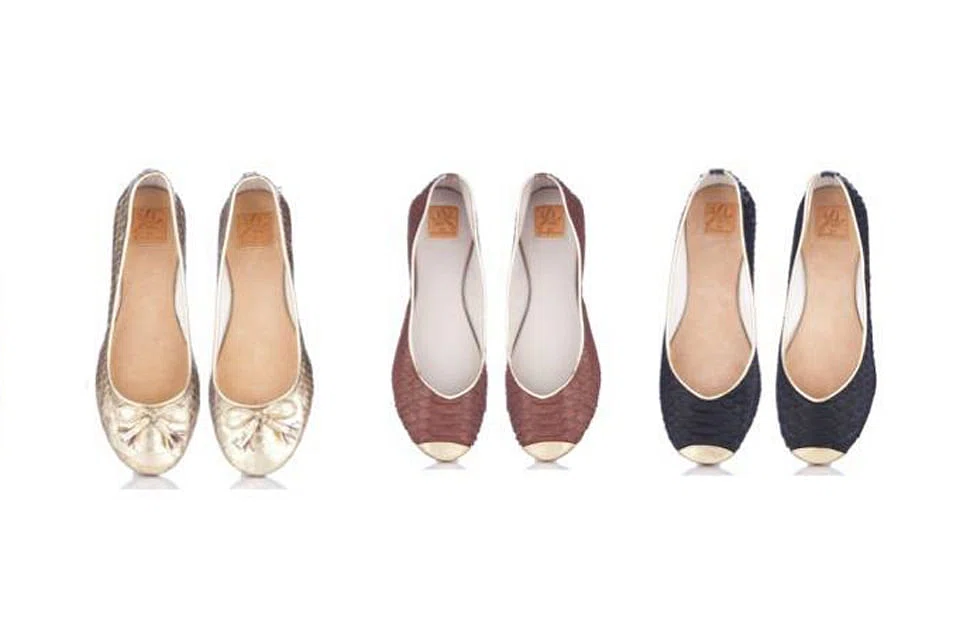
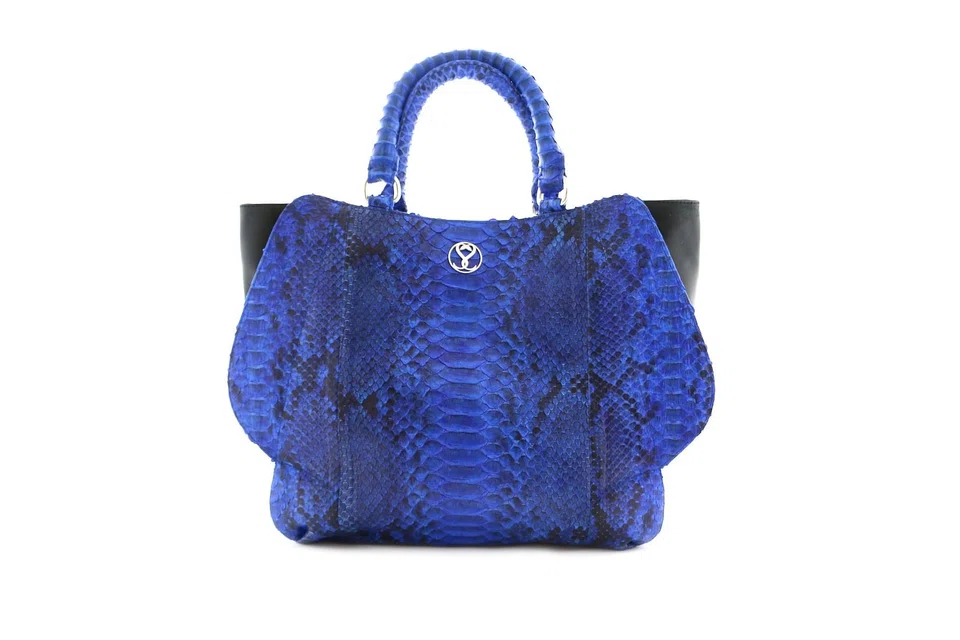
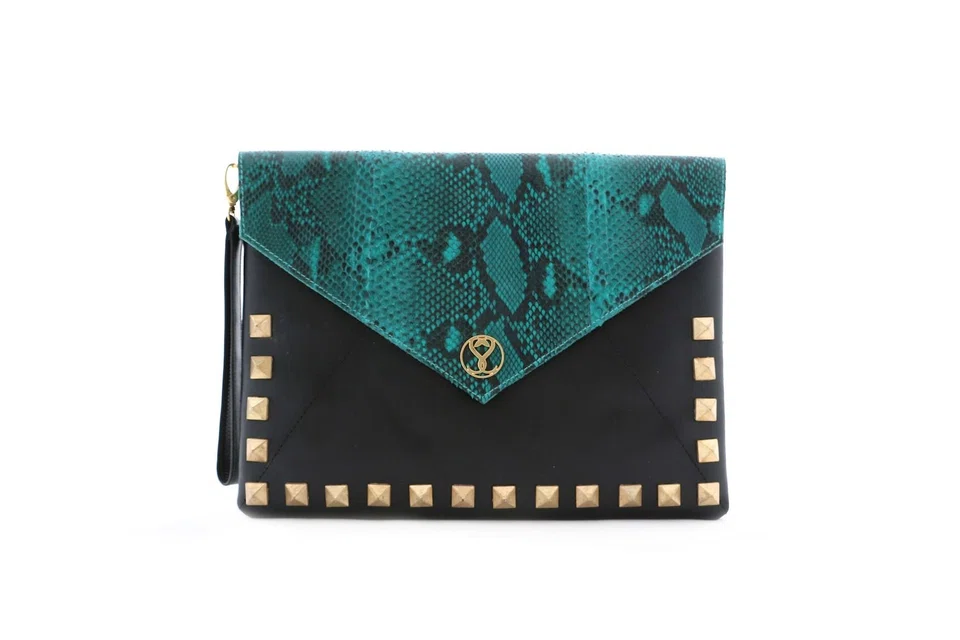
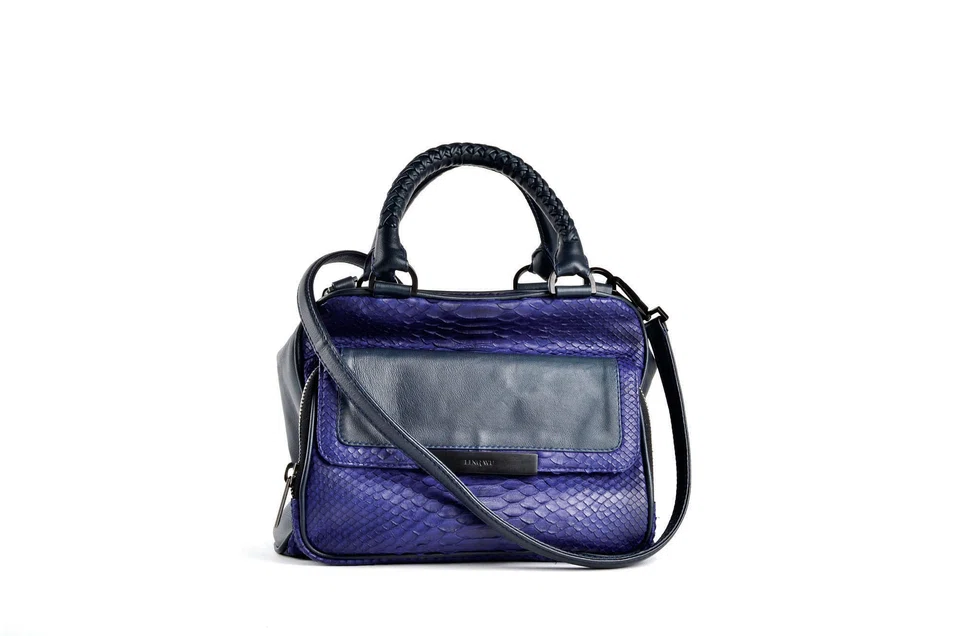
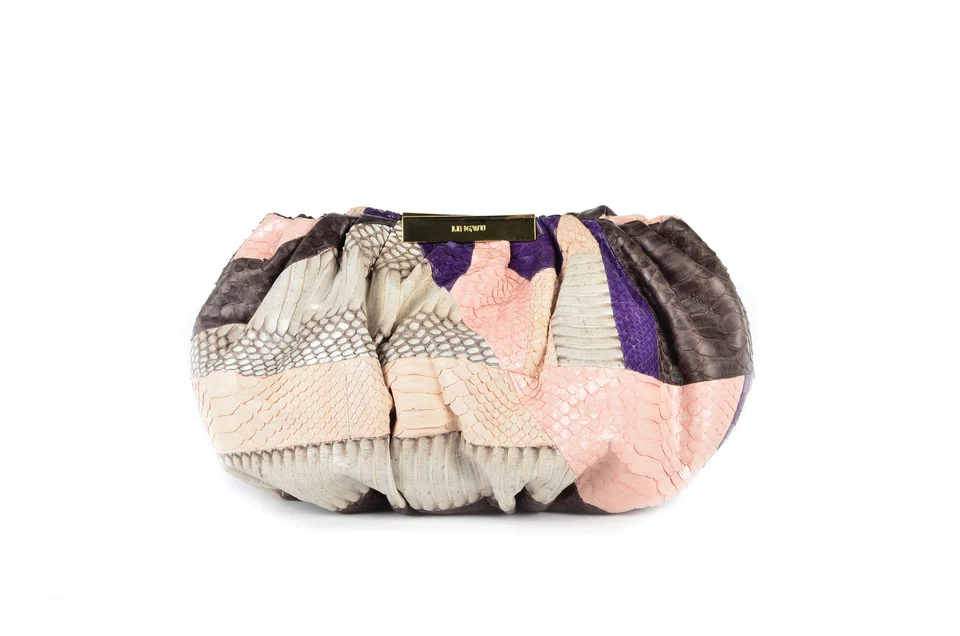


JUST three years ago, a full-python purse was the last word in glamour and one which would induce sticker shock in mainstream consumers. As the highly sought-after snakeskin continues to embellish top-tier designs from luxury brands - Chloe with its compact Drew mini-bags for next season and Fendi's Baguette in python - the non-venomous snake is increasingly preyed upon by smaller fashion brands. Most notably, indie Asian labels with easy access to the breeds native to the region.
According to luxury group Kering's conservation and ecosystems specialist Helen Crowley, sales of python products in Asia have risen by 25 per cent in the last 10 years. Now, about 500,000 skins are exported from South-east Asia - leading to a boom in homegrown labels specialising in such bags.
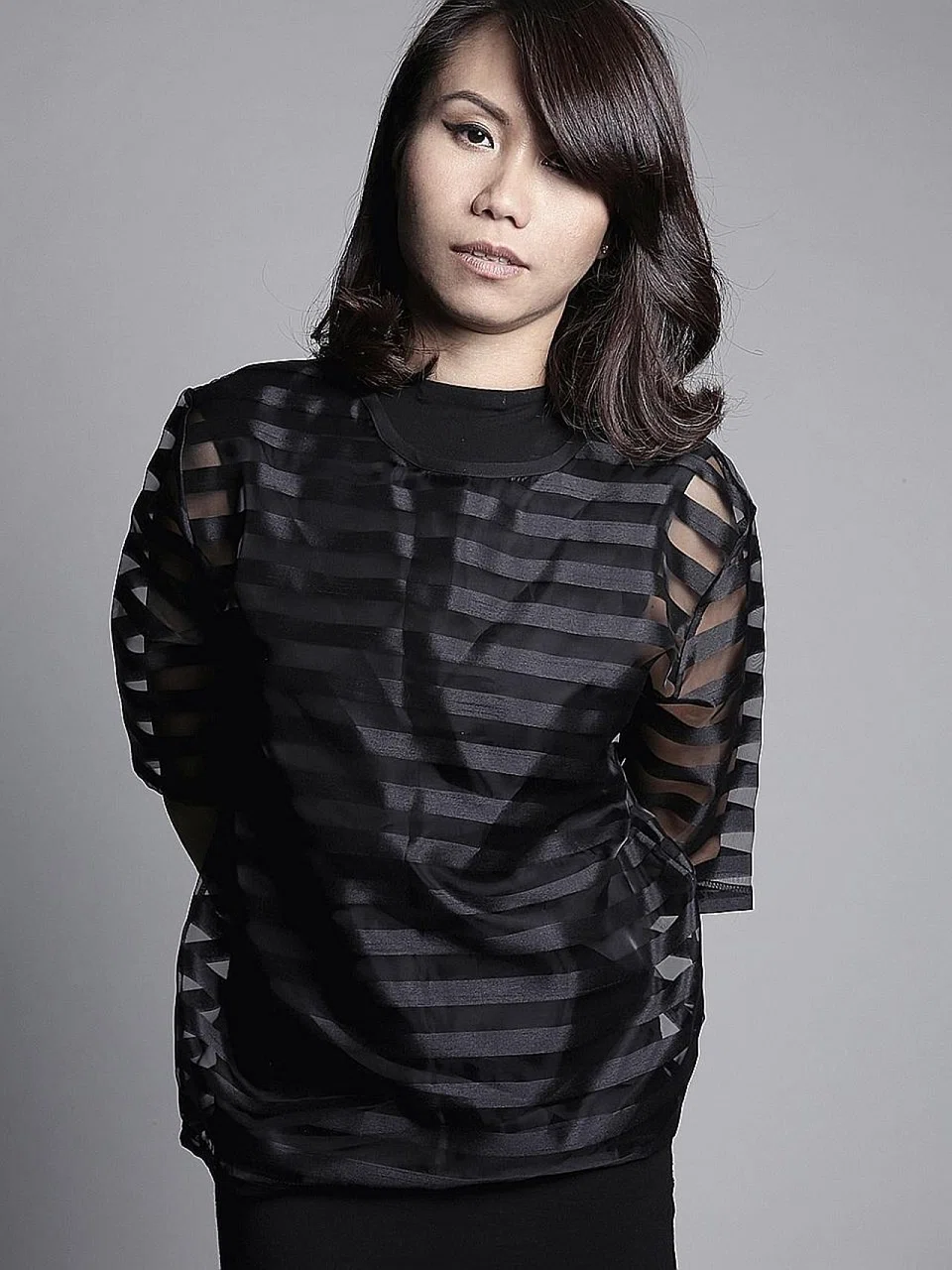
"Python is such an interesting and unique material and there are so many different ways that designers can work with it," says Goh Ling Ling, who started bag brand Ling Wu in 1999. "You can use the natural colours, hand colour it or you can re-colour it. The natural markings and textures are incredible in themselves even before they're turned into a bag or accessory."
Copyright SPH Media. All rights reserved.

