

Show and Shop
Retailers are moving away from the conventional to woo customers

Tay Suan Chiang
STEP into a supermarket such as Tanglin Market Place in Tanglin Mall, and you would be greeted with row upon row of colourful fruits and vegetables.
But at the soon-to-open Little Farms, located on the second floor of the same mall, shoppers will be greeted by displays of cheese, a bakery with bread freshly baked on site, a butcher and deli section.
Staff will be on hand to greet customers, invite them to taste the products or watch the bakers mill grain and knead dough. The idea is to recreate the feel of a farmers’ market, “much like in Europe or Australia, where there is bantering and tasting”, says Joe Stevens, chief executive and executive chairman of Little Farms.
After 2 years of Covid restrictions, he firmly believes customers will welcome a more interactive retail experience. It is in line with current trends to make brick-and-mortar shopping more exciting, to draw customers who have become accustomed to buying things online.
Besides the grocery store, Little Farms will also house Little Farms Table, its all-day dining restaurant. A first for the brand, it features indoor green walls, which allow for vertical farming of herbs and vegetables such as kale and lettuce, which will be used in the cooking.
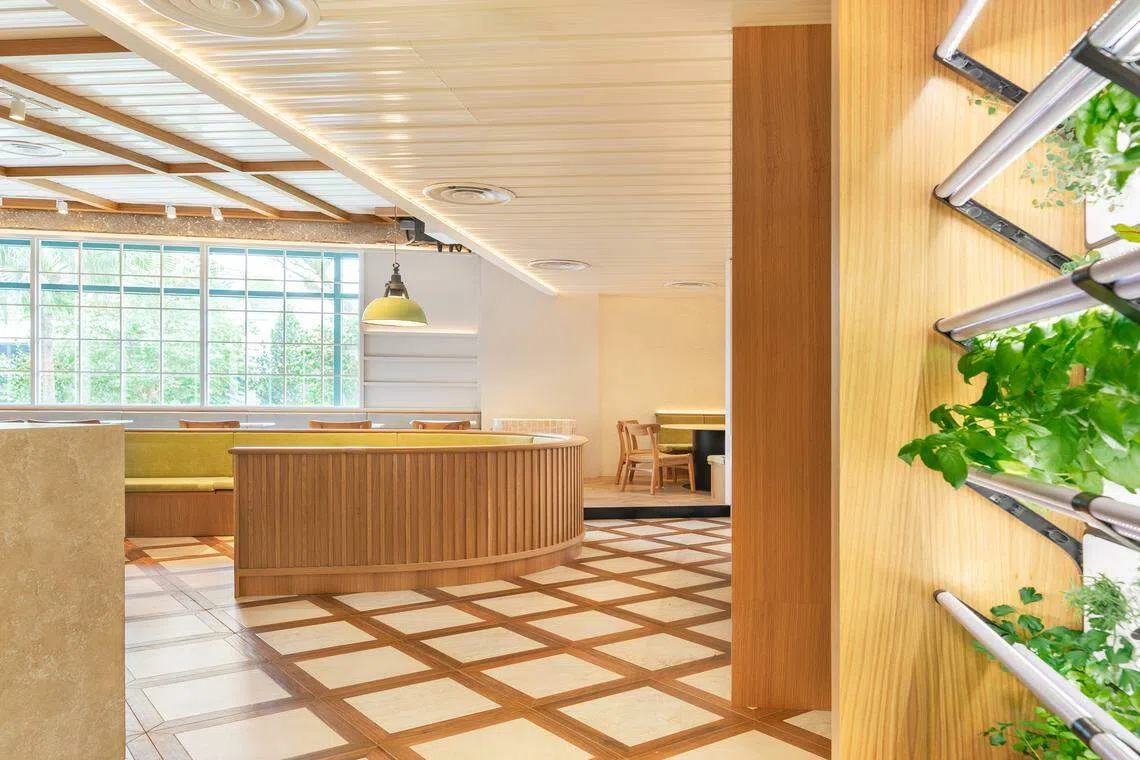
The outlet has also been designed such that shoppers and diners don’t feel like they are in a mall. Ken Yuktasevi, founder and creative director of design firm Parable Studio, was inspired by the bustling marketplaces in Australia, and designed the space as such, putting in a barn-like roof and concrete floors.

He says designing retail spaces entails not only including the right touchpoints, but also incorporating the company’s values at inception.
“Designers can no longer treat the Singapore customer as a non-traveller. He is now a global traveller,” says Yuktasevi. “The place has to be worth his time to visit.”
Yuktasevi would know this well. He recently designed an artisanal jewellery store with a similar feel. With more brands moving away from cookie-cutter shopfronts, shoppers will have more reason to leave online stores and head to physical ones.

The Decorum Singapore
23 New Bridge Road #05-01
When Charles Yap, managing partner at The Decorum Singapore, was fitting out the interiors of the menswear boutique, he tapped his decade-long experience in the hospitality industry.
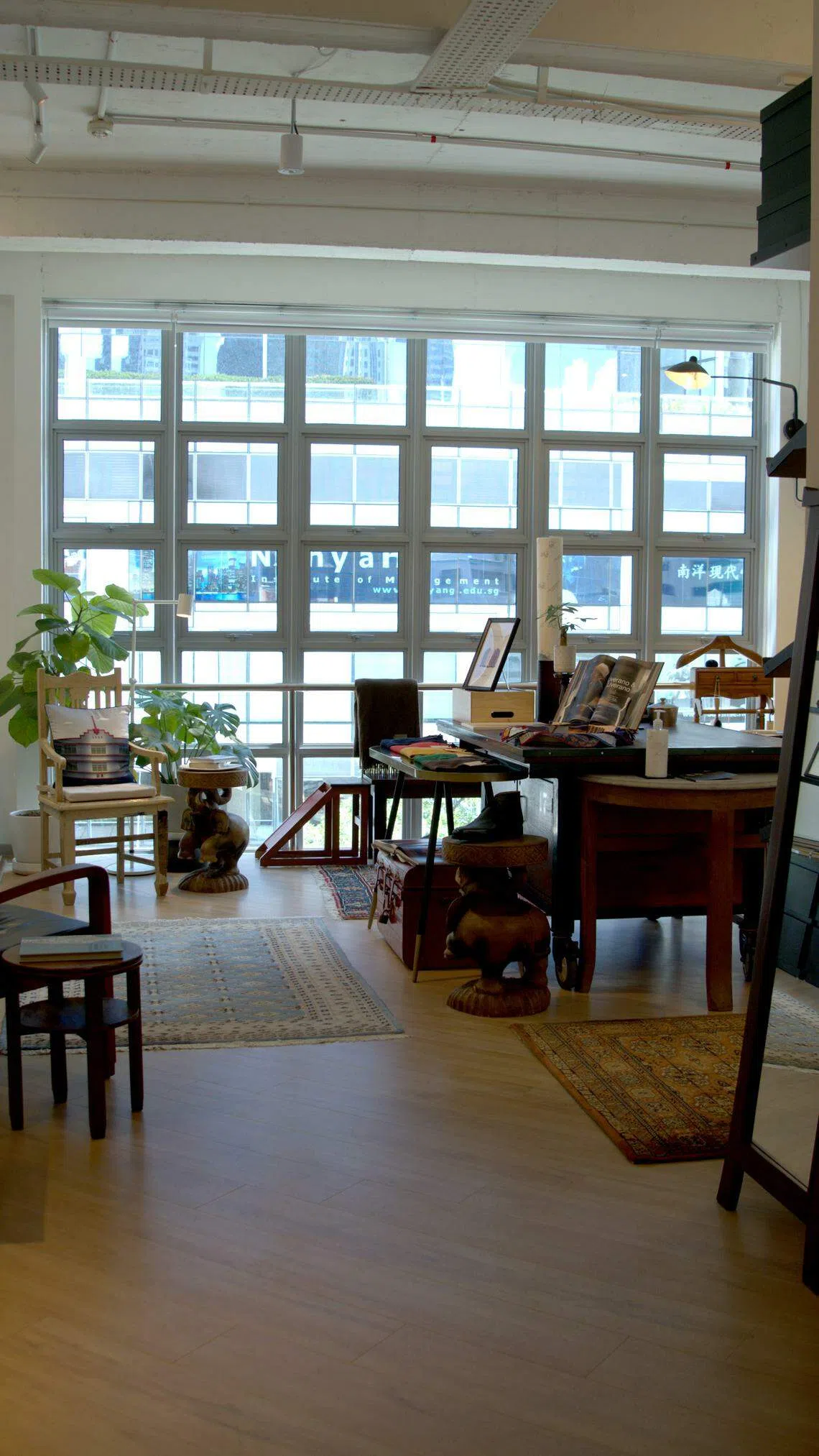
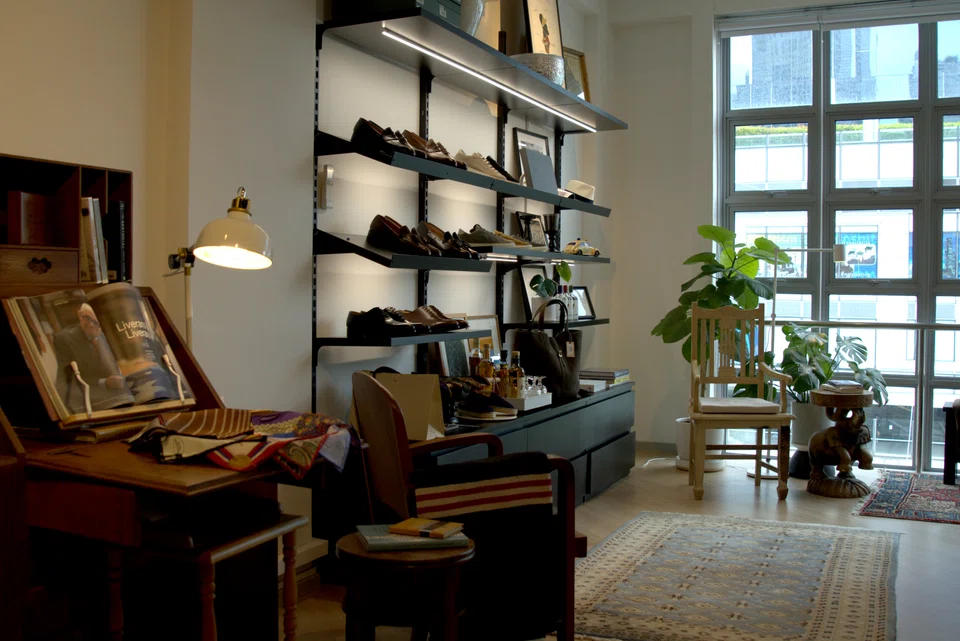
Customers at the Clarke Quay boutique might well think they have stepped into Yap’s apartment by mistake. He doesn’t live there, though he does spend most of his waking hours at the boutique.
Located on the top floor of a shophouse, the boutique feels like a penthouse, thanks to the floor-to-ceiling windows at the front of the space. “We wanted a space that feels like an apartment, rather than a store selling menswear,” says Yap, who first came to know of The Decorum, which was founded in Bangkok, when he was living there.
From being among The Decorum’s first customers to becoming a friend of the team, he is now a partner and manager of the brand’s first overseas store, and Yap knows best how to showcase the brand in Singapore. Some of the labels that the Singapore store retails include the UK’s Crockett & Jones footwear, Kamakura shirts from Japan and Italian tailor Liverano & Liverano.
“We want the boutique to feel like the client’s second home,” says Yap, who designed the store and sourced the furniture himself, largely from Carousell.
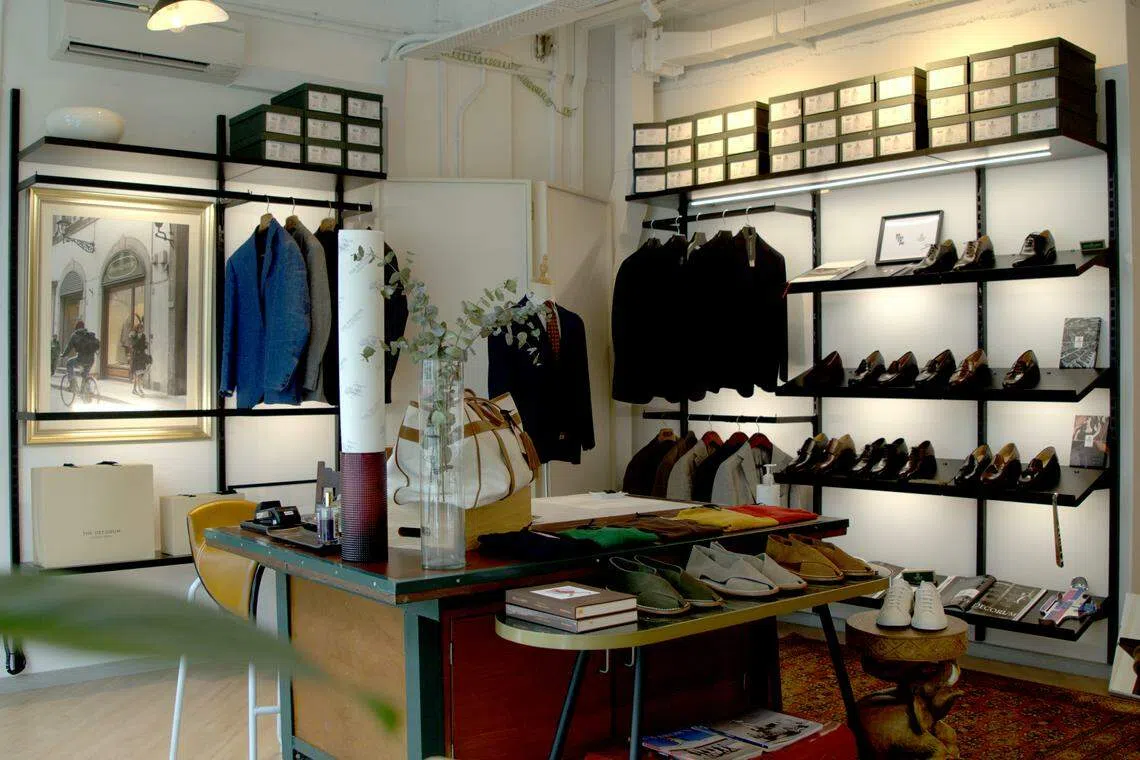
Sitting in the middle of the boutique is a work bench made of chengal wood, which was used by students from the Vocational and Industrial Training Board in the 70s. Yap uses the tabletop to display fabric samples.
Other pieces that he bought from Carousell include a vintage red trunk, standing mirrors, several wooden chairs, as well as valet stands. One interesting piece is a “fishing table”, originally used to store fishing rods and bait. Yap has turned its drawers into a shoeshine mini bar.
Some pieces of the store’s furniture held sentimental value for their sellers, he says. The red trunk, for example, used to be a toy chest belonging to the grandfather of the woman who sold it to him because, she said, she no longer had space for it. Yap has since invited her to view the piece in the store. He has also added some of his personal items for display in the space.
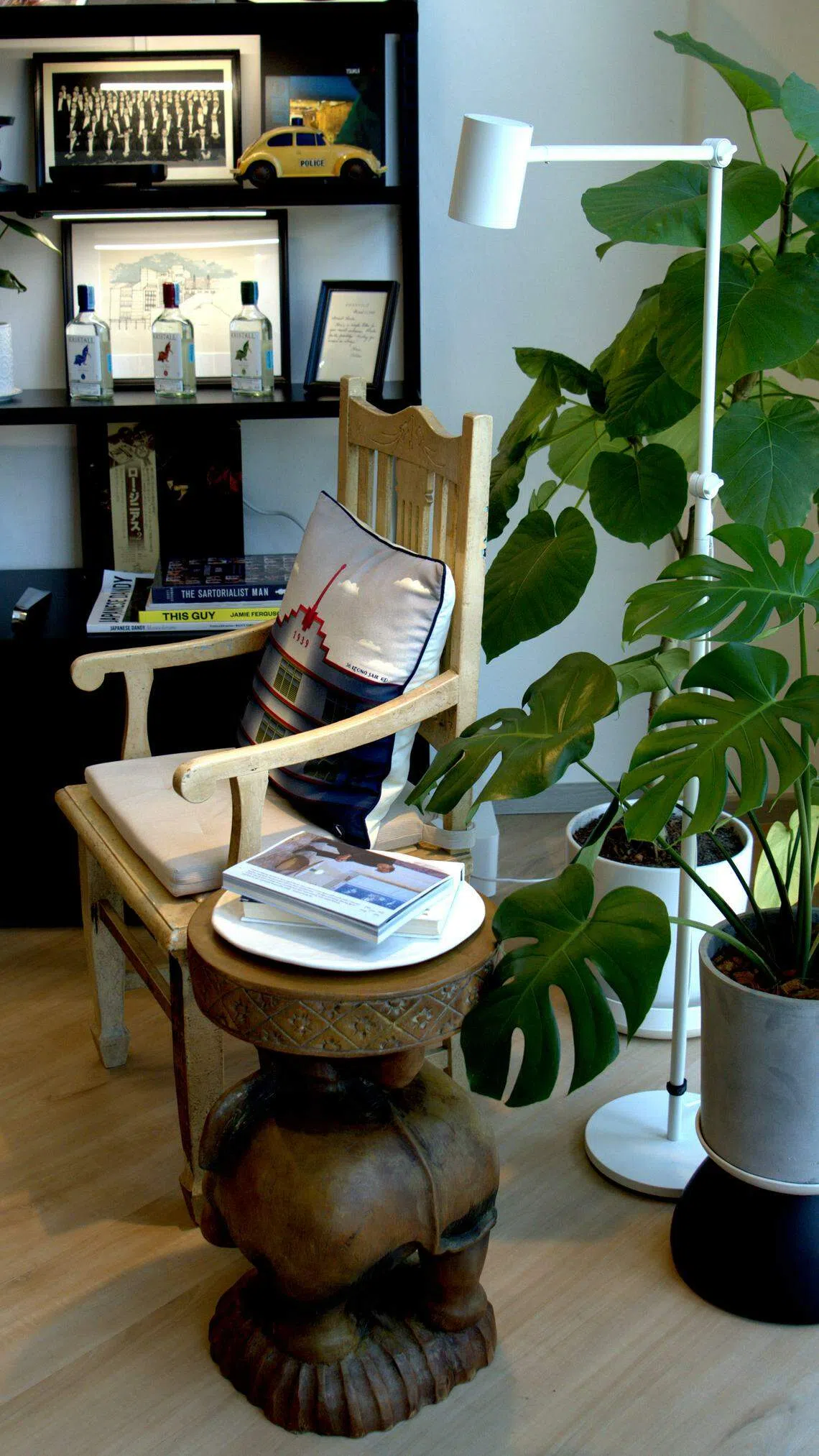
For Yap, making clients feel welcome is more than making the space look like a home. “I count on my hotelier’s knowledge to provide the little details,” he says. Clients are served drinks, and women are given a tour of the space while the men shop.
Clients like that the space feels inviting and cosy. “Some are even reluctant to leave,” says Yap.
Bertazzoni Singapore 25 Yong Siak Street
Tiong Bahru may be known for its hip eateries, but those planning to renovate their kitchen and do some cooking of their own might want to check out the recently-opened Bertazzoni showroom on Yong Siak Street.
Lawrence Chan, its manager, says Tiong Bahru was chosen for its central location. The old showroom used to be in Tagore Lane.
“There are also more cafes here that are popular with the younger crowd, whom we want to appeal to,” he says.
Besides premium ovens, cooker hoods and kitchen accessories, the showroom, located on the ground floor of a 5-storey building, also showcases Kadeka wine chillers and freezers.
Capital Marketing, which distributes the brands, commissioned a homegrown award-winning design firm to design the showroom, which resembles a home kitchen.
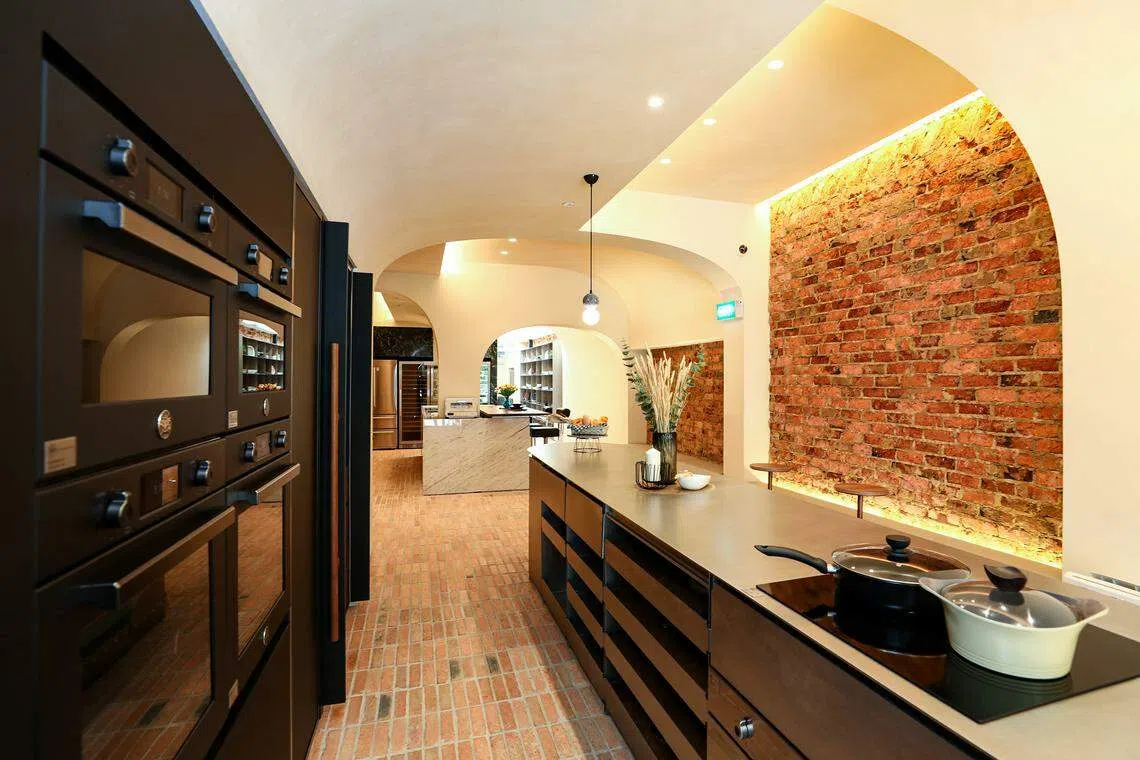
Part of the showroom’s original brick walls are left exposed to show off its nostalgic charm, complementing the original brick floor. The design team was also inspired by the brand’s Italian history and cathedrals, which explains the arches in the showroom, giving it a cloister-like feel.
On display in the front of the showroom are the professional range of Bertazzoni ovens. In this section, there’s also a long island counter, with a built-in induction hob.
In the middle of the showroom is the brand’s mid-modern range of kitchen appliances, displayed in copper-cladded cabinets for a contemporary touch. Another island counter sits here, but this one has an attached bar and seats.
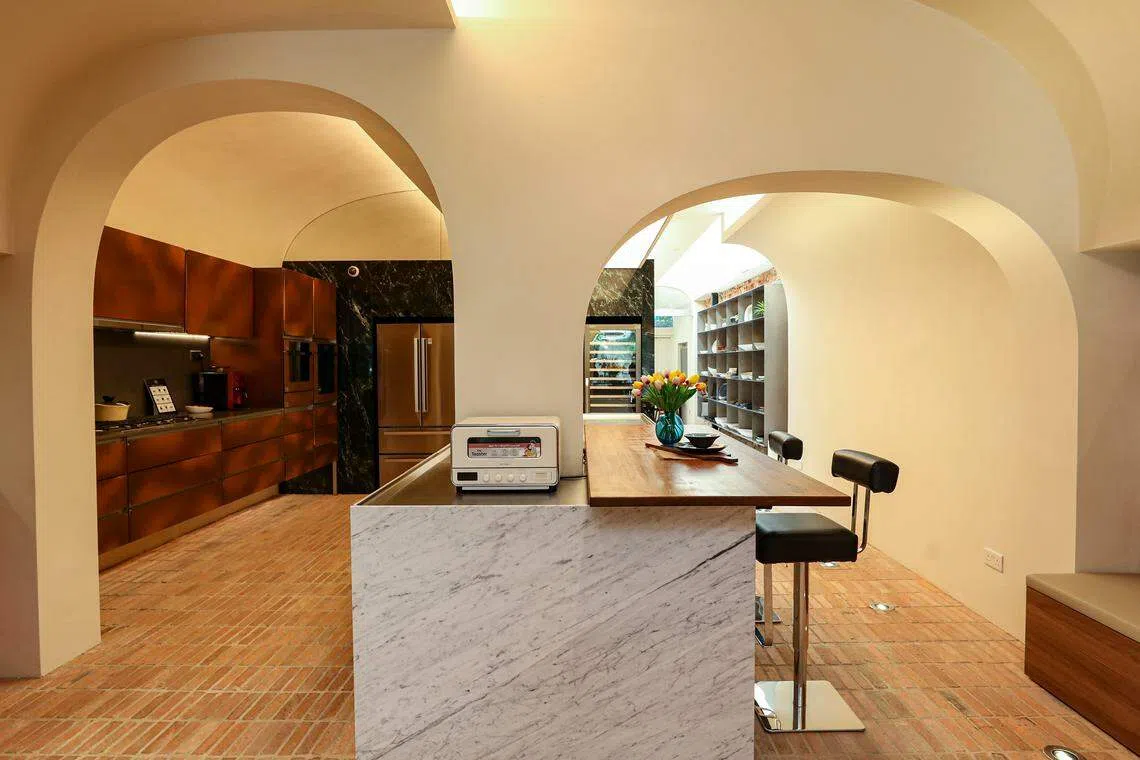
The back of the showroom is where the heritage series is displayed, with a dining table on the side, making the space look almost like a real home.
“We created three different kitchens, so clients can see how the different series of appliances can look in their homes,” says Chan. “Many commented that they like the cosiness of the space, and our kitchens give them design ideas.”
MADLY Bespoke Jeweler Singapore Brand Experience Centre 13 Ann Siang Road
At the newly opened MADLY Bespoke Jeweler Singapore Brand Experience Centre, clients don’t just walk out with bespoke coloured gemstone pieces — they get an insight into where their gems come from too.
Founder of MADLY, Maddy Barber, says: “Typical jewellers often focus on the glamorous side of jewellery – rarity and value – but here, we wanted our clients to know the journey of their gemstone, from gem rough at the mines, the long hours grinding and polishing away at each facet to the precious jewel that they finally own.”
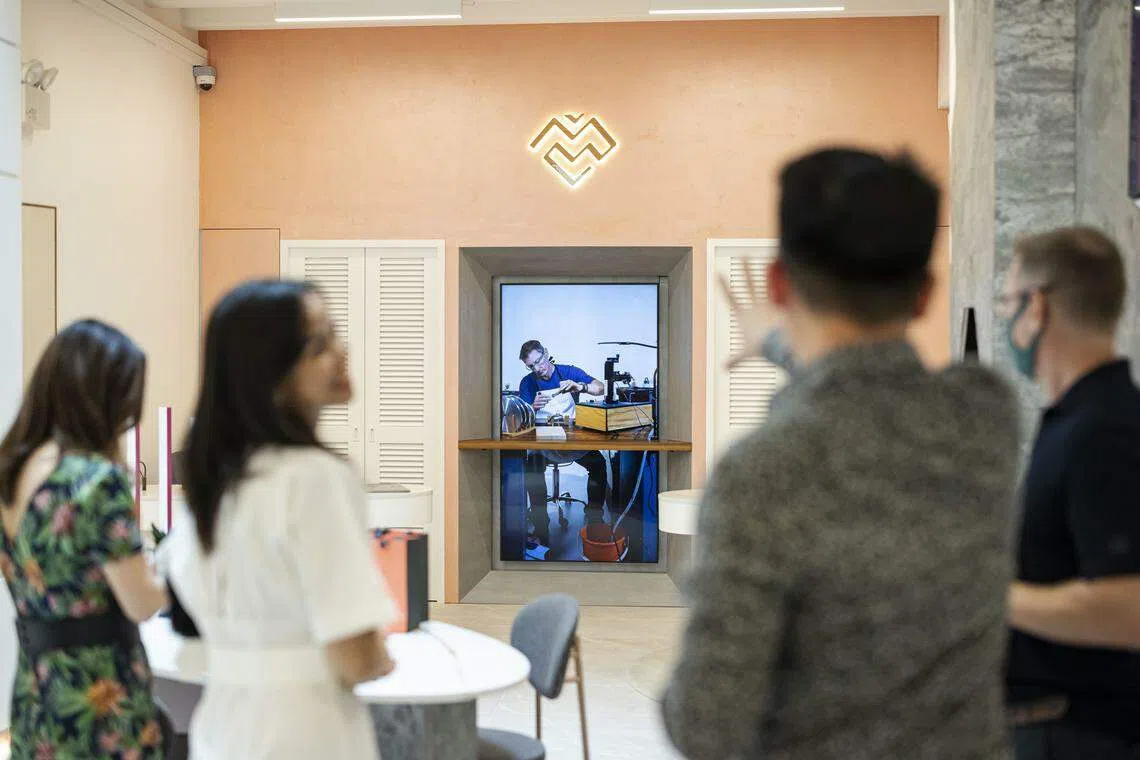
The centre is believed to be the first of its kind in the world. The first thing that clients see when they step into the space is an interactive map of the world on one of the walls. This “Straight from the Source” feature wall lights up, showing countries such as Tanzania and Sri Lanka, where the brand has its local sourcing offices.
Clients are encouraged to reach into the niches on the wall to touch rough specimens of the various coloured gemstones.
At the back of the showroom is a virtual image of a lapidarist in action, showing the time and patience needed to hand-cut each gem with precision. Filmed in real time, this is the closest that clients will get to a live gem-cutting demonstration.
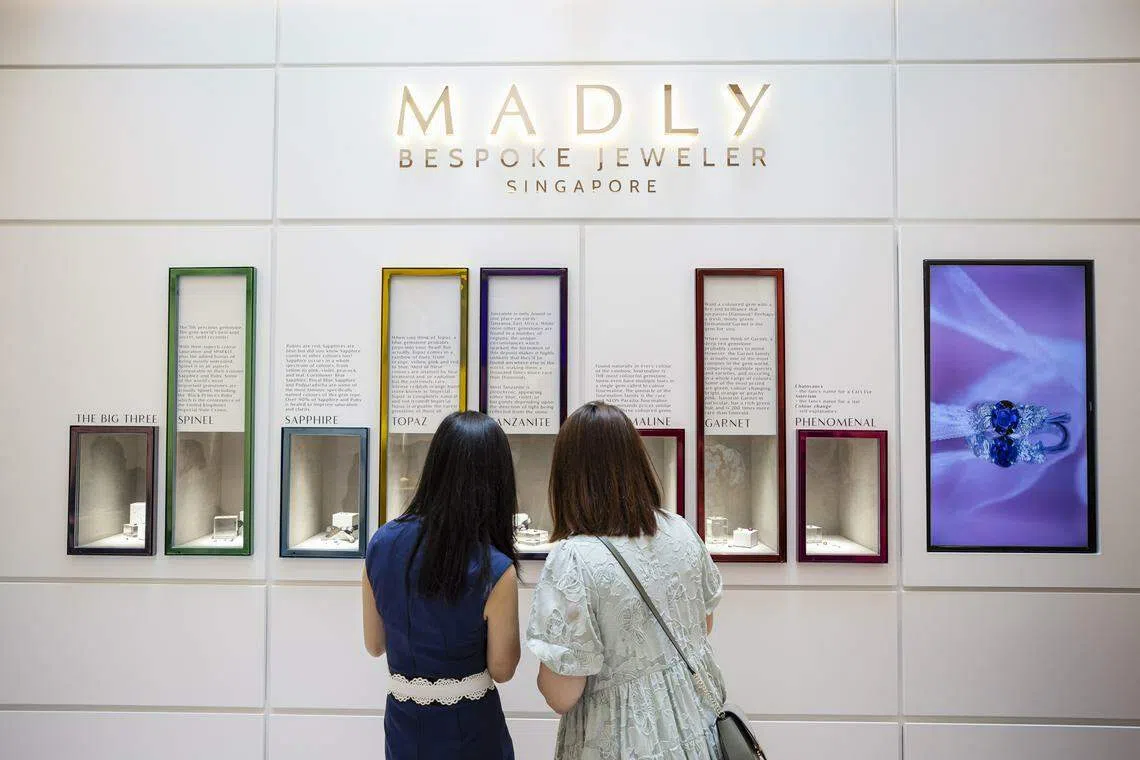
The third wall is the “Rough to Cut Gem” wall, where various coloured gemstones are displayed — from the famous “Big Three” (sapphires, rubies and emeralds) to spinel, tanzanite, garnet, topaz and tourmaline, and also a special section of “phenomenal” gems which change colour and gleam like cats’ eyes.
The tour of the experience centre ends when clients sit down with one of MADLY’s eight designers to create a bespoke piece.
“Only when you’ve caught a glimpse of every gemstone’s story will you truly appreciate the magnificence of nature beyond the value of a piece,” says Barber.
SOAMI
Raffles City, #03-27
As a customer, Mindy Aletheia Chow knows how intimidating it can be to step into a jewellery store. “You feel like you are always being watched,” she says.
So when she opened the flagship store for her artisanal jewellery label SOAMI, she set out to make her customers feel relaxed as they shop.
Chow also faced the challenge of making SOAMI stand out in a mall with plenty of other shops. For this, she counted on the experience of Ken Yuktasevi, founder and creative director of design firm, Parable Studio, to design the space.
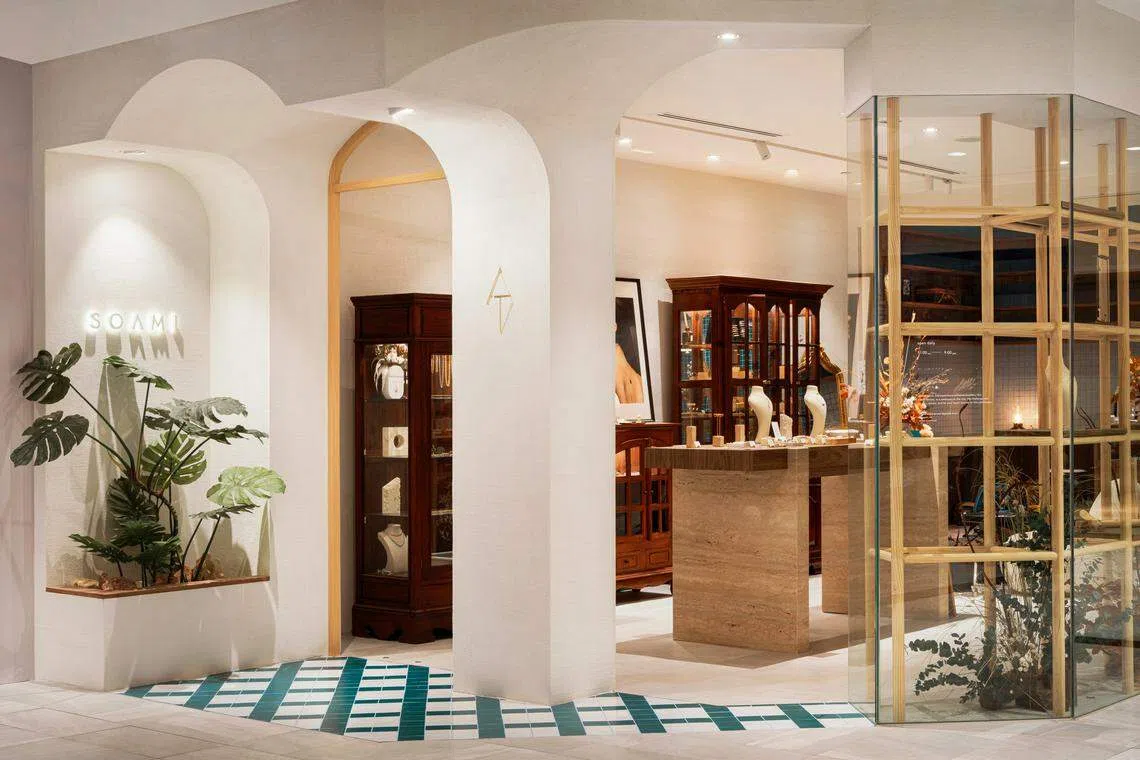
A foyer with a teal and white faux five-foot way did the trick of moving SOAMI away from the conventional shop frontage. The addition of arched pillars at the entrance and plants also make the store more welcoming.
Inside, the jewellery is displayed creatively. Some are showcased on trellises, others in vintage cupboards, so one might feel as if one were rummaging through grandma’s old cabinets. A customised display table with travertine marble legs takes centrestage; a lounge chair provides a resting area for accompanying partners. “We want people to touch and feel the jewellery, so the displays had to be designed to suit that,” says Chow.
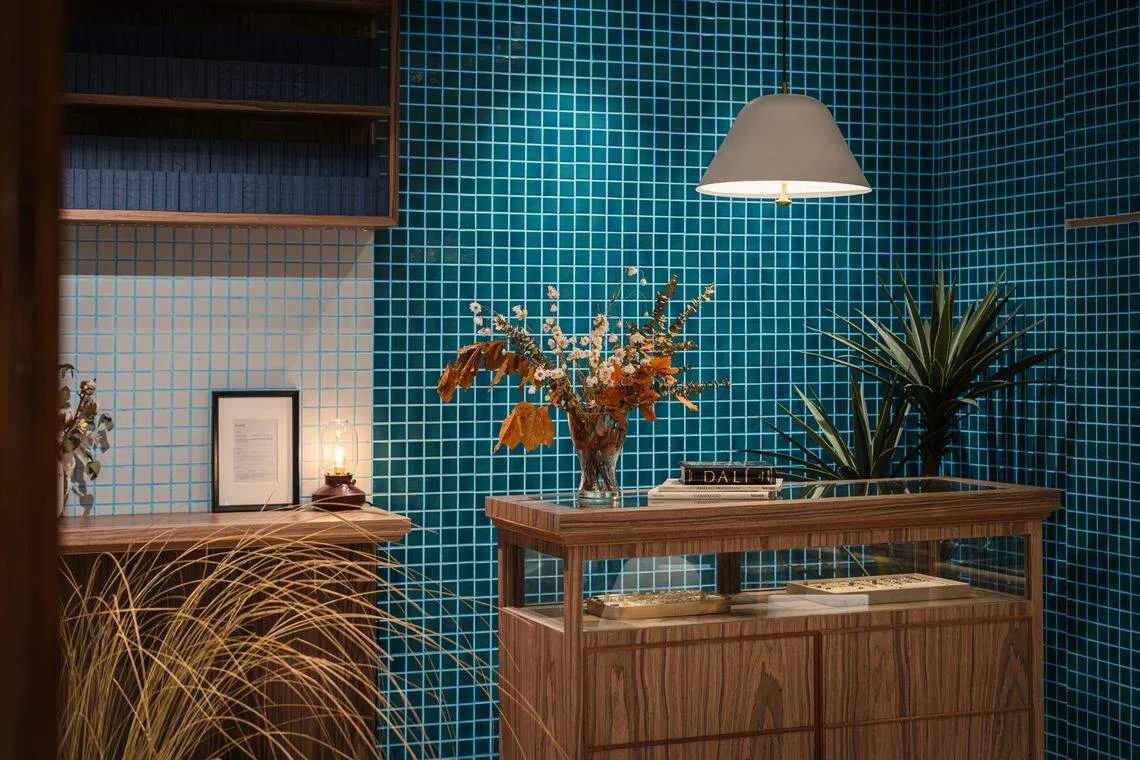
At the back of the store is a craftsman’s corner, a cosy space for customers and staff to discuss personalising messages to adorn the jewellery. Lastly, a glass-and-wood island cabinet serves as the checkout counter. “We want customers and our staff to have that intimate brand experience,” says Chow.
Yuktasevi says that he wanted the store design to be approachable. “We want customers to not feel like they are in the mall and to be in the right mindset to shop for jewellery to mark special occasions,” he says. He must have nailed the brief because customers are known to linger after their shopping and take pictures of the store.
More importantly, the design has won praise from the landlord. “When we first proposed the concept, they were hesitant about accepting it, but even they like how the store has turned out,” says Yuktasevi.
Decoding Asia newsletter: your guide to navigating Asia in a new global order. Sign up here to get Decoding Asia newsletter. Delivered to your inbox. Free.
Copyright SPH Media. All rights reserved.
TRENDING NOW

From AI financing to Indonesia outlook: 4 takeaways from Singapore banks’ Q3 results

VinFast, Mitsubishi weigh Philippine EV production as state incentives near

Analysts cut DBS target price on lower 2027 earnings, but see buying opportunity after share price slide

Could Japan trigger the next global financial crisis?

