

Sifa 2023: Mixed bag of hits and misses
What floated or flopped at the opening of Singapore’s major arts event

Helmi Yusof
ONE of the best things at the Singapore International Festival of Arts (Sifa) so far has been £¥€$ (Lies) by Belgian company Ontroerend Goed. In what may be described as an extreme Monopoly theatrical game satirising the global economy and its excesses, the audience members are seated at gambling tables and invited by the croupiers to punt in various markets using fake money.
They can buy and short shares. They can take out loans from the bank. They can speculate in risky products that offer higher returns. At every turn, the game gets more complex with the introduction of new financial instruments (based on real-life examples), which the croupier patiently explains to the players – and then persuades them to buy.
The game goes incredibly well for the first hour and a half, with wealth being created at rapid-fire speed. But then the bubble bursts. Credit has been overextended. Banks go into default. A-grade bonds turn into junk ones. Entire economies collapse. Overleveraged players are the worst hit, taking down nearby players. But other mavericks do well, netting more than 1,000 per cent increases in their assets. The more conservative players stay in the black, but their gains are nothing to brag about.
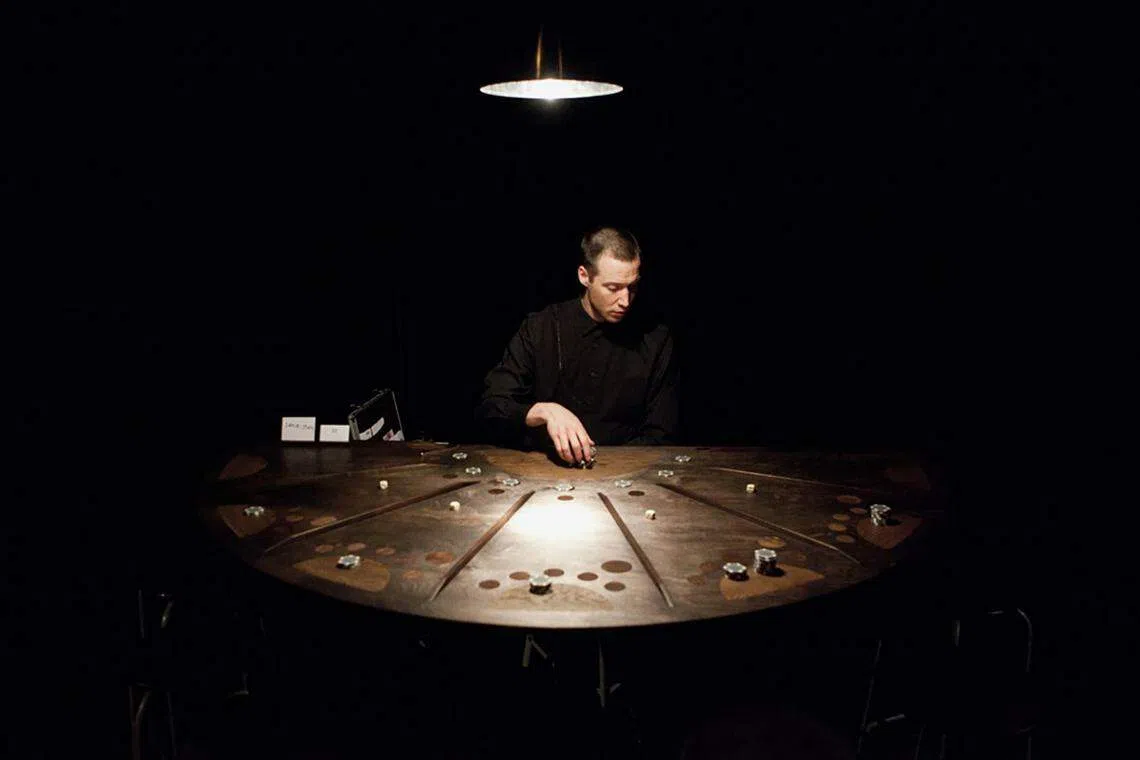
£¥€$ (Lies) may be just a game, but it is an accurate microcosm of banking and finance in the global economy. The immersive theatrical experience, which runs till the end of this week, captures the risks and rewards of playing the markets – and then goes a step further by showing how the actions of the uber-wealthy few have far-reaching consequences on millions of bystanders. In this instance, one of those uber-wealthy few happens to be you.
Undercooked
Indeed, risk and reward was the theme of Sifa’s opening week, which came with a mixed bag of hits and misses. The curtain raiser was a new festival commission of a contemporary opera titled Angel Island. It is created by US-based Chinese composer Huang Ruo and Singapore multimedia artist Brian Gothong Tan, in a collaboration dreamed up by festival director Natalie Hennedige.
Angel Island in San Francisco Bay was a detention facility for Chinese immigrants between 1910 and 1940, when American racist immigration laws kept them confined for long periods, on suspicion they were “immoral” and “unhygienic”. Feeling hopeless, some inscribed poems on the walls of the facility. These have now become the lyrics to the songs composed by Huang, sung by 15 members of the Taipei Chamber Singers and accompanied by the Del Sol string quartet.
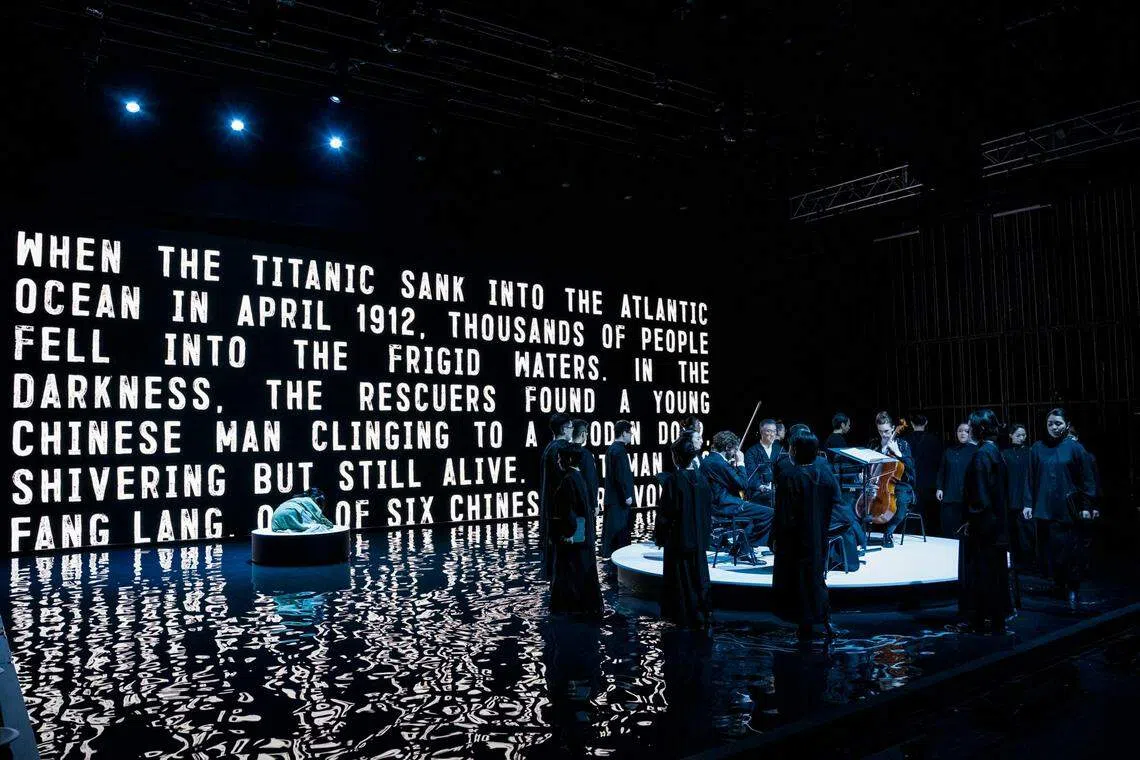
The music is gorgeous, layered and poignant, but Tan’s multimedia projections do not always match its brilliance. They alternate between minimalism to hyperkinetic chaos, never really taking the audience on a cohesive narrative arc from start to end, as the music did. The work needs more time to develop its visual elements.
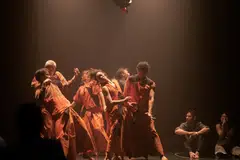
Similarly, Realm Of Silk by Canadian artist Sougwen Chung suffered from a sense of being underdeveloped. Chung trains four AI robotic arms to paint alongside her own hands, while the captivating live music of Singapore cellist Leslie Tan fills the air. Within the hour, Chung completes a large ink painting – a testament to a successful collaboration with technology.
But is the painting any good? If it was hung in a gallery, would anyone buy it? From where this writer was seated, it looked like a generic gestural painting. The method may be impressive – Chung sends brainwaves from her headset to guide the robotic arms – but the results are far from satisfactory. The tepid applause from the audience that night spoke volumes.
Polystyrene poetry
Fortunately, other works saved the day: Materia by Andrea Salustri is an extraordinarily poetic performance involving polystyrene – of all things. Operating alone on stage, the Italian artist plays with polystyrene sheets, balls and beads to create astounding kinetic sculptures that wowed the audience. Using fans, hairdryers and other blowing mechanisms, he makes the humble polystyrene come to life. They are bouncing to a rhythmic beat, floating flat like a magic carpet, or whirling in the air like snowflakes that have somehow been taught to dance.
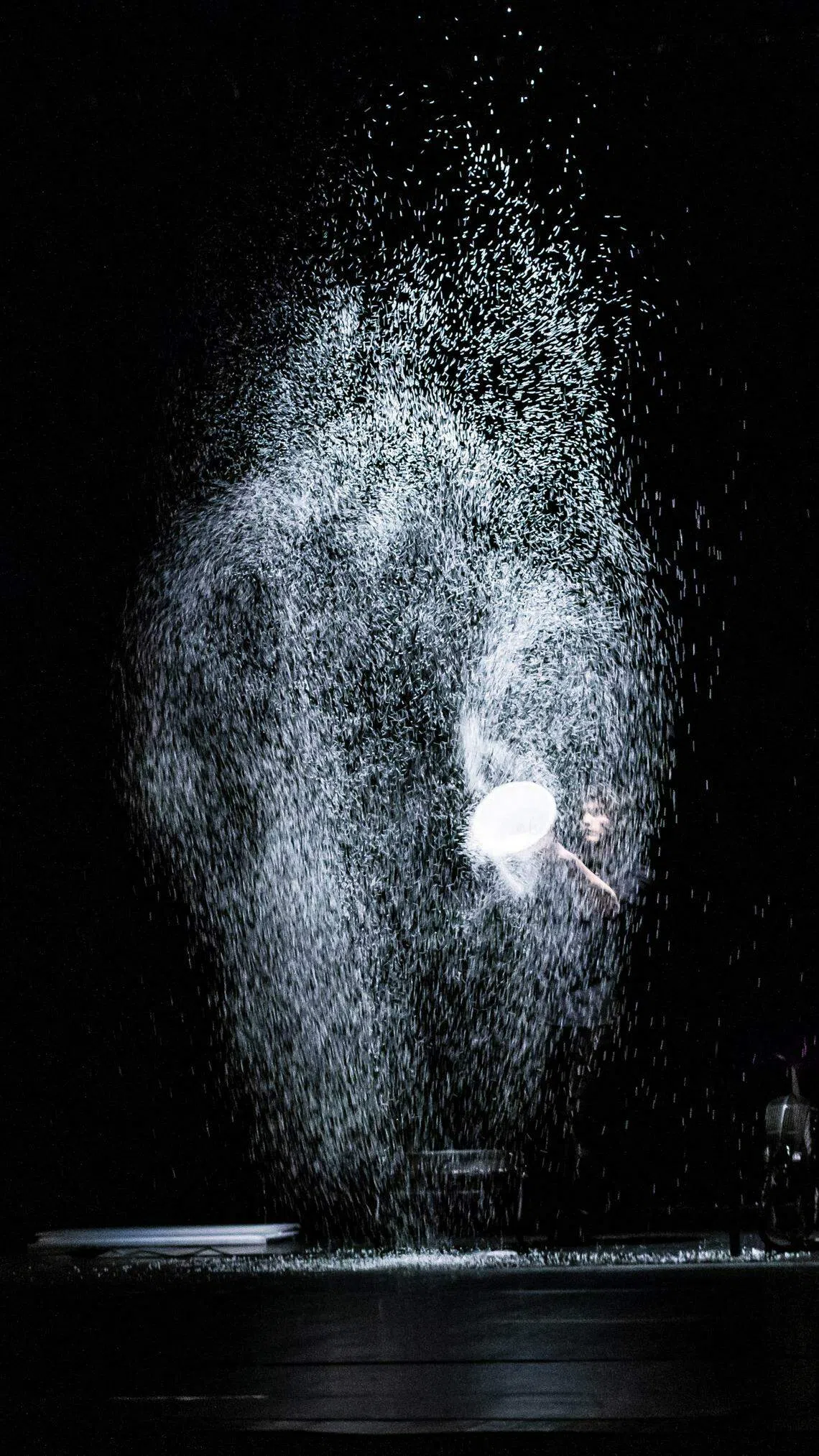
Lest someone mistakes this for a circus sideshow instead of a festival circuit gem, Salustri structures his act expertly to create a dramatic build-up involving lights, sounds and visuals. The artist, who studied philosophy and choreography, turns a potentially kitschy idea into a stunning meditation of a common plastic object and its relation to the world.
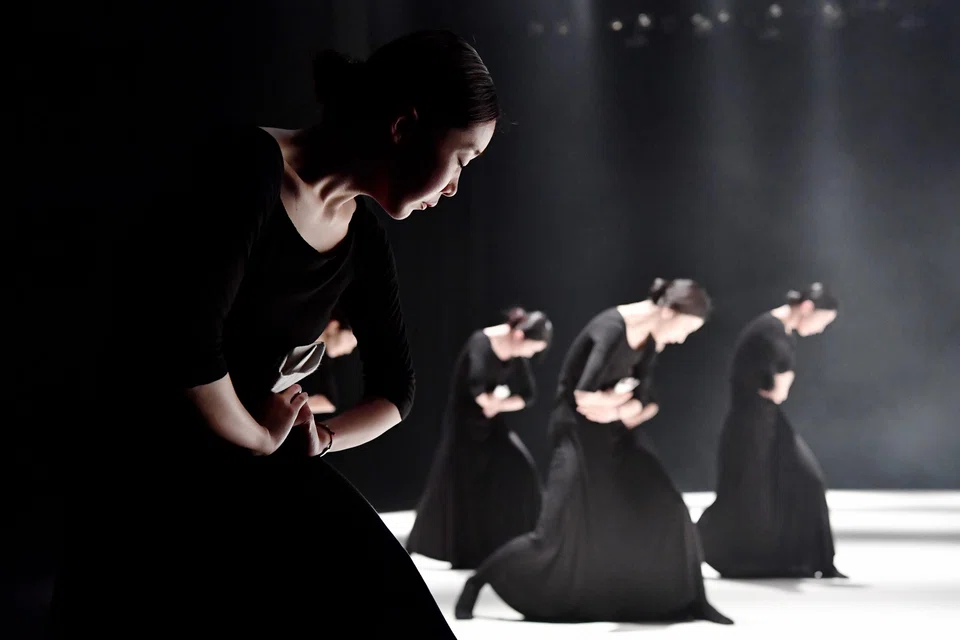
Another strong work is Abyss, a contemporary dance piece by South Korea’s 99 Art Company. Choreographer and performer Jang Hyerim delves into the collective melancholy of her people after decades of colonialism under the Japanese (from 1910 to 1945) and the Korean War (1950 to 1953).
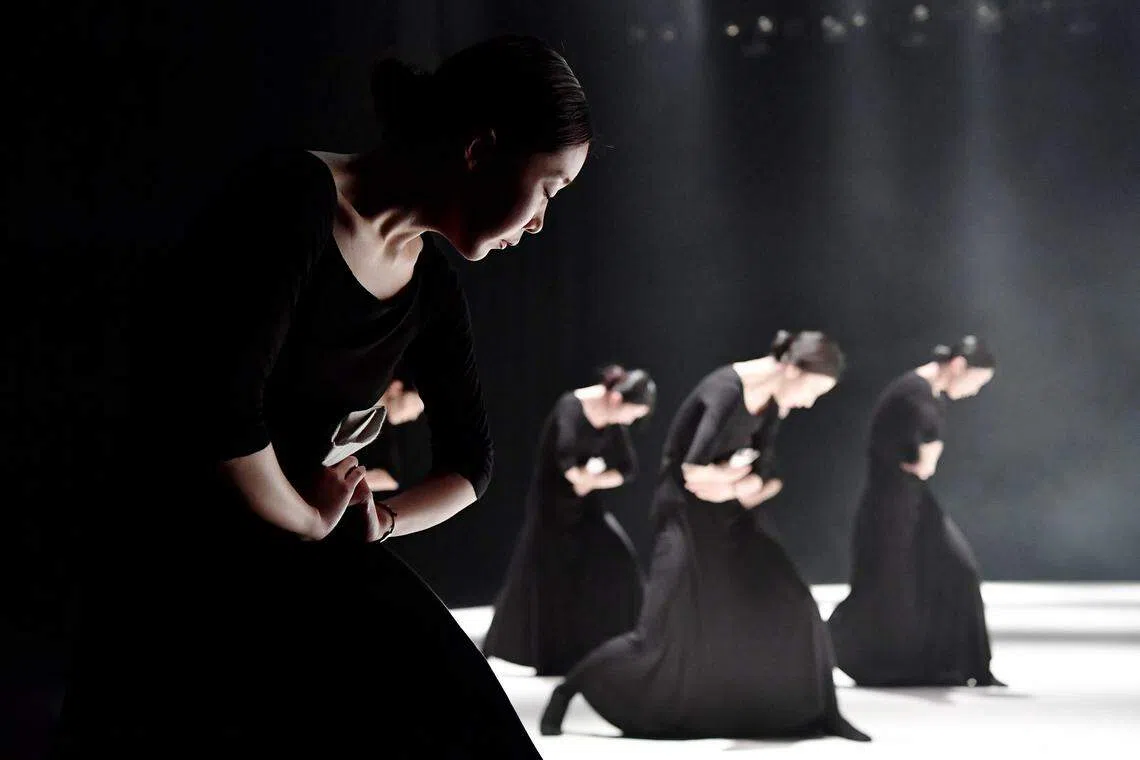
As her company of female dancers first move through the stage, they convey the pain of history and memory trapped in their bodies. In their hands are small paper boats which, like their bodies, appear rudderless in a foggy sea. Gradually, these women regain their strength and resolution, voicing their hurt and suffering through screams and cries. As the music swells, so too is their determination to come to terms with the past.
When they find their release, so do we.
Sifa 2023 runs till Jun 4. Visit sifa.sg for programme information.
Decoding Asia newsletter: your guide to navigating Asia in a new global order. Sign up here to get Decoding Asia newsletter. Delivered to your inbox. Free.
Copyright SPH Media. All rights reserved.






