

Singapore luxury furniture market battles new challenges
Local retailers weigh in on the state of the industry since the Covid boom years
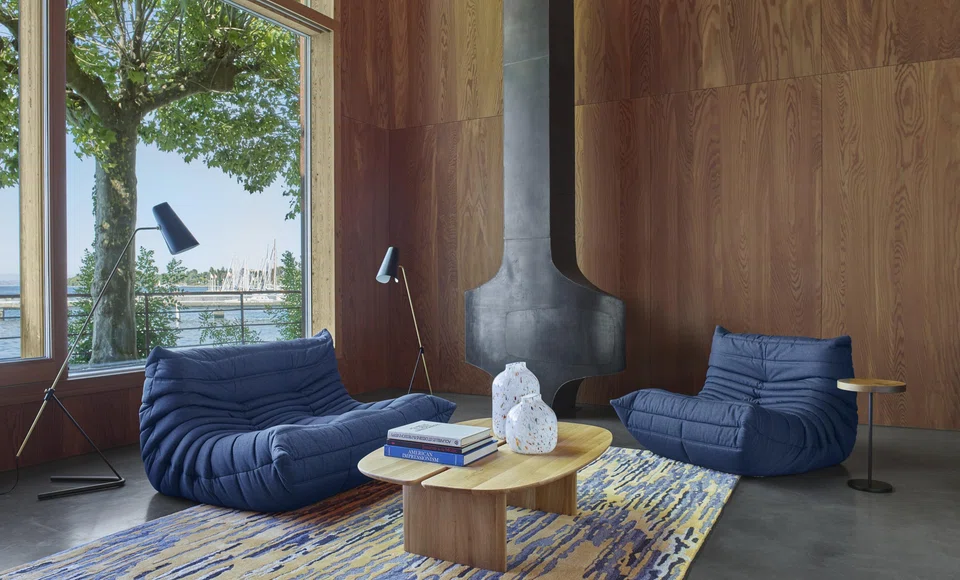
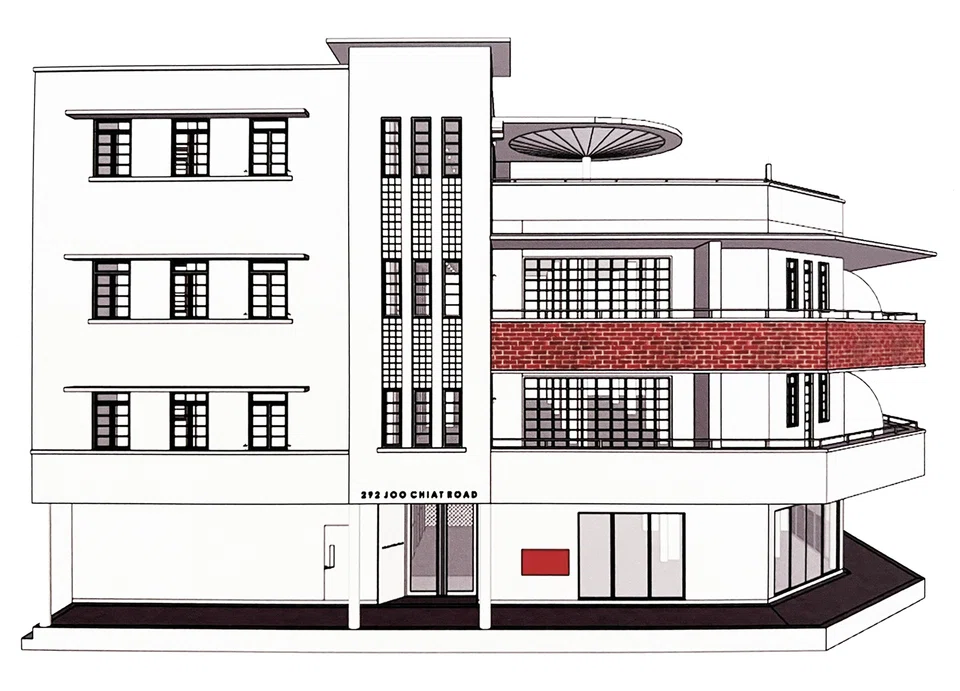
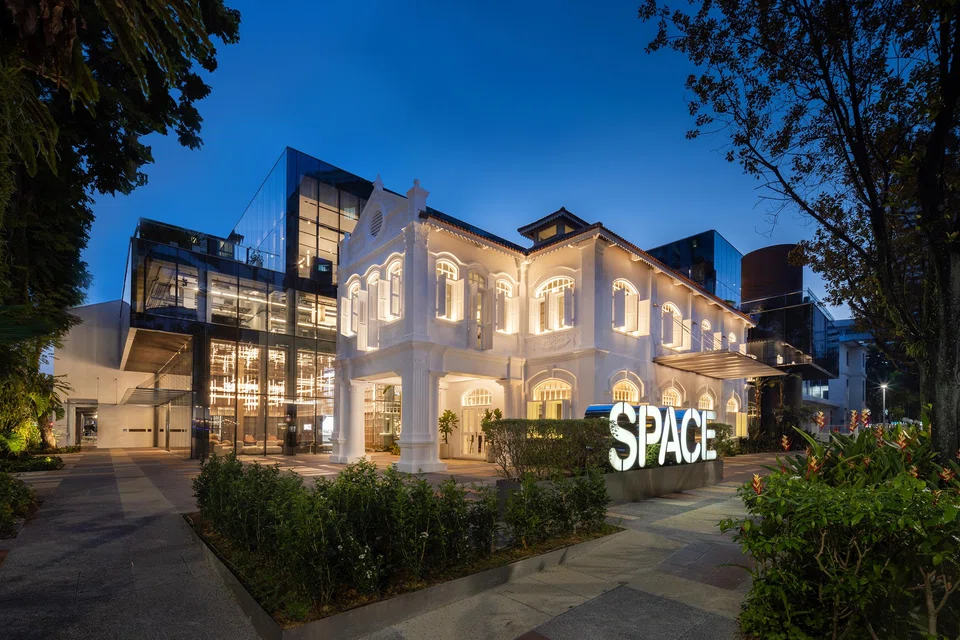
AFTER 15 years of being housed in shopping malls, local furniture retailer Grafunkt’s new home will be in a quartet of Art Deco shophouses, far away from town in Joo Chiat. It will join the many independent boutiques and chic cafes that made the quaint enclave a favourite hangout destination post-Covid.
The new location that opens in August will enable Grafunkt to become more than just a place to buy furniture, says Jefery Kurniadidjaja, who co-founded the store with local furniture designer Nathan Yong in 2009. “We will be building a community of like-minded partners to join us on our new chapter, with the likes of an interior design firm, lifestyle and home accessories section, cafe, wine retailer and plant nursery.” Workshops and events will also help anchor it as a “design destination”.
Defining furniture retail
This move reflects the ongoing challenges faced by the local furniture industry to attract buyers, namely, parallel importers, high rental costs, and choosing the right locations and brands. Grafunkt started in Park Mall, later moving to Millenia Walk, where it also opened mono-stores for Ligne Roset and CondeHouse. Its last location was at Funan.
For Grafunkt, moving had its advantages, as “over the years it has not only opened up more business opportunities but also allowed us to explore different markets and reach a broader audience,” says Kurniadidjaja.
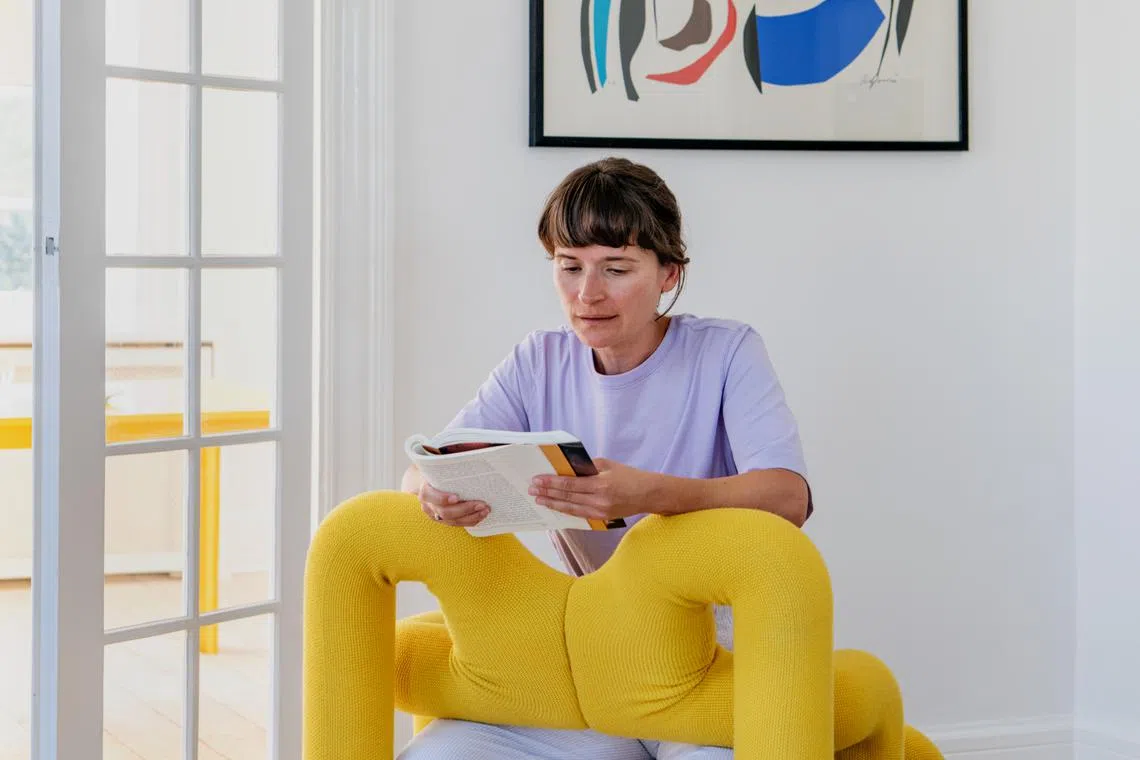
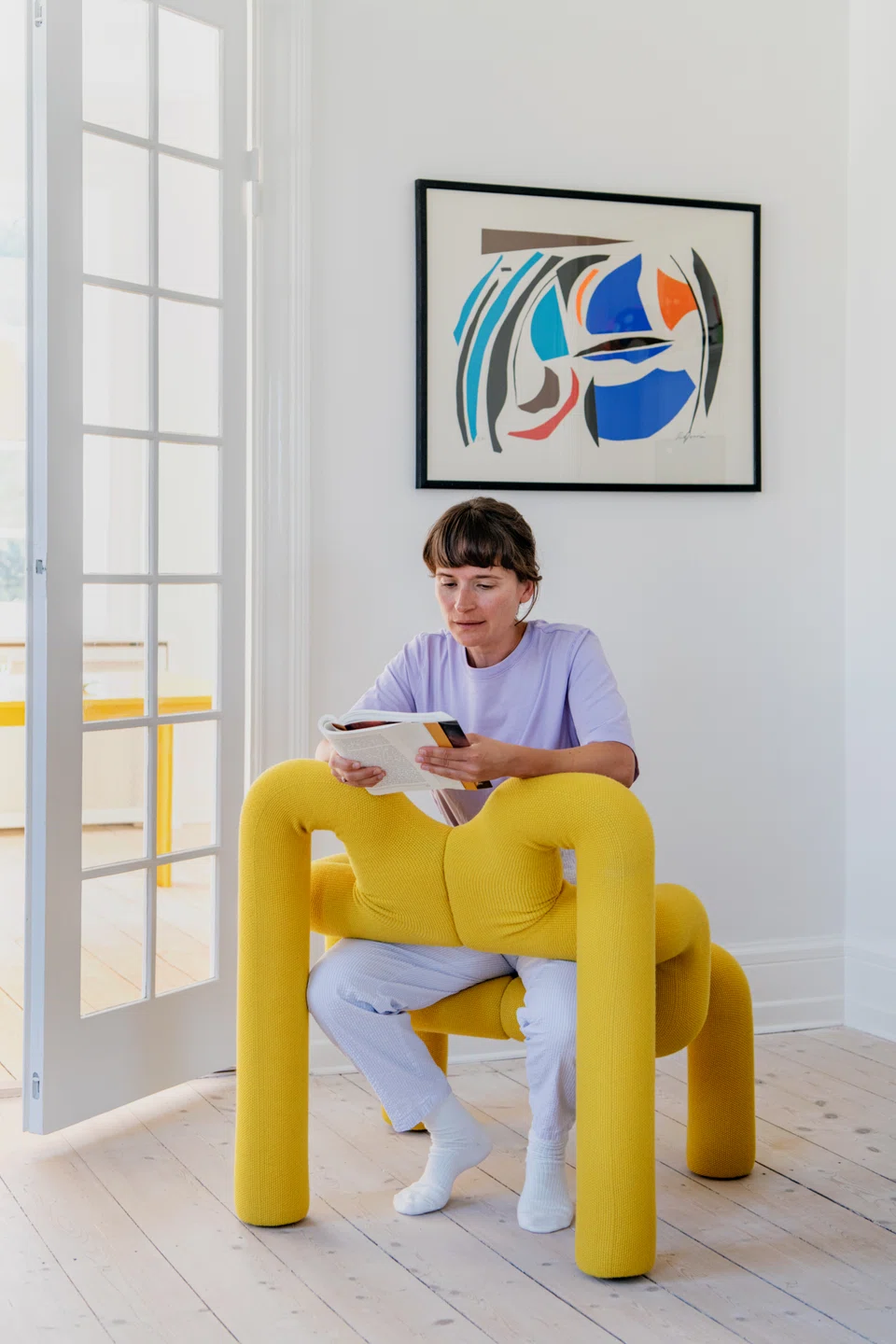
With many industry players and a small market, choosing the right brands is not easy. There is no fixed formula to finding one that guarantees success, Kurniadidjaja explains. “Experience, intuition, timing and the synergy between the brand and dealer all come into play.” Grafunkt’s Joo Chiat store will also see new names like Marset, Varier and Kryptonite sitting alongside brands like Norr11 and Ariake.
Savvier homeowners
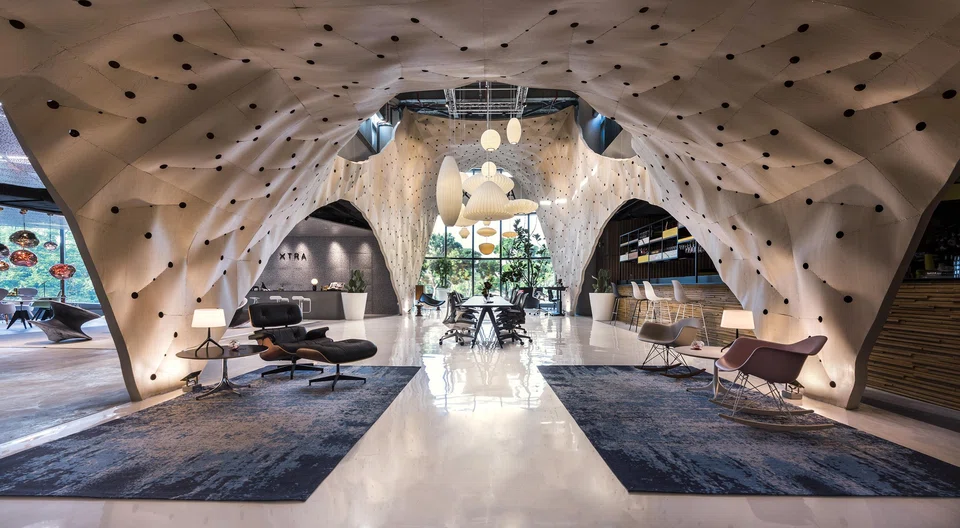
In contrast, design furniture store Xtra started life in a shophouse in the East but moved to Park Mall in 1991. It now has two locations in Marina Square, divided into retail and contract arms. Into its 35th year, Xtra prides itself as one of Singapore’s first design-focused furniture stores to open, helping to raise the city’s design quotient over the decades with brands like Herman Miller, Magis, Dedon and Tom Dixon.
It is impossible to fight parallel importers and competition from international online stores, so Xtra focuses on providing good pricing, prompt response, as well as excellent in-store and after-sales service, says founder Lim Choon Hong.
This is crucial given that homeowners are now selecting their own furniture instead of leaving it to architects and interior designers. “The Internet era, growing affluence and affordability of international travel, and now the rise of social media has brought about knowledge-based shopping and awareness,” says Lim.
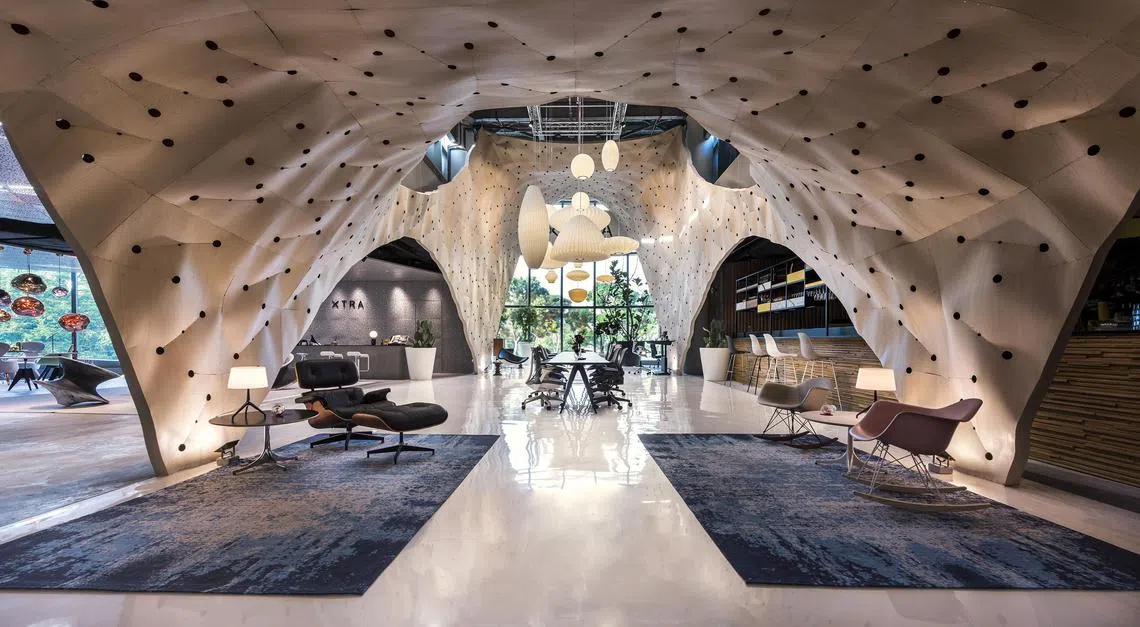
“Buyers are interested in the story behind the furniture and the brands, travel widely and are very exposed to the latest market trends. Mobile phones give them instant information on the latest products and allow them to make purchases straightaway. Environmentally sustainable furniture brands can and often influence their buying decision.”

Bright future
The demand for luxury furniture in Singapore is on par with overseas markets, given its thriving and affluent society. But Singaporeans are less adventurous and more discreet in their choices, Lim notes. This explains the reduced variety and breadth of styles available here, “although an increasing number of foreign residents are beginning to redefine the market.”
Business was especially good in the pandemic years but has declined by about 20 to 30 per cent, adds Lim. “People are travelling more and buying overseas, the market is generally affected by the uncertain economic climate due to the increase in interest rates, the war in Ukraine and the Middle East, and an increase in the ABSD (Additional Buyer’s Stamp Duty).” Lim believes that the market should eventually adapt and is likely to remain flat but stable towards the year-end.
General manager at W Atelier, Daniel Magg concurs, noting that armed conflicts in the Red Sea have caused harbour congestion worldwide and consequently, raised transportation costs and overall pricing.
“We think the rising cost of living and inflation have also left quite a dent in the buying power of homeowners, especially for the middle class. Recent retrenchments (across many industries) have had an effect on consumer confidence.”
Despite the overall decrease in sales, the company’s kitchen and wardrobe segments are doing well. W Atelier started as the distributor of premium sanitary wares brand Toto. In 2011, it diversified into furniture, lighting and kitchen systems. Magg remains positive that buyers will pay more attention to their homes again in 2025. “Our sanitary business is also very stable, which is an indication that for next year, the loose furniture business will pick up more.”
Who buys what
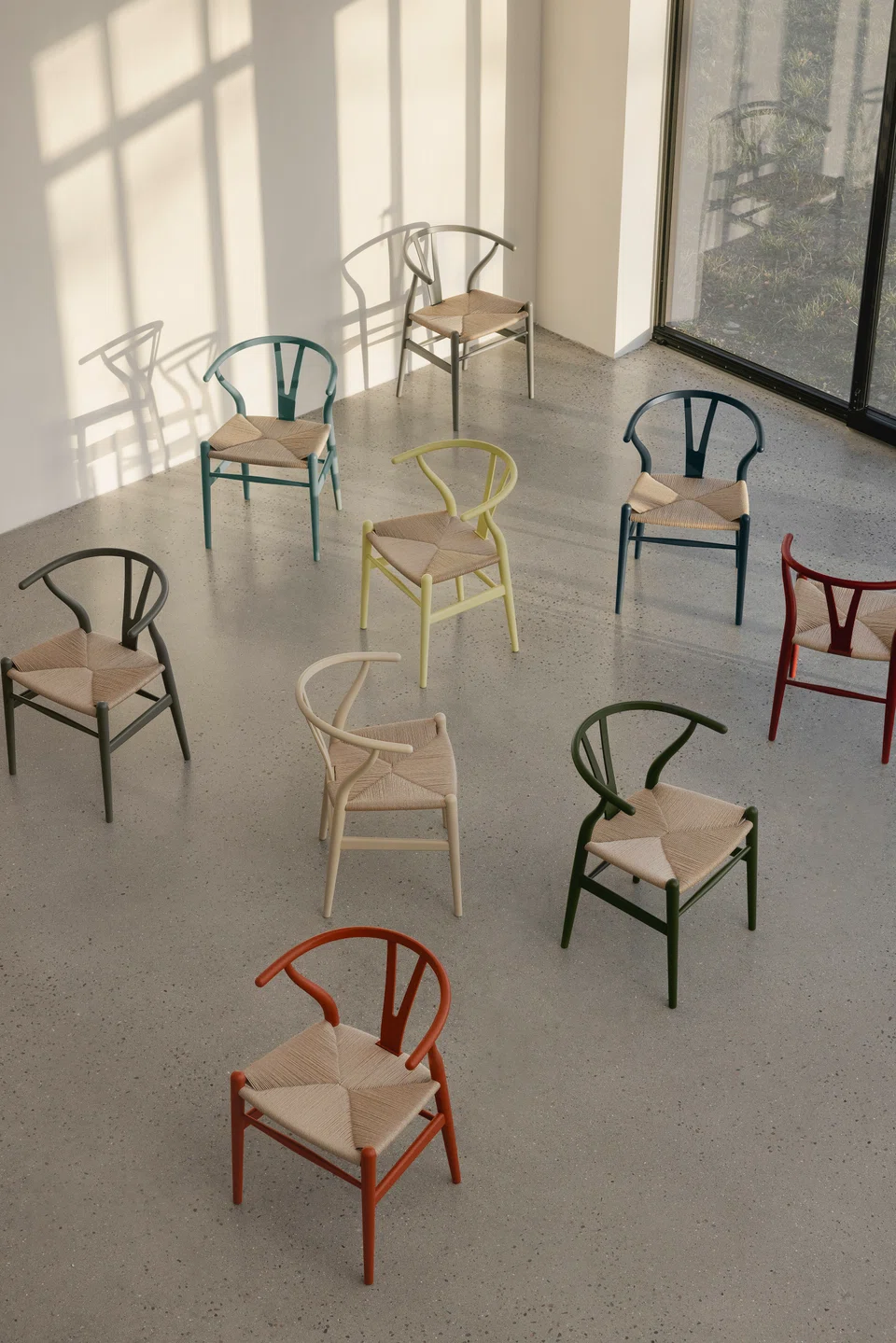
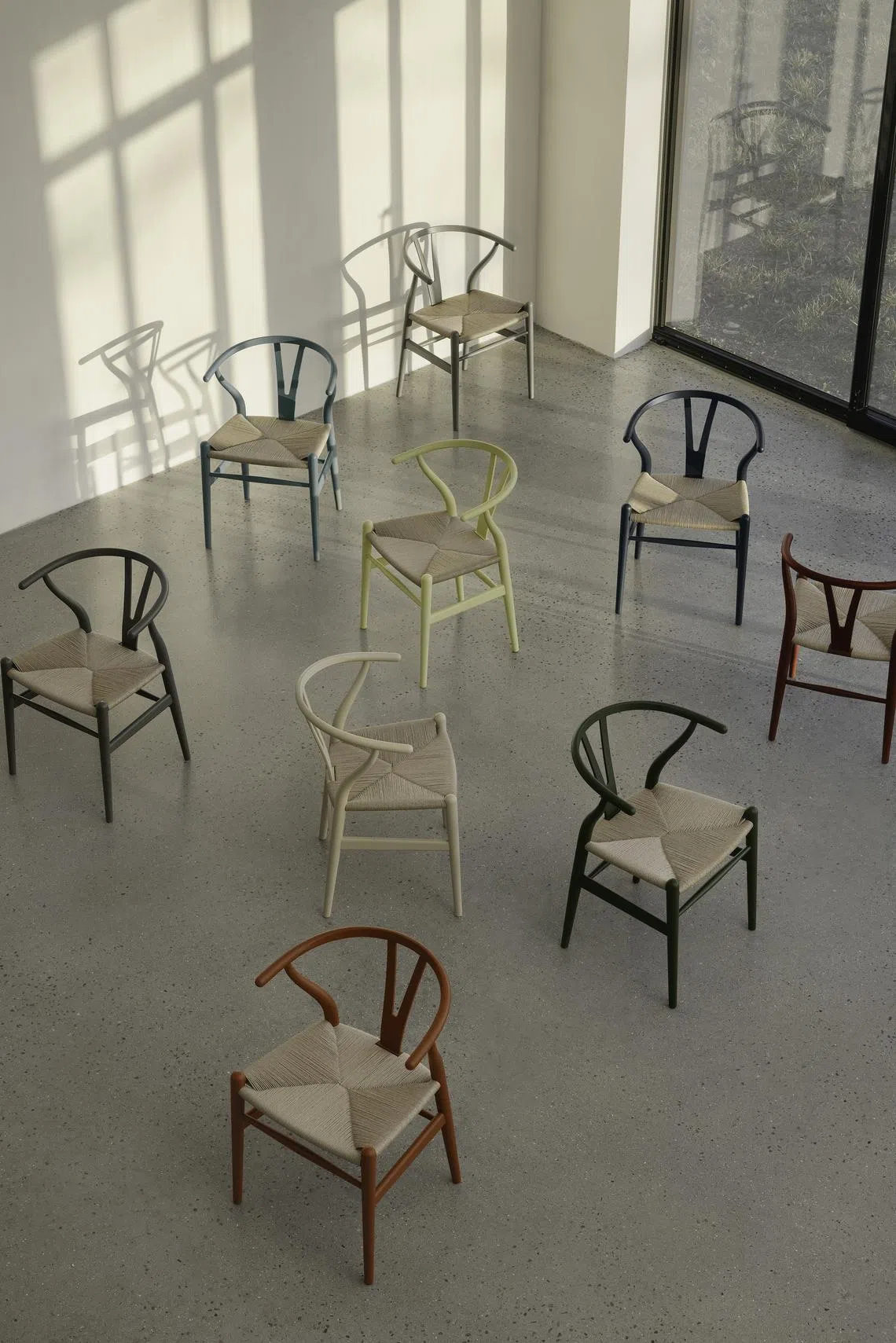
Buyers willing to splurge five-figure sums on a modular sofa set or almost S$1,000 for a classic Wishbone chair from Carl Hansen & Son are no longer relegated to the older set or those more established in their careers, says Lim. “While our main group of buyers are in their mid-40s upwards, we are seeing an increasing number of younger customers in their 20s and 30s in recent years. Many Singaporeans have become successful and wealthy at a relatively young age; Singapore is also becoming more global.”
Brands like Muuto and Louis Poulsen tend to attract the younger market segment (those in the mid-20s to high-30s), he observes.
Kurniadidjaja describes Grafunkt’s main demographic as those sitting between the mid- to higher-income brackets. “Buyers range from new and existing homeowners, locals and expatriates, as well as design enthusiasts who appreciate well-designed, functional furniture. Their spending choices are relative, as they are highly influenced by the type of lifestyles they lead, and the amount of time they spend in most of their spaces.” A bestseller is the Togo sofa from Ligne Roset. “Each brand within our portfolio has its own iconic items that align with our target demographic,” he adds.
It is difficult to pin down a specific demographic of luxury furniture buyers, says Magg. “There is also a lot of generational wealth in Singapore, and income independent of labour activity.” Buying patterns also vary.
“Some customers prefer to devote their budgets to big-ticket items such as kitchen systems or modular sofas, and some have a penchant for collecting high-value, designer items to add to their existing collection. Some don’t skimp on quality at all, so they buy everything designer, and some just love and follow a brand. Others lean towards small collectible items, such as those from Vitra,” he lists.
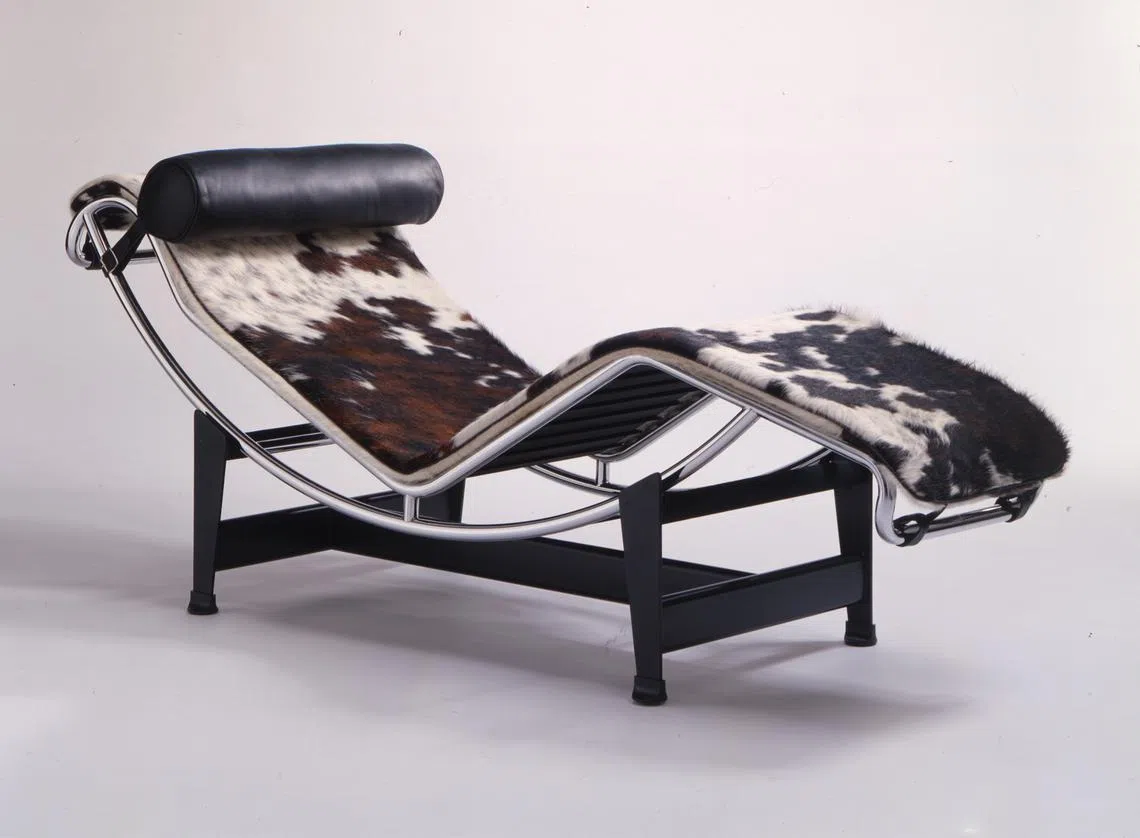
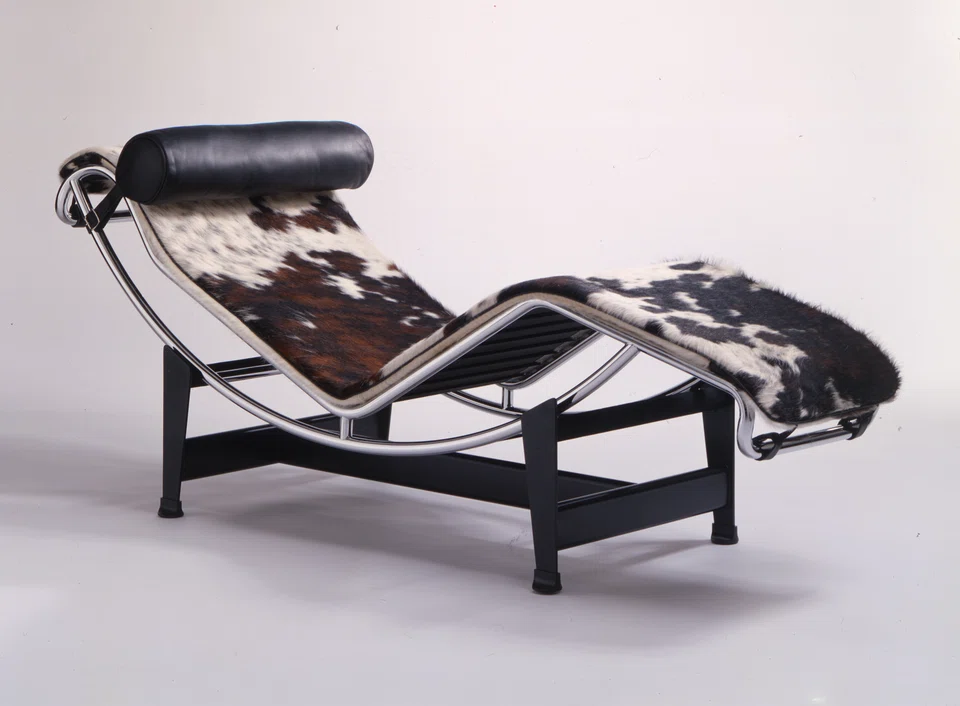
W Atelier has a good stock of classic designs catering to collectors. These include the Panton chair and Noguchi coffee tables from Vitra, as well as the Series 7 from Fritz Hansen and Le Corbusier’s LC4 chaise lounge for Cassina. They feed a growing number of buyers who value and will pay for classic designs.
Appreciating craft and heritage
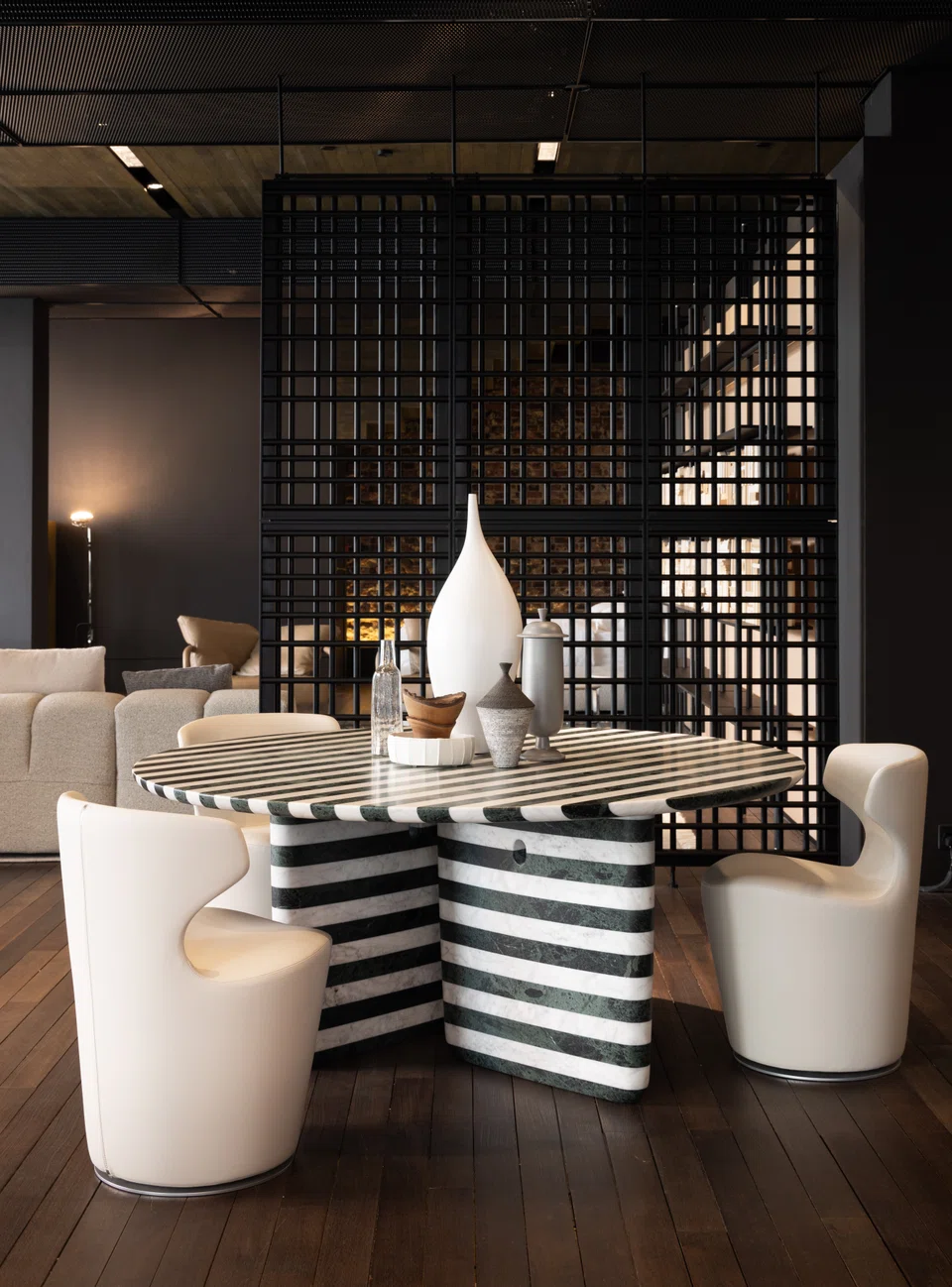
Generally, “buyers who are willing to splurge on luxury brands appreciate quality and craftsmanship,” says Derek Lim, general manager at Space Furniture. “They are happy to invest in pieces that will stand the test of time – both from quality and aesthetic perspectives. Popular brands among Singaporeans include B&B Italia, Poliform, Edra, Maxalto, Baxter and Giorgetti – all known for their rich history, craftsmanship and unique designs.”
Space Furniture entered the market in 2001 at Millenia Walk. It now houses over 20 exclusive brands in its 40,000-square-foot showroom in Bencoolen Street, designed by Woha. In spite of the popularity of online shopping, Lim believes the in-store experience is necessary for buyers attributing large sums to furnishing their homes.
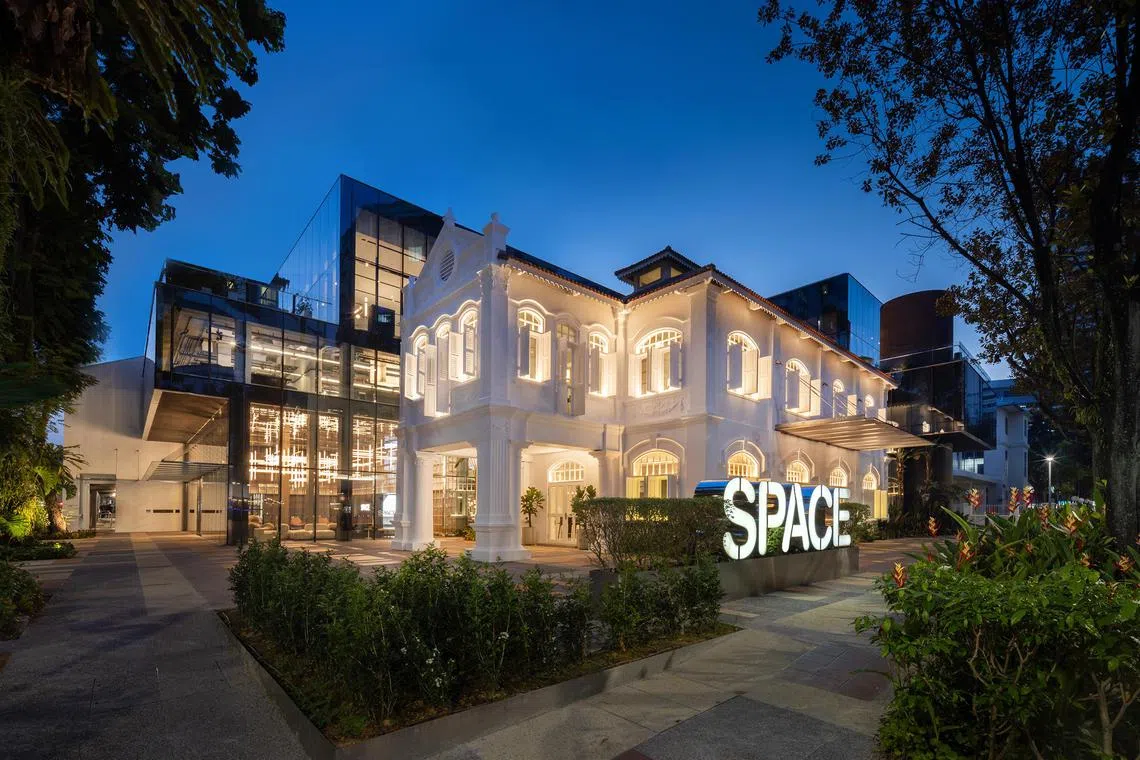
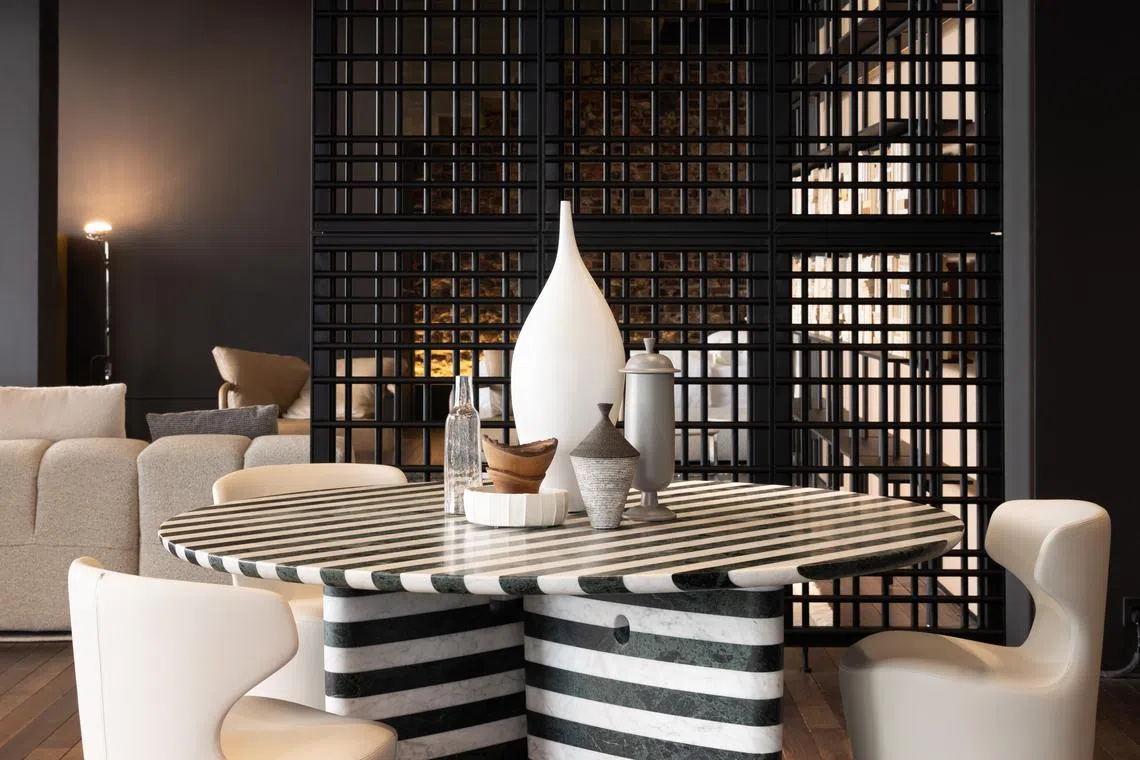
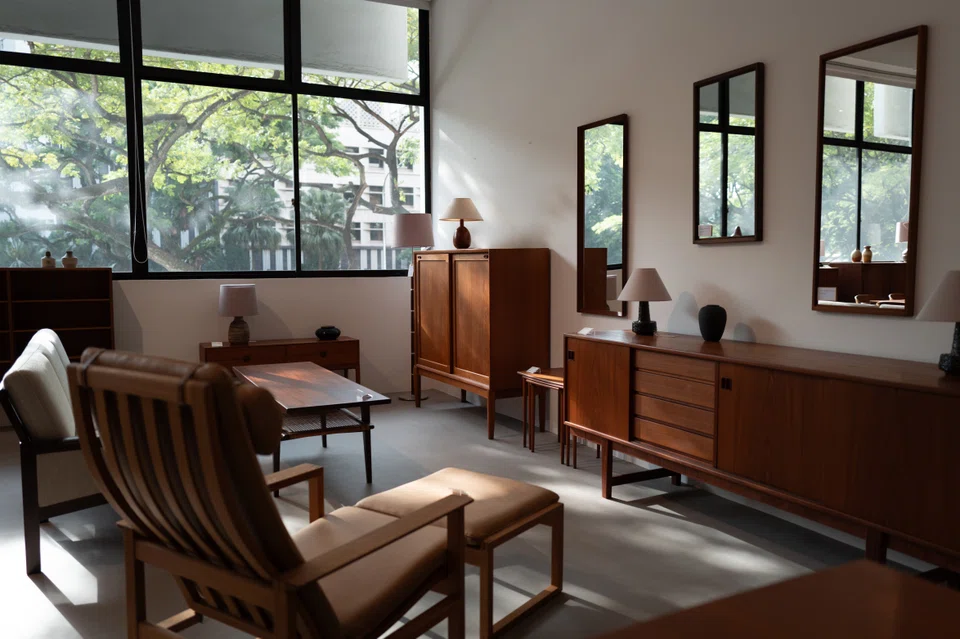
Trend-wise, Italian brands have traditionally dominated the luxury market, but of late, more buyers are gravitating towards Scandinavian designs over the years, especially pieces designed between the 50s and 70s.
Tawan Conchonnet, the co-founder of vintage Scandinavian furniture store Noden shares that the shop has seen growing interest since it opened in 2013 at Henderson Road.
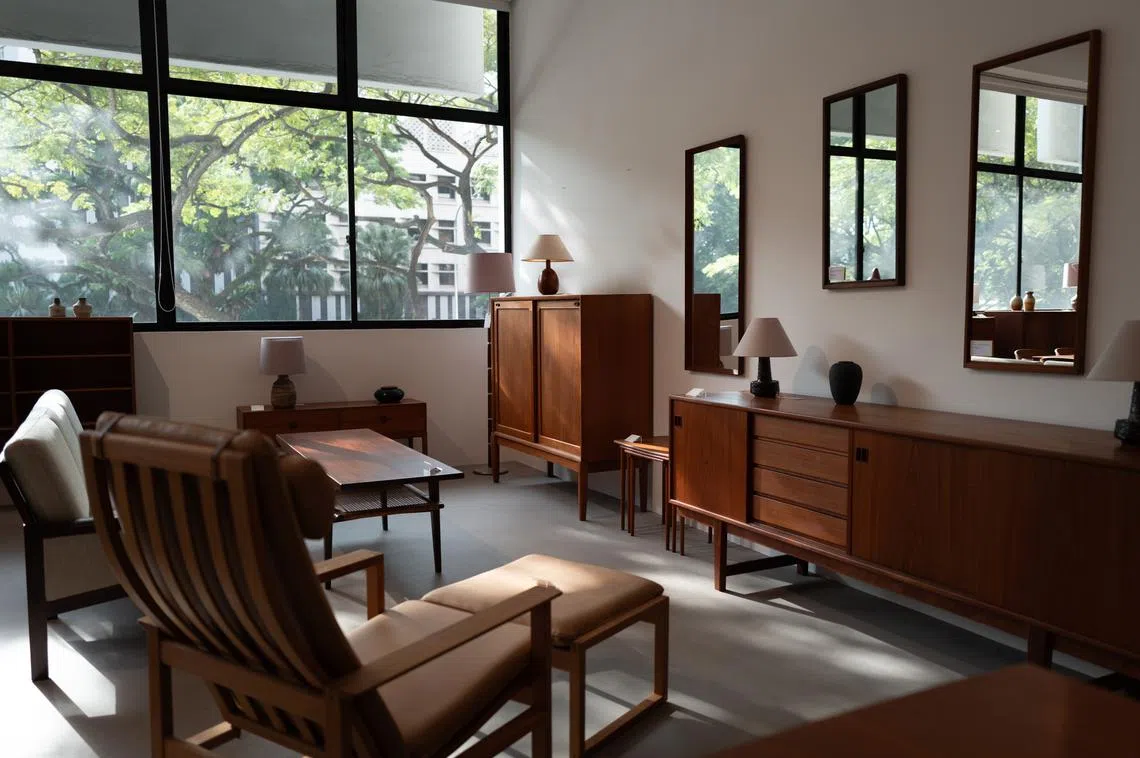
Homeowners do not baulk at paying for its well-restored hand-me-downs, which range from S$2,500 to $15,000 for sofas, or S$600 to $5,000 for coffee tables. Customers include architects, collectors and homeowners seeking “iconic pieces that are considered important collectible works of art and design today”, describes Conchonnet. Buying vintage also embodies a more sustainable approach to furnishing – a popular notion today for many house-proud buyers.
Honouring authenticity
The general awareness of good design means better-furnished homes. But the flip side is a thriving market for look-alikes. “Fakes and copies will always be there, and will be tempting to those who can’t afford the originals, as well as those who can afford them but choose not to purchase because they do not subscribe to the value of buying originals. There are also others who bought pieces not knowing that they’re fakes,” says Xtra’s Lim.
It is a difficult situation to remedy, but he is unfazed. “In any case, we are basically catering to those who do not want to buy fakes, regardless of their cost differences. They value the authenticity, quality and warranty of the originals. The market has matured over the years and today, the attitude of buying originals is much more ingrained than, say, 20 years ago.”
Decoding Asia newsletter: your guide to navigating Asia in a new global order. Sign up here to get Decoding Asia newsletter. Delivered to your inbox. Free.
Share with us your feedback on BT's products and services
TRENDING NOW

If Europe goes to war, the fallout will be felt in East Asia

Indonesia stocks suffer worst plunge in nearly 30 years as MSCI proposes standalone status
Markets can absorb current yields which are still ‘pretty normal’, says Franklin Templeton CEO

Vietnam’s race for growth tests pace of energy transition: experts

