

Singapore playing at the World Cup should be more than just a pipe dream
One possibility is for South-east Asian governments to explore a joint bid to host the 2038 edition
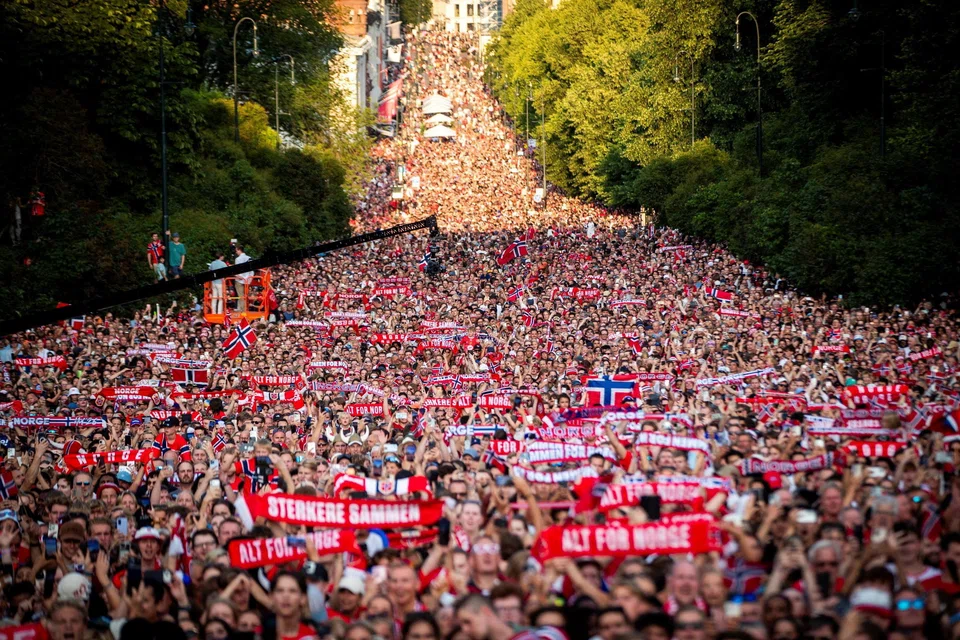
[SINGAPORE] Whenever the Fifa World Cup comes around, the question about whether Singapore will ever have the opportunity to compete in the quadrennial tournament inevitably surfaces.
Singapore, of course, has never qualified for football’s grandest tournament, although many fans and the country’s policymakers and sports authorities continue to harbour ambitions of somehow seeing the Lions play at the World Cup Finals one day.
After all, if fellow tiny nations such as Cape Verde and Curacao can qualify, then why not Singapore? Even Iceland, with a population of about an eighth of Singapore, has produced a team that has reached the World Cup finals before, in 2018.
If population is a key factor, then some have pointed out that Singapore – with some 3.2 million citizens – should be able to form a squad of 25 to 30 players that can compete with the very best.
One way to improve standards is to attract foreign talent and grant them citizenship.
France is one example of a success story. They won the World Cup on home soil in 1998 with a strong squad that contained several overseas-born players like Patrick Vieira and Marcel Desailly who were born elsewhere and granted citizenship.
Singapore has tried to do likewise over the years with limited success, as many of the foreign-born players were far from reaching anywhere near world-class standards.
With Fifa president Gianni Infantino suggesting that the next edition of the World Cup in 2030 could be expanded from 48 to 64 teams, countries like Singapore and others that have never participated previously may have a greater chance of doing so.
But first, let’s stop with all the comparisons with the likes of Cape Verde, Iceland and Norway, and accept the fact that any country that does not have a serious sports culture will never have any realistic hope of playing at the World Cup.

Yes, there have been some positive signs for Singapore football of late. There’s the Unleash the Roar project, a national initiative by the Football Association of Singapore (FAS) that aims to revitalise and improve Singapore football, including an aim for Singapore to qualify for the World Cup by 2034.
Billionaire entrepreneur Forrest Li has thrown his full support behind Singapore football. As the current FAS president, he has pledged S$50 million to enhance the long-term development of the sport here.
And let’s not forget that the Lions themselves have written their way into the history books with a first-ever qualification on merit for the next Asian Cup, which will be held in Saudi Arabia in January 2027.
Joint bid
One way that Singapore and the rest of South-east Asia should seriously look at, however, is if a group of countries could join forces and launch a joint bid to host the 2038 World Cup (the hosts for 2030 and 2034 have already been decided).
Around the region, Indonesia – which qualified for the 1938 World Cup as the Dutch East Indies – came the closest to making it to the 2026 competition. Thailand is currently the highest-ranked South-east Asian nation at 94th position in the Fifa rankings.
Since the first World Cup in 1930 took place in Uruguay with 13 teams, East Asia has staged the event only once – in Japan and South Korea in 2002.
South-east Asian governments should get together and discuss a bid to have five or six countries, including Singapore, be World Cup hosts.
In the bid, at least two slots should be set aside for South-east Asia (if there are 48 teams in total), or three if the field is expanded to 64 teams.
Singapore has won the Asean Championship on four occasions, though they have yet to deliver a first gold medal at the Southeast Asian Games in nearly 70 years.
A lot of work must go into giving FAS and the national team enough time to form a squad of decent players, including top-class foreign talent, and aim for that spot in the 2038 World Cup.
And if Singapore fails to reach that goal, at least give football fans the next best thing, which would be to stage some matches at the National Stadium.
As Infantino himself declared: “When you organise a World Cup, it’s important that you organise it for the whole world…every nation should be able to dream of taking part in the World Cup.”
That should give FAS plenty of food for thought as it contemplates its next move.
Decoding Asia newsletter: your guide to navigating Asia in a new global order. Sign up here to get Decoding Asia newsletter. Delivered to your inbox. Free.
Share with us your feedback on BT's products and services
TRENDING NOW

DBS, OCBC, UOB rout lops billions off STI as inflation, rate concerns spook investors

Grab CEO’s wife Chloe Tong on life with Anthony Tan and finding her purpose

OCBC sheds S$8 billion in value as shares close nearly 6% down; analysts cautious on banks

Deal between tycoon friends sparks scrutiny of Philippine power sector

