

Singapore’s fine-dining scene in dire straits; more closures expected before year end
Poor market conditions are forcing operators to cut losses or pivot to survive
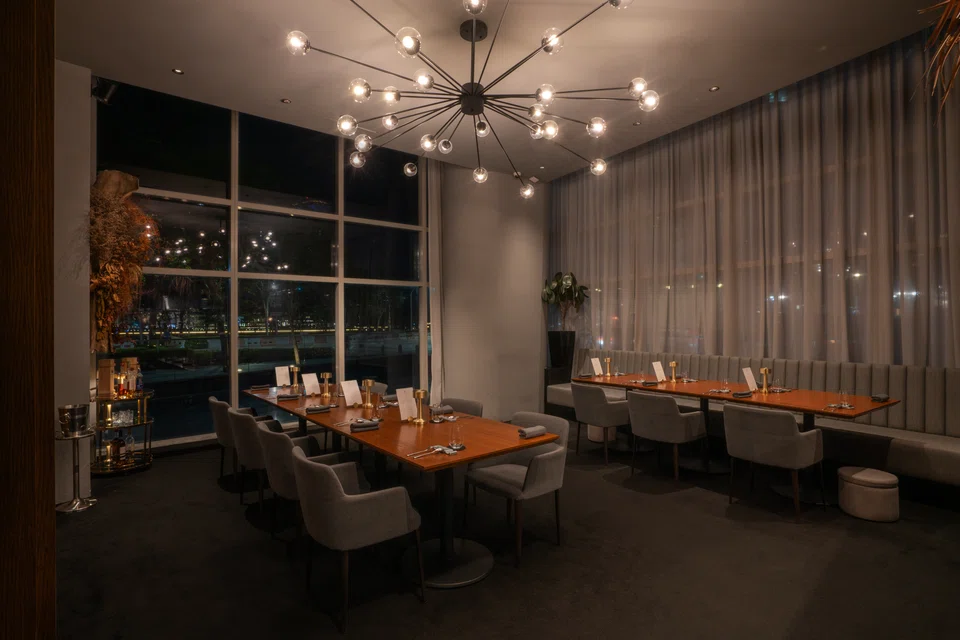
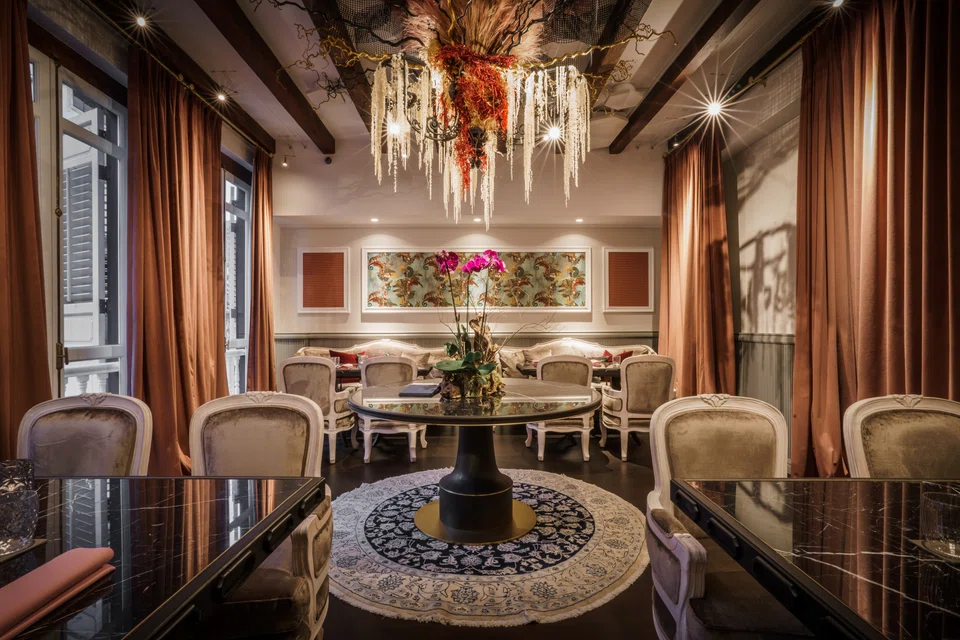
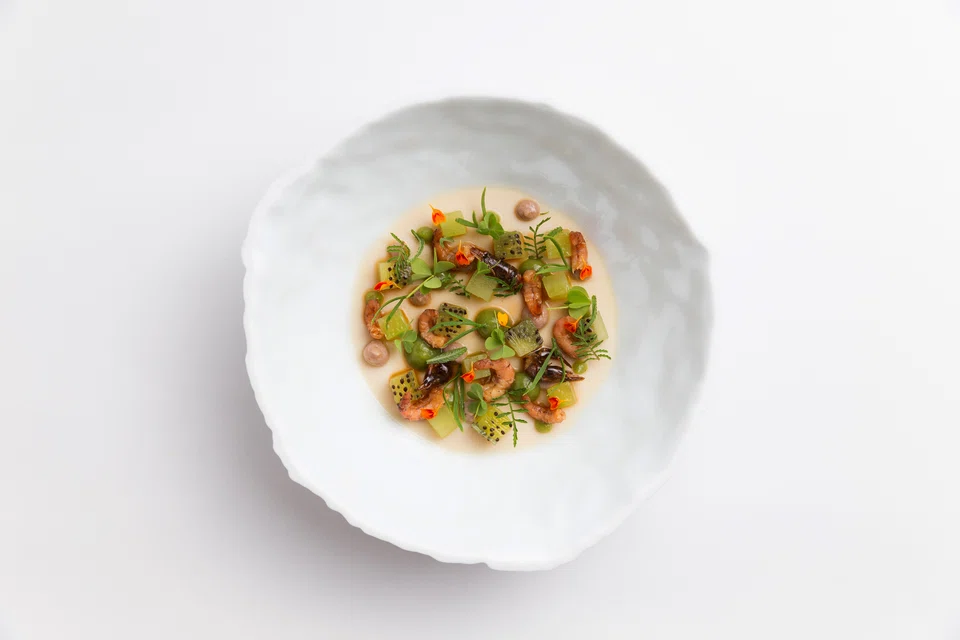
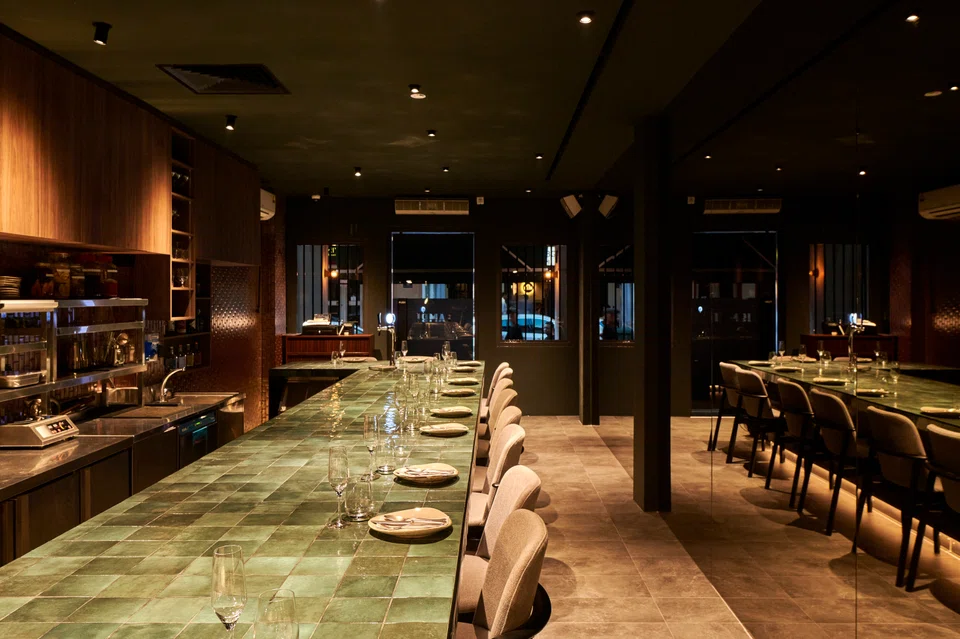
BY OCTOBER, one-Michelin-starred Sommer will be no more. Former star Beni recently shuttered without a word. Popular fine-dining favourite Voyage is also set to close at the end of December. Longstanding Bam! Restaurant served its last meal on Aug 15. They are just the latest stark reminders that talented chefs and pedigree are no longer a match for the wallet that rules them all – the increasingly cost-conscious consumer.
They follow a list of Michelin-star closures announced in the last six months that include La Dame de Pic, Braci, Table65 and Chef Kang’s. While the non-renewal of leases is among the reasons cited for closure, the rate at which restaurants are calling it quits is a clear sign that the malaise felt in the fine-dining industry since 2023 is escalating into what one restaurateur calls “a purge that has only just begun”.
Market challenges
Sommer will close on Oct 26, when its lease runs out after four years. “We’ve done all we can with Sommer and we want to focus on brands with good growth opportunities,” says Lim Kian Chun, co-founder and chief executive officer of Ebb & Flow, which also closed its Tigerlily Patisserie in April this year.
The group also operates Chin Mee Chin and one-starred-restaurant Willow, both of which are doing “really well”, adds Lim. It also recently added casual pizza restaurant Casa Vostra to its stable, which has been drawing queues thanks to its link to the popular Joo Chiat pizzeria La Bottega Enoteca.
Sommer’s head chef Lewis Barker continues to stay within the group, “but the honest truth is that we don’t know what we’ll be doing yet”, says Lim. “We have ideas but they’re in the development phase and are heavily dependent on market conditions.”
His thoughts echo those of other chefs and restaurateurs grappling with decisions about whether to try and ride out the storm, cut their losses and back out completely, or recalibrate their business model into something with lower risk and operating cost.
There are plenty of challenges stacked against them: the strong Singapore dollar driving local diners overseas, fewer tourists compensating for them, revenue drops of 30 to 40 per cent on average, weaker corporate spending, high operating costs, and manpower issues. Fine dining is becoming untenable, particularly among independent players without strong financial backing.
Singapore too expensive to operate in
Jonathan Koh, chef-owner of the fine-dining restaurant Voyage that started out as a patisserie and morphed into the favourite haunt of wealthy Indonesians and other Asian expats, has pretty much given up on doing business in Singapore.
When the lease of his Outram Road restaurant ends in December, Koh plans to pack his bags to open a new restaurant in Vietnam, which he feels has more opportunities as a developing country.



“Inflation (in Singapore) is at a pretty drastic level, interest rates don’t look like they’re coming down till next year, and even some high-profile bankers I’ve spoken to warn of a recession,” he says.
“Singaporeans are just not spending here. They’d rather eat in Japan, and you can’t blame them. With the rise in GST, it’s very expensive to eat here because you’re adding almost 20 per cent to your bill each time. And manpower quotas are causing a really big problem.”
He adds that restaurant prices in Singapore aren’t high “because we want to charge a lot”. In fact, “if you look at it from a chef’s perspective, given the high cost of ingredients, it’s good value because we don’t make much”.
He cites the three-Michelin-starred Les Amis as an example. “When you see the amount of food they give you, (such as) the caviar, yes, it’s expensive but it’s good value. Compare that to, say Robuchon in Macau, where it costs S$600 for lunch per head, and it’s full house.”
Although some new investors have approached him and his landlord did offer to renew his lease, Koh declined, as he feels the market is the worst it’s been since Covid. In fact, he even thrived during the pandemic thanks to his captive market of expats; but once the travel floodgates opened, many left, leaving a big impact on his business.
Not just Singapore
“We have hospitality and F&B businesses overseas, too, so this is not a Singapore phenomenon,” says Loh Lik Peng of Unlisted Collection. “All markets that we operate in are in the same boat. Consumers have less money to spend. I think central banks globally have been doing their best to tamp down demand and inflation, and it’s working.”
He adds: “This is cyclical. When the cycle reverses, people will spend again. I have been through too many such cycles to think otherwise. If you read the news, you will see that markets like China, Australia, the UK and Europe are in a worse state than Singapore, and the US is now heading in the same direction after defying the headwinds for the last two years.”
There are also fundamental factors affecting the medium-term outlook, namely “the excess supply of new openings in the last two years, although this is currently unwinding itself with more recent closures given the tough business climate”, notes a spokesperson for the Les Amis Group, which itself has undergone extensive recalibration in the past year to streamline its operations.
“We have shut several loss-making concepts, and moved outlets in poorer locations to stronger ones (such as moving its Sushi Jin outlet from One Farrer to Shaw Centre), rebranded and tweaked existing concepts,” adds the spokesperson. “We are in a stronger position today than we were a year ago. We’re looking to start growing again next year.”
The Michelin impact
Loh agrees that the one-Michelin-star market has become “incredibly competitive and having one star probably has less impact now than five or six years ago”. Two- and three-star restaurants have “a bigger cushion because there are fewer of them and they cater to a more resilient market”, he adds.
The three-starred Zen, which is a part of Unlisted Collection, for example, “had some challenges earlier in the year but with a new team and restaurant refresh, I can see things improving month on month”.
Mano Thevar of his namesake restaurant notes that while business has been the slowest since Covid, with a drop of 20 to 30 per cent, having two Michelin stars still puts him on the radar, especially for tourists. “When we ask them how they know about us, they say it’s because we’re the only two-starred Indian restaurant in Singapore.”
The recognition helps him to get new business even as he sees less of his regular expat clients, who now spend more time in cheaper destinations such as Bali or Thailand, where rent is cheaper and they can work remotely.
Still, being a newly minted star can boost a struggling restaurant such as Chaleur, says chef-owner Masahiko Kawano. Business grew by 20 to 25 per cent in the first month after the Michelin awards in July, and has tapered off somewhat since then, but it is still in a positive position, he adds.
Finding the sweet spot in pricing
Price is a key deciding factor for diners, points out Thevar, who sees more customers going for his shorter S$278 menu than the full S$328 course. At the same time, there’s a drop in the mid-market segment as diners gravitate towards either lower-priced restaurants or the higher-level eateries, but not in between.
His casual eatery Tambi has felt the brunt of this, as an average spend of S$100 per head seems to be too high for the budget diner, while those with bigger budgets would rather pay more for something less casual.
But when you get the pricing right, it could mean a change in fortunes, as chef-owner Yohhei Sasaki of the Japanese-Italian restaurant La D’Oro experienced.
Originally eyeing a Michelin star with high-end omakase menus, Sasaki gave up his aspirations and switched to a casual tapas-style concept this month that is now seeing more buzz, he says.
With S$38 set lunches and friendly a la carte pricing, he’s now able to do more with fewer staff, and is bringing in more revenue than when La D’Oro leaned towards more complicated dining.
Reading the market
There are just too many fine-dining restaurants and the ongoing “purge” is painful but inevitable, says Rishi Naleendra of the two-starred Cloudstreet and Kotuwa. He started taking steps last year to rein in costs in preparation for the worst. “But there’s really little we can do about it.”
He started to see things going south starting from Christmas last year, and notes how Cloudstreet used to be booked months ahead of Formula 1, “but that’s not really happening now”. On top of that, tourists are not coming and corporate spending has plunged.
“Finding staff is a nightmare,” he adds. “There are too many restaurants and not enough staff. And we are competing with hotels, which is a killer.”
Once the market weeds out the weaker players, there will be fewer players and stronger ones, which would lay the groundwork for a more optimistic 2025, says the Les Amis spokesperson.
Decoding Asia newsletter: your guide to navigating Asia in a new global order. Sign up here to get Decoding Asia newsletter. Delivered to your inbox. Free.
Copyright SPH Media. All rights reserved.
TRENDING NOW

Once staunchly pro-China, Malaysian Chinese businesses are now distancing themselves from Beijing

Looking beyond looming CEO succession, should UOB potentially pursue a transformative merger?

Could stablecoins be the future of money?

Grab CEO’s wife Chloe Tong on life with Anthony Tan and finding her purpose

