

Singapore’s food and hawker culture take to the stage
The city’s favourite dishes are powering new plays about who we are

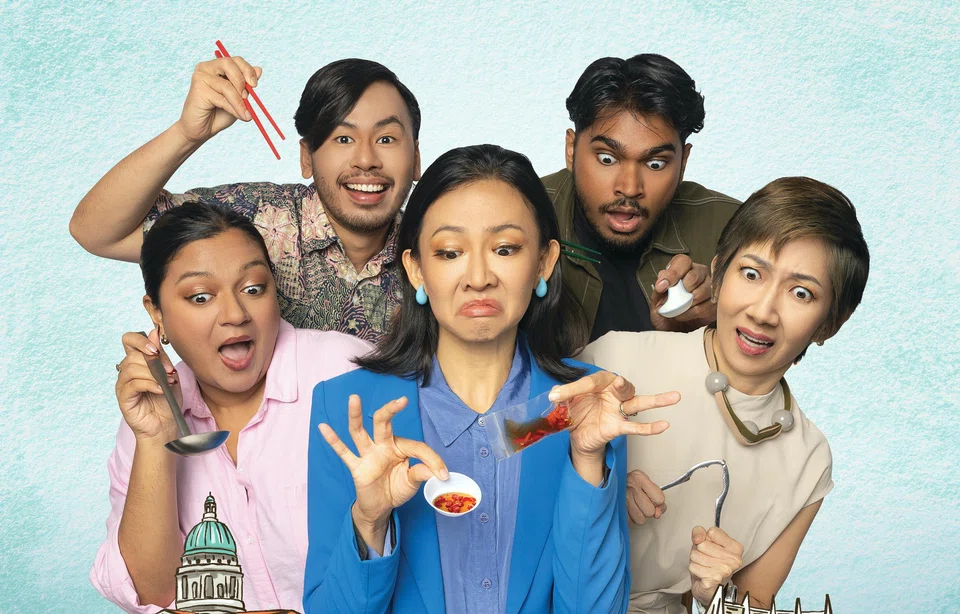
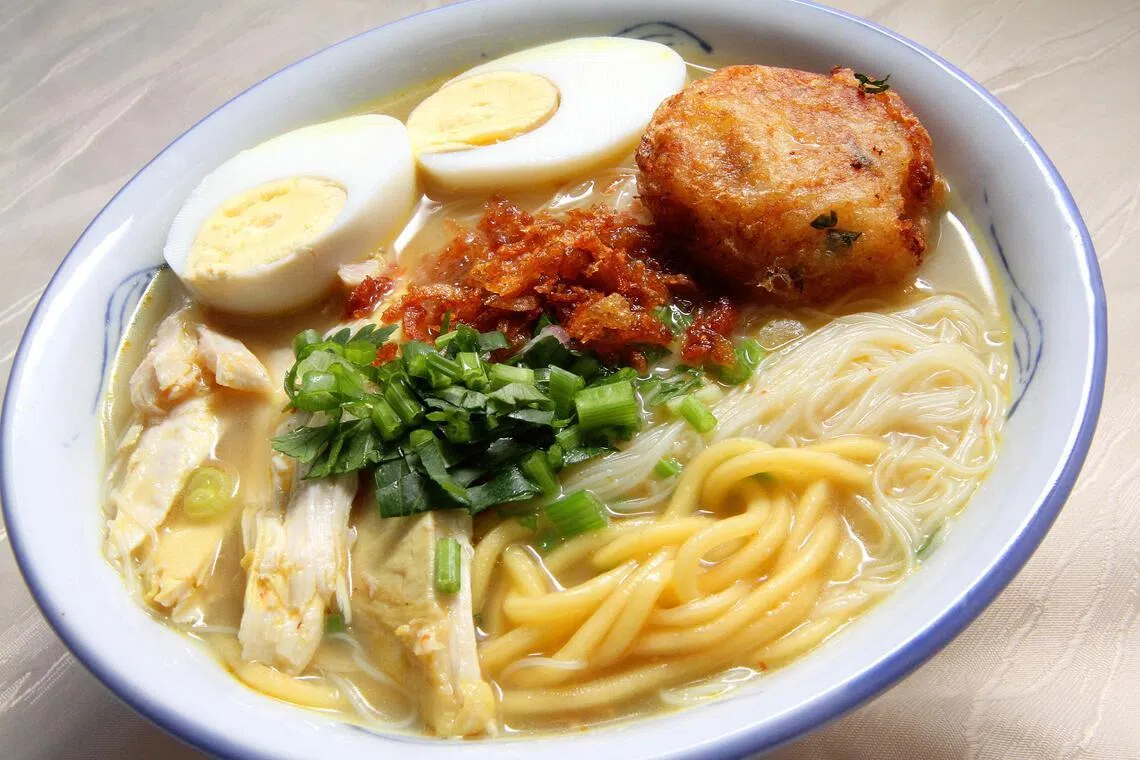
[SINGAPORE] Mee soto. Rojak. Hotpot. Vadai. Laksa. Kaya toast. Kacang pool. Chicken rice. Prata.
If you’re hungry – not just for food, but also stories – Singapore’s popular dishes are now the inspiration behind a new wave of plays that turn meals into theatre.
First, there’s All You Can Eat, a lively showcase by Wild Rice featuring 10 short plays by 10 playwrights centred on food.
Then, there’s Makan Culture, an immersive production at the Singapore International Festival of Arts (Sifa) that invites audiences to eat during the performance itself.
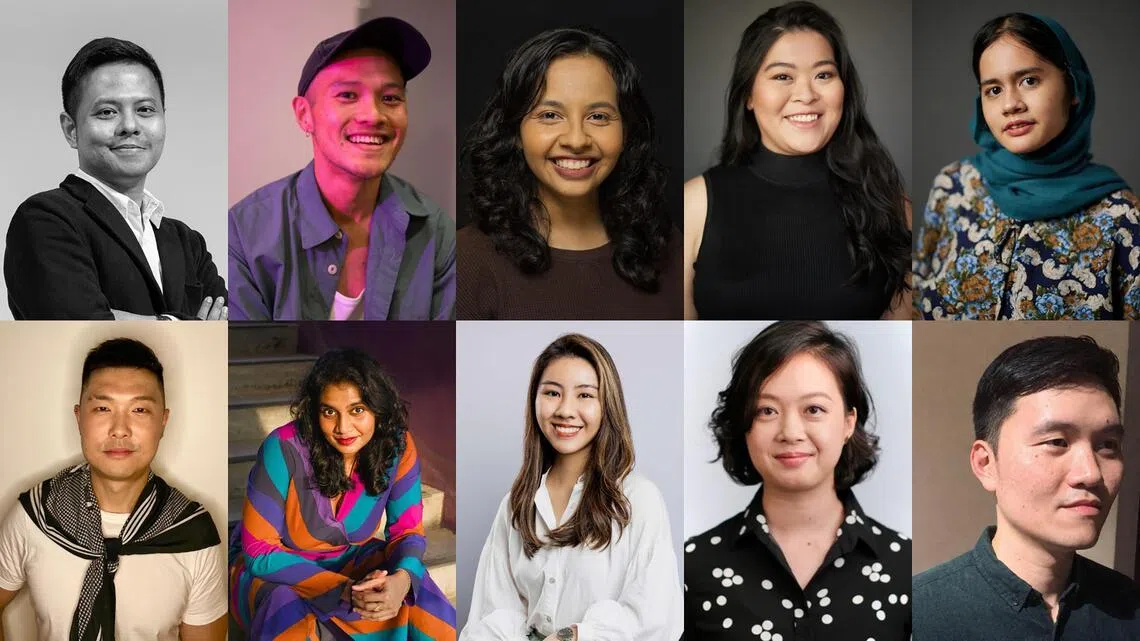
All You Can Eat is bookended by works from acclaimed playwrights Alfian Sa’at and Joel Tan. But in between are eight short, sharp 10-minute plays by young writers finding fresh, inventive ways to tell stories about food, relationships and everyday life.
One of them is Mee Soto written by Alia Alkaff, where a family squabble over a mee soto meal quickly turns surreal, with ingredients springing to life and breaking into dance. It’s playful and chaotic – but not without bite.
“I hope the audience remembers that in every household, there’s a person responsible for making the food that everyone else eats – but that effort and time are often taken for granted,” Alia says.
Alongside it is Hotpot by Rachael Ng, where a young woman who chooses to eat hotpot alone on her birthday finds herself increasingly overwhelmed by a team of well-meaning servers who are determined to cheer her up.
“I kept thinking about my own discomfort with eating alone – especially hotpot, which is meant to be shared. It made me want to explore a kind of urban loneliness that is common, but rarely talked about,” Ng says.


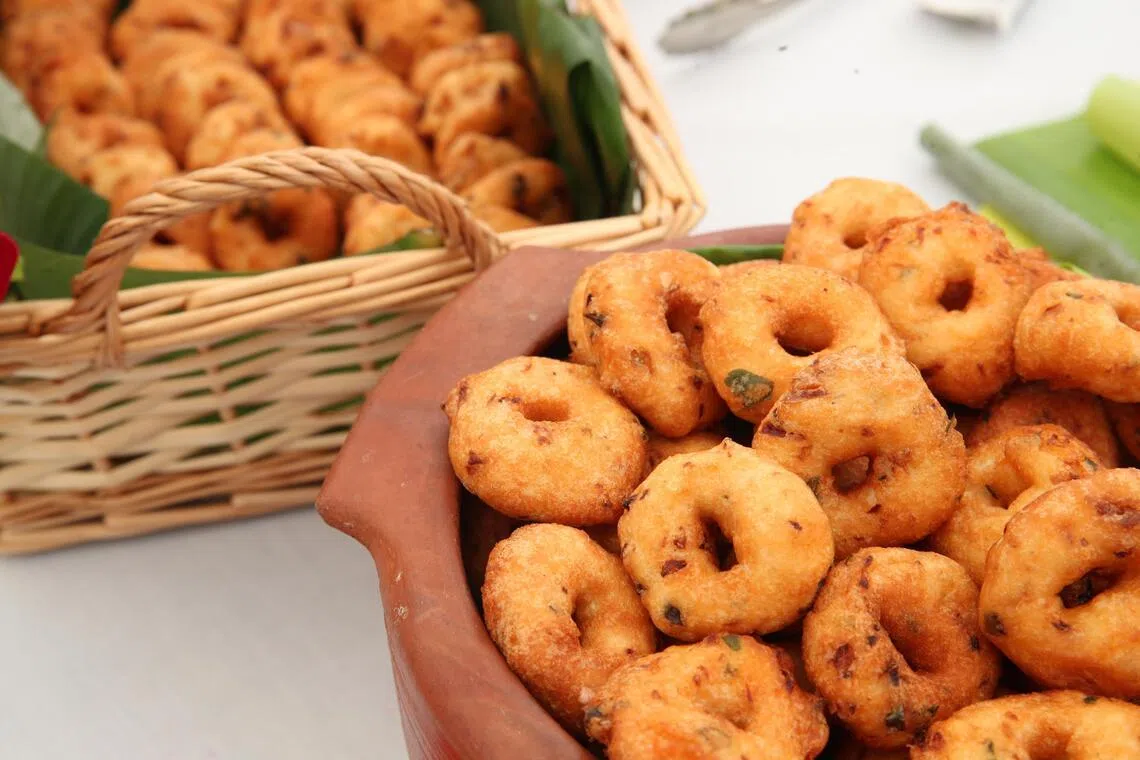
Also among the 10 plays is Vadai by Melizarani T Selva, which zooms in on the popular snack, vadai, and follows two rival stallholders competing for customers. But what begins as a culinary turf war soon unfolds into a reflection on migration, heritage and identity.
Selva, who splits her time between Singapore and Malaysia, is fascinated by the rivalry between the two countries. She says: “There are often debates about which food belongs to whom. But if you pay close attention to it, you’re really seeing two nations fighting for their relationship with food.
“It’s patriotic, it’s beautiful. It’s people wanting to have a stake in their historical relationship with a dish… Isn’t that so wonderfully human?”
All the plays in All You Can Eat are dramaturged by Alfian and Joel Tan, directed by Edith Podesta, and performed by Wild Rice’s Young & Wild ensemble.
Eat while you watch
Over at Sifa, Makan Culture offers something a little different: not quite theatre, not quite dinner – but a lively collision of both.
Conceived as an outdoor, semi-sheltered dining experience, the show invites up to 50 people to sit at hawker-style tables, share local dishes, interact with the actors, and become part of the performance itself.
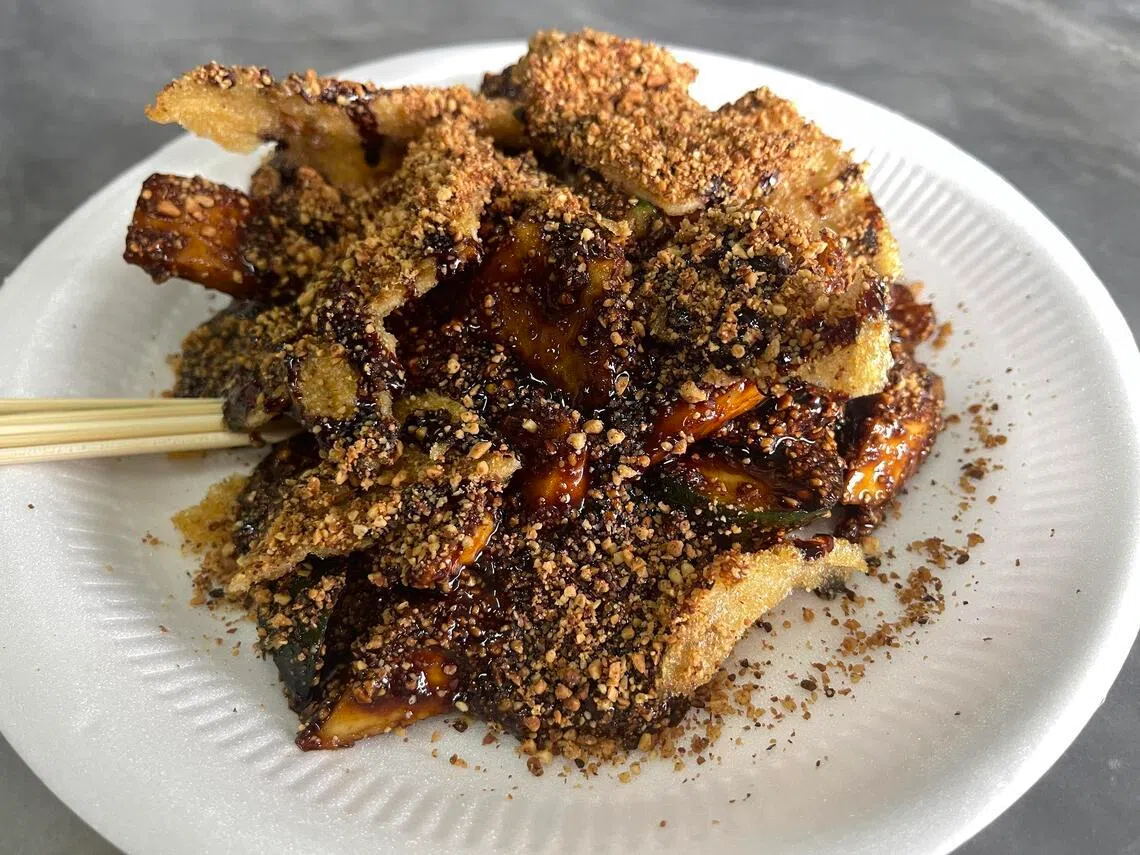
Written by Jo Tan and directed by Krish Natarajan, the piece begins simply enough: an entertainer attempts to stage a community-style dinner theatre. But the premise quickly unravels when a snobbish culture critic interrupts, challenging the idea of what counts as “good” culture.
From there, the show opens into a participatory debate, with audiences invited to weigh in, share opinions, and even step into the action. Jo Tan explains: “It’s not whether chicken rice or nasi biryani is better. Rather, it’s a candid discussion about what gives value to culture.”
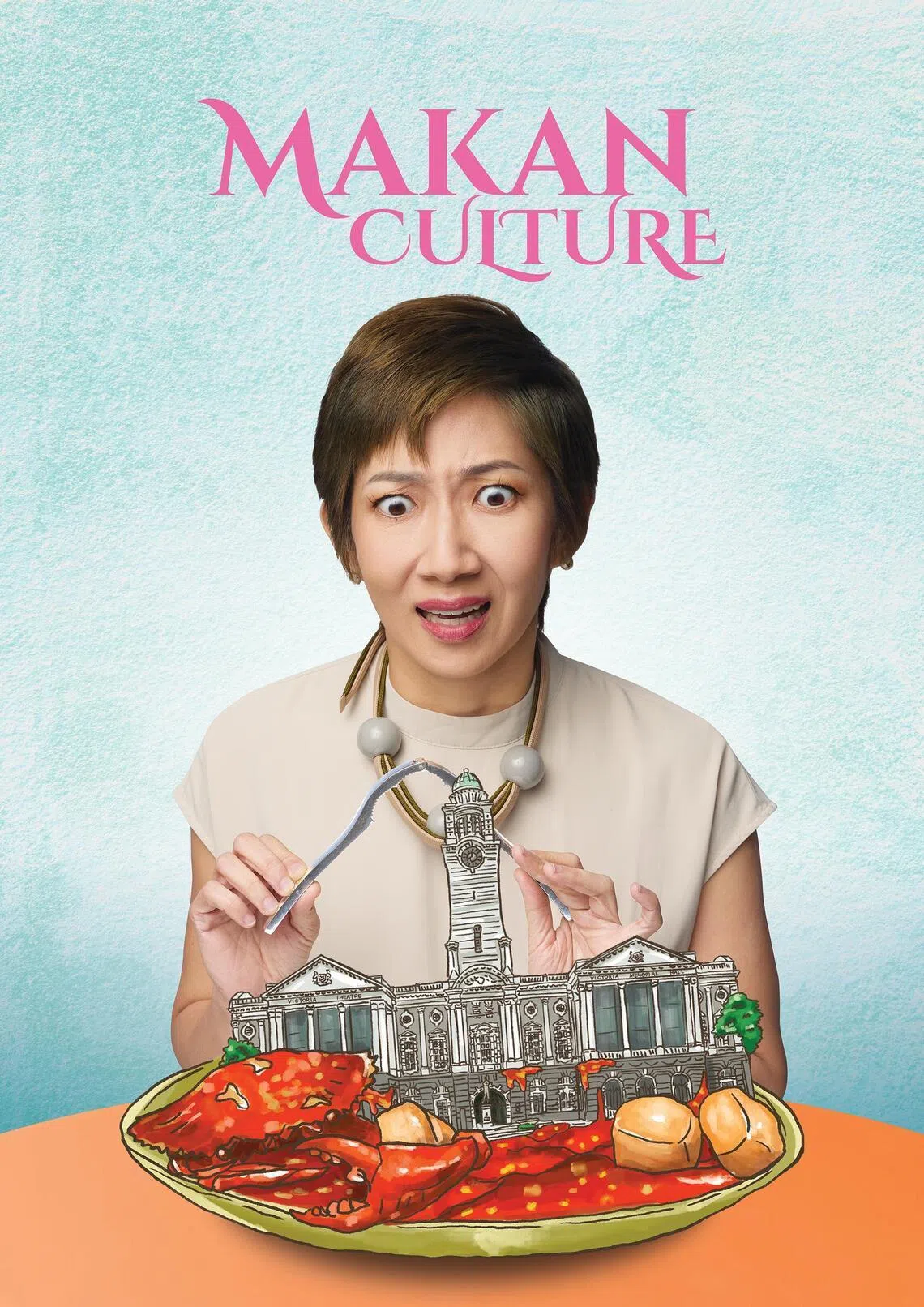
Jo Tan was interested in the contrast between high-end dinner theatre (which she has created in the past) and Singapore’s everyday food culture.
“Can we take this concept of a luxurious dinner theatre and put it in a field where we eat hawker food? Does that devalue the experience and make it less ‘cultural’?” she asks.
The answer, it seems, is deliberately unresolved, as Makan Culture turns the spotlight back on the audience. Throughout the performance, diners are prompted to respond: What do you expect from Singapore culture? What feels “classy”, and who gets to decide?
Ultimately, Jo Tan says, food resists neat definitions of value. What matters is not whether a meal is served in a white-tablecloth setting or at a plastic table under a tent – but what it creates between people.
Because in Singapore, as she points out, food often says what words cannot. “Your mother may not know how to say, ‘I’ve missed you’,” she says. “But she will say, ‘You makan already?’”
In a country that loves food, that simple question may be the most honest expression of culture there is.
All You Can Eat by Wild Rice runs from May 14 to 17. Tickets from wildrice.com.sg. Makan Culture runs for three weekends from May 15 to 30. Tickets from sifa.sg
Decoding Asia newsletter: your guide to navigating Asia in a new global order. Sign up here to get Decoding Asia newsletter. Delivered to your inbox. Free.
Copyright SPH Media. All rights reserved.
TRENDING NOW

DBS, OCBC, UOB rout lops billions off STI as inflation, rate concerns spook investors

Grab CEO’s wife Chloe Tong on life with Anthony Tan and finding her purpose

OCBC sheds S$8 billion in value as shares close nearly 6% down; analysts cautious on banks

Deal between tycoon friends sparks scrutiny of Philippine power sector

