

Singapore’s history on his sleeves
Retail consultant Cary Cheng says you can relive the country’s past through its fashion

Tay Suan Chiang
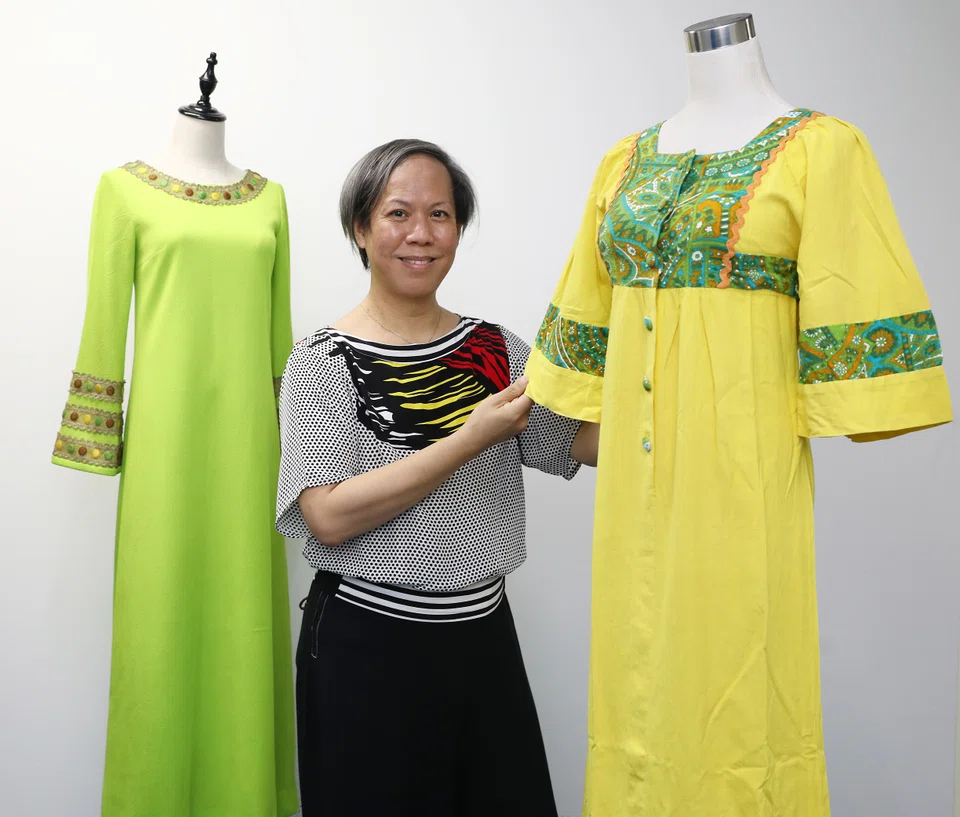
YOU could say that vintage runs in the blood of retail consultant Cary Cheng. In the 2000s, Cheng ran Glamour Inc., a revolving showroom showcasing emerging British and European fashion designers and as well as vintage wear in between seasons.
Glamour Inc is no longer around, but Cheng still has a large collection of vintage wear that he has amassed over the years.
Some were collected from Cheng’s early days in the retail industry, when he was working at the now-defunct Glamourette, one of the first local retailers to bring in high-end European labels since the 1950s.
There were others that were contributed to him from private collectors and vendors, when he had approached them to clear their wardrobes of unwanted pieces.
But regardless of where they come from, Cheng is fond of them all. He has even sourced vintage pieces for museums and says, “You can tell the history of a nation, through the clothes that its people wore over the years.”
Having amassed too many pieces to keep at home, Cheng has been renting a storage space in Redhill to house his collection. Besides clothes, there are also platform shoes that were popular in the 1960s, fabrics, display torsos, buttons and trims
One of Cheng’s favourite pieces is a lime-green dress from Glamourette, with jewel-like embellishments around the neckline and on the sleeves.
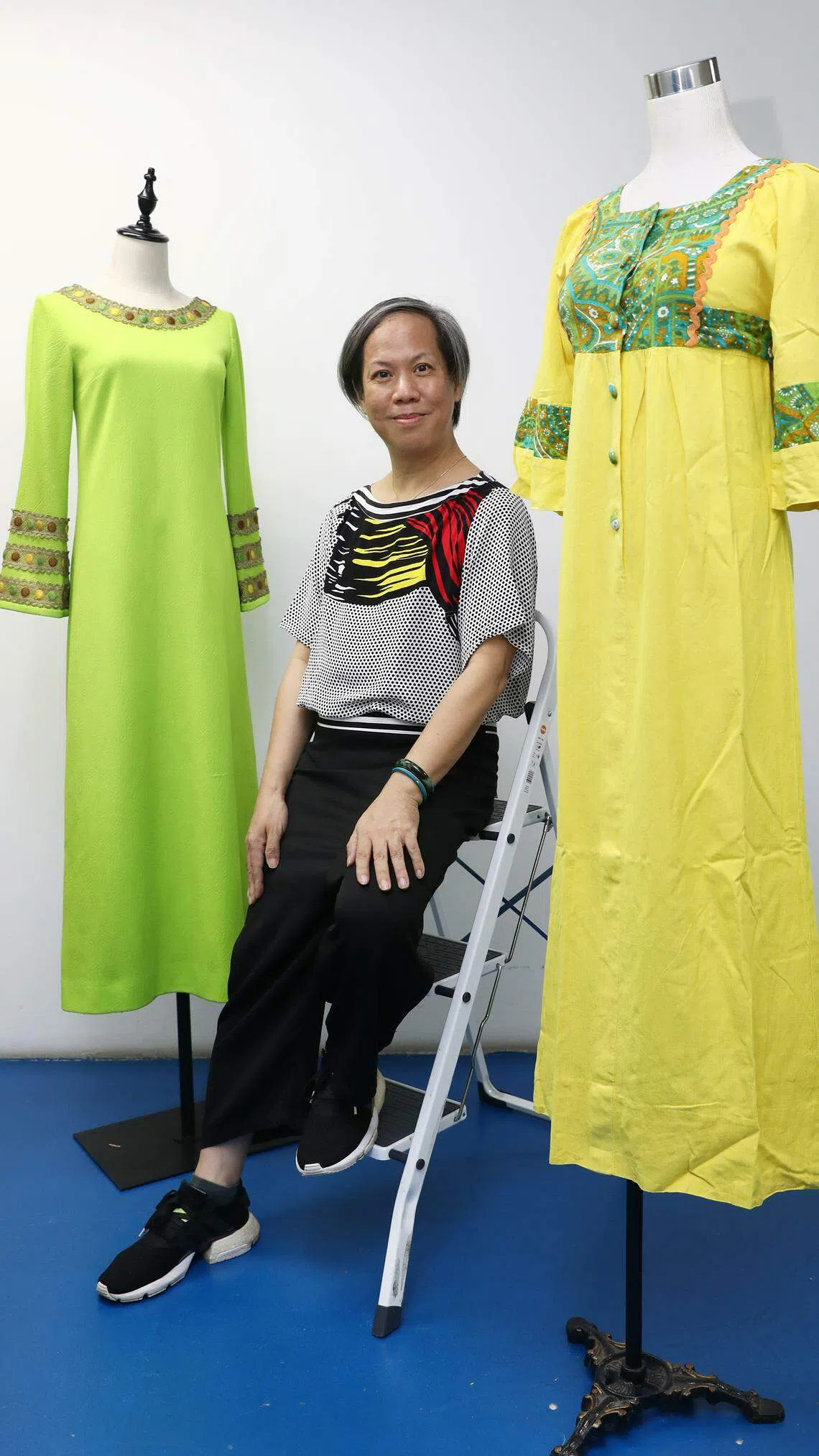
“This was inspired by the movie Cleopatra,” Cheng says. He also points out the label at the back of the dress - the address of the boutique is also listed. “You no longer see such details on labels these days,” Cheng says. Glamourette was located above the former Fitzpatrick supermarket, where Paragon now stands.
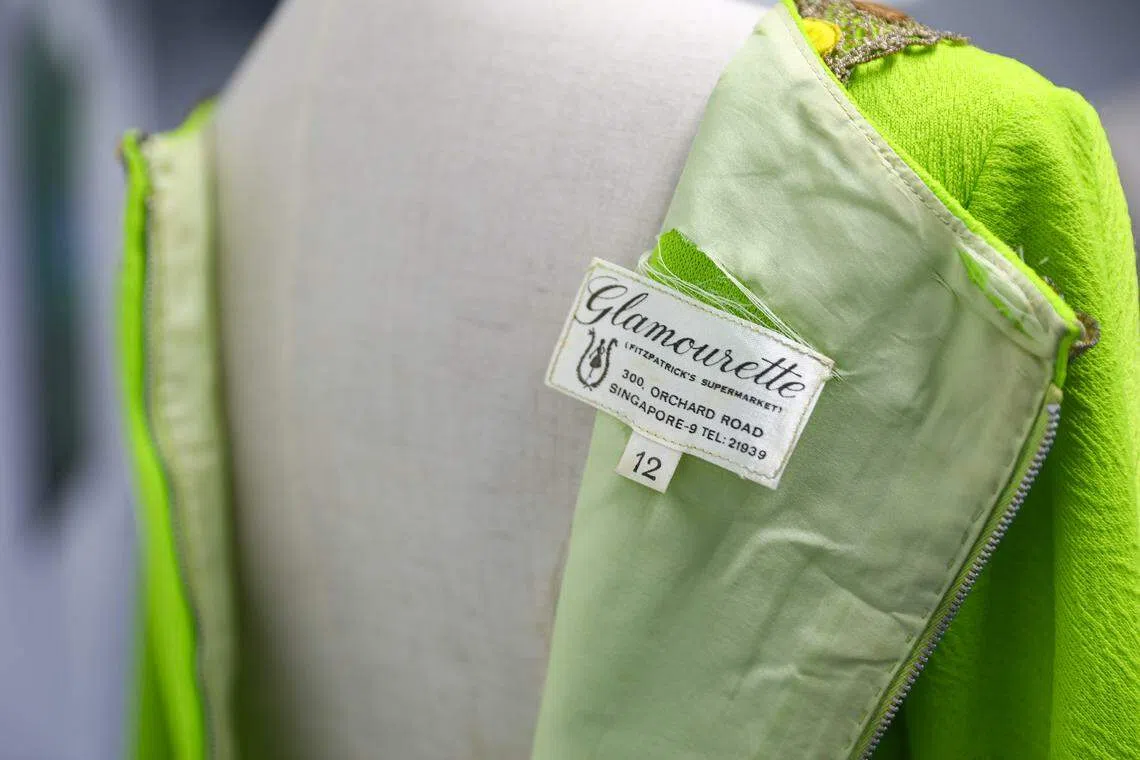
The dress was made in the 1960s and the lining is torn but Cheng has no wish to get it fixed. “It would be just another dress after that, which is not what I want,” he says.
SEE ALSO

Some other vintage pieces were designed and handsewn by seamstresses who operated from their homes. Vintage pieces tend to be handsewn individually; a tell-tale sign is the buttonholes which come with subtle differences. “That’s the charm of a vintage piece,” says Cheng.
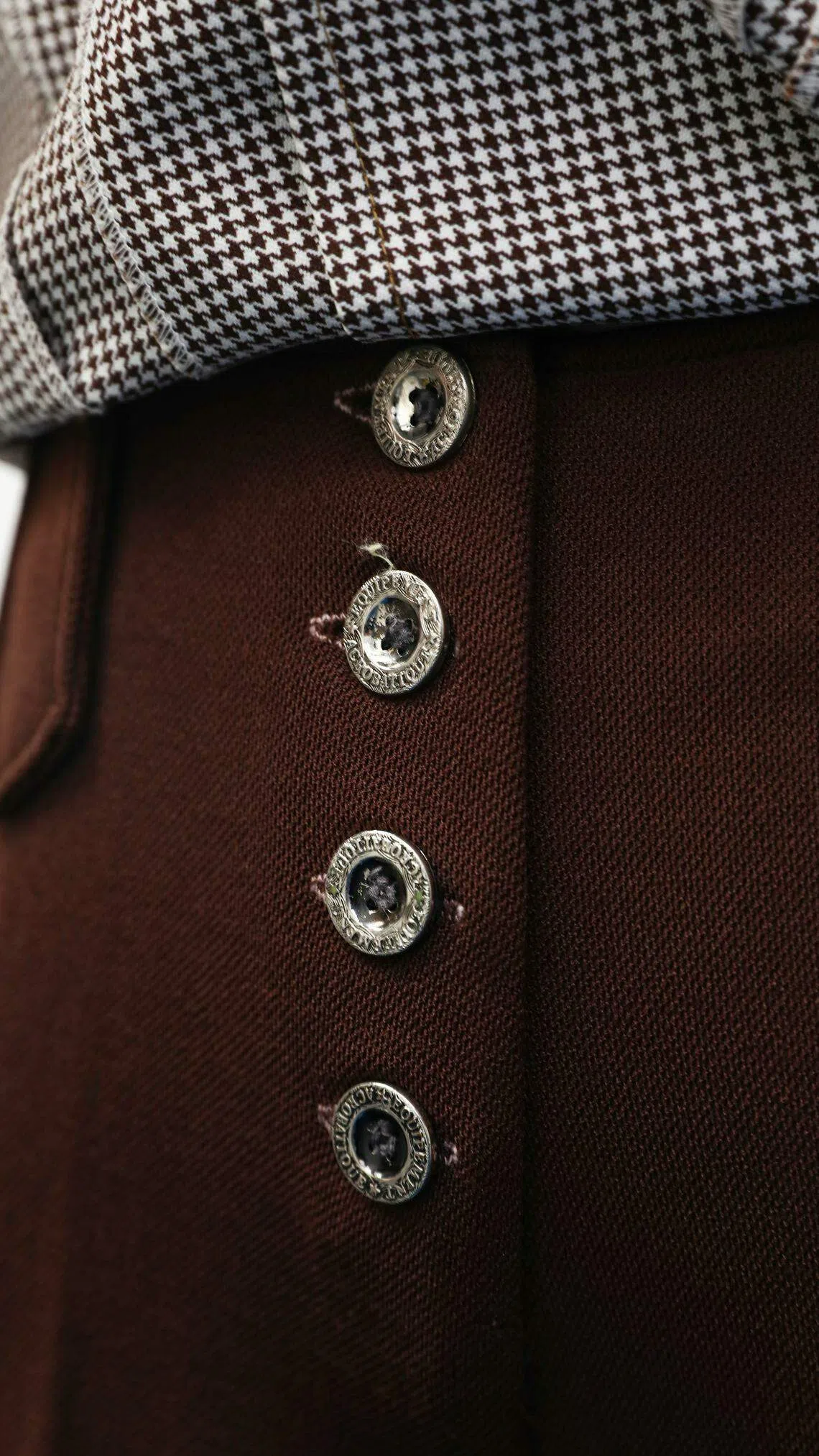
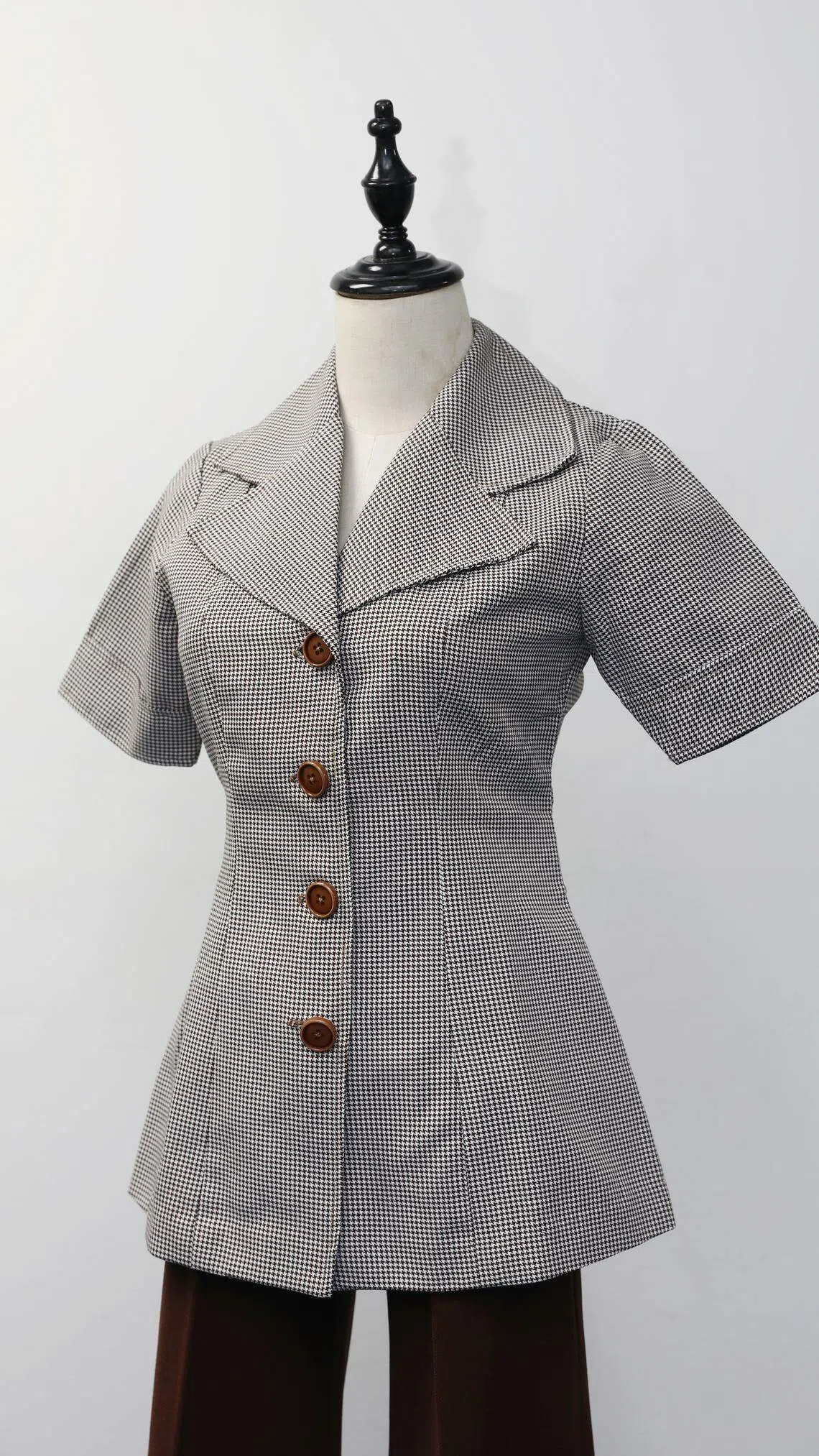
He has other pieces that were made by smaller tailors, such as a hounds tooth jacket from Kam Hong. Cheng says the jacket was inspired by European fashion, but designed with short sleeves to suit Singapore’s tropical climate. “More women started coming out to work during the 1950s and 1960s, so they needed workwear,” says Cheng.
There are also pants, such as one with four different colour blocks. Cheng points out the small waist and says, “you can tell how slim the women were back then”.
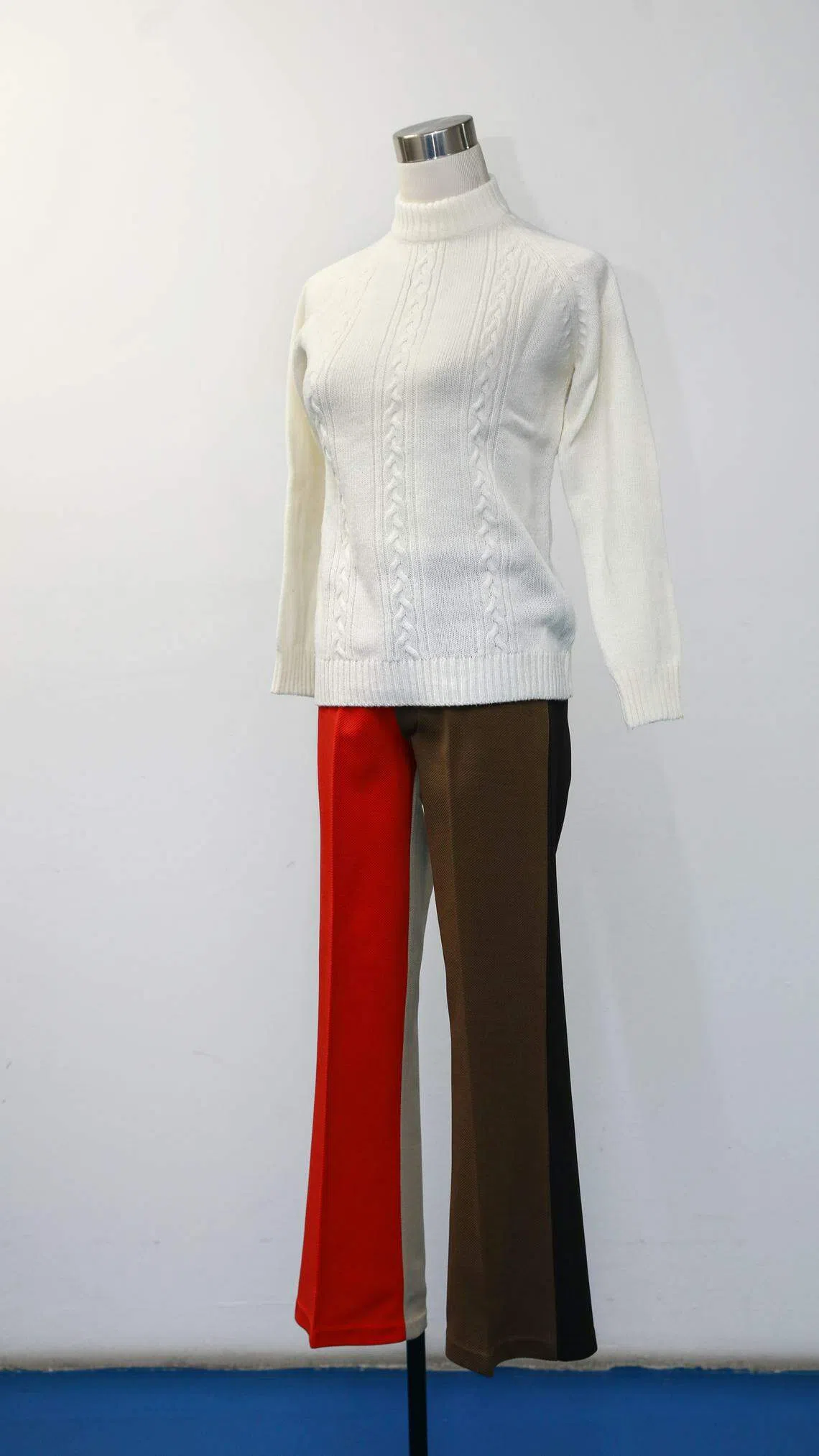
As for why pants from that era had wide bottoms, Cheng says they were designed to conceal the high platform shoes that men and women were wearing. “Everyone wanted endless legs,” he says.
Apart from being a collector, Cheng is himself often in vintage wear too. He has chosen to wear a top from an Italian vintage brand that was popular in the 1970s and 1980s. “This top has a contemporary, Roy Lichtenstein feel and is artsy,” he says.
Cheng hopes that more people will better understand what vintage wear really means. He defines vintage as pieces that are about 40 years old or even older.
“Most people think that immediate past season clothes are vintage, but that’s not accurate,” he says.
While fashion has a bad reputation for being one of the most polluting industries, Cheng says that if more people could see the beauty of vintage wear, it can be less damaging to the environment.
“Clothes shouldn’t be worn and thrown when trends change, but where possible, find ways of restyling them or to turn them into accessories like bags or shawls,” he says.
Cheng adds : “Clothes can be given a new lease of life. If a piece of clothing is well constructed, they will never go out of style.”
Decoding Asia newsletter: your guide to navigating Asia in a new global order. Sign up here to get Decoding Asia newsletter. Delivered to your inbox. Free.
Copyright SPH Media. All rights reserved.
TRENDING NOW

Two Singapore-listed palm oil firms named in Greenpeace report on Indonesian plantation fires

Singapore Airlines flight returns to San Francisco after ‘unruly’ passenger incident

Singapore looking into which companies responsible for haze-causing fires: PM Wong

Deluge IPO 3.86 times subscribed ahead of SGX debut

