

Six successful Asian female chef-owners share their stories of grit in a male-dominated culinary world
From Singapore to Japan, the owners of some of the region’s most sought-after fine dining restaurants share the challenges and successes of cooking on their own terms
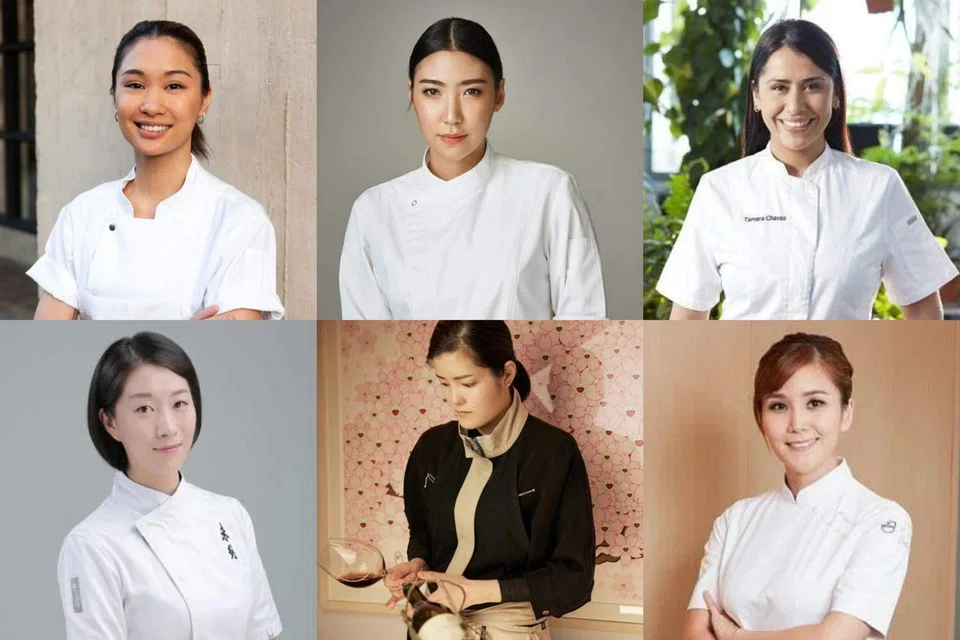
WITH the global restaurant scene dominated by male chefs, women have still to make a significant dent in this ultra-demanding industry. Yet, in Singapore, Hong Kong, Thailand, Japan and Korea, there are stories of female chefs who’ve shown they can succeed with much tenacity and resoluteness. And at the same time, injecting much empathy and sensitivity when managing people working for them. Here, six successful women chefs/restaurant owners share tales of their hard-earned success.
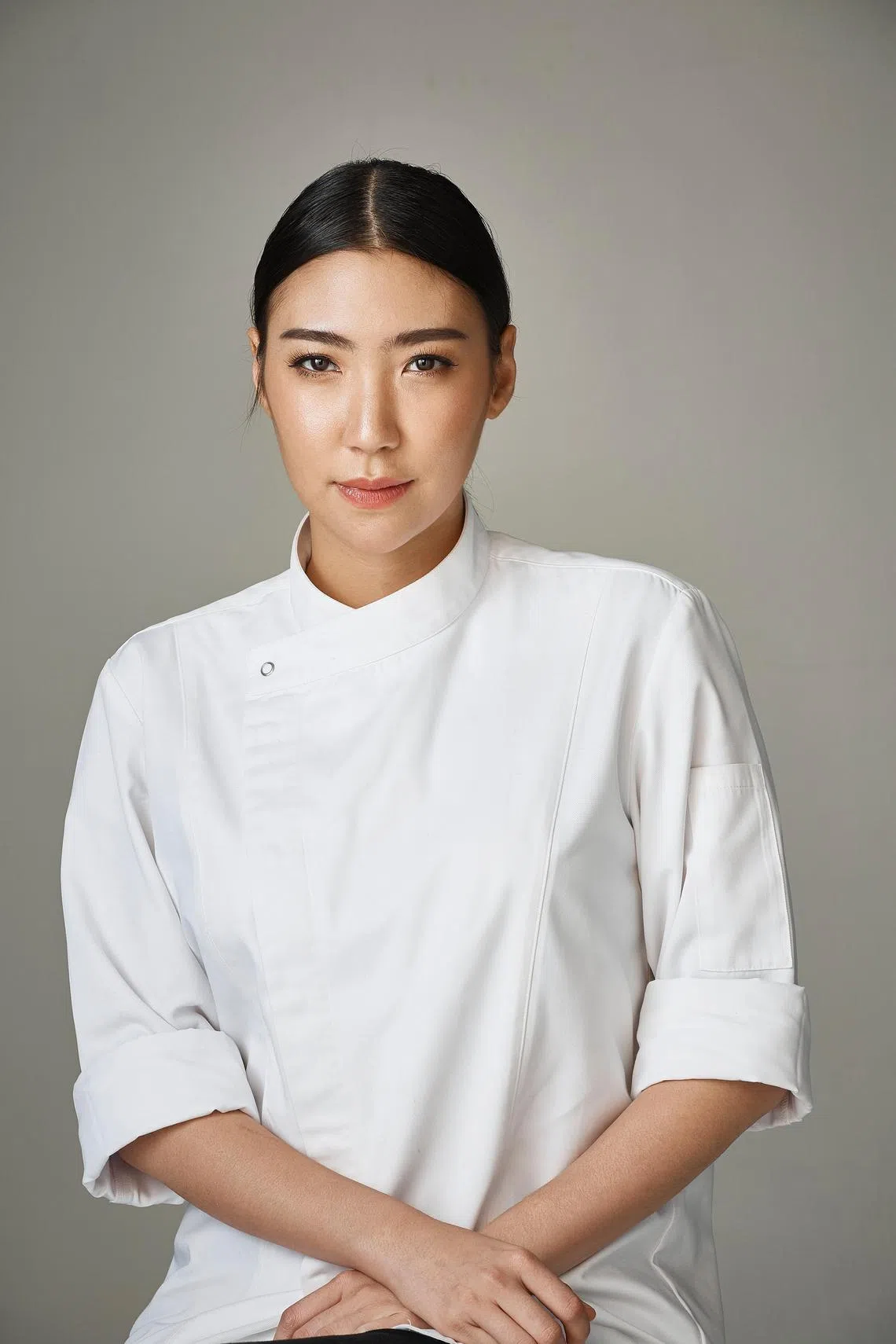
Pichaya “Pam” Utharntharm Potong, Bangkok
Pichaya “Pam” Utharntharm, chef-owner of the one-Michelin-starred Potong in Bangkok, believes that there are both differences and similarities in running a restaurant business compared to being an employee.
“I still work super hard every day – I wake up early and finish work really late,” says the 33-year-old who manages the restaurant with her husband. However, what is more pressuring is the responsibility of taking care of her team and steering them to achieve the same goal.
The restaurant is considered a family business that the couple manage. “While I am mostly in the kitchen, my husband helps me in running the business. We are a great team and it allows me time to focus on food.”
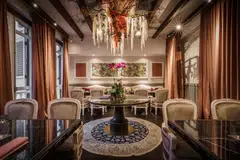
Potong is a tribute to Pam’s Thai-Chinese heritage. Her unique restaurant is named after the drugstore founded by her Hokkien great-great-grandfather, who settled down in Thailand 130 years ago.
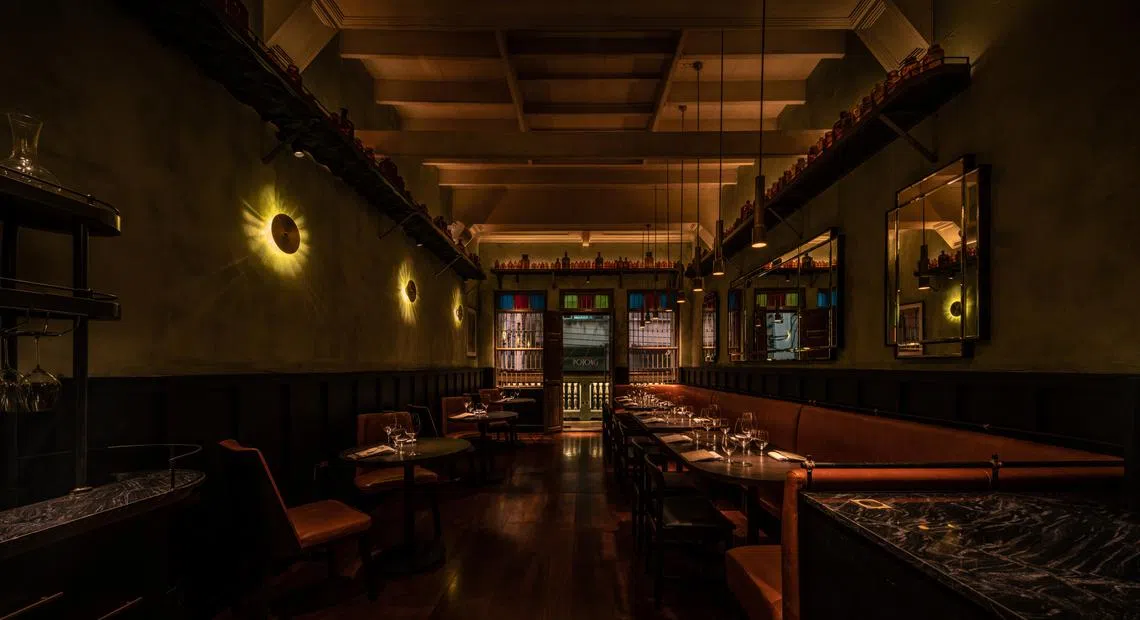
The former judge of Top Chef Thailand who worked at Jean-Georges in New York shares that like all food businesses, the pandemic was a really difficult time for Potong. “We have a total of 55 staff and we serve only 35 guests per night. To sustain the business, our team had to be creative and work really hard together to get through those challenging times. We have a great community; many of my guests were really supportive of us.”
Potong was originally supposed to open in June 2021 but due to a lockdown in Thailand, it did deliveries. The restaurant officially opened in February 2022. The progressive 20-course tasting menu is inspired by Pam’s memories growing up in a Chinese-Thai household.
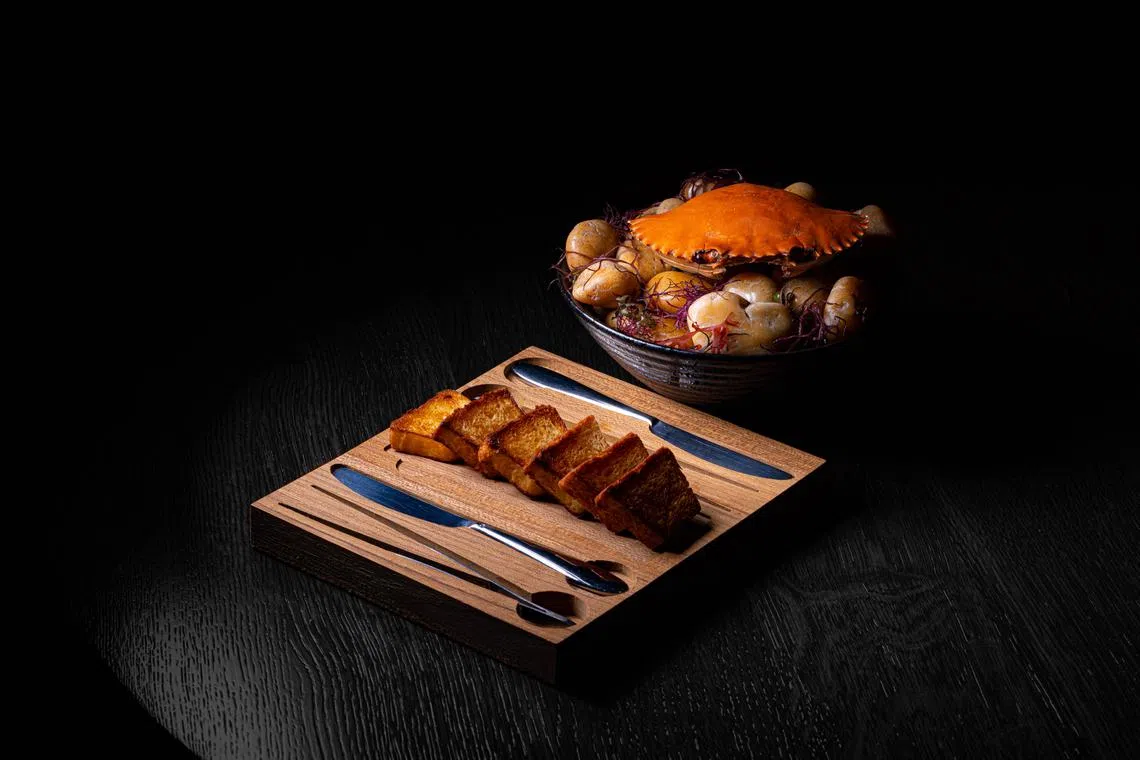
“Chinatown and my family background are truly the origins of my love for cooking.” Her parents were raised in Bangkok’s Yaowarat area. Pam’s mother would take her there to shop for groceries, because it had all the finest local Thai-Chinese ingredients. “My dad is half-Australian and half-Chinese, and my mom is half-Chinese and half-Thai. Since my mom is a housewife, she prepares all the food for my family,” says Pam, adding that she learned how to cook Thai-Chinese flavours from her mother.
Accolades-wise, Pam is the first-ever and youngest female chef to receive both the Michelin star for Potong and “Opening of the Year” award from the Michelin Guide Thailand 2023. “We were truly honoured, emotionally and spiritually. We worked hard even before we opened the restaurant and now that our work has been recognised, it’s truly amazing.”
Pam, who believes in always leading by example, is currently working on a scholarship programme for young female chefs from 18 to 22 years old. “At the moment, I am talking with various culinary institutions in Thailand to identify candidates. The scholarship covers nine months of working in female-run restaurants. Potong will take in interns for three months.” This helps young female chefs jumpstart their careers while being mentored at the same time.
Pam believes female chefs can grow as a community. It is also why she joined S.Pellegrino Young Chef Academy (2022-2023) as a juror for the competition. “I was able to give my comments, thoughts, and visions for each of the young chef’s signature dishes. At the same time conversing with them on ideas and inspirations – that I believe can help to shape the future of gastronomy.”
Finally, Pam thinks that the strength of being a female chef is that women are skilled at multitasking. “This is particularly useful in the fast-paced environment in our kitchen. We also tend to be more emotional… but this is also great for us to be super understanding and supportive when it comes to handling different people’s characters. Also, I believe we have a unique style of leadership that emphasises collaboration and empathy, which can foster a positive work environment for everyone in the kitchen.”
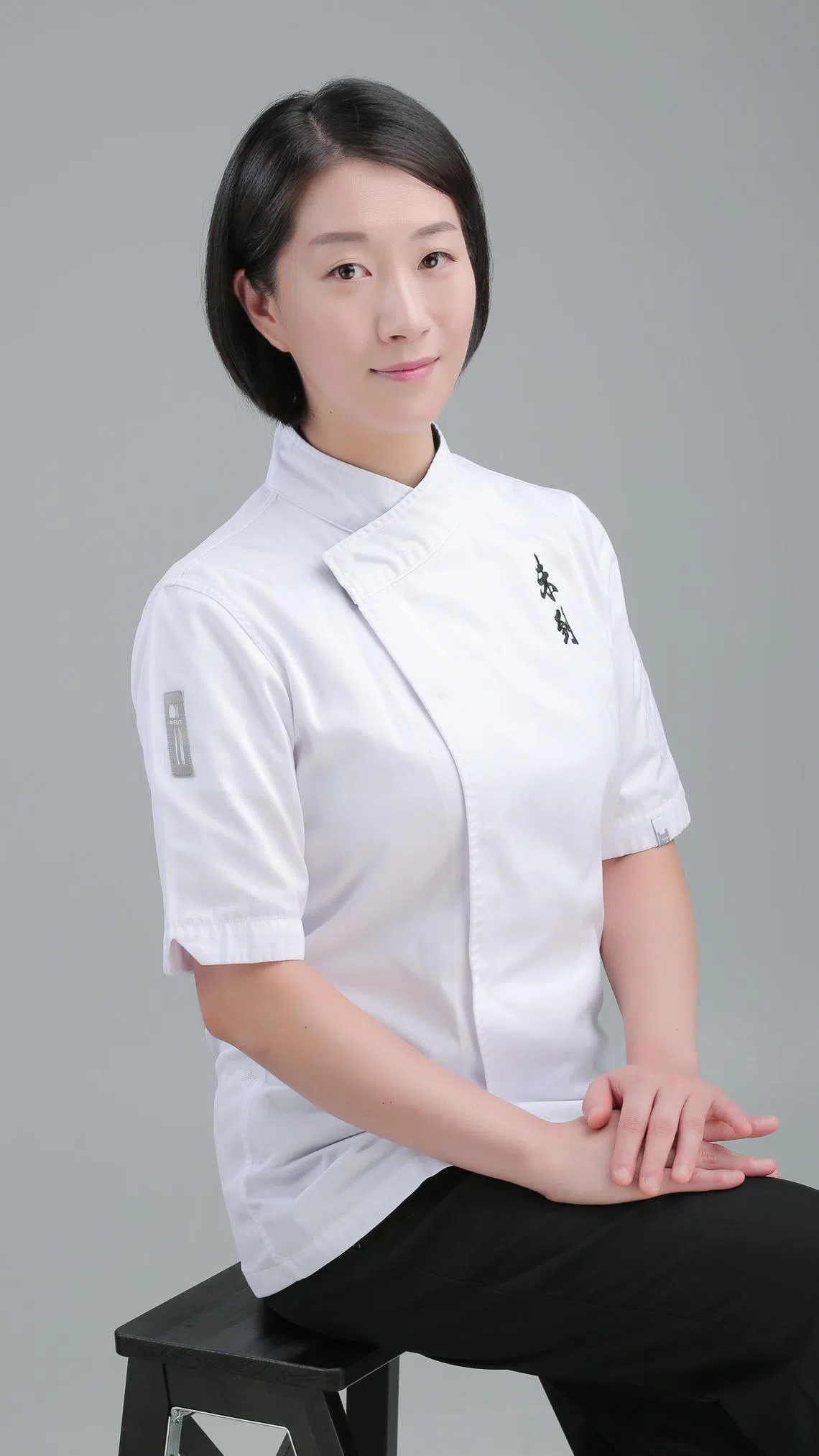
Kim Bo-mi Mitou, Seoul
Since Mitou opened its doors in Sinda-dong, Seoul, in 2018, the small, counter-seating restaurant has become one of the most sought-after Japanese restaurants in South Korea, earning one Michelin star in 2021.
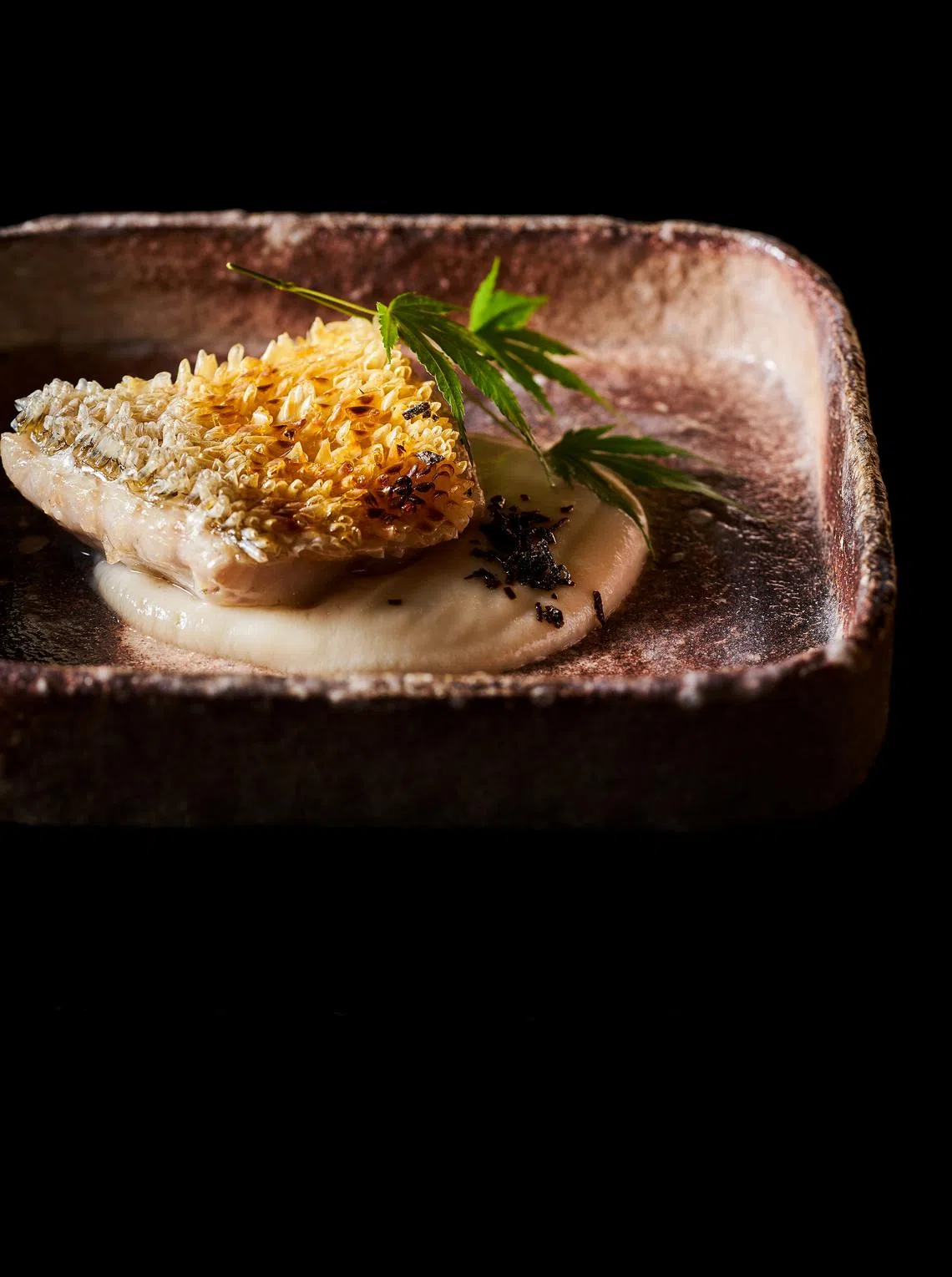
Co-founded by couple Kim Bo-mi and Kwon Young-woon, Mitou serves a multi-course kaiseki menu focusing largely on seasonal ingredients from Korea and Japanese cooking techniques.
Kim believes that it’s entirely different being an employee versus running her own business. “One of the important lessons I’ve learned since opening our own restaurant is that I have to take responsibility for every decision and result,” says the 33-year-old who trained for four years in a Hakone ryokan and kappo restaurant in Japan. “I also learned that I have to be more careful when planning something and to have a proper structure to achieve my goals.” The pair decided to open their own kaiseki restaurant as most Japanese restaurants in South Korea either specialise in sushi or a la carte menus. It wasn’t smooth-sailing from the start, however, given its unusual concept using mainly seasonal Korean ingredients.
Given Mitou’s small size, it was relatively unscathed during the pandemic, says Kim. “First, we couldn’t accommodate many people anyway. Second, we had amazing guests who supported us. We normally cook at the counter and interact closely with our guests (who are mostly locals). Third, we didn’t push ourselves too hard. We just followed government policies. We only have one part-timer so it wasn’t too difficult to manage people/staff.”
Kim says that receiving a Michelin star is “a dream for everyone and it’s a wonderful thing”. However, the couple didn’t have time to truly celebrate their achievement as they also felt that the star comes with a lot of responsibilities. “Honestly, I couldn’t afford the time to enjoy the moment. Because our restaurant had been already fully booked for several months at that time.“
As for being a female chef in a foreign country, Kim recalls: “In Japan, some people have prejudices when it comes to women cooking in restaurants. However, there could be a turning point for them when they see women chefs overcoming their difficulties and proving their strengths, while meeting expectations with amazing food.”
Kim says that she strives to always “be better than yesterday”. Mitou means ‘not yet arrived’, which is also the couple’s philosophy. “I’d rather work hard and take care of my business than be satisfied with what I’ve done well.”
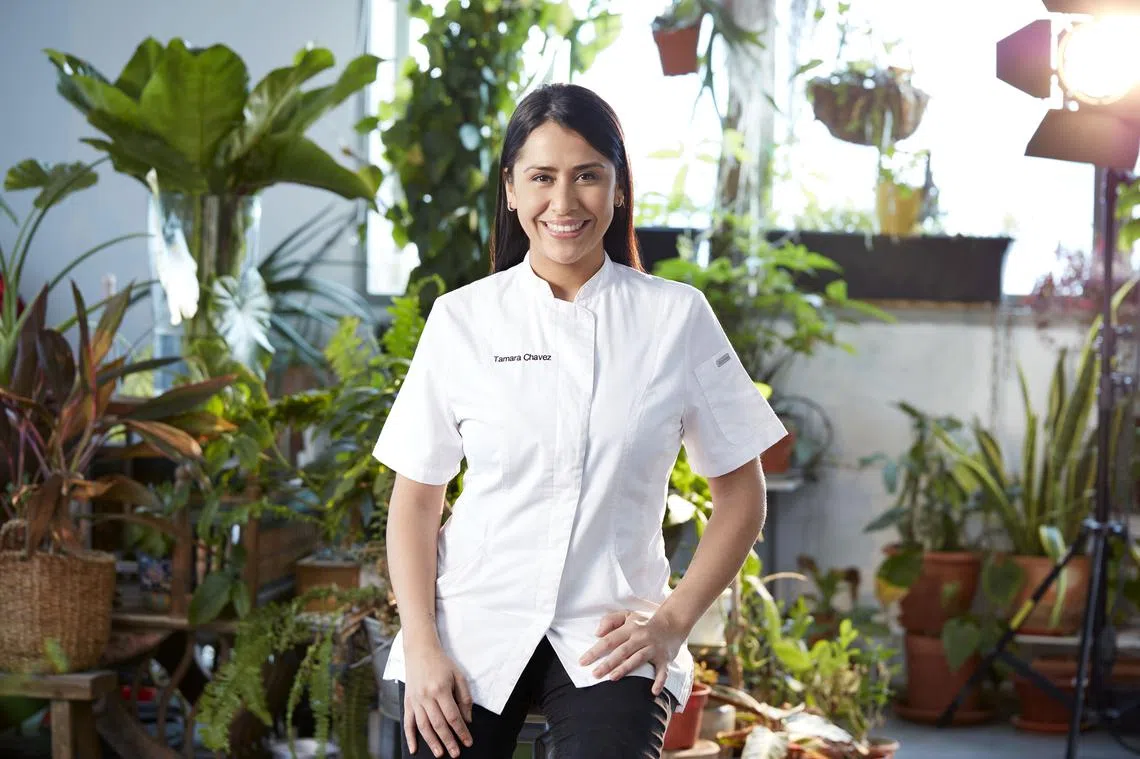
Tamara Chavez Canchita Peruvian Cuisine, Singapore
Mexican-born Tamara Chavez launched Canchita, a Peruvian-centric restaurant in Dempsey Hill, with her husband, chef Daniel Chavez, in May 2021.
“We opened Canchita one day before the second Circuit Breaker,” says the 33-year-old. “You can imagine the stress and anxiety we felt – as like any business – when you open your doors and cash flow is low. Little did I know, this was the perfect opportunity for us to truly bond. Our company quickly pivoted to a takeaway and delivery platform and we had to immediately change our operations.”
Chavez, who began her career in traditional restaurants in Mexico City, adds: “The best part was to see how we all came together as a community – with our staff, suppliers, landlords and customers. Coming from Latin America, we are used to seeing the good side of things in every situation. We aimed to transmit that energy to everyone around us.”
The biggest lesson for her was to learn empathy. “As an employee, most of my focus was on my personal objectives. Now as a business owner, I am in charge not just of the performance but also the well-being of our team. I have to keep this in mind when I do the menus, costings, choose suppliers, and plan the execution of promotions.”
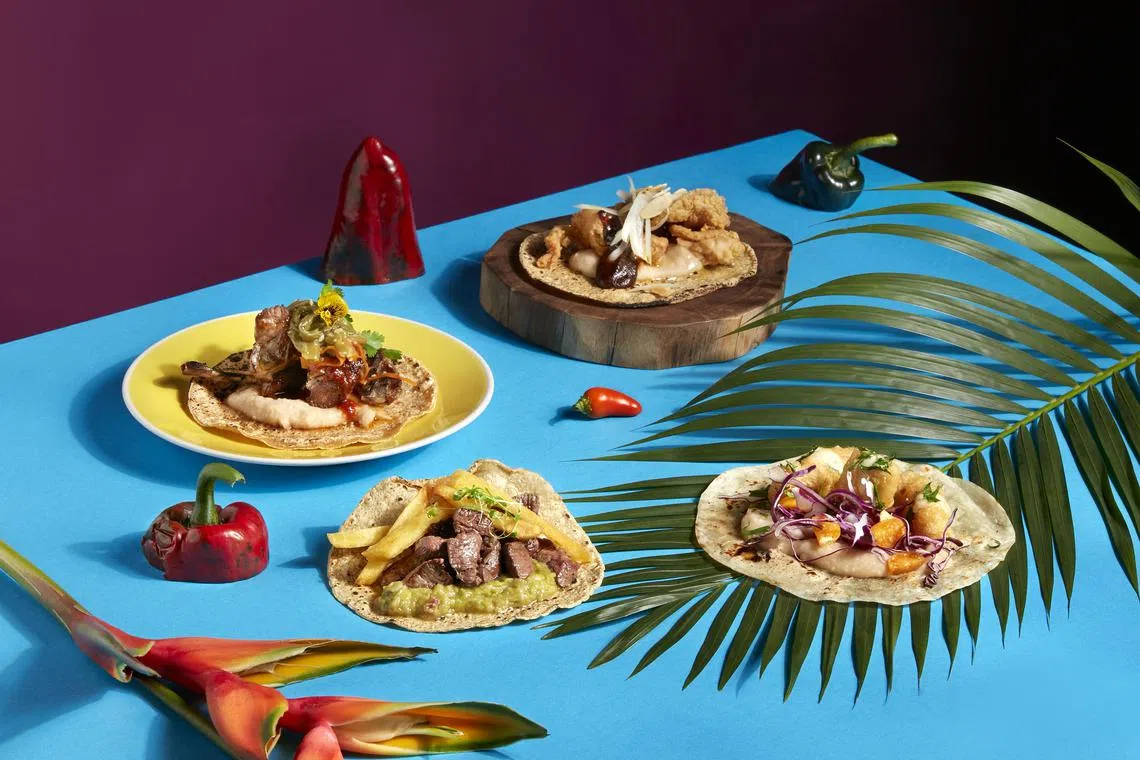
Before Canchita, Chavez also helmed Tono Cevicheria and OLA Cocina Del Mar with her now-husband.
“I can now see that our F&B industry is in need of major changes. Empathy makes you more conscious of all aspects of the operations. To me, this is the foundation of everything, but this was not the case for our industry 17 years ago when the way of working was more authoritarian. Today, we are facing constant disruptive change and this forces us to be more flexible. Having worked in so many different places made me value and be grateful to all my previous mentors.”
She points out that being a woman in this line of work is a hard choice. “Our career has suffered a lot of bad press lately in terms of work-life balance. Yet at the same time, any career that you devote yourself entirely to will be challenging. These challenges are not a bad thing as they are necessary for us to grow.”
Chavez has typically relied on her instincts throughout her career. “I believe women have a more developed sixth sense. I encourage every woman to use it. Look, it brought me all the way from Mexico to Singapore!”
As for potential expansion plans, she says that the couple is open to Canchita expanding at the right time - locally and internationally - with projects that carry a Latino flavour.
Chudaree (Tam) Debhakam Baan Tepa, Bangkok
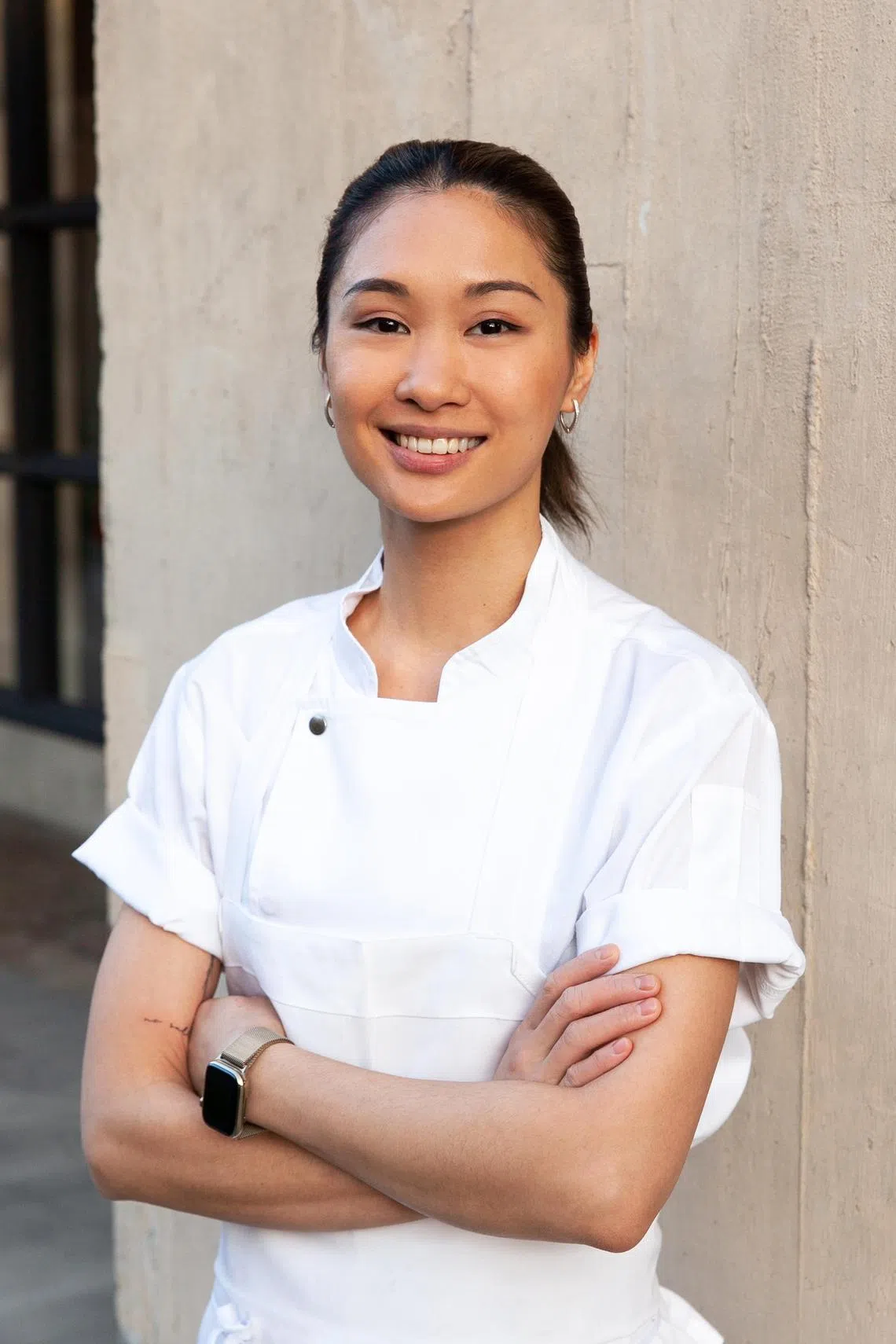
Tam Chudaree Debhakam owns and runs the one-Michelin-starred Baan Tepa, located in her grandmother’s old two-storey house in Bangkok. She converted the 1980s building into a unique restaurant serving progressive Thai cuisine using locally sourced and sustainable produce.
Tam was sous chef at Chef Dan Barber’s Blue Hill at Stone Barns, New York, from 2015 to 2017 (after studying at International Culinary Center in New York City) before returning to Thailand.
The whole process from conception and design to construction of Baan Tepa was not easy. But she counts Baan Tepa her biggest achievement to date – the restaurant has since grown from a 12-seater with six staff to 40 people currently.
The main challenge running her own restaurant business is managing people. “We want to be forward thinking in terms of creating a positive working culture and making sure our team feels taken care of physically and mentally as well,” says the 30-year-old. “This way, I have to make sure a system is in place so that everyone understands our goals both in business and philosophy. My background is also in cooking, so transitioning to managing the restaurant financially that we can operate to meet our targets is a challenge. I am still learning as I go. I do miss the days when I was employed as a cook!”
Still, she is determined to run her own kitchen and business even during challenging times. When mistakes are made, she takes it as a learning experience and keeps going. “It definitely gets tougher when you have more responsibilities as a restaurant owner. But I try to make time to travel and eat, and stage at restaurants when I can.”
Tam was understandably happy when she received her first Michelin star. “It was more than what we ever imagined for this space. When we started, I never really thought about these accolades. I just wanted to create a fun culinary space for people to come and see the old home and for us to be creative with Thai food. It is a real motivator for the team. It shows that all the hard work that we have put in has been recognised not only by our diners but also by Michelin, so we are all very happy! “
For the winner of Top Chef Thailand, “Having worked in male-dominated kitchens, I know how harsh it can be for women in the kitchen. So I feel like I want to be able to create this safe and positive working environment for my team.”
In the near future, Tam wants to delve into how chefs can be more connected to agriculture and sustainable farming practices. She hopes to continue travelling around Thailand to discover more local ingredients and work with local communities.
In the upcoming months, Tam will be expanding their services into the culinary garden and opening Tepa Garden Café. “We will be serving up organic herbal teas all grown by the team and local coffees, teas and our specialty sticky rice cakes. The menu at Baan Tepa will also be changing as we move to push more boundaries of Thai cuisine and see what we can create with local produce of the upcoming season.”
Vicky Lau Tate Dining Room and Mora, Hong Kong
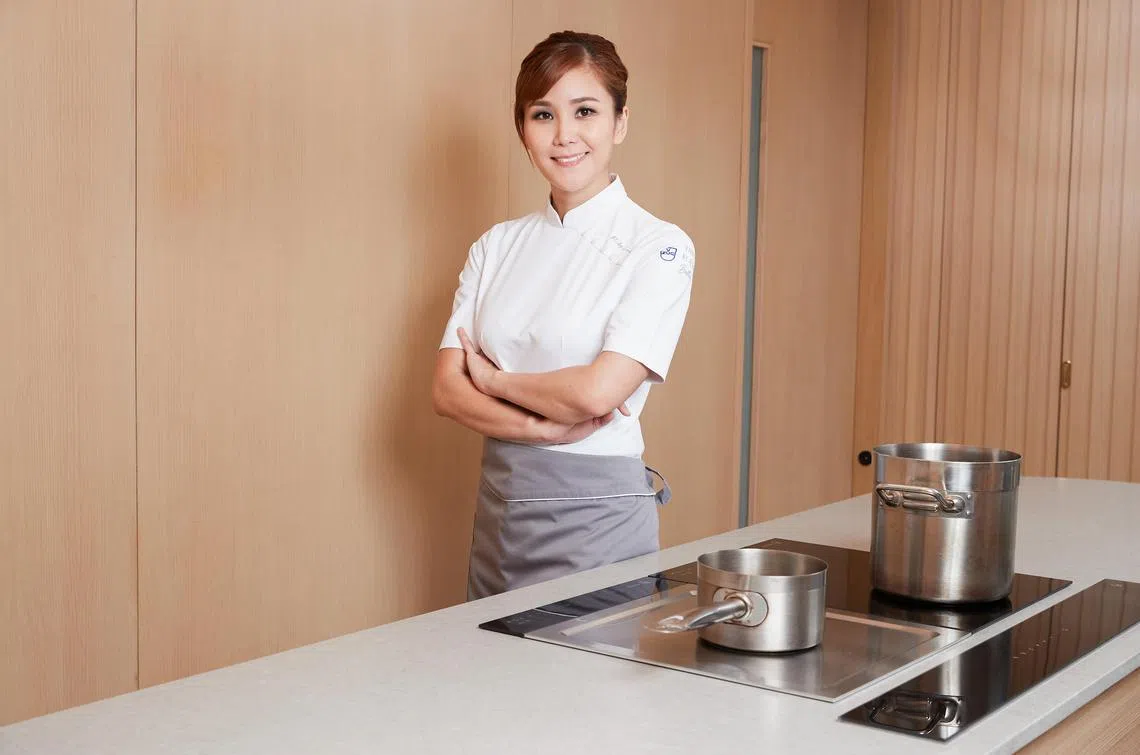
Vicky Lau is the sole owner of two-Michelin-starred Tate Dining Room and Mora (opened in January 2022), which offers a seasonal menu defined by the versatility of soy.
The well-known chef-proprietor initially wanted to open a cafe. “I have always had an entrepreneurial spirit about me, and running your own business is not for everyone,” she says. “From a cafe, it evolved into a fine-dining restaurant due to my passion for design and crafts.”
Like any entrepreneur, “It’s always difficult starting your own business, but you learn as you go. Nothing is ever easy and now looking back at the last 10 years of Tate Dining Room, we are very proud to achieve and accomplish what we have started.” Lau was also named Asia’s Best Female Chef 2015 in the Asia’s 50 Best Restaurants list.
The 42-year-old says that running a restaurant at a consistent standard requires grit, passion and knowledge. “Grit involves showing up for work each day with enthusiasm and being compassionate towards your team. Passion is about having respect for all ingredients, and knowledge is understanding food culture and the techniques of being a chef.”
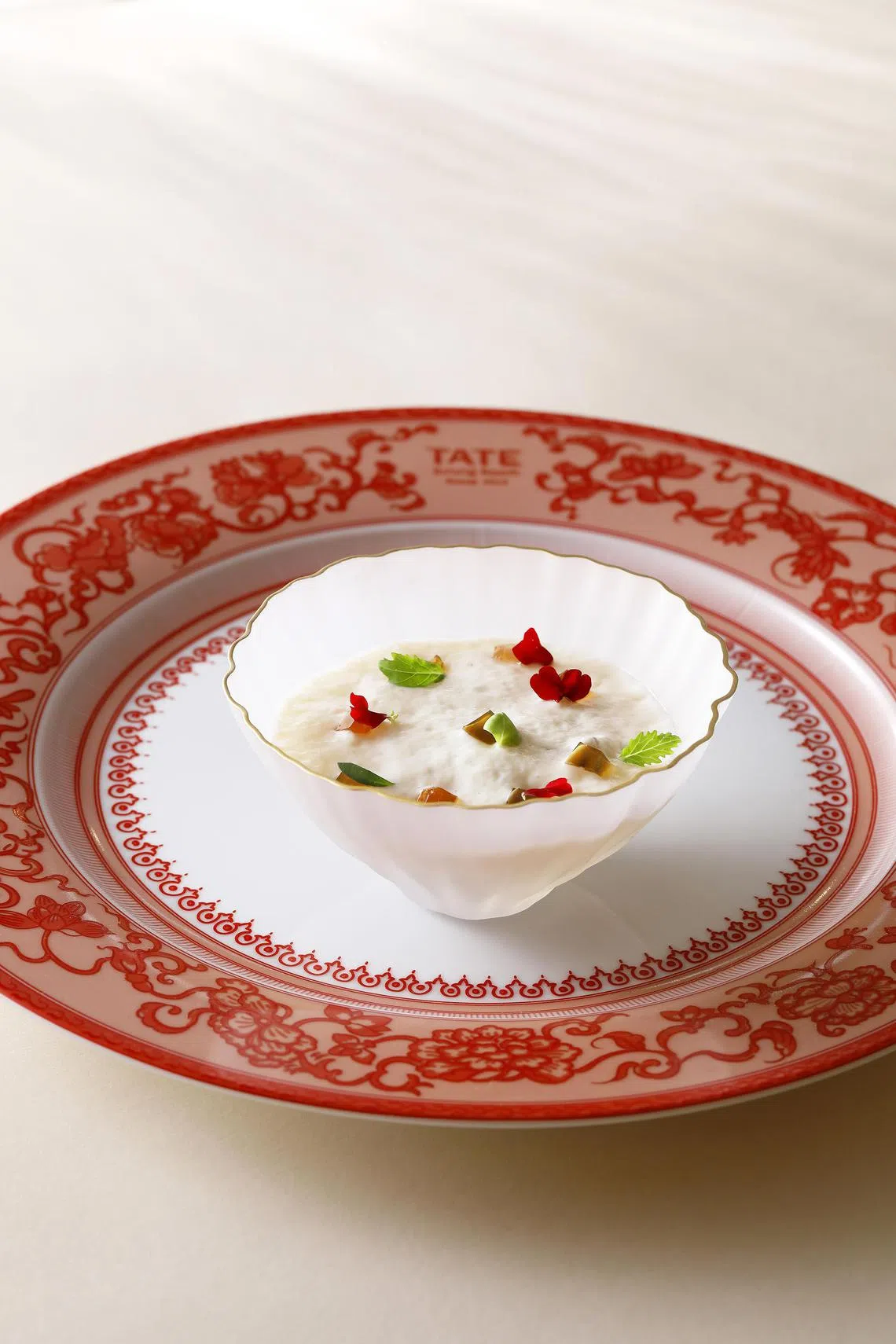
Like the rest of the industry, the pandemic dealt a heavy blow to her business, especially on the sourcing of imported products. “Globalisation is on pause, so we see this as an opportunity to discover more local and sustainable products. Given Covid-19 restrictions and the cancellation of events, we spent our time in the kitchen, undistracted and focused on creating more new dishes.” Being able to pivot in response to the constantly changing regulations in Hong Kong also helped her restaurants weather the crisis.
Lau is also the first Asian female chef whose restaurant, Tate Dining, was awarded two Michelin stars in 2021. Calling it one of the most significant moments of her career, she says it gave her team the confidence to keep raising their game.
The stars are “a quality assurance to our guests which give stability to the business and open up collaboration opportunities,” she says. And it’s a special achievement for her as a Hong Konger because “this is where I grew up”, she adds. “Part of the restaurant’s mission is to be part of the local culture and preserve it, while at the same time leading the way in innovation in the gastronomy sector.”
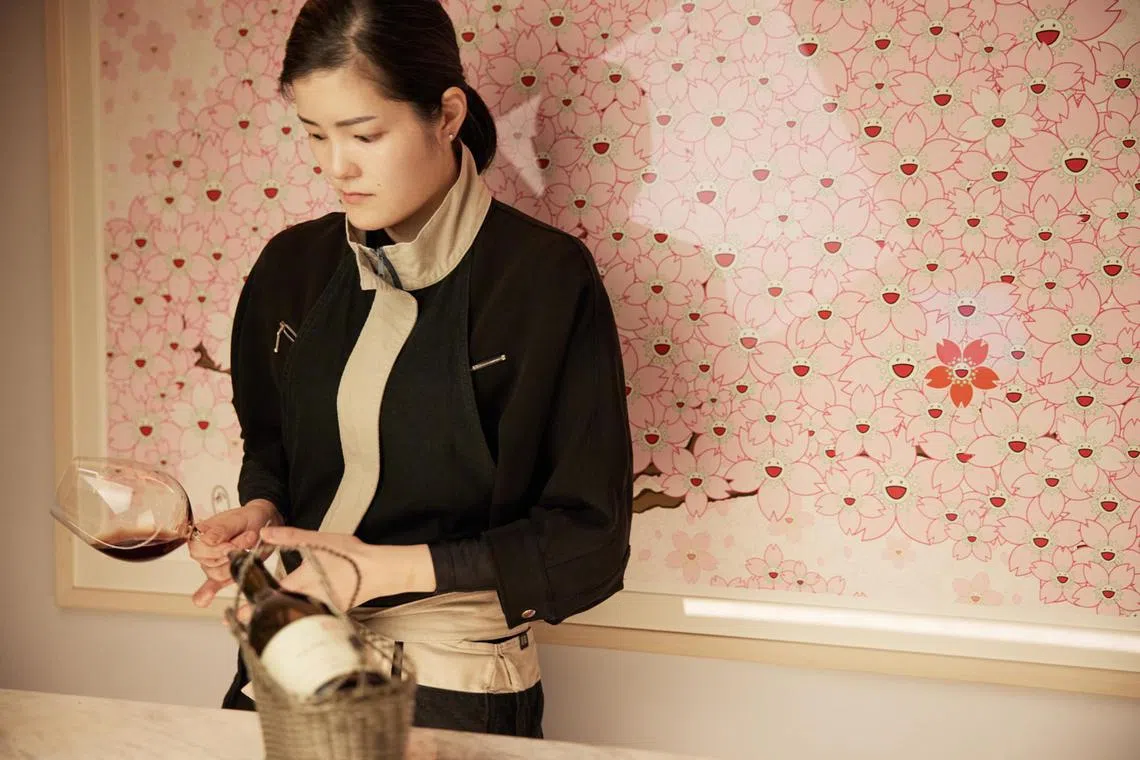
Natsuko Shoji ètè, Tokyo
Now 33, Natsuko Shoji was 24 when she opened her six-seater pastry shop-restaurant ètè. But behind her artfully crafted desserts is a story of triumph over hardship, and sheer tenacity that makes her an inspiration to fellow female chefs.
She had a tough childhood, growing up with an intellectually disabled sister, and a father who turned to drinking heavily to cope with the stress of caring for her. She was determined from school to be able to support her family financially, and in junior high school, discovered her flair for pastry in cooking class. Friends who raved about her cream puffs encouraged her to be a pastry chef, which spurred her to attend culinary school while working part-time at a French restaurant in Tokyo and making cakes to sell.
After graduation, she worked at the Michelin-starred Florilege for three years, but was so busy that when her father was hospitalised for alcoholism, she did not get to see him before he died. The loss hit her hard, and “I did not want to do the same thing to my mother,” she says. She quit working as a chef and dabbled in the fashion industry which was less demanding than a restaurant kitchen.
Then one day, “A former customer who liked my cakes asked me to make a wedding cake for her,” says Shoji. It rekindled her love for pastry and cooking and she wanted to get back into the kitchen but no restaurant would hire her after she quit her previous job suddenly without giving any notice.
“I wanted to open my own restaurant, but without any experience or credentials, I could not get a loan.” Eventually she qualified for a government loan of 10 million yen (S$99,000) but it wasn’t enough to start a proper restaurant, nor could she hire the kind of people she wanted. She settled on a pastry shop, as it was something she could do on her own without any help.
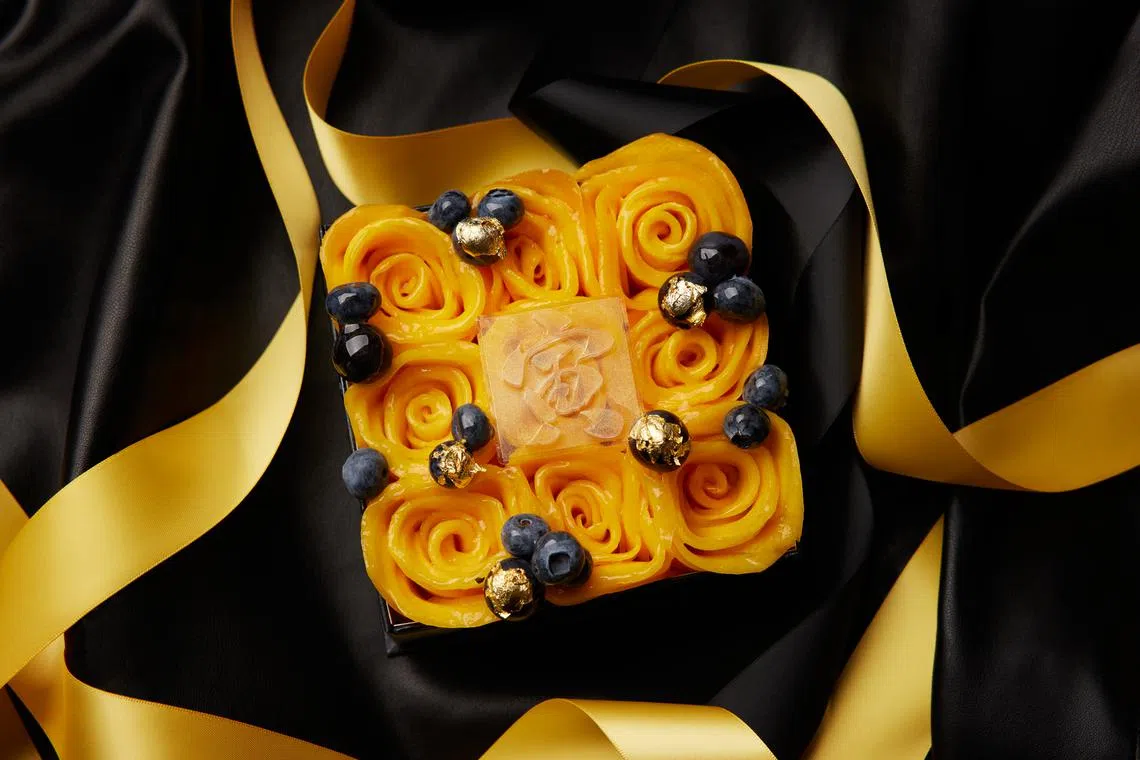
That marked the start of ètè, and the rest is history. She earned a wide following, including celebrities such as David Beckham, who raved about her artistic, fashion-inspired creations including her signature rose-shaped mango tart. Given her success, it’s hard to believe that when she started, she was so afraid of debt that she took out an insurance policy with a death benefit, so that her mother would not be saddled with any financial burden if anything happened to Shoji.
“As a nameless chef, I needed a strategy,” she recalls of her early days when she created her mango tart. “I needed to make a masterpiece that everyone would recognise as mine when they saw it.”
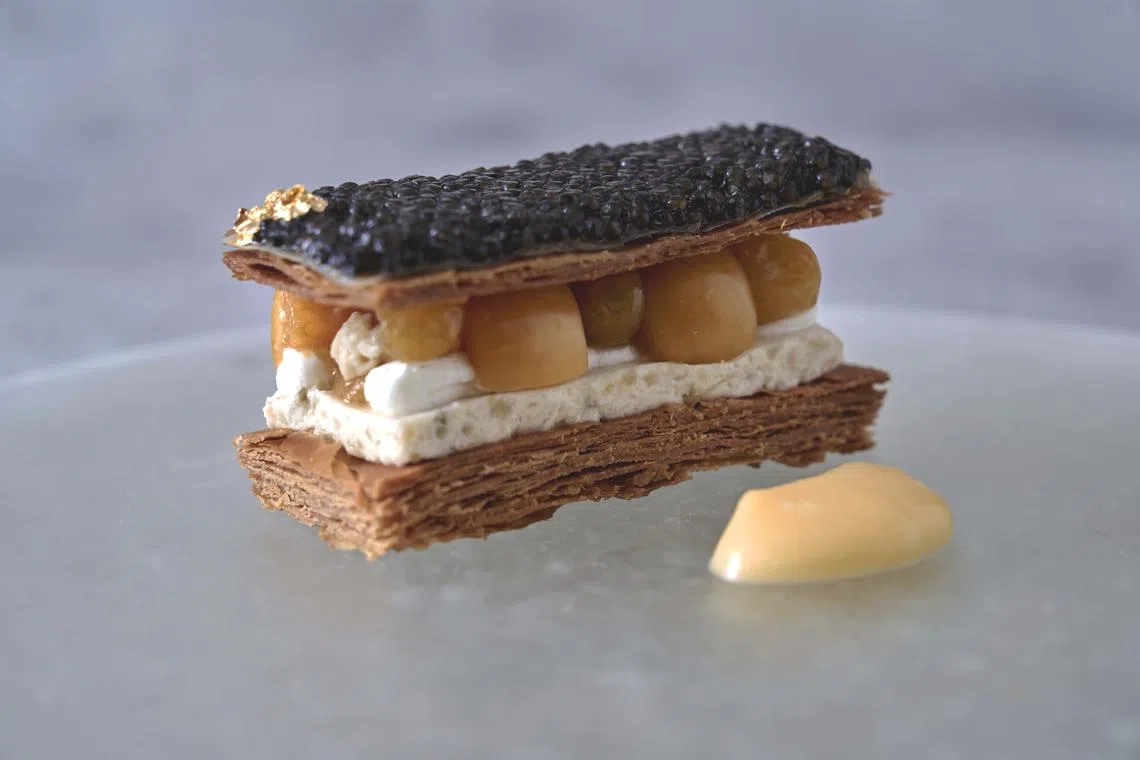
Currently, she has three young female staff in their 20s working for her. In 2015, she was able to convert her pastry shop into a full-service restaurant, although it is still just for 6 diners whom she cooks for personally. In 2020, she was named Asia’s Best Pastry Chef by Asia’s 50 Best Restaurants, and subsequently Asia’s Best Female Chef in 2022. While she constantly fields offers to expand, she is content to stay as she is. Her aim now is to teach and inspire young women chefs, and for herself, she’s shooting for her next award - that of World’s Best Female Chef. - by Kyoko Nakayama
Decoding Asia newsletter: your guide to navigating Asia in a new global order. Sign up here to get Decoding Asia newsletter. Delivered to your inbox. Free.
Share with us your feedback on BT's products and services
TRENDING NOW

MSCI proposes standalone status for Indonesia; Jakarta stocks plunge 8%

Palm oil stocks slide after Singapore begins looking into which firms responsible for haze

High Court rules against Julius Baer’s Singapore trust arm in US$50 million family trust dispute

Why is the haze so bad in South-east Asia this year?

