

Sotheby's and Christie's look to luxury as a coronavirus antidote
 Add BT as a preferred source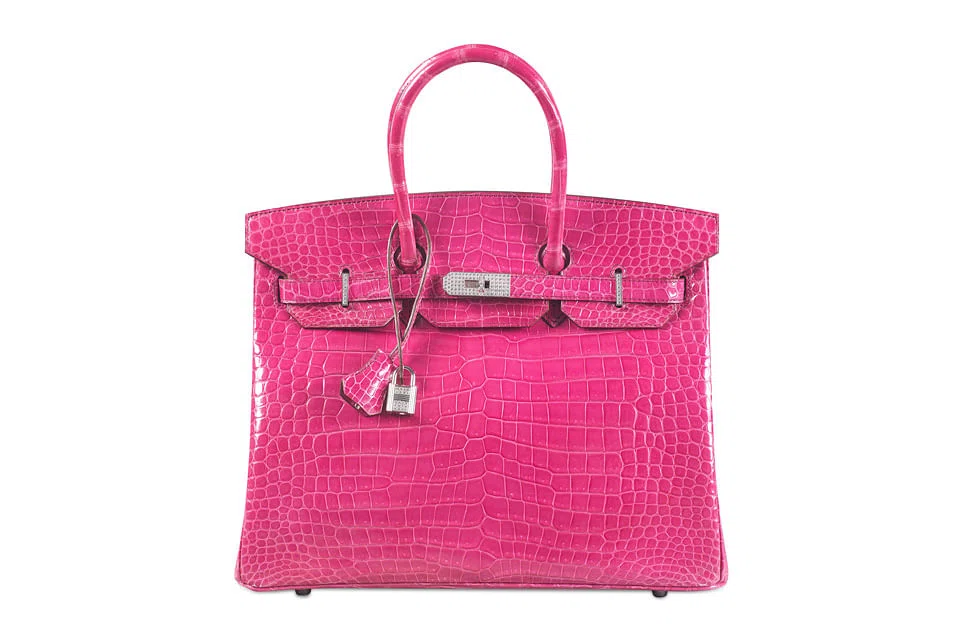
DeeperDive is a beta AI feature. Refer to full articles for the facts.
London
TWENTY years ago, Sotheby's and Christie's made money by auctioning art. And that was about it. Now, in a process fast-forwarded by the coronavirus pandemic, technology is transforming these venerable names into very different-looking businesses. Luxury is making that difference.
Sotheby's, under the tech-savvy ownership of French-Israeli telecom magnate Patrick Drahi, who last year borrowed US$1.1 billion to finance the acquisition, said in December that it would restructure itself into two "equally important" global divisions: one for fine arts and another for luxury, art and objects. Items such as watches and jewellery were identified as "key growth areas." Sotheby's has had to catch up on its rival Christie's, which has been playing at the luxury game since the early 2010s. Owned by French billionaire art collector François Pinault, who also founded luxury goods group Kering, Christie's introduced online-only sales of designer handbags in 2012, and these particularly appealed to Asian buyers.
When the coronavirus pandemic shut down live auctions, Sotheby's swung into digital overdrive. So far this year, the company has held some 320 online sales of art and luxury items, more than three times the number held during the equivalent period in 2019. These have raised US$425 million, compared with US$60 million for the same period last year.
Compelling reason
In 2019, worldwide auction sales of art and antiques raised US$17.9 billion, down 7 per cent from 2018. The global market for second-hand luxury goods such as jewellery and watches was valued at about 21 billion euros (S$37 billion) growing at 8 per cent a year.
Navigate Asia in
a new global order
Get the insights delivered to your inbox.
But there is another, more compelling reason that luxury has such a hold over auction house executives' thinking.
"Art and luxury can coexist and complement each other very nicely," said Josh Pullan, managing director of Sotheby's global luxury division. "Luxury is a great entry point," he added. Buyers were "opening their minds to a broader range of collecting categories," but the 276-year-old auction house was not about to become a luxury superstore. "Fine art is what Sotheby's is best known for, and that's not going to change," he said. NYTIMES
Decoding Asia newsletter: your guide to navigating Asia in a new global order. Sign up here to get Decoding Asia newsletter. Delivered to your inbox. Free.
Share with us your feedback on BT's products and services
TRENDING NOW

From 1MDB to ‘corporate mafia’: Is Malaysia facing a new governance test?

Higher costs, lower returns: Why are Singaporeans still betting on real estate?

South-east Asian markets account for 8.8% of global capital inflows from 2021 to 2024: report

Richard Eu on how core values, customers keep Singapore’s TCM chain Eu Yan Sang relevant

