Spreading the word about sake
Famed Kokuryu brewery showcases its best sakes in a special dinner at Waku Ghin
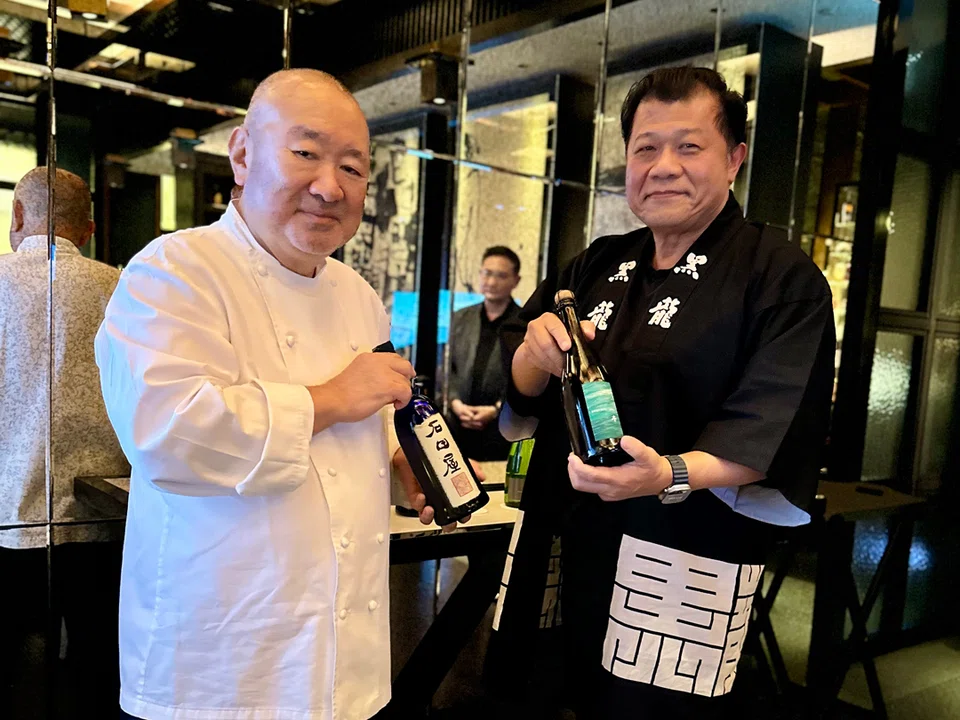
[SINGAPORE] Sake. Japanese food. It sounds pretty obvious but not if you’re Naoto Mizuno, president of the much-lauded Kokuryu brand of sake that hails from Fukui prefecture.
Well known for its sought-after Ishidaya and Nizaemon sakes, Mizuno has been on a mission to prove that sake isn’t limited to the cuisine of his homeland. His push to promote sake around the world is in line with the growing global interest in sake, and its presence in cocktail bars and wine pairing menus of non-Japanese restaurants.
Despite the perception that sake isn’t compatible with European or Asian cuisine, Mizuno notes that he and his fellow sake brewers are seeing “a rising trend of chefs from all over the world travelling to Japan to study our ingredients such as dashi broth, and our culinary techniques”.
These chefs are applying this acquired knowledge into their own cooking, notably French, Italian and Spanish cuisine, he adds. “By incorporating Japanese fundamentals, these cuisines are becoming more compatible with sake, making it easier to pair across diverse styles.”
Such is the appeal of sake that “it’s now included in wine sommelier training programmes, where they delve into its brewing techniques and aspects such as appearance, aroma, taste and potential for ageing”.
Mizuno was in Singapore last week for a sake pairing dinner at Waku Ghin, where chef-owner Tetsuya Wakuda created a special menu to match Kokuryu’s sakes, as well as showcase the produce of Fukui. Dishes on the menu included ingredients such as botan ebi, shiitake mushrooms and gnocchi made with Echizen (the ancient name of Fukui) buckwheat flour.
“We share a common philosophy when it comes to sake,” says Wakuda of his 10-year friendship with Mizuno. “I’ve always admired Kokuryo’s dedication to preserving Fukui’s longstanding tradition of sake brewing.”
Besides collaborating with Wakuda to create a special sake for Waku Ghin, Mizuno has also collaborated with chefs in Japan to produce a line of sakes under the brand Eks, together with former professional footballer Nakata Hidetoshi who became a certified master of sake and started a company to promote Japanese culture through sake.
What is notable about the collaboration is that Mizuno works with Japanese chefs to create sake that pairs with specific types of Japanese food from kaiseki to tempura.

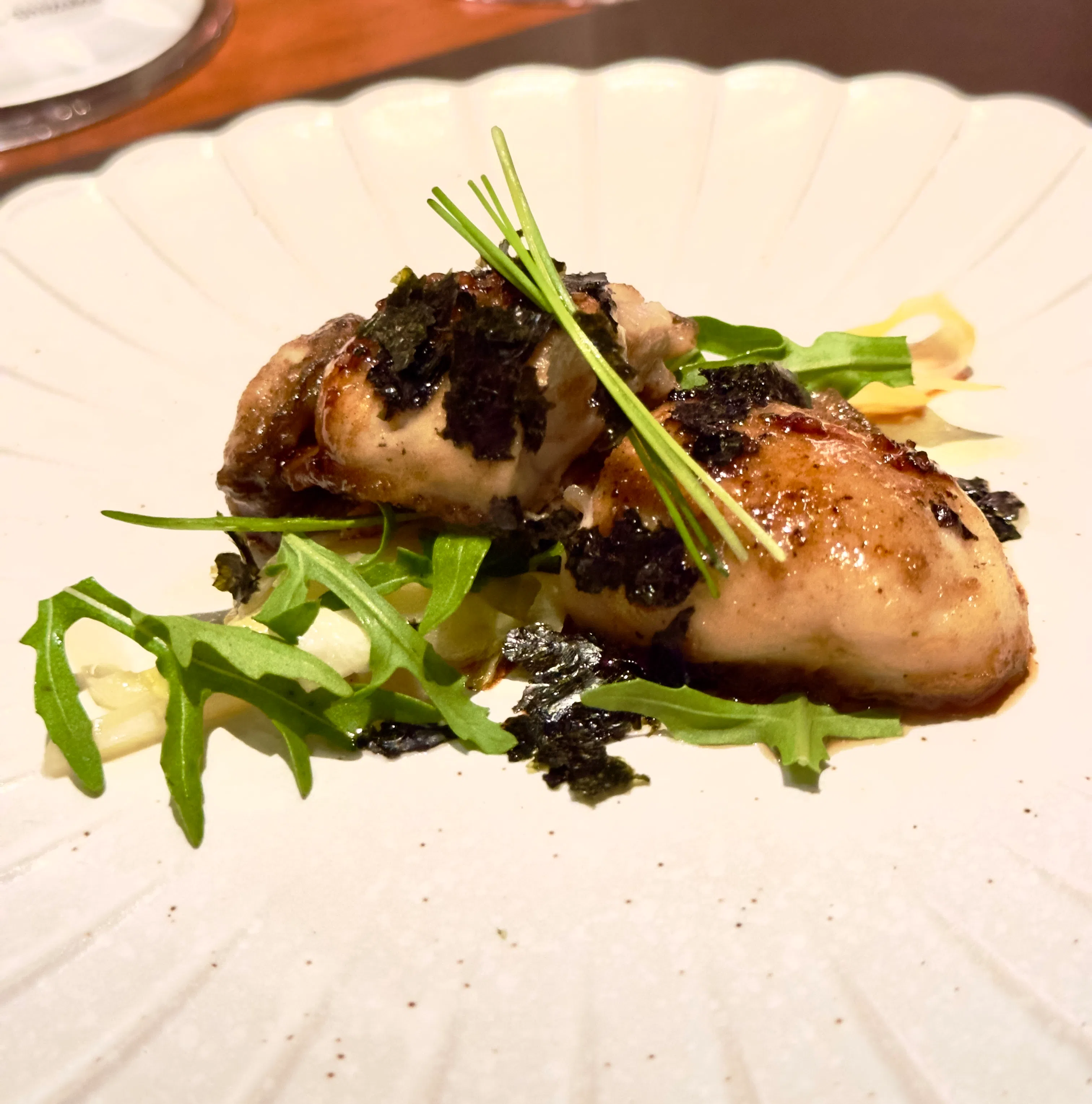
“While it may seem evident that kaiseki pairs beautifully with sake, this understanding isn’t widespread, as even Japanese people are not deeply familiar with sake appreciation or pairing techniques,” explains Mizuno. “By working with restaurants and sake breweries, Eks aims not only to bring more awareness to sake pairing, but also inspire creativity in the sake and culinary industry.”
Currently, Eks has produced sake that pairs with tempura, yakiniku, sushi and kaiseki, “but the ambition is to also explore sakes that will pair harmoniously with European cuisines”.
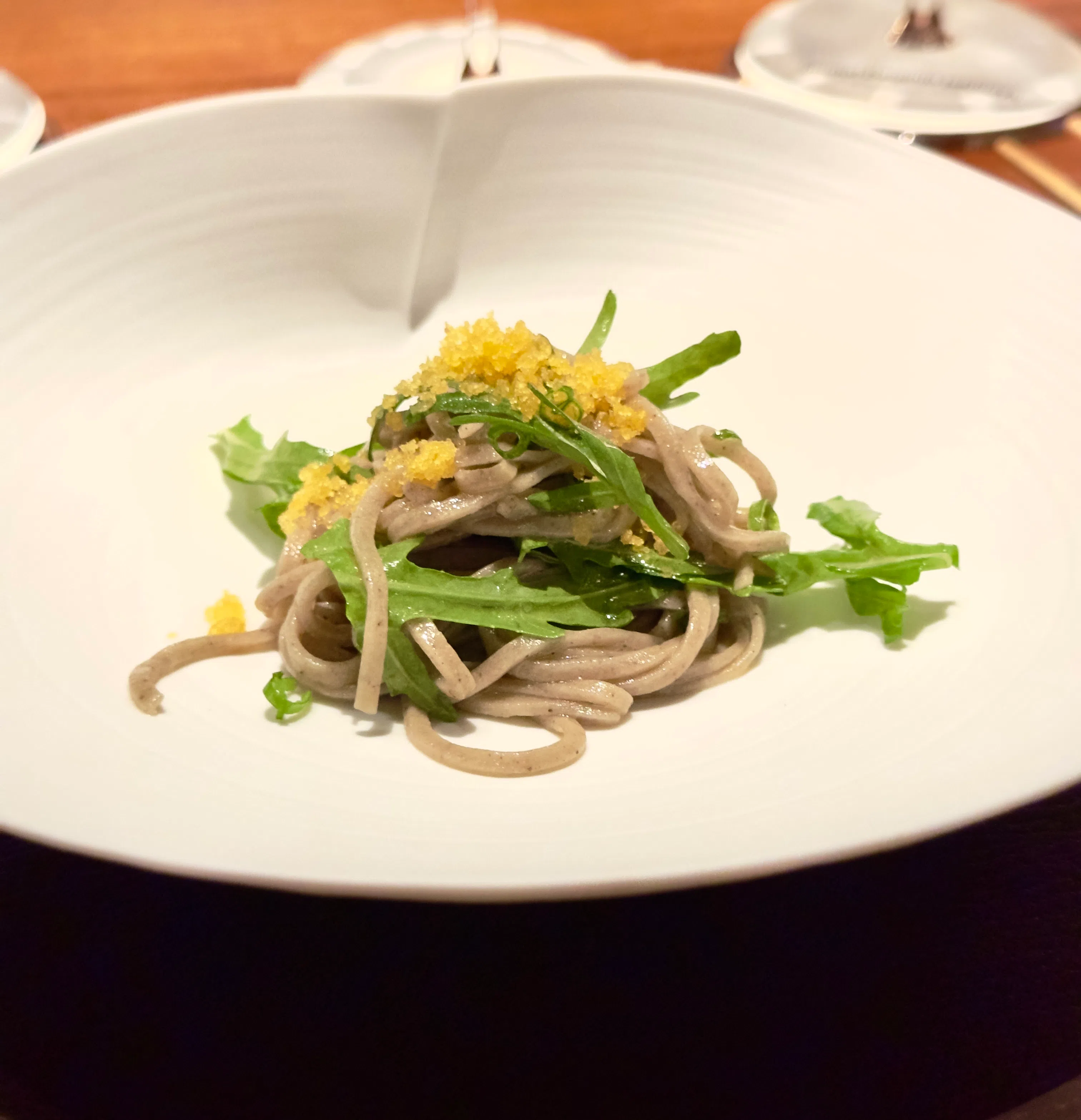
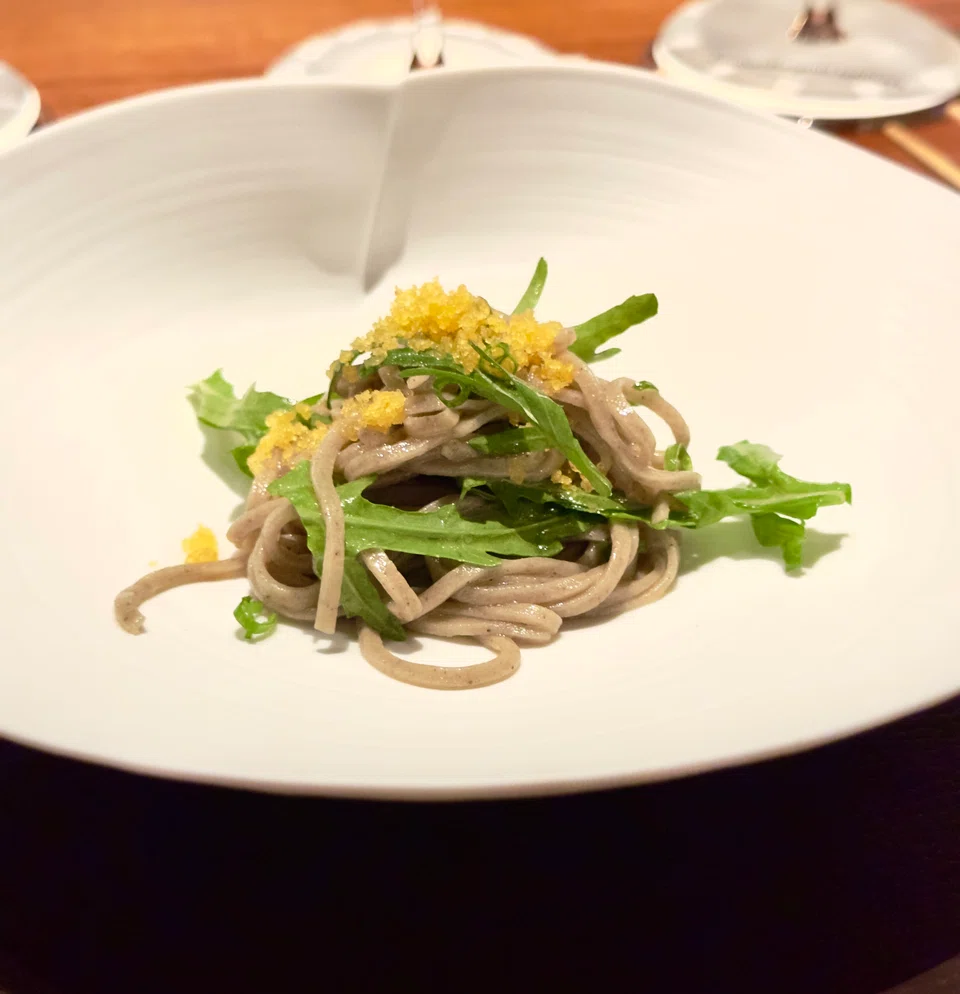
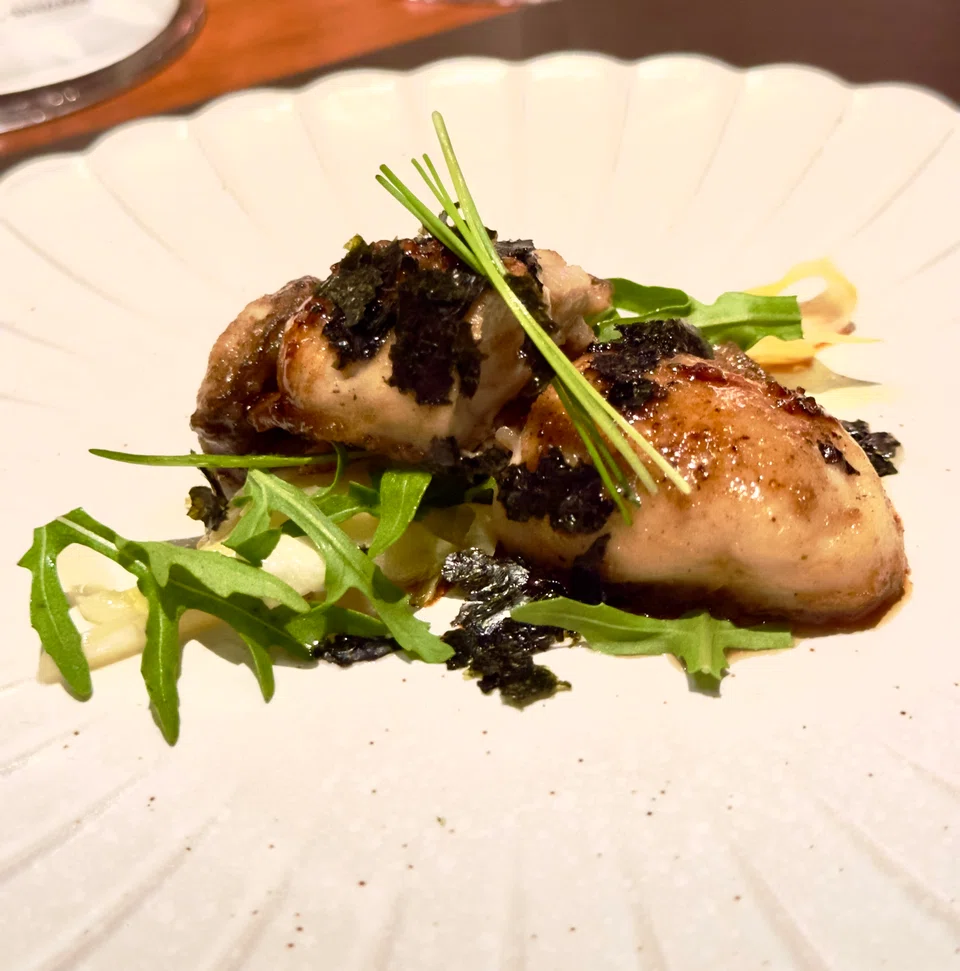
To bring out Kokuryu’s versatility, Waku Ghin’s menu was a blend of Japanese and Western influences. Dishes included French asparagus served with saba heshiko or salted mackerel from Fukui, grapes and wakame; Wakuda’s famed confit ocean trout; oysters with bacon in Worcestershire sauce; buckwheat gnocchi with shiitake mushrooms; and cold soba with bottarga. They were paired with sparkling AWA sake, Ishidaya junmai daiginjo, Kuzuryu junmai and Ryu daiginjo, among others. The ingredients and sake were brought into Singapore by importer Isshin Asia.
“The delicate umami and complementary flavour notes in our sake bring out the best in the foods they accompany,” says Mizuno, who recently opened Eshikoto, an auberge and food and beverage complex to promote the food, sake and culture of Fukui. “Part of this lies with our long maturation process that enables our sakes to harmonise with the ingredients from our prefecture.”
Decoding Asia newsletter: your guide to navigating Asia in a new global order. Sign up here to get Decoding Asia newsletter. Delivered to your inbox. Free.
Copyright SPH Media. All rights reserved.