Startups are producing real dairy without a cow in sight
Can precision fermentation eat plant-based milk’s lunch?
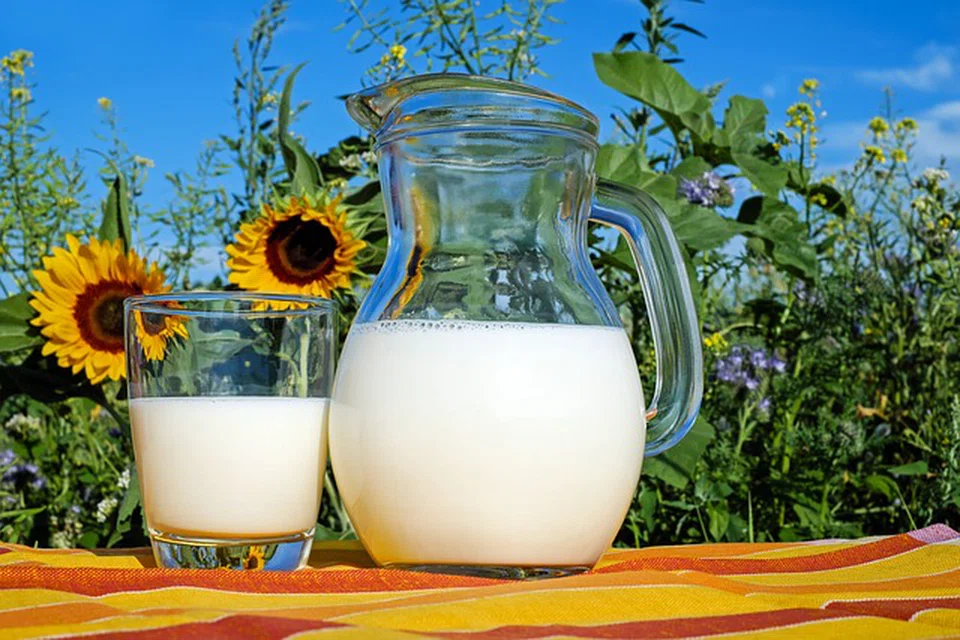
IT LOOKS like cheese. It smells like cheese. It tastes like cheese (specifically mature cheddar). And it is cheese – at least under the microscope.
Synthetic dairy is made with the same ingredients as the conventional sort. But instead of getting the main ingredient from a live ruminant, Better Dairy, a three-year-old British cheesemaker, derives some of it from yeast. These microbes are fed sugar, which they then convert into milk proteins in a process which is similar to brewing.
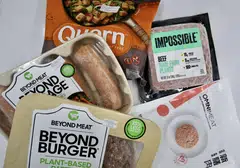
Plenty of milk alternatives have hit cafe counters and supermarket shelves in recent years. Plant-based beverages made from things like soya beans, almonds and oats make up 15 per cent of all milk sales by value in America and 11 per cent in western Europe, said the Good Food Institute (GFI), a think tank.
Yet lovers of real dairy, which plant-derived products cannot quite mimic, still need cows, goats and ewes. Precision fermentation companies like Better Dairy hope to change that – and take a fat slice of the US$900 billion global dairy market.
Remilk, an Israeli startup, has recently received approval to sell its fare in America, Israel and Singapore. Perfect Day, a Californian one, already sells synthetic milk, ice cream and cream cheese. It recently signed contracts to sell its proteins to Nestle, a food giant, and to Starbucks. In its latest funding round two years ago it raised US$350 million, valuing it at US$1.6 billion. All told, precision fermenters have raised nearly US$3 billion from investors since the start of 2021.
Synthetic dairy dispenses with certain undesirable aspects of milk and milk-making. Lactose, to which some people are allergic, and hormones, which have been linked to some adult diseases, can be stripped out.
Fermentation tanks do not need to be pumped full of antibiotics and can be set up anywhere – handy at a time of rising worries about food security and climate change. The process uses less water and, because it requires less energy and less land, emits fewer greenhouse gases than conventional dairy production, which is responsible for more than 3 per cent of annual planet-warming emissions, almost twice as much as aviation (and a lot of it from belchy cows).
One challenge for the innovators is winning consumers’ trust. Steel tanks lack the familiarity of cows. A quarter of respondents to a survey in America are not keen to try “precision-fermented” fare – which may explain why producers prefer to call it “animal-free”.
Regulators create hurdles, too. Although the startups are confident they will get the green light – the technique is already used for flavourings and insulin – they worry about the time this will take and about labelling disputes. According to GFI, even in America, the land of free enterprise, it takes about nine months. In Europe it takes twice as long; the first products will not reach European supermarkets until 2024.
The technology is also a work in progress. For now, Better Dairy’s cheddar still uses bovine casein, one of the proteins in milk; the firm is working on a synthetic version that would make its cheese properly vegan. And the process remains costly. A fermenter that can hold about 30 litres of milk can cost £150,000 (S$256,000). Buying a cow, which can produce about as much in a day, will set you back £1,600.
©2023 The Economist Newspaper Limited. All rights reserved
Decoding Asia newsletter: your guide to navigating Asia in a new global order. Sign up here to get Decoding Asia newsletter. Delivered to your inbox. Free.
Share with us your feedback on BT's products and services