The struggles of a unique war hero
 Add BT as a preferred source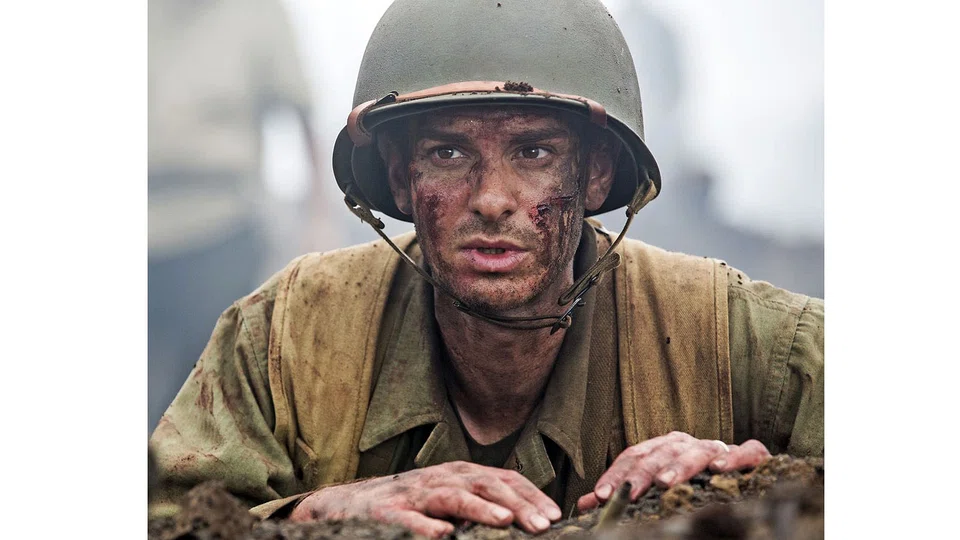
DeeperDive is a beta AI feature. Refer to full articles for the facts.
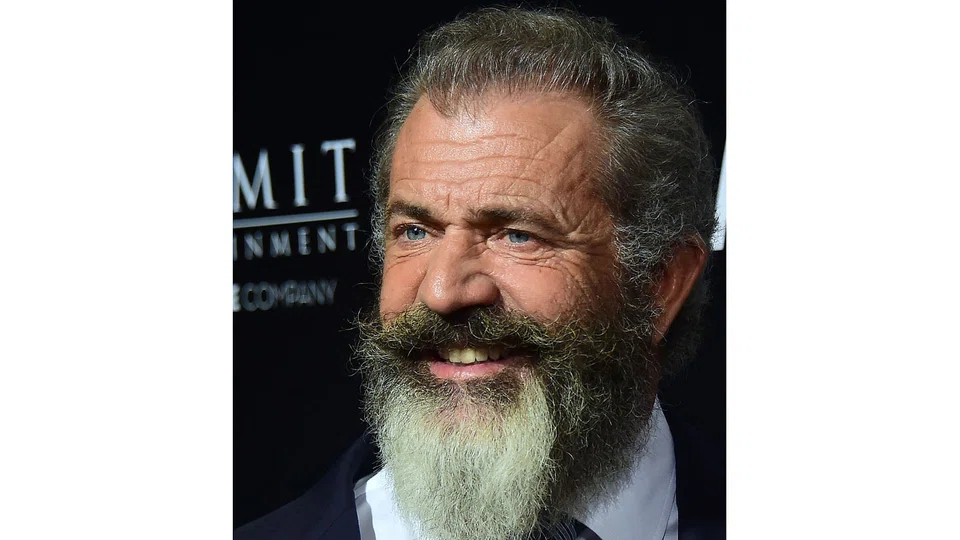
MEL Gibson knows a thing or two about triumph, trial and tribulation: they've been major features in both his personal life - where he has been battered for ill-advised behaviour and making anti-Semitic comments - and in movies he's made as actor and director, where he's fared a little better. There's plenty of all three on display in Hacksaw Ridge, a film about the Battle of Okinawa in World War II and the first movie directed by him in 10 years. If ever the need to contemplate what "all hell breaking loose" might look like on screen, this based-on-a-true-story film offers a grimly realistic depiction.
In Hacksaw Ridge, the brutality of battle is ratcheted up a few notches higher than previous Gibson-directed films like Braveheart (1995) and Apocalypto (2006) - and that's saying something. The film, written by Robert Schenkkan and Andrew Knight, revolves around a soldier who refused to bear arms, yet distinguished himself as a medic who singlehandedly saved scores of wounded men, in the process becoming a conscientious objector who won the Medal of Honour for bravery in battle.
War heroes come in many shapes and sizes, but none were more unique than Desmond Doss, a man who wished to serve because he felt the war against the Japanese was justified but - because he was a Seventh-day Adventist - refused to carry, or even touch, a firearm. A childhood incident in which he seriously injured his brother with a brick while play-fighting also influenced his decision not to bear arms. A good portion of the film focuses on his struggle with moral issues and the need to remain true to his convictions.
Copyright SPH Media. All rights reserved.