

French jewellery school gives peek into world of gemstones in Seoul
History and culture infuse the programme at L’Ecole, School of Jewelry Arts, which will soon travel to Singapore
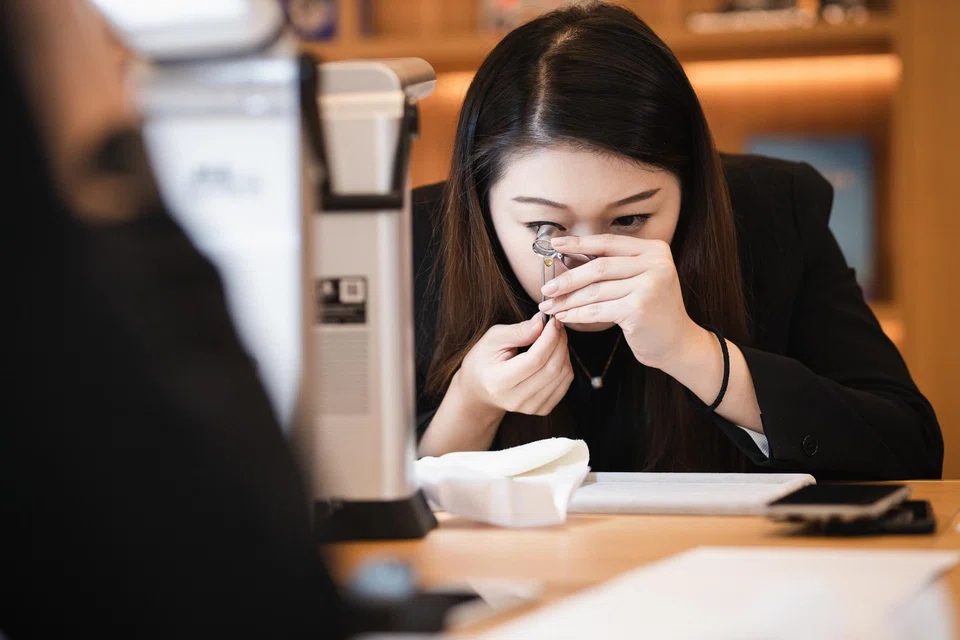
[SEOUL] It’s summer in Seoul and it’s blistering hot. But in the cool, contemporary art space that is Futura Seoul, ordinary South Koreans are discovering things they never knew about gems and jewellery, and even trying stone-cutting, lacquering and creating mock-up jewellery to bring home.
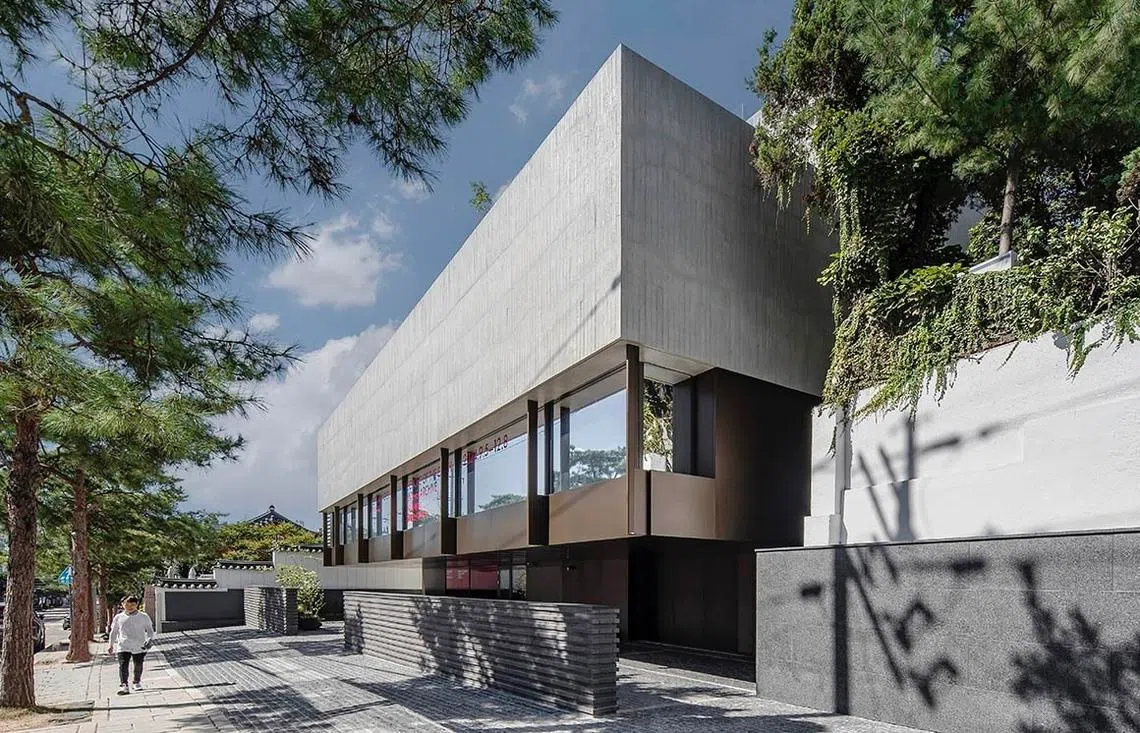
Located somewhere between two palaces and a shrine, Futura Seoul’s modern architecture makes for an interesting contrast in the Bukchon Hanok Village neighbourhood, where traditional houses date back some 600 years to the Joseon dynasty.
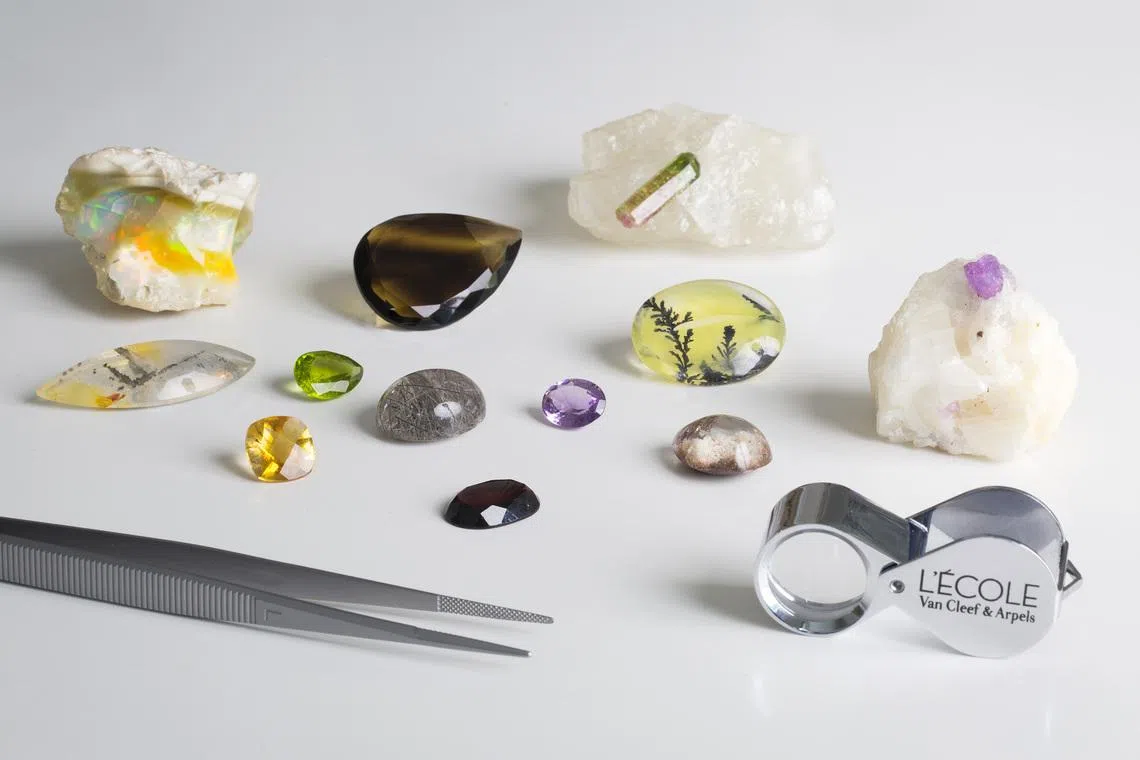
It is also an appropriate site for a cultural exchange of sorts – in the form of the Paris-born L’Ecole, School of Jewelry Arts, which is holding a nomadic programme for the first time in South Korea.
Set up in 2012 and backed by French luxury jeweller, Van Cleef & Arpels, L’Ecole is an academy for anyone curious about the sometimes-intimidating world of jewellery; offering a gentle introduction to jewellery culture through courses, workshops, talks, exhibitions, books and a podcast.
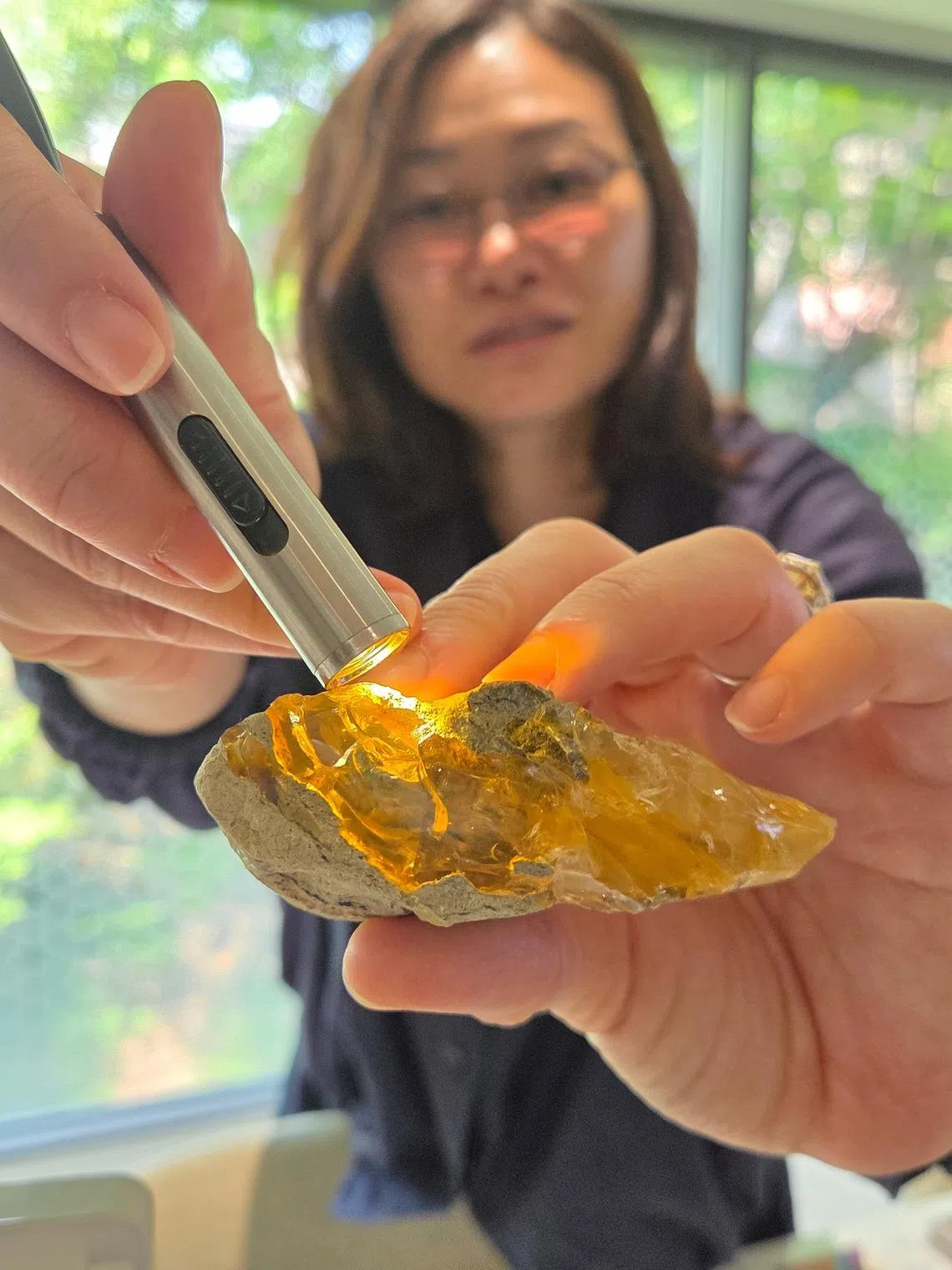
Even jewellery collectors and those more informed about the craft will learn much and relish the opportunity to tap the expertise of its lecturers – art historians, gemologists and craftsmen.
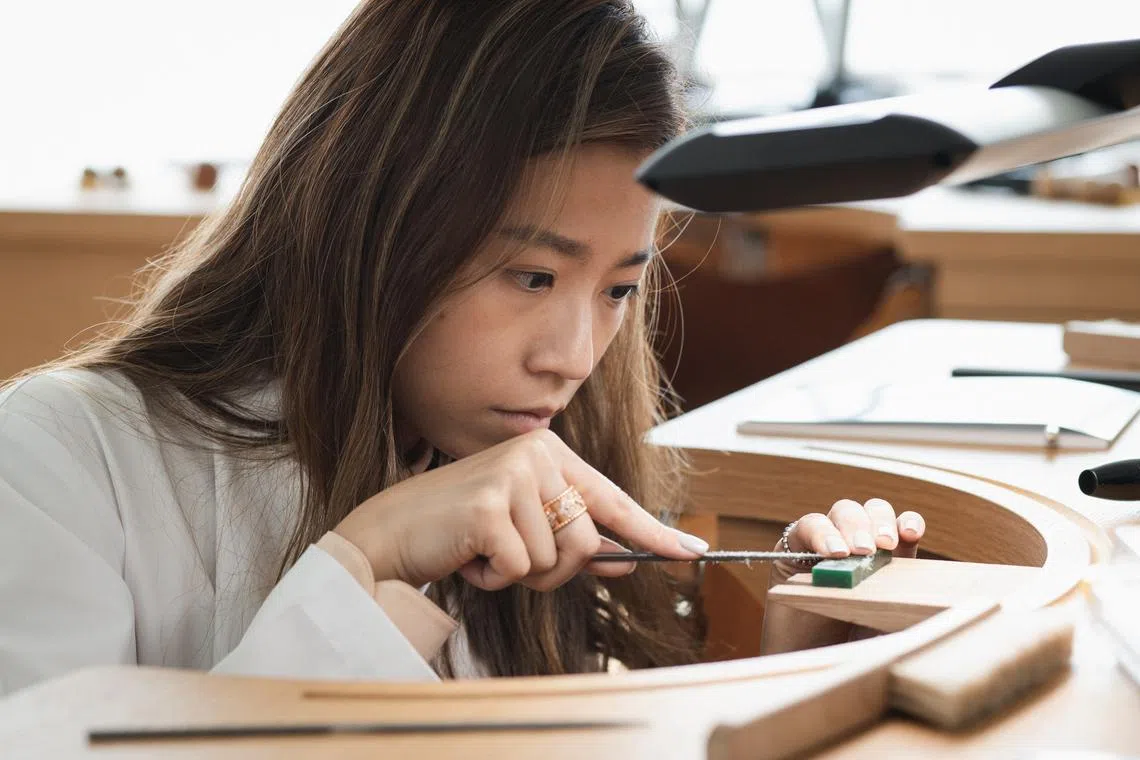
L’Ecole now has permanent locations in four cities – Paris, Hong Kong, Shanghai and Dubai, but it travels regularly. Its Seoul programme runs for three weeks till Jul 15, presenting a total of 105 courses which offer a rare chance for hands-on learning, a close-up look at precious stones, and invaluable exchanges with experts.
What the classes cover
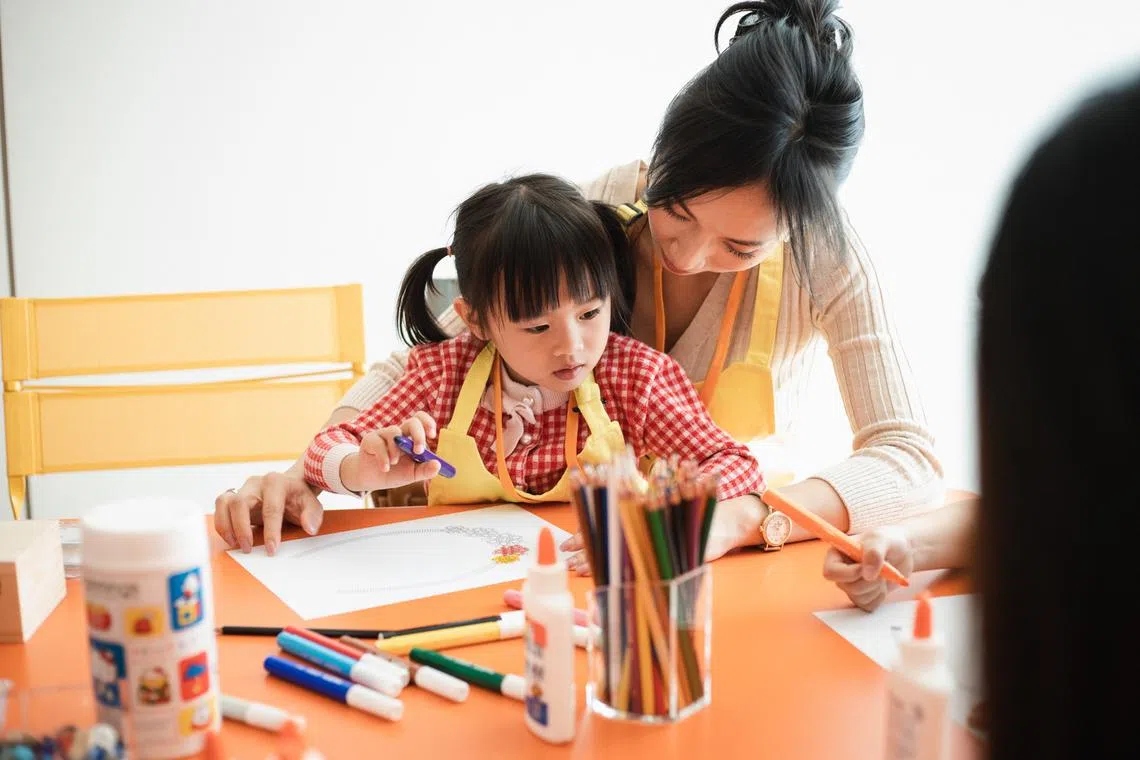
The public can take part in these intimate classes for between 10,000 and 50,000 won (between US$6 and US$32) each; some of these classes are suitable for teenagers and even children as young as six.
The programme reflects L’Ecole’s curriculum built around three core pillars – the history of jewellery, the world of gemstones, and the savoir faire that goes into jewellery-making.
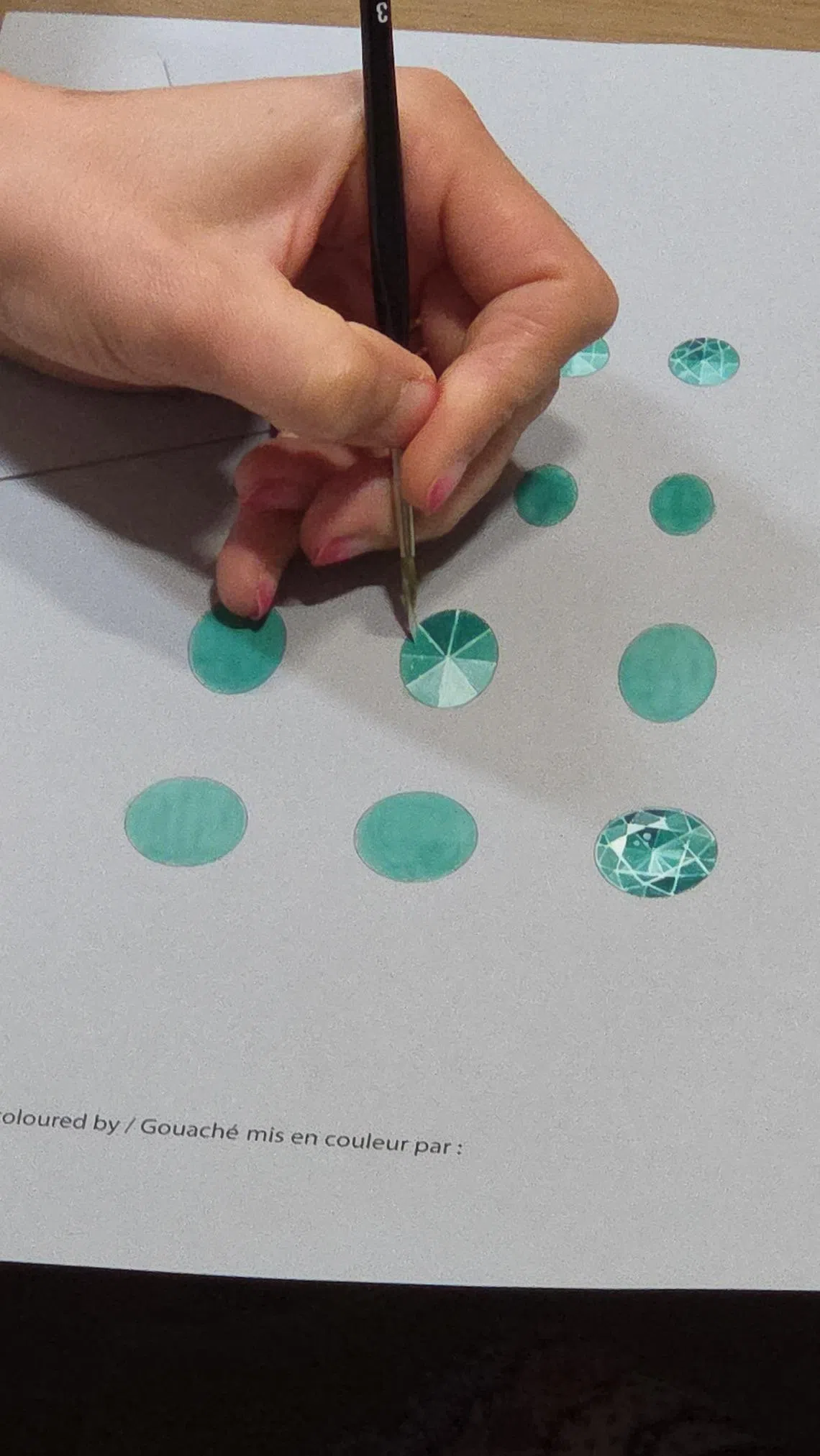
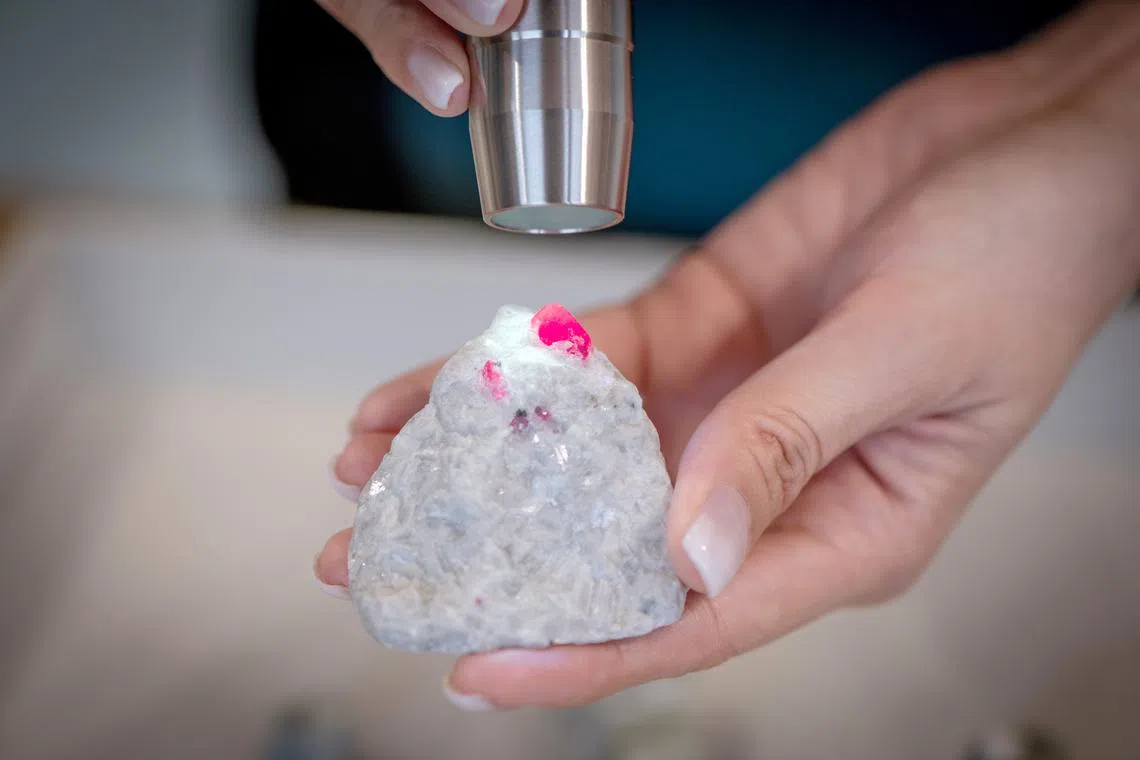
Examples include courses for small groups of participants to discover the origins of gemstones and their long journey to becoming jewellery; to try out the high jewellery creative process of faithfully representing stones in painting; and to learn about jewellery styles from the 17th century to the 1920s.

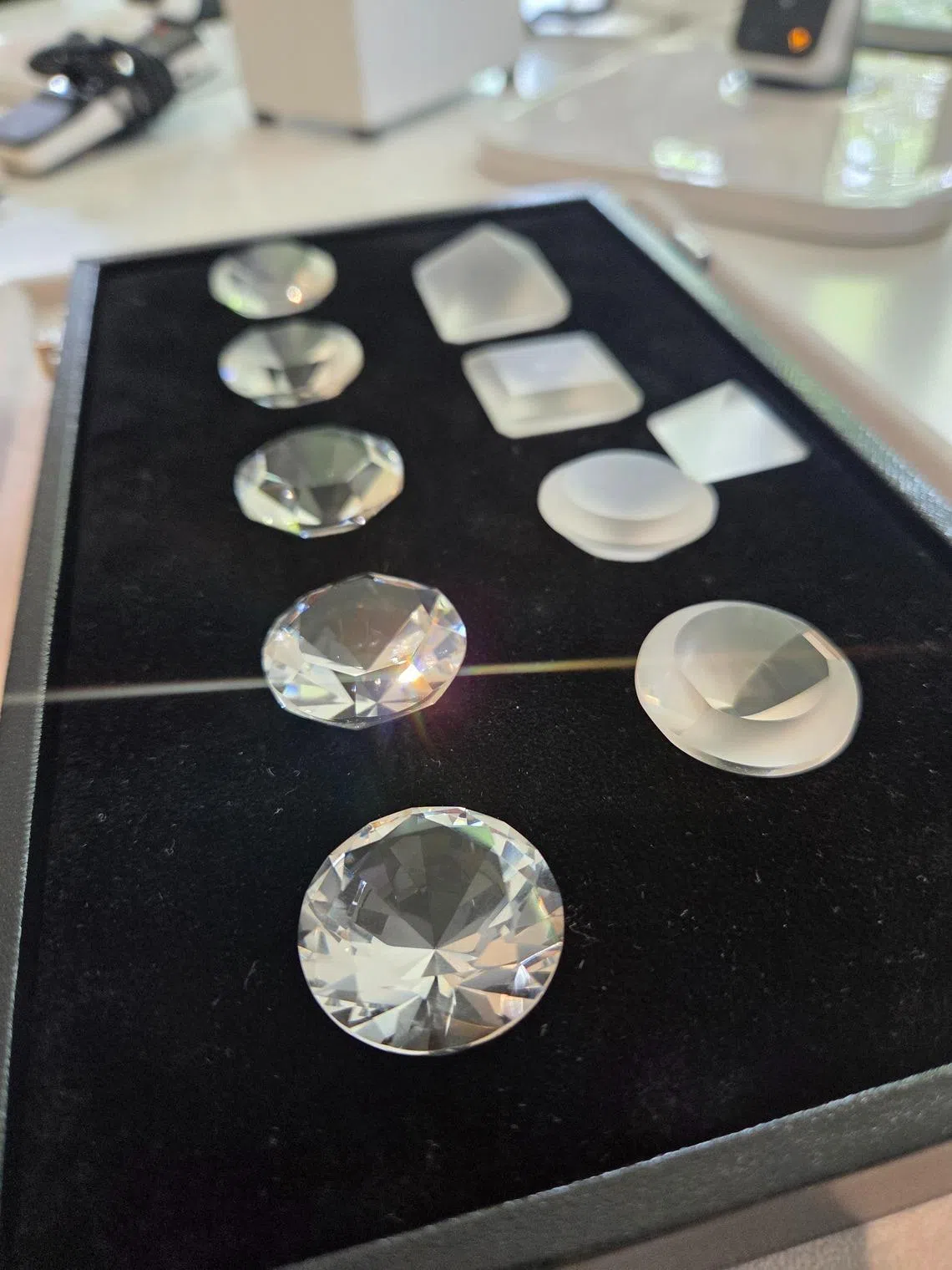
The group of journalists from the Asia-Pacific invited by Van Cleef & Arpels to cover the Seoul event had the opportunity to attend The Diamond: A Gemological Exception. Two gemologists spoke about the secrets of the precious stone – the only one composed of a single chemical element and with an unmatched hardness.
Among other things, they shared how diamonds are formed in the depths of the earth, how they are mined and cut, and how they differ from synthetic diamonds.
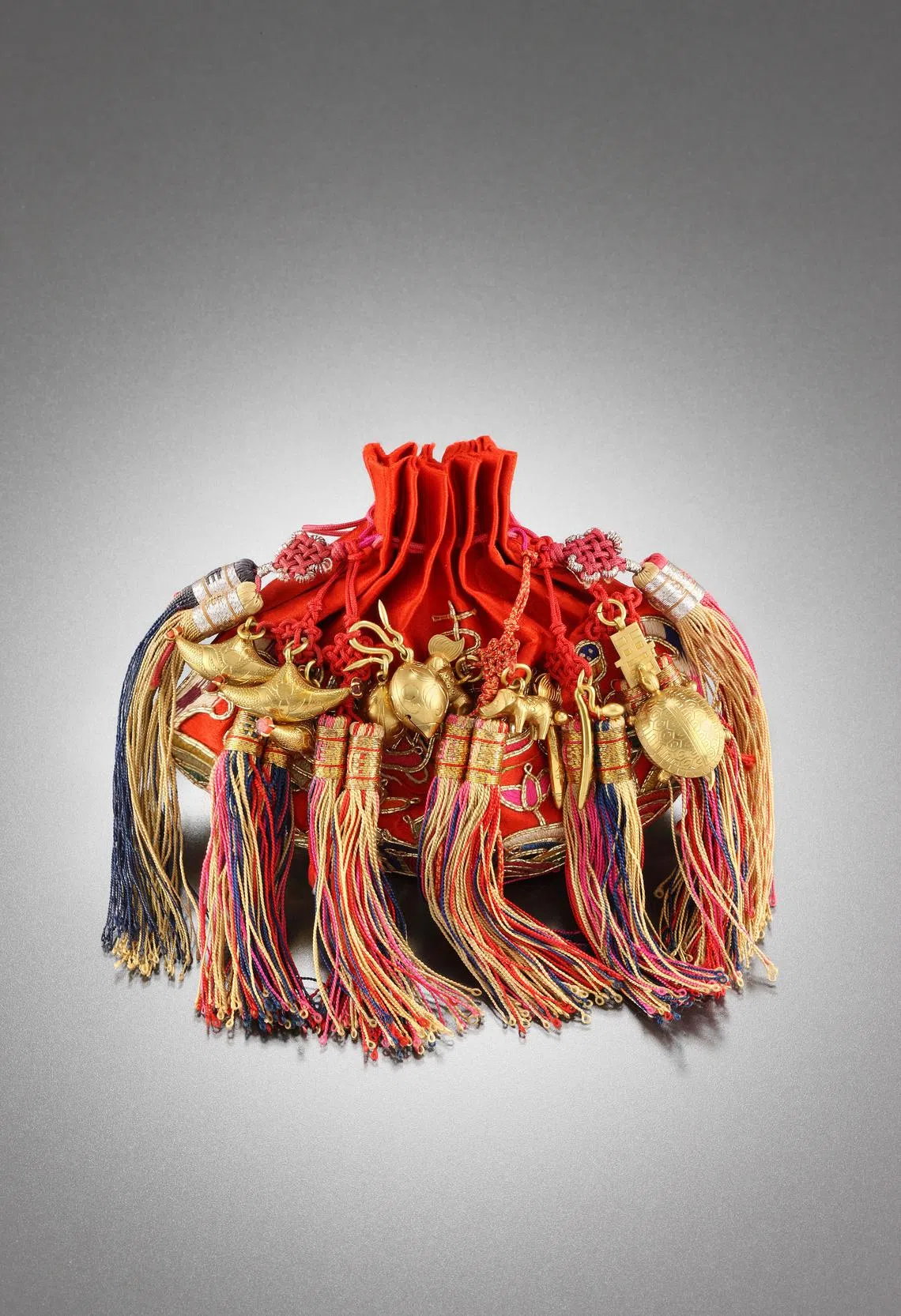
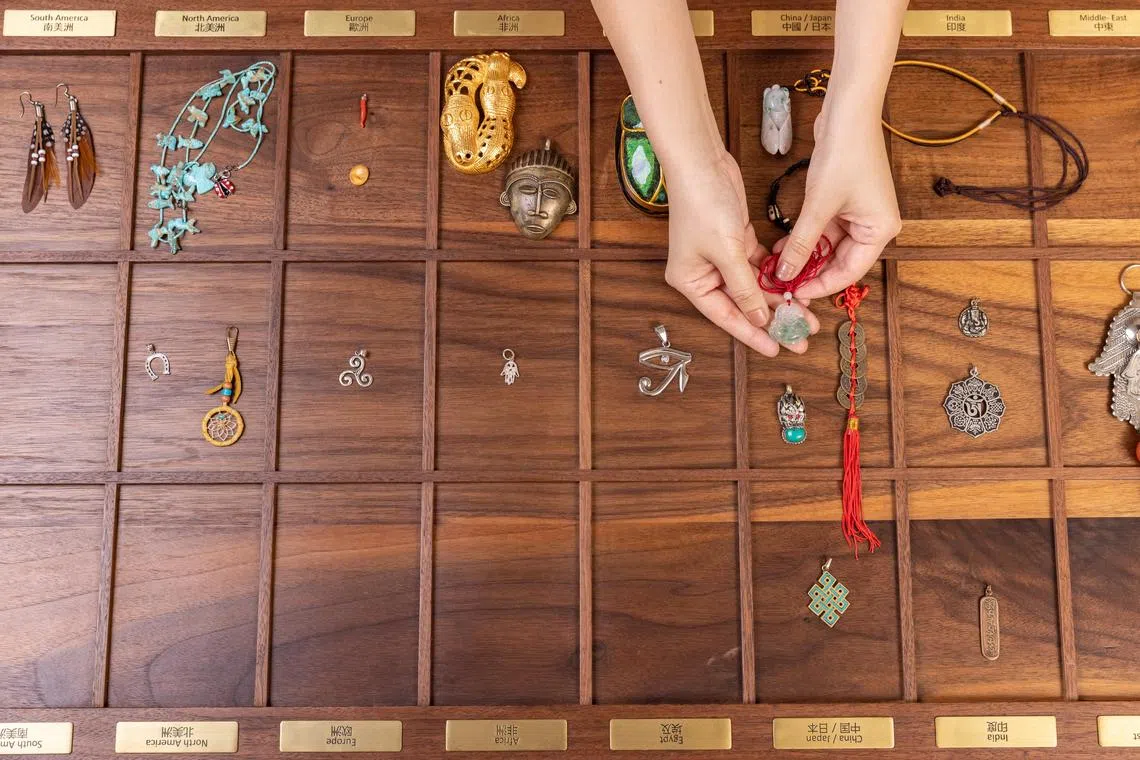
Also in the Seoul programme are free talks and an exhibition. A highlight is Korean Talisman Jewels: Now and Then, which explores the intriguing stories behind Korean lucky charms and blessing motifs in jewellery, as well as how ancient motifs continue to inspire modern designs.
Another is the lecture Gold & Gesture: from Celtic Crafts to Korean Treasures, which compares the ancient goldsmithing techniques of the Celts and ancient Korean dynasties.
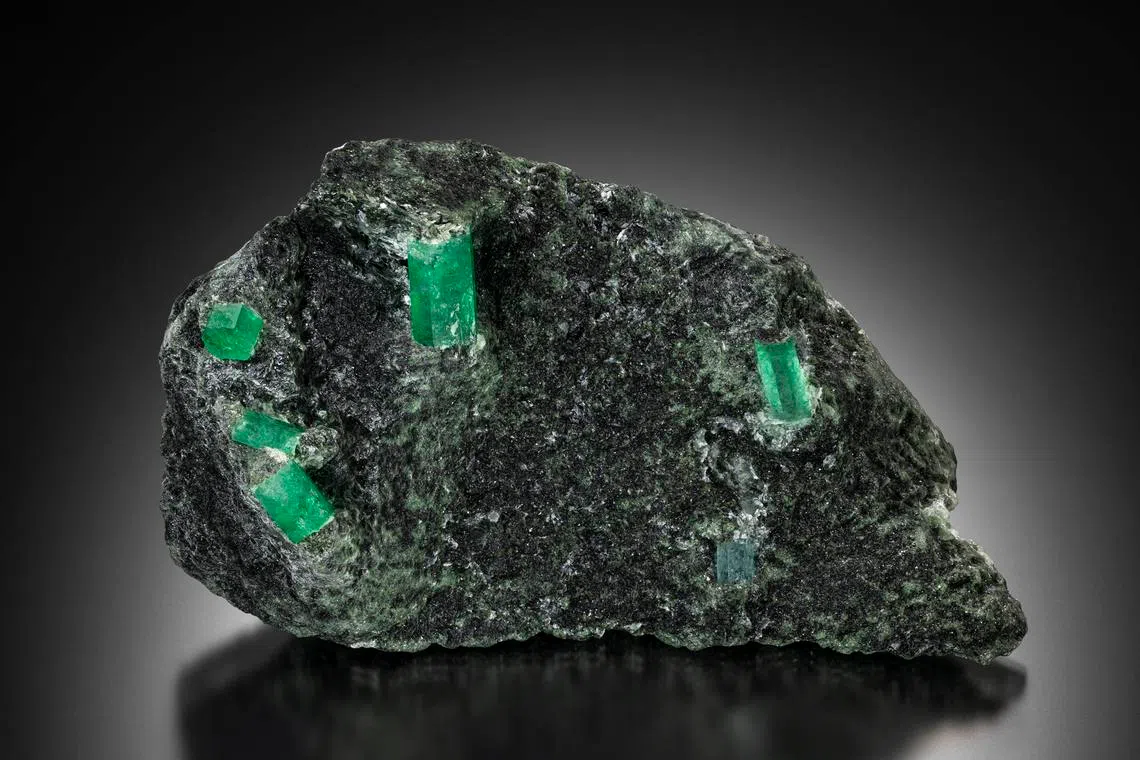
The exhibition Garden of Emeralds – Discover the Gemstones has also landed in Seoul after stints in Dubai and Shanghai. It traces the fascinating journey of the vivid-green gem from geological formation to becoming objects of art and high jewellery.
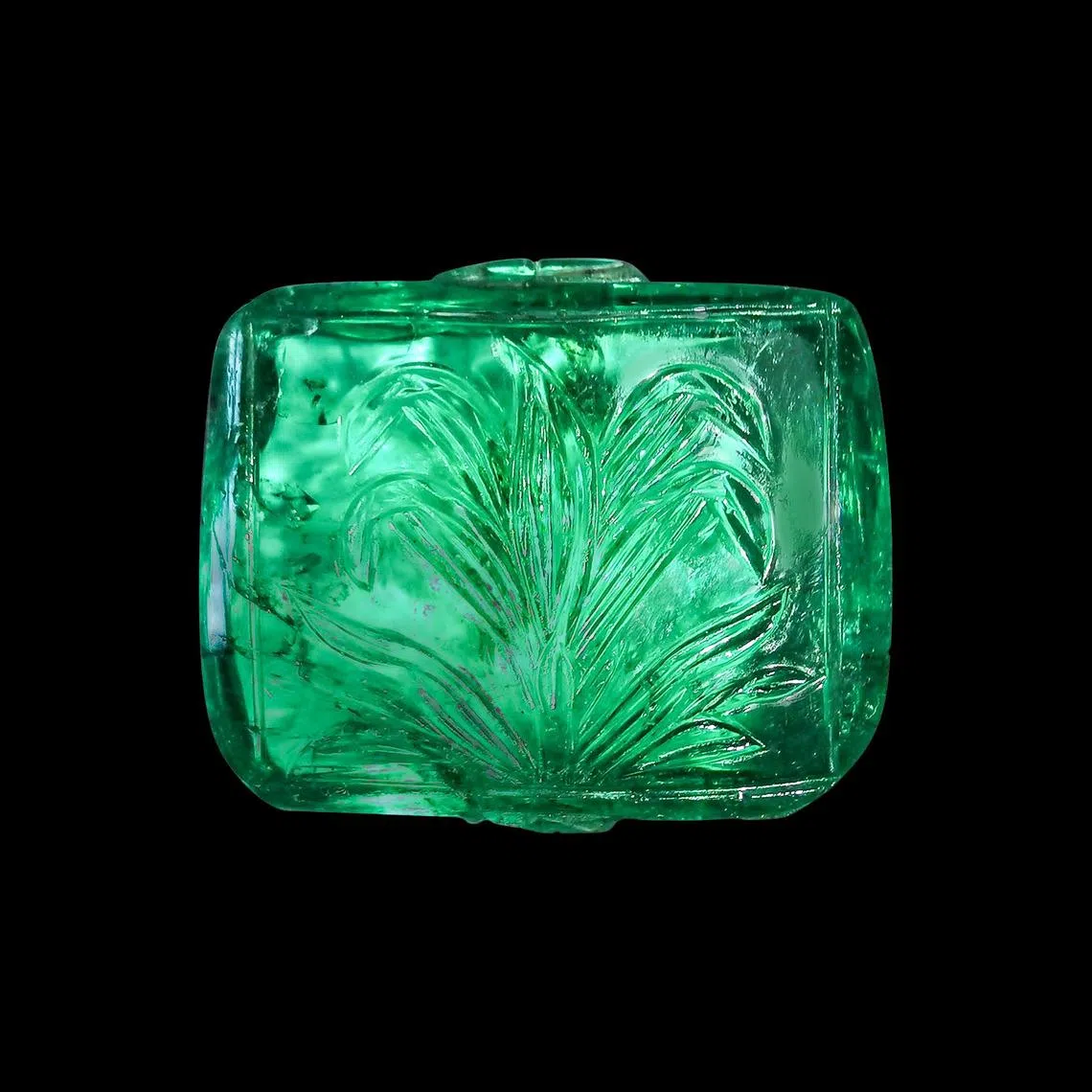
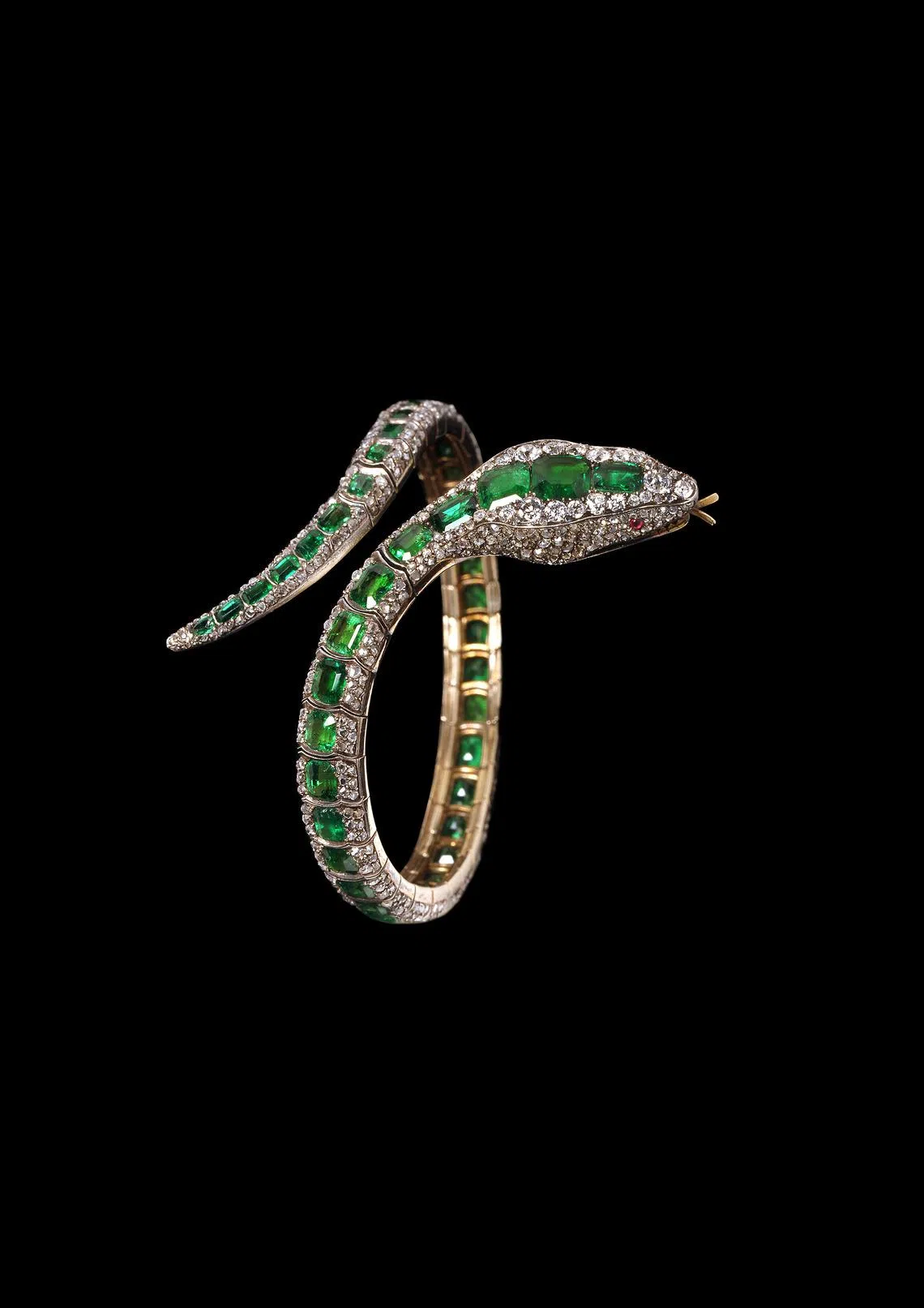
Standout pieces include emeralds in the rough, a 36.29-carat, 18th century Mughal engraved emerald formerly in the collection of Prince de Polignac, and a gorgeous yellow-gold snake bangle with emeralds, diamonds, rubies and silver, circa 1850.
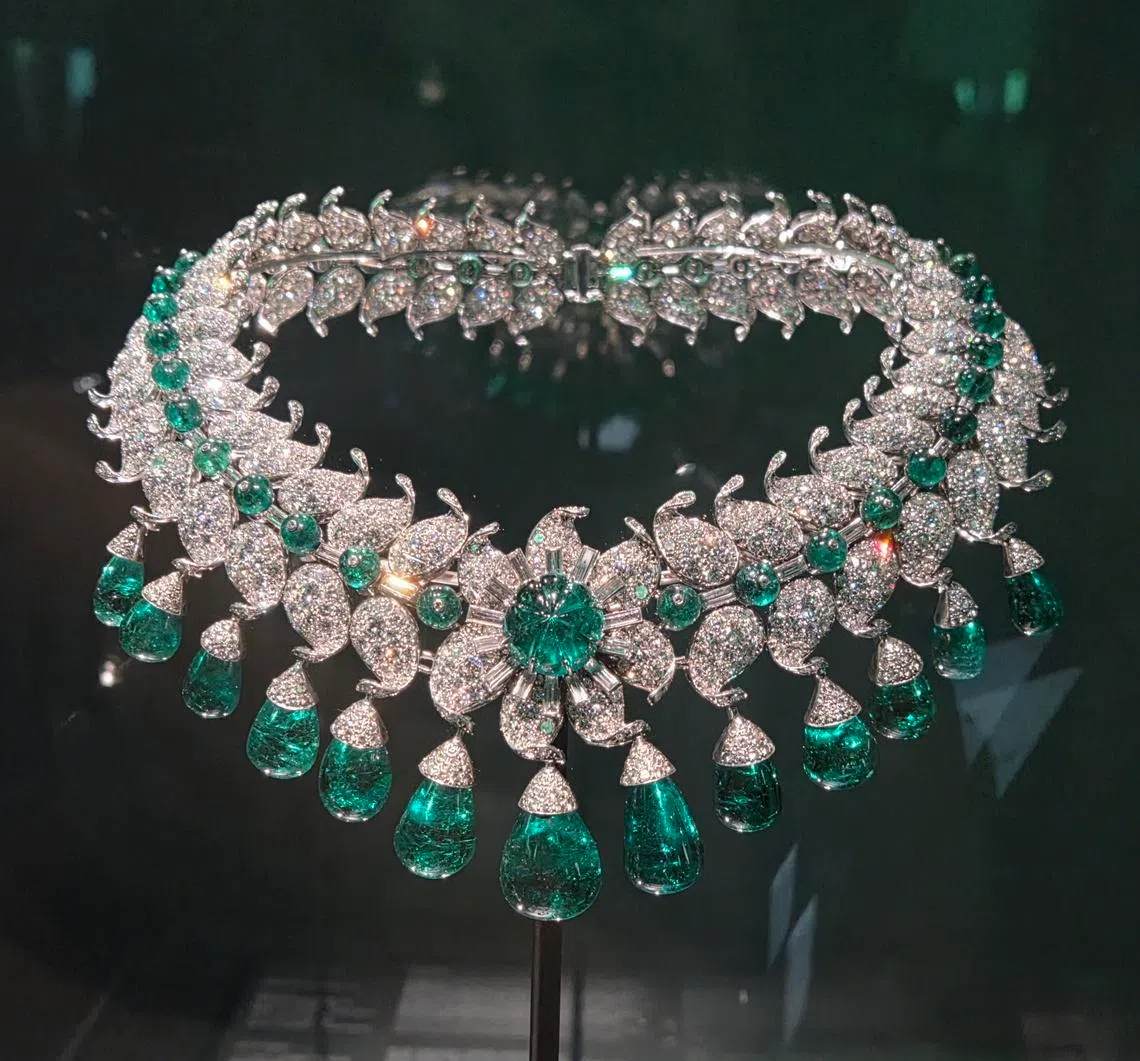
The centrepiece of the exhibition is the 1949 Van Cleef & Arpels Hindu necklace made for Sita Devi, the Maharani of Baroda, who was also known as the “Indian Wallis Simpson”.
The remarkable piece has 13 pear-shaped emeralds from ancient Colombian mines mounted alongside emerald beads, 39 pearls and almost 800 diamonds.
Equally spellbinding are photomicrographs – pictures taken through a microscope – of the inclusions found in emeralds. These photos are fantastical, other-worldly visuals that give clues about the gemstone’s inherent nature, geological formation processes and geographical origin.
At the programme’s grand opening in Seoul on Monday (Jun 29), Olivier Segura, managing director of L’Ecole Asia-Pacific, revealed that a nomadic programme will also debut in Singapore “very soon”.
Given the overwhelming reception in South Korea – all courses were fully booked in days – one can only look forward to the Singapore edition with much anticipation.
Decoding Asia newsletter: your guide to navigating Asia in a new global order. Sign up here to get Decoding Asia newsletter. Delivered to your inbox. Free.
Copyright SPH Media. All rights reserved.






