

How luxury brands are making up for lower Chinese spending
Elevating brand positioning with high-spenders is key to riding out the luxury slowdown
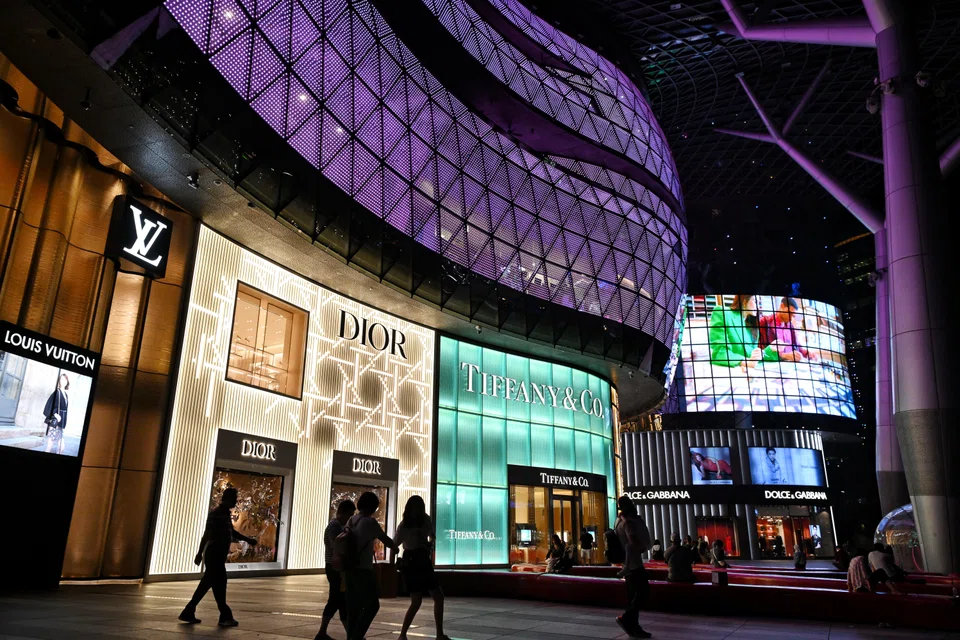
FOLLOWING post-pandemic splurging on luxury goods, the pent-up spending seems, well, spent – at least in the region, as an initial rebound in the Chinese market fizzled out.
Not only is the demand situation in China “proving to be tough indeed”, disappointment is coming from a lacklustre outlook in Hong Kong, Macau and Singapore, said HSBC luxury analysts in a note on Mar 22, after a two-week trip to Asia. “Mainland Chinese consumers are coming in greater numbers but don’t seem to be the spending kind,” they wrote.
This is reflected in the latest results from major luxury players.
LVMH, the world’s largest luxury group, reported that sales for its fashion and leather goods unit – where it makes most of its sales – grew 2 per cent in the first quarter of 2024, a sharp drop from the 18 per cent growth reported in the same period a year ago.
The group’s total Q1 sales rose 3 per cent on an organic basis to 20.7 billion euros (S$30.3 billion), matching HSBC’s expectations. The owner of brands such as Louis Vuitton, Tiffany & Co and Bulgari, said its Asia sales, excluding Japan, were down 6 per cent, and attributed that to Chinese consumers spending their money outside of China.
Fellow French luxury group, Kering, last month reported group sales falling 10 per cent on a comparable basis to 4.5 billion euros in Q1. This follows a rare profit warning it issued in March, due to declining Gucci sales, particularly in Asia. The luxury brand’s sales slumped 18 per cent on a comparable basis.
Meanwhile, Swiss luxury group Richemont last week said its full-year sales rose 3 per cent at actual exchange rates to a record 20.6 billion euros for the financial year ended Mar 31. However, the owner of Cartier said fourth-quarter sales fell 1 per cent, driven by a slowdown in the Asia-Pacific, and noted that “a sustainable rebound in Chinese demand would take some time”.
As Kapil R Tuli, Lee Kong Chian professor of marketing at the Singapore Management University, points out, Chinese consumers form a very big part of the luxury market in Singapore, so their lower spending here will cause some turbulence.
Sticker shock
Meanwhile, there have been relentless price hikes, with prices of iconic luxury products going up an average of some 50 per cent in the four years between October 2019 and January 2024 in Europe, according to HSBC.
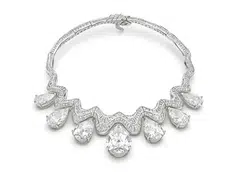

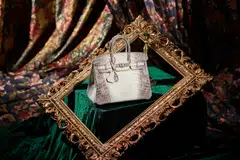

“This is not a sustainable strategy and is one of the reasons some consumers are pulling back,” says Sonja Prokopec, professor of marketing and associate dean of faculty at Essec Business School, Asia-Pacific. “There are very few brands that have the brand desire that can allow for endless increases and even there, we are seeing pushback in some markets.”
The price increases, especially post-Covid, have been too aggressive and not necessarily easy to justify, as often, the product innovation is minimal, if any, says Prof Prokopec, who specialises in luxury branding and brand management.
Going forward, however, Federica Levato, Bain & Company’s senior partner and leader of its global fashion and luxury goods practice, foresees a slowdown of price increases across the board in 2024, as brands “are realising the acceptance from consumers might be at risk”.
Targeting the seriously rich
That said, price is a tool for exclusivity gatekeeping to focus on the less price-sensitive high-net-worth and ultra-high-net-worth consumers, and luxury brands such as Hermes and Chanel are using that to great effect.
For instance, sales remained strong at Hermes, surging 17 per cent for Q1 ended Mar 31, with its revenues in Asia excluding Japan rising 14 per cent. A consistent performer in the luxury goods industry, the French luxury brand started hiking prices more significantly from last year, after holding back when its rivals, including Chanel, raised prices more aggressively.
“The brand is known for its quota bag strategy, where consumers need to spend a certain amount on other products before being offered the ‘privilege’ of purchasing one of its coveted iconic bags,” says Angelito Perez Tan Jr, co-founder and chief executive officer of RTG Group Asia. “This builds both exclusivity and desirability, making demand for the brand and its products more resilient despite market conditions.”
Over at Chanel, which this week reported sales climbing 16 per cent on a comparable basis and 14.6 per cent on a reported basis to a record US$19.7 billion in 2023, price increases drove sales growth by 9 per cent, with higher volumes making up the remaining 7 per cent.
The magic of desirability and experience
Meanwhile, Italian fashion house, Prada, which owns the Miu Miu brand, also defied the luxury market slowdown by reporting a 16 per cent sales growth to 1.19 billion euros at constant exchange rates for Q1. Its chief executive, Andrea Guerra, said the luxury industry had entered a new phase where strong creativity, brand positioning and desirability would drive performance.
Indeed, Tan says today’s smarter luxury executives are focused on investing in long-term brand equity and desirability, and developing more meaningful client relationships, versus making decisions aimed at driving short-term revenue goals to fill the growth gap.
A prime example is Chanel, whose chief executive, Leena Nair, said that its strong results “underline sustained investment in building the desirability of our brand, creating the ultimate luxury experience for our clients and supporting our people to grow and develop”.
The privately-held French luxury maison’s marketing investments rose 20 per cent to US$2.5 billion in 2023, while capital investments hit US$1.2 billion, including 47 additional stores and revamped flagships. Plans are afoot to increase capital spending this year to US$1.8 billion, despite the brand expecting a more challenging environment.
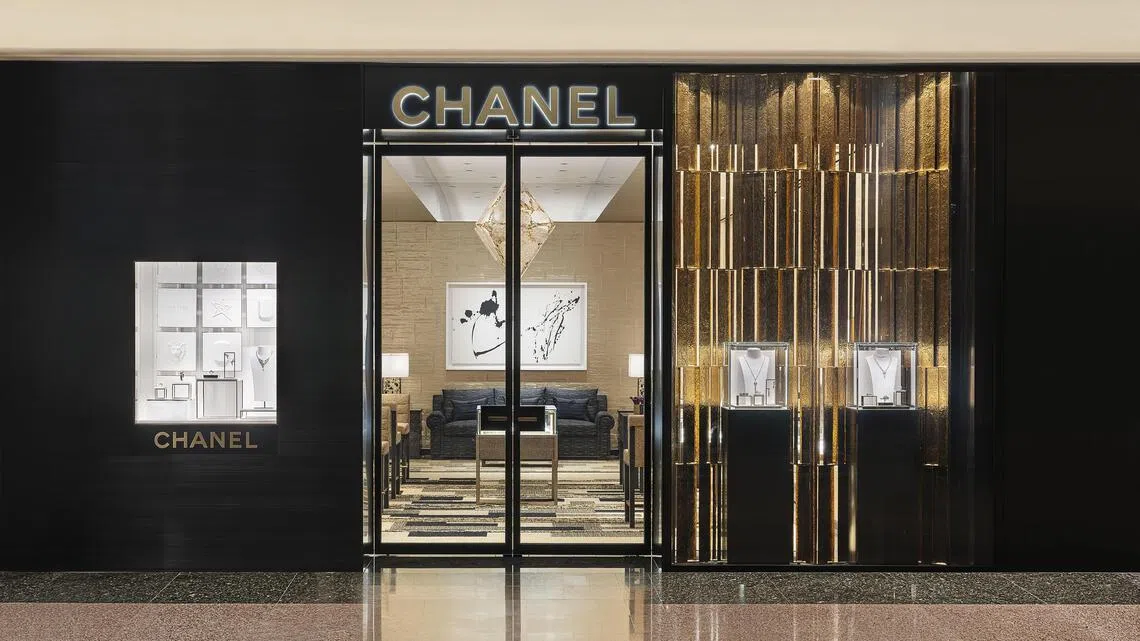
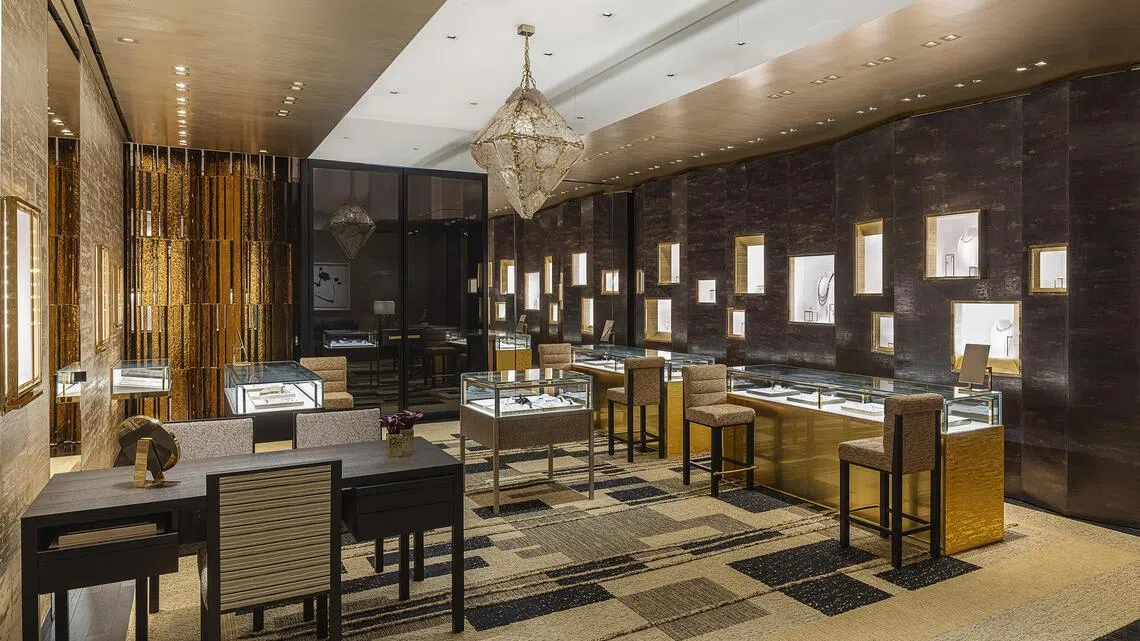
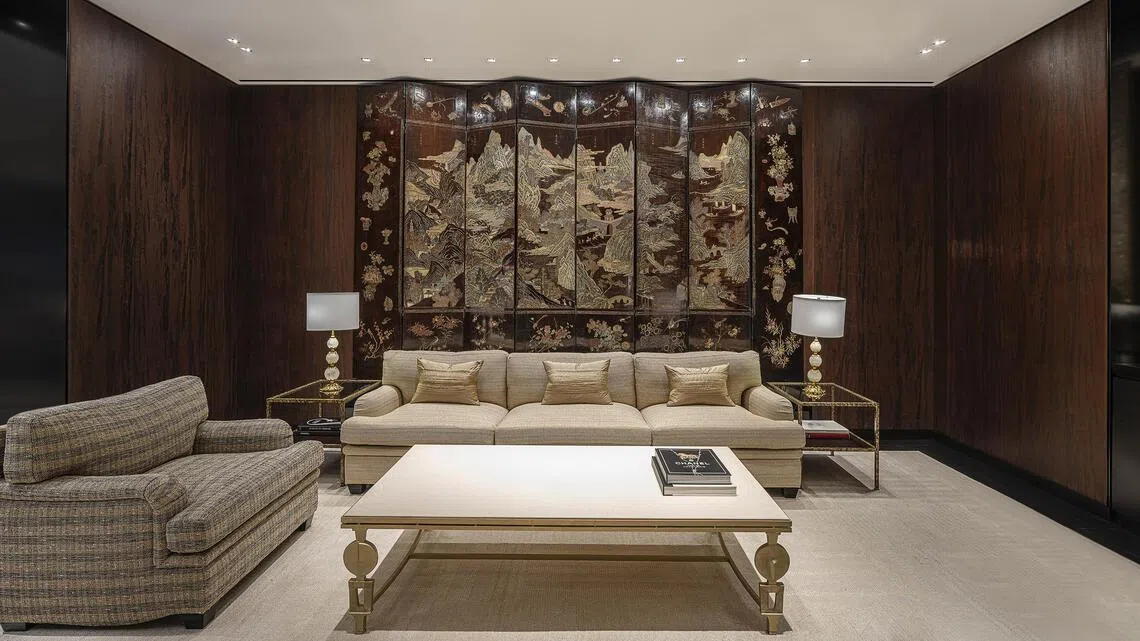
Looking at the Singapore market, Prof Tuli says those with massive flagships offering an immersive, luxury experience are “more protected”, as consumers are not going there just to pick up a bag.
“These luxury brands do curate very fascinating luxury experiences for their most valuable clientele, with private rooms and so on, and these carry value because you can’t get an experience like that easily at other nearby locations,” he says. “So, increasingly, you’ll see the performance differential for brands that are also providing a luxury experience and not just a luxury good.”
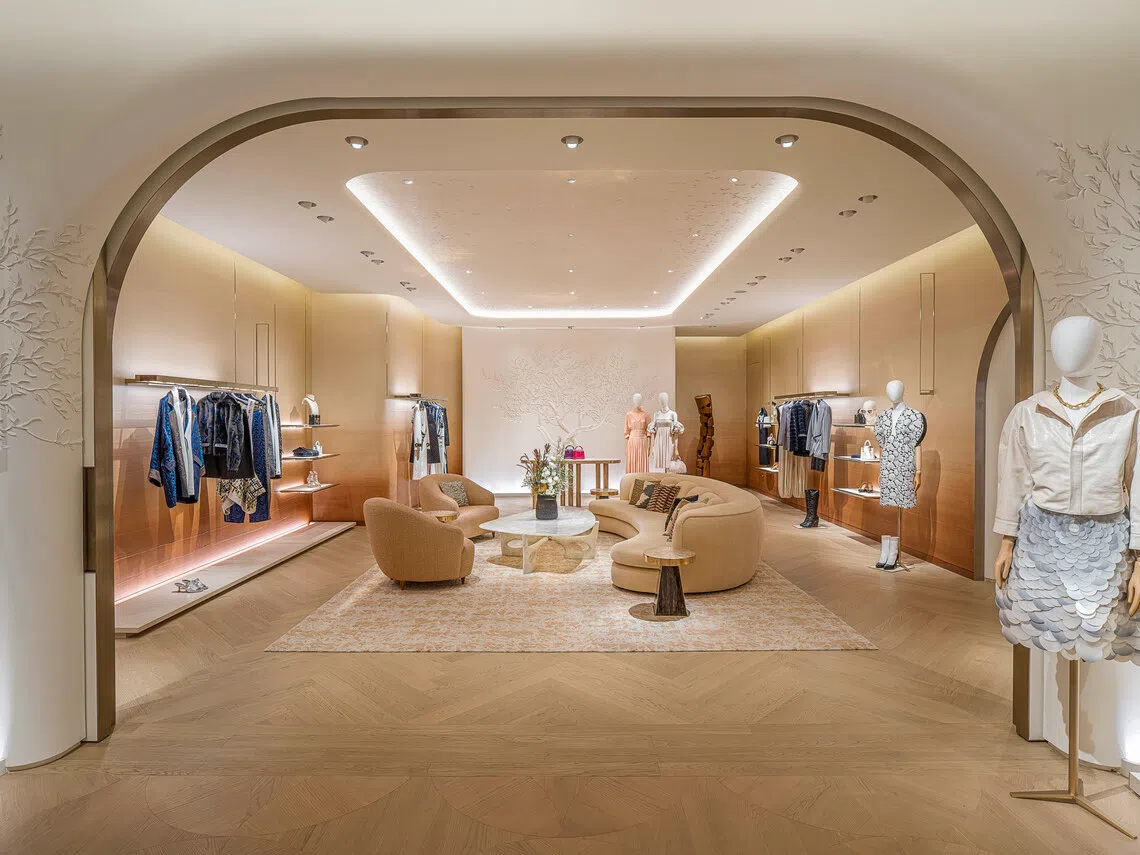
On top of a strong brand experience, visual codes and storytelling, Essec’s Prof Prokopec says how brands perform in the secondary markets also influences their desirability in the primary markets. And again, both Hermes and Chanel are highly successful in this respect, with their iconic handbags commanding lofty prices in the resale market.
Stronger categories
Bain & Company’s Levato expects a tough first half of the year for the personal luxury goods market, and a reprieve in the second half, resulting in a market growth of between 1 and 4 per cent at constant exchange rates for 2024. “We see jewellery and ready-to-wear as best performing categories,” she adds.
This should lend support to Singapore’s luxury market, which RTG’s Tan says has a stronger focus on the “more resilient”, hard luxury sector.
“Watches and jewellery are traditionally seen as more stable and rational forms of luxury purchases, as their value tends to hold or even appreciate over time, making them preferred during periods of uncertainty,” he notes.
Based on the RTG Consulting Group’s Brand Relevance Report 2024, 76.6 per cent of consumers in the region are looking to spend more or maintain the same spending on luxury watches and jewellery in the next 12 months.
“As such, Singapore’s luxury market will likely remain robust in 2024, with spending expected to rise in the second half of the year,” says Tan.
Decoding Asia newsletter: your guide to navigating Asia in a new global order. Sign up here to get Decoding Asia newsletter. Delivered to your inbox. Free.
Copyright SPH Media. All rights reserved.
TRENDING NOW

Once staunchly pro-China, Malaysian Chinese businesses are now distancing themselves from Beijing

Stocks to watch: HPL, Aims Apac Reit, Zico, Advanced Systems Automation, ComfortDelGro

‘How many will survive?’: Bubble fears arise as China’s humanoid robotics face reality check
Smaller board lots can’t fix a market run by three banks

