

The ‘invisible networks’ that power Singapore’s women entrepreneurs
From lunches to WhatsApp groups, these small and trusted circles are reshaping how female founders support each other

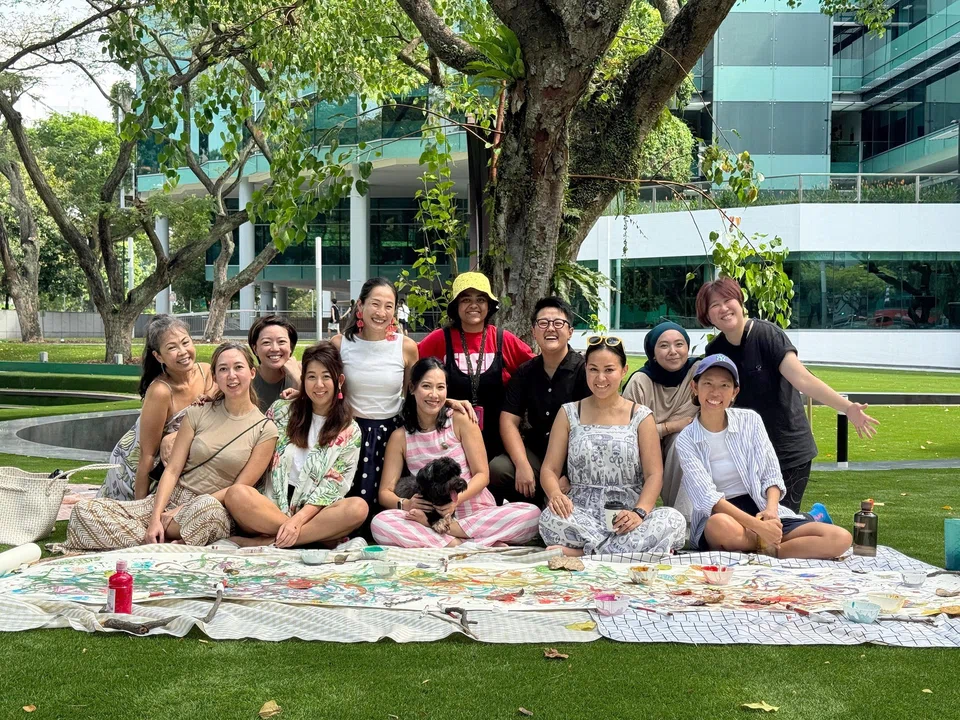
[SINGAPORE] Once a month, entrepreneur Tiziana Tan sits down for lunch with a group of women she barely knew three years ago. They are founders, corporate leaders, creatives and freelancers, ranging from their mid-twenties to early sixties.
There is no membership fee, no formal agenda, no name for the group. There is only one unspoken rule: no pitching, selling or flaunting of resumes.
Instead, each lunch begins with a conversation prompt – for instance: “What’s one thing about you that you would never change?” From there, introductions unfold through personal stories, and the women get to know one another beyond their professions.
And then – even though it isn’t meant to be a business lunch – business finds its way in. Someone asks for advice on a difficult client. Another suggests a collaboration. Referrals are exchanged over dessert. A partnership materialises a month later.
What began as a casual lunch Tan organised for friends three years ago has grown into a support system of around 70 women – part sounding board, part friendship circle – offering the kind of candour and solidarity that formal networking rarely provides. The group expands when members invite other women they respect.
Tan, who is CEO of social-impact consultancy Brain Juice Collective, used to attend formal networking events organised by industry associations and government agencies. “But the first thing everyone there asks is your job title and company. It felt so transactional.”

In her circle, however, the conversations range widely. Tan recalls one lunch when the topic turned to menopause. “I’m not at that stage yet,” says the 32-year-old, “but hearing the older women talk about it helped me understand what to expect… It’s not business-related, but it mattered to me deeply.”
‘Friends with business benefits’
Across Singapore, women entrepreneurs are increasingly building their own informal support systems and drifting away from established networking circuits. These gatherings may look like casual lunches, workout sessions or WhatsApp chats, but they often double as sounding boards for hiring decisions, pricing strategies and growth dilemmas.
The shift is both generational and practical. Entrepreneurship among women has expanded steadily over the past decade, making it easier to find peers without going through formal channels. Social media and messaging platforms have also made it easier to organise communities.



In 2024, the Department of Statistics released data that shows women-owned enterprises more than doubled from 16,300 in 2010 to 36,000 in 2022. With more women running businesses, many say it’s now easier to find peers facing similar challenges and to exchange advice and referrals.
Cassandra Riene Tan calls the entrepreneurs in her orbit “friends with business benefits”. The serial founder has spent more than a decade moving between industries, from tech to F&B to education. The most useful support she has received, she says, rarely came from structured programmes.
Instead, it came from a loose network of founders she met along the way – women she might see only twice a year but who are always a text message away when a decision needs testing or a contact needs unlocking.
“It’s a very pragmatic kind of friendship,” she says. “We’re not best friends in the traditional sense, but there’s a common understanding. If I message you after a year and ask for advice or an introduction, it’s not awkward. You just help if you can.”
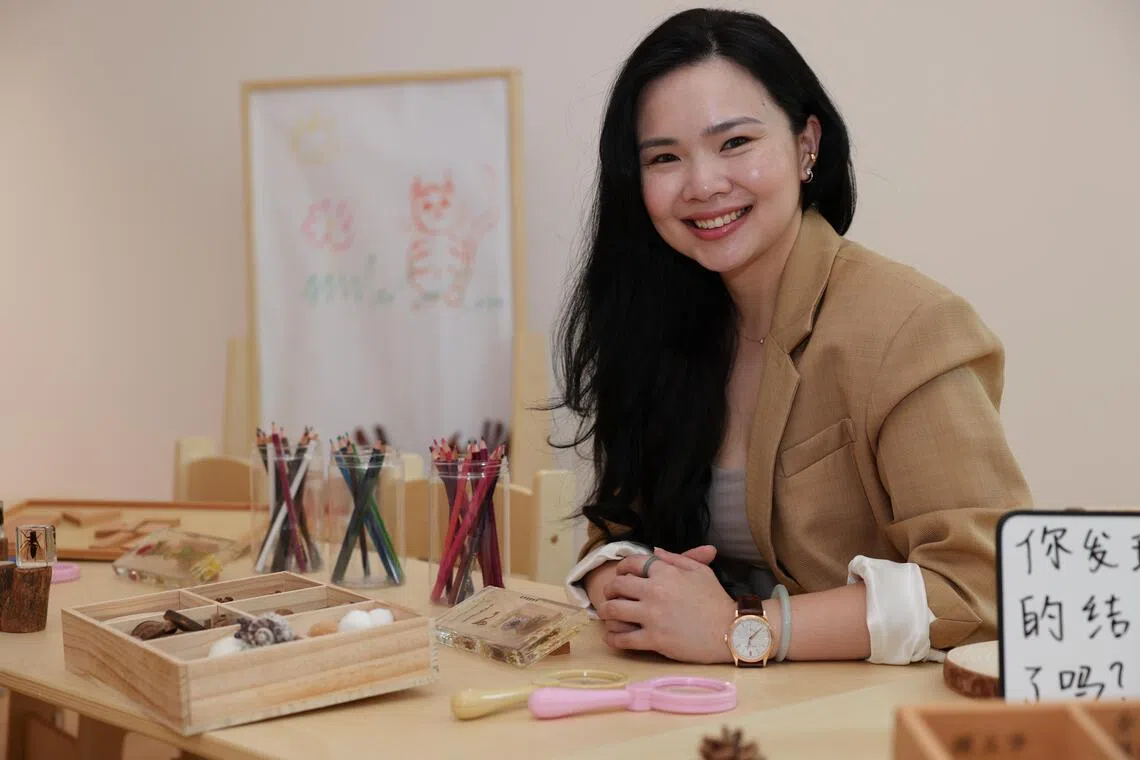
Cassandra Riene Tan was once active in formal women’s groups, particularly in the early years of her entrepreneurial journey when female founders were fewer. But as their numbers grew, so did her informal circle. Over time, she found herself relying less on organised gatherings and more on what she calls an “invisible network” of support.
Her latest venture reflects that shift. Amber – a new-generation, wellness-focused preschool built around a mind-body-soul framework – was conceived and launched largely by an all-female team, with women making up all of its shareholders and most of its staff.
“The real support for my business comes from my invisible network – the women willing to share contacts and advice behind-the-scenes.”
Reinventing the formal network
That does not mean formal organisations have lost their relevance. If anything, their role has evolved.
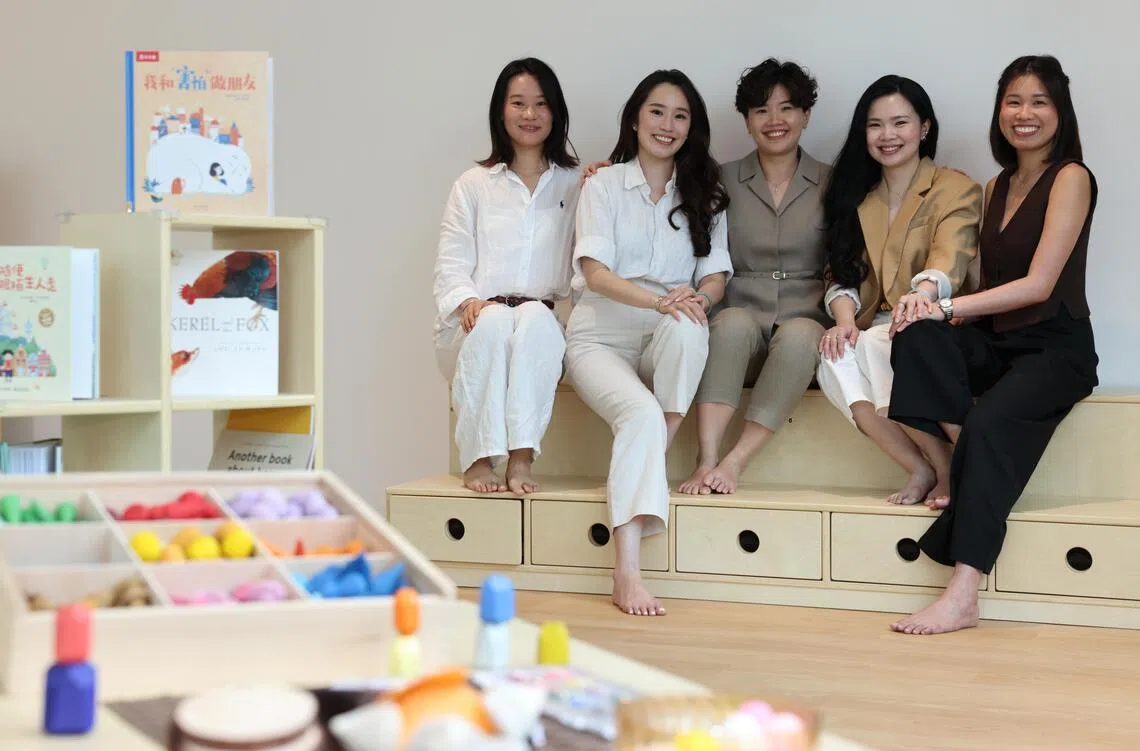
When Tjin Lee co-founded Crib Society in 2014 with fellow entrepreneurs Dr Elaine Kim, Mei Chee and Marilyn Lum, it was in response to the isolation many businesswomen felt at the time. “Entrepreneurship was a very lonely journey, particularly for women,” she says. “There just weren’t enough safe, supportive spaces.”
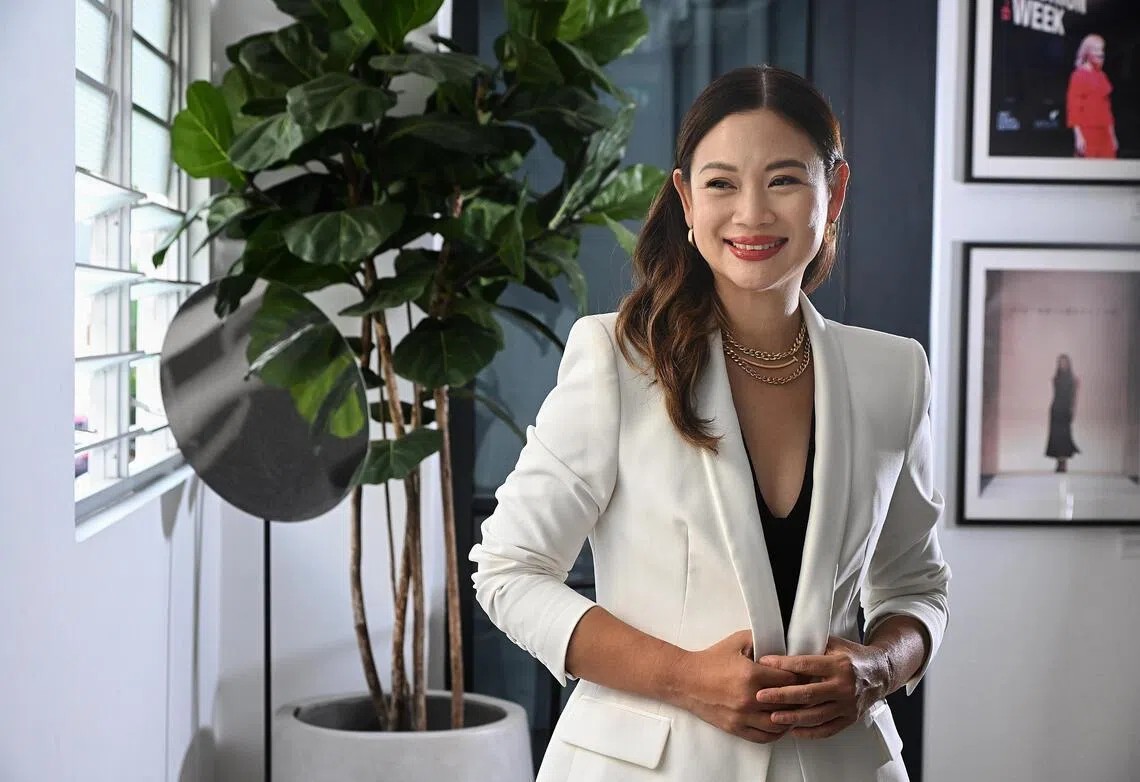
Crib aimed to provide a structured platform where women could find mentors, investors and collaborators, at a time when female founders were often navigating male-dominated networks or building businesses largely on their own.
Today, however, the landscape looks different. There are more female founders and independent professionals working outside traditional corporate paths. Yet the need for connection has not diminished.
“If anything, women are craving community now more than ever,” Lee says. “Not just founders, but women in corporate roles, the gig economy and consulting – all looking for connection because their journeys can still be lonely.”
To address this, Crib has become more curated. Membership has been tightened from nearly 300 at its peak to about 150 to 200 to foster stronger relationships. Smaller gatherings and peer-group sessions are designed to help members form their own circles beyond the organisation.
“The goal isn’t to contain women within one organisation,” Lee says. “It’s to help them build real relationships they take offline. It’s about depth, not numbers.”
What networks can’t solve
Still, informal networks alone do not remove structural constraints. At Mums@Work Singapore – a career platform supporting some 73,000 working mothers – founder Sher-li Torrey offers a more tempered view. Informal circles are plentiful, she says, but they do not automatically translate into bolder business decisions or faster growth.
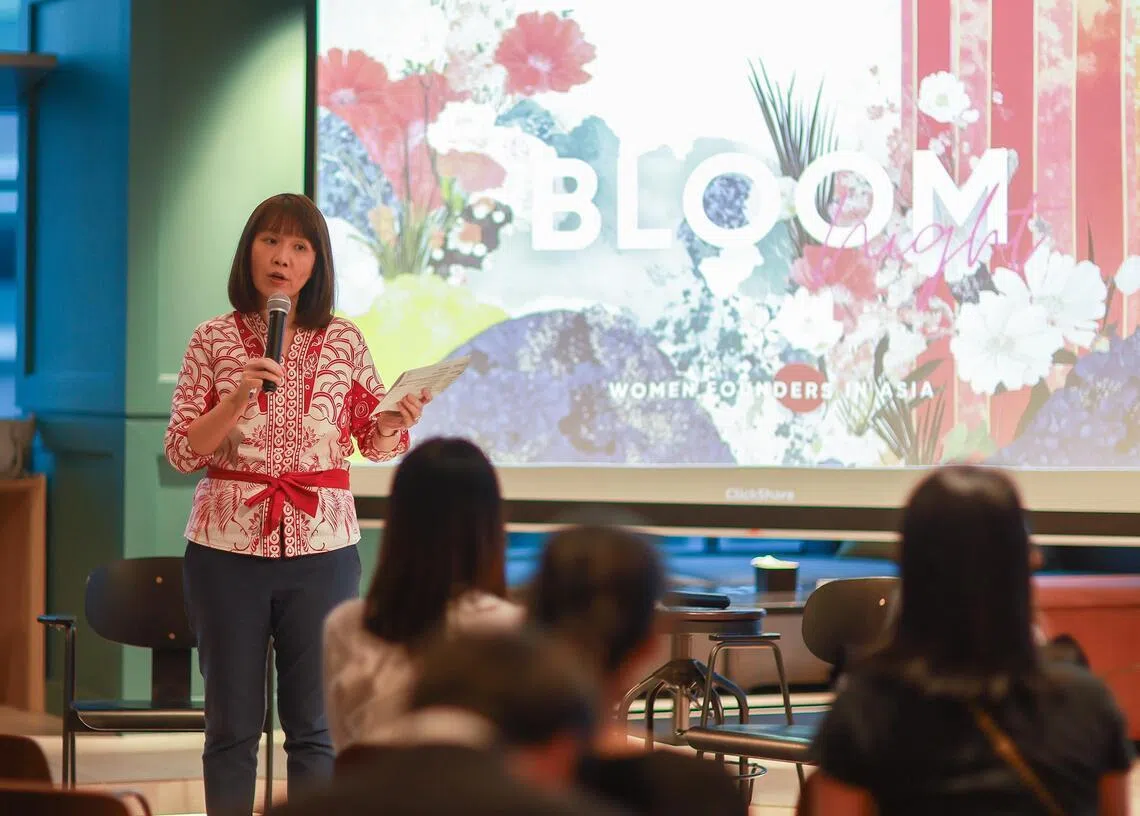
Through her work with returning mothers and mid-career professionals, Torrey observes that women tend to build what she calls “deep friendship networks” – small, trusted circles formed around shared life stages. “The support is often very practical,” she says. “It’s about helping each other think through real-life decisions.”
Yet, even with access to programmes, grants and communities available in Singapore, many women hesitate to scale. “You can have all the networks in the world,” she says, “but if you’re carrying caregiving responsibilities or feeling guilty about work and family, that still shapes how far and how fast you move.”
She says: “Every group of mothers I meet talks about guilt in some form. It can feel like a no-win situation – whether they work, run a business or stay home.”
For Maddy Barber, founder of bespoke jewellery brand Madly, Torrey is one of the entrepreneurs she turns to for perspective. “She’s one of the wisest, most generous women I know,” Barber says.
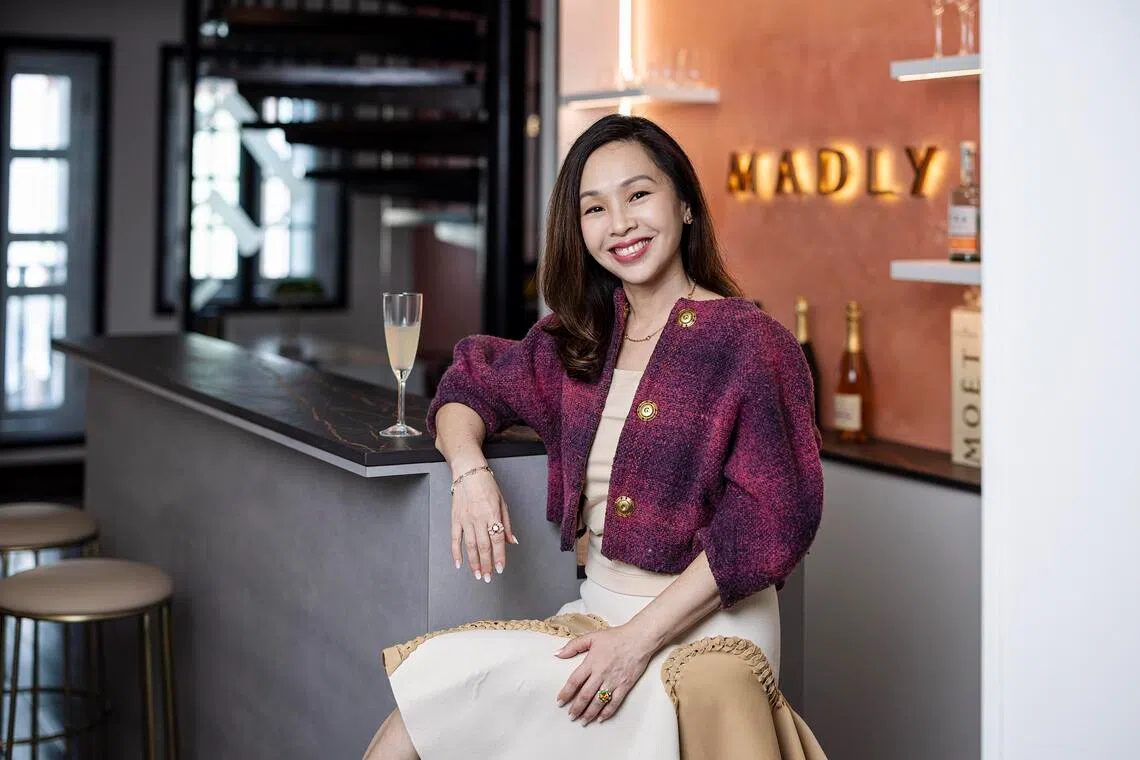
Barber did not build her circle through formal women’s organisations; many of the founders she relies on are women she interviewed when she was a radio DJ. Those relationships have since evolved into a trusted peer group that gives her space to step out of the role of leader and speak candidly about the uncertainties of running a business.
“There are struggles you can’t really talk about with your team,” she says. “As a founder, you’re expected to have the answers. It helps to have peers you can be honest with, without worrying about how it looks.”
One of the useful insights she gained from conversations with Torrey was the distinction between management and leadership. She recognised that some senior staff were highly capable executors, while strategic direction ultimately had to sit with her as founder. The shift helped her refine team expectations and lead with clarity.
“Support and insight don’t always come from formal mentorship,” she says. “It more often comes from friends who gather to listen and share. The conversations feel ordinary at the time, but they shape how you think and lead. The meaningful circles aren’t something you go looking for – they form when you’re open to giving as much as taking.”
Support for mature-stage founders
For Natasha Chiam, co-founder of The Ice Cream & Cookie Co, the value of informal networks has only deepened as her business has matured. What began as a farmers’ market stall in 2012 is now a regional brand spanning Singapore, Malaysia, Hong Kong and Taiwan, with more than 5,000 points of sale.
At this stage, she says, the most useful support rarely comes from formal groups but from a small circle of fellow founders she has met through work. They are the people she turns to when she needs perspective rather than solutions.
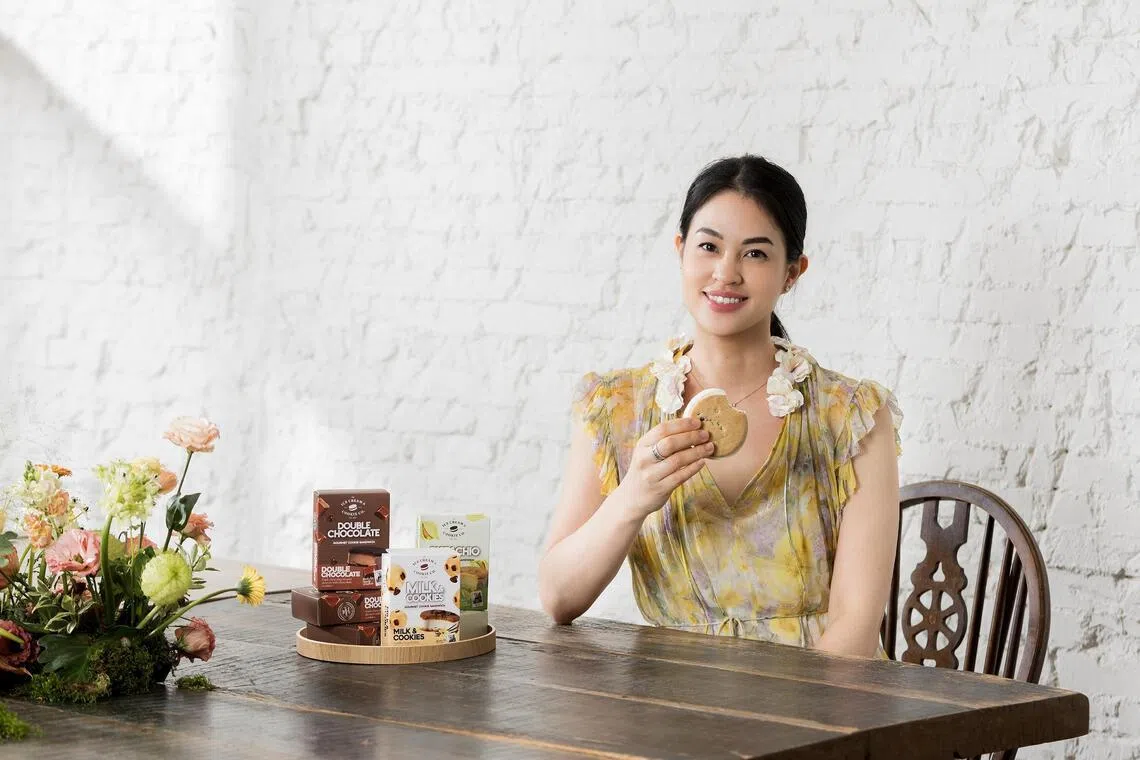
One conversation during a particularly stressful period helped reset her thinking. “When you’ve been running a company for long enough, it becomes part of your identity,” she says. “So when something goes wrong, it feels very personal. Everything starts to feel urgent – almost life-or-death.”
What steadied her was a reminder from another entrepreneur to step back and reframe the problem. “She told me: it’s still a business issue,” Chiam says. “It might be money, it might be operations, but it’s solvable.”
Today, those relationships thrive in small WhatsApp groups and occasional catch-ups. Opportunities are shared, referrals passed along and advice exchanged when needed. More than anything, Chiam says, they provide steadiness for her to continue everyday.
“In life, things will go right and things will go wrong,” she says. “It just helps to know you have people in your corner who understand what you’re going through.”
Decoding Asia newsletter: your guide to navigating Asia in a new global order. Sign up here to get Decoding Asia newsletter. Delivered to your inbox. Free.
Copyright SPH Media. All rights reserved.
TRENDING NOW

Britain’s mansion tax shows the difficulty of targeting wealth

Once staunchly pro-China, Malaysian Chinese businesses are now distancing themselves from Beijing

The only common thing in S-E Asia is that we all eat rice: Cisco’s Asean president

Singapore data centre operator DayOne opts for US IPO at likely US$20 billion valuation

